Scientists Discover Hidden Brain Circuit That Could Be The Key To Treating OCD
New research reveals the underlying brain circuit dysfunctions that drive OCD-like behaviors, offering critical insights into the condition’s mechanisms.
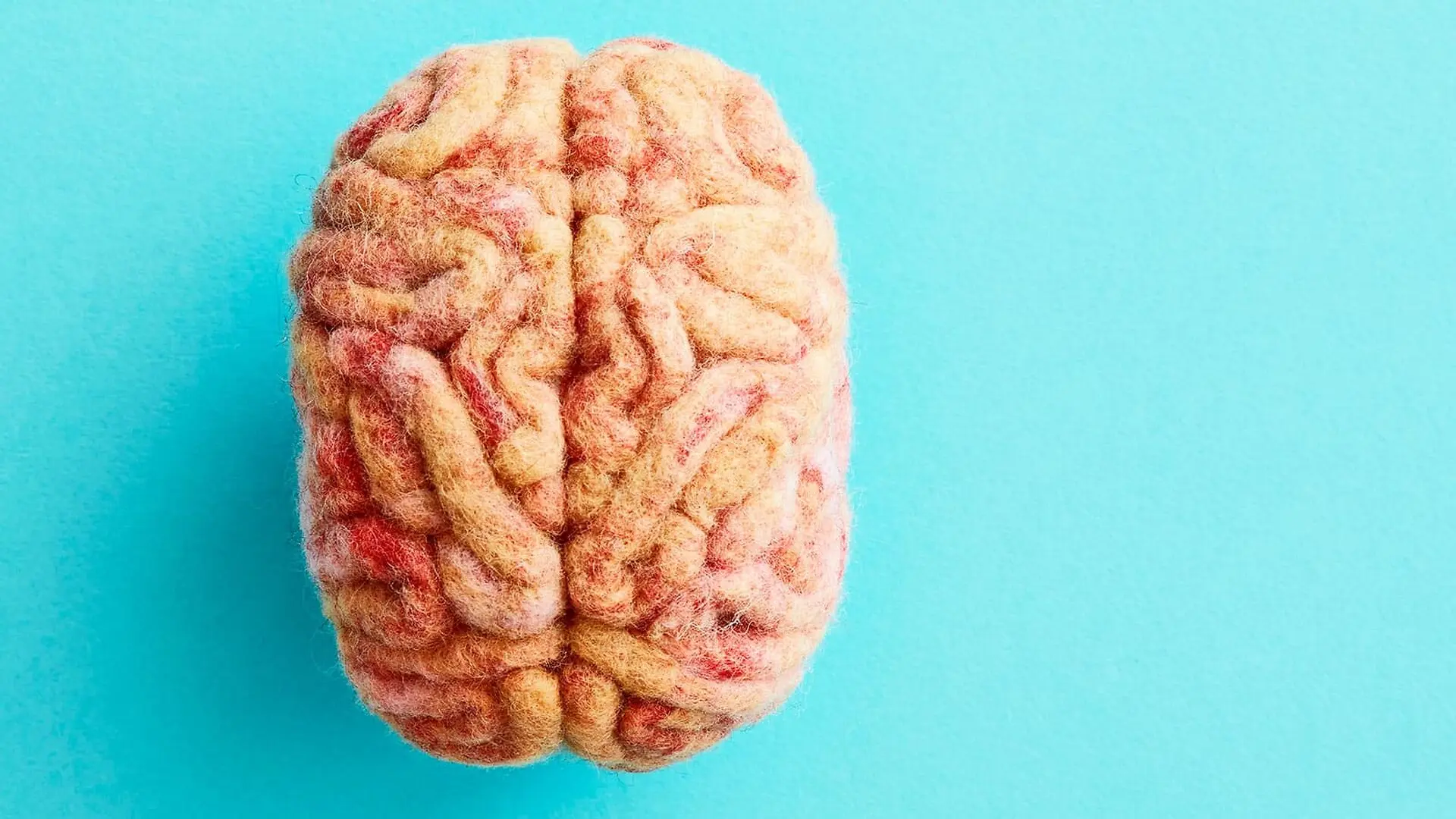
Researchers have identified a previously unknown neurological pathway that appears to play a critical role in the development of obsessive-compulsive disorder (OCD). The discovery, detailed in the journal Neuron, suggests that targeting specific brain circuits could offer a more precise approach to managing the condition, which is currently treated primarily through psychotherapy and pharmaceuticals.
Mapping the Origins of Compulsive Behavior
The study, led by Joshua L. Plotkin of Stony Brook University’s Renaissance School of Medicine, focused on the communication between two distinct brain regions: the amygdala, which governs emotional responses like fear and anxiety, and the dorsolateral striatum (DLS), which is responsible for habit formation and automatic behaviors. Using advanced imaging techniques capable of mapping neural activity at the level of individual synapses, the team uncovered a direct, previously undetected link between these two areas.
From Emotional Cues to Persistent Habits
To test the influence of this circuit, the researchers used a mouse model sensitive to common OCD medications. When researchers stimulated the amygdala-to-DLS pathway while a mouse was exposed to a sensory trigger—such as a water droplet on its nose—the animal exhibited a marked increase in grooming behavior. This compulsive response persisted long after the stimulation ended and the sensory cue was removed, indicating that the circuit effectively reinforces and locks in these behaviors.
The study also revealed that in mice exhibiting OCD-like symptoms, this specific neural circuit was hyperactive and poorly regulated. When the researchers intervened by chronically inhibiting the amygdala, they successfully prevented the onset of compulsive behaviors in the models.
New Directions for Clinical Intervention
Plotkin notes that these findings offer a clearer understanding of how emotional experiences can hijack normal behavioral processes, potentially transforming them into rigid, compulsive habits. By identifying this specific circuit dysfunction, the research provides a potential roadmap for developing targeted therapies that could modulate these exact brain connections.
While the researchers caution that the neurobiology of OCD in humans is vastly complex, the discovery marks a significant step forward in moving beyond generalized treatments. The project involved a collaborative effort between experts from the National Institutes of Health, the National Institute of Mental Health, and the University of Iowa, with funding provided by various branches of the National Institutes of Health, including the National Institute of Neurological Disorders and Stroke.
This article has been fact checked for accuracy, with information verified against reputable sources. Learn more about us and our editorial process.
Last reviewed on .
Article history
- Latest version
Reference(s)
- Hobel, Zachary B.., et al. “A basolateral amygdala to dorsolateral striatum projection modulates stimulus-evoked motor behavior.” Neuron, September 1, 2026 Elsevier BV, doi: 10.1016/j.neuron.2026.08.025. <https://doi.org/10.1016/j.neuron.2026.08.025>.
Cite this page:
- Posted by Tariq Hassan