Snow Soil Bacterium Unveils Secret to Building Chain-Like Nano-Bubbles
A newly sequenced cold-soil microbe produces linked membrane vesicles that could transform industrial enzyme manufacturing.
A newly sequenced bacterium isolated from snow-covered soil in Hokkaido produces unusual chains of membrane-bound bubbles from its surface, offering a fresh blueprint for industrial biocatalysis. Researchers mapped the complete genetic code of this organism, known as Pedobacter sp. strain NO84, capturing a detailed look at a microbe that secretes strings of extracellular vesicles.
Members of the genus Pedobacter belong to the bacterial phylum Bacteroidota and are well known for producing enzymes used in aquaculture feed and therapeutics. Scientists have increasingly focused on these bacteria because their microscopic surface bubbles can be genetically modified to carry specific enzymes. These natural nano-capsules act as miniature reactors for chemical conversions, bypassing the need to extract fragile proteins from inside cells.
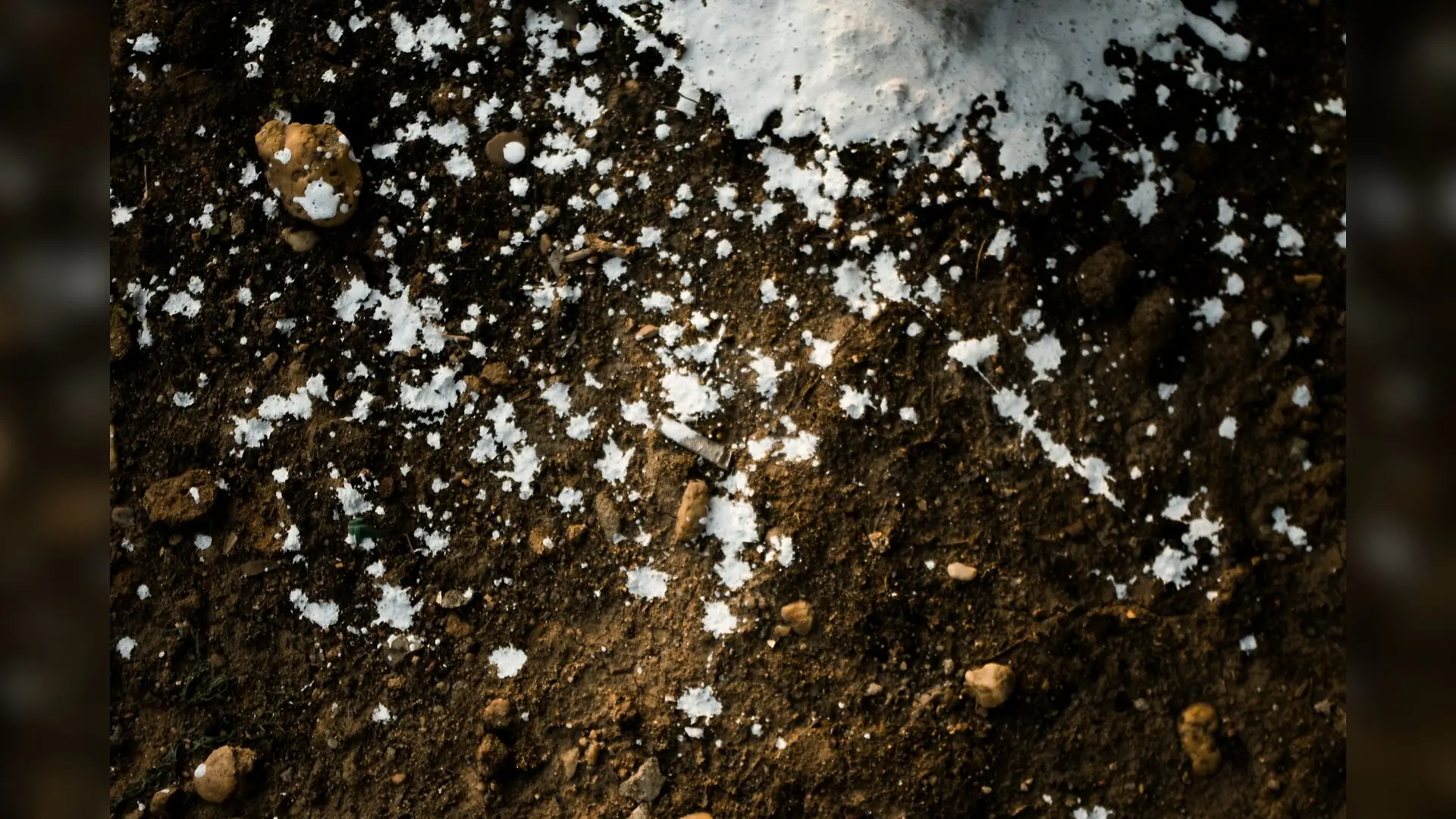
To capture the genetic blueprint, the research team published in Microbiology Resource Announcements detailing the complete sequencing of the strain. The isolation process began with a soil sample collected from a garden bed blanketed in snow in Hokkaido, Japan, at coordinates 43.0201 degrees north and 141.4182 degrees east. A three-gram aliquot of the soil was mixed in water, shaken, and passed through a sterile 0.45-micrometre syringe filter to capture filterable microorganisms.
The resulting filtrate was plated onto a diluted marine broth agar medium and incubated at 20 degrees Celsius for three weeks. After amplifying and sequencing the 16S ribosomal RNA gene fragments to identify the isolate, the team selected strain NO84 for full genomic analysis due to its distinctive chain-like vesicle production.
What Does the Complete Genetic Blueprint Reveal About Strain NO84?
Genome sequencing revealed that strain NO84 possesses a single circular chromosome containing 4,125,118 base pairs with a guanine-cytosine content of 38.5 percent. The assembly yielded an estimated genome completeness of 99.49 percent with zero contamination. Within this genetic sequence, the researchers identified 3,626 total genes, including 3,585 protein-coding sequences, six ribosomal RNA genes, and 35 transfer RNA genes.
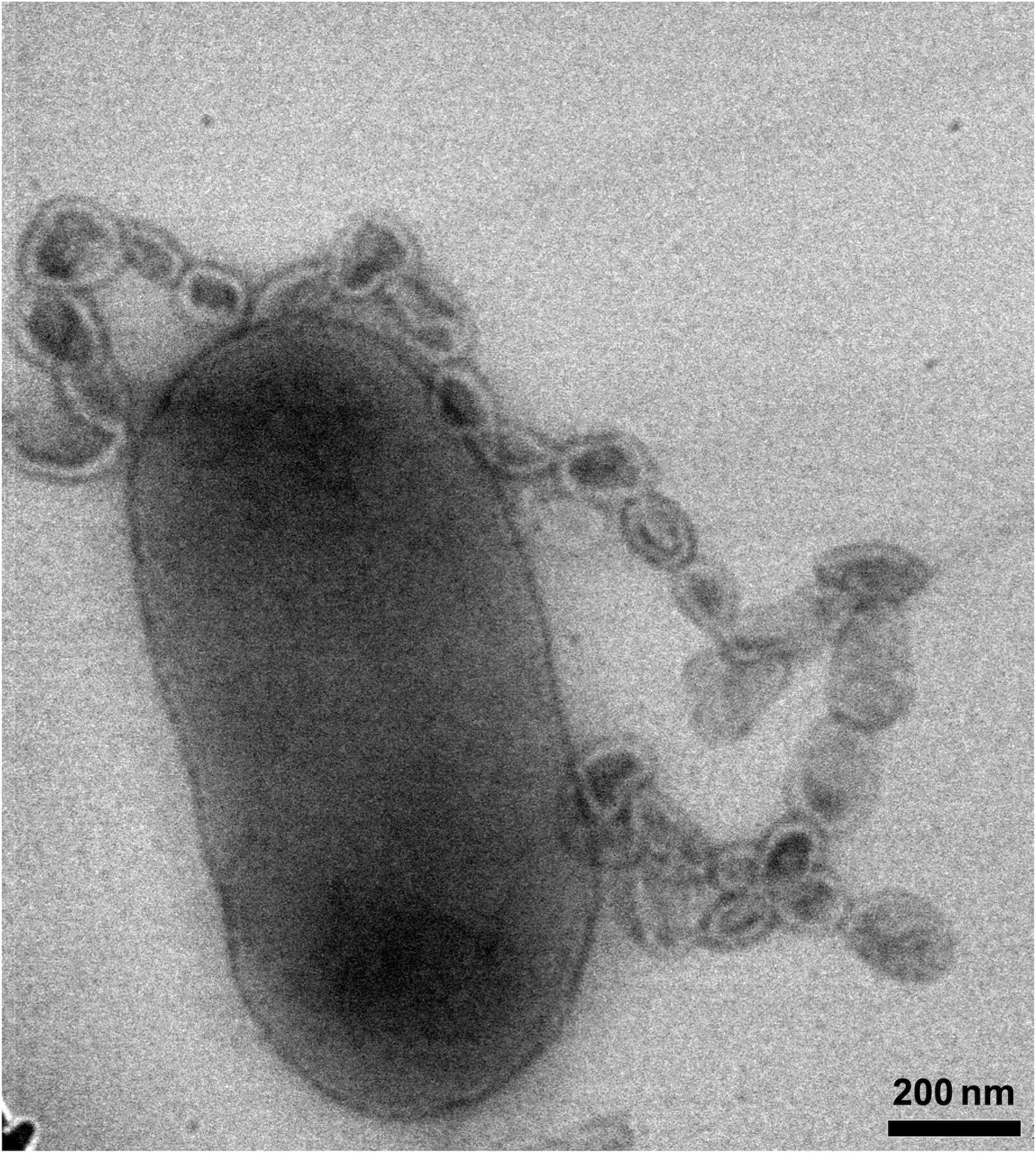
When comparing the genetic sequence against established bacterial databases, the team found that the closest known relative is Pedobacter xixiisoli, sharing a 95.70 percent similarity in its ribosomal RNA gene sequence and a 72.29 percent average nucleotide identity. Transmission electron microscopy confirmed that the cells secrete elongated chains of membrane vesicles from their outer surface when grown statically in nutrient broth.
Why Do These Chain-Like Vesicles Matter for Biotechnology?
While bacterial membrane vesicles are heavily studied for drug delivery and industrial synthesis, the exact molecular machinery that builds chain-like structures remains poorly understood. Recent scientific approaches utilizing curvature-sensing peptides have been proposed to help identify the specific genes responsible for shaping these membrane outgrowths. The newly published genome provides a foundational reference for exploring how strain NO84 controls this vesiculogenesis process.
By mapping every gene in this snow-soil bacterium, researchers now have a stable baseline to investigate how these physical chains form and how they might be harnessed for external chemical reactions. Future studies can use this genomic data to engineer similar bacterial strains for large-scale industrial enzyme production, turning cold-adapted soil microbes into efficient cellular factories.
The research was published in Microbiology resource announcements on October 15, 2026.
This article has been fact checked for accuracy, with information verified against reputable sources. Learn more about us and our editorial process.
Last reviewed on .
Article history
- Latest version
Reference(s)
- Makino, Ayaka., et al. “Complete genome sequence of Pedobacter sp. strain NO84, a chain-like vesicle-producing bacterium.” Microbiology Resource Announcements, vol. 15, no. 11, November 12, 2026 American Society for Microbiology, doi: 10.1128/mra.00501-26. <https://doi.org/10.1128/mra.00501-26>.
Cite this page:
- Posted by Michael Ellison