Scientists Discover Major Hidden Weakness In The Malaria Parasite That Could Stop Relapses
Scientists have announced a landmark discovery that promises to fundamentally reshape our understanding of the field and trigger a major scientific shift.
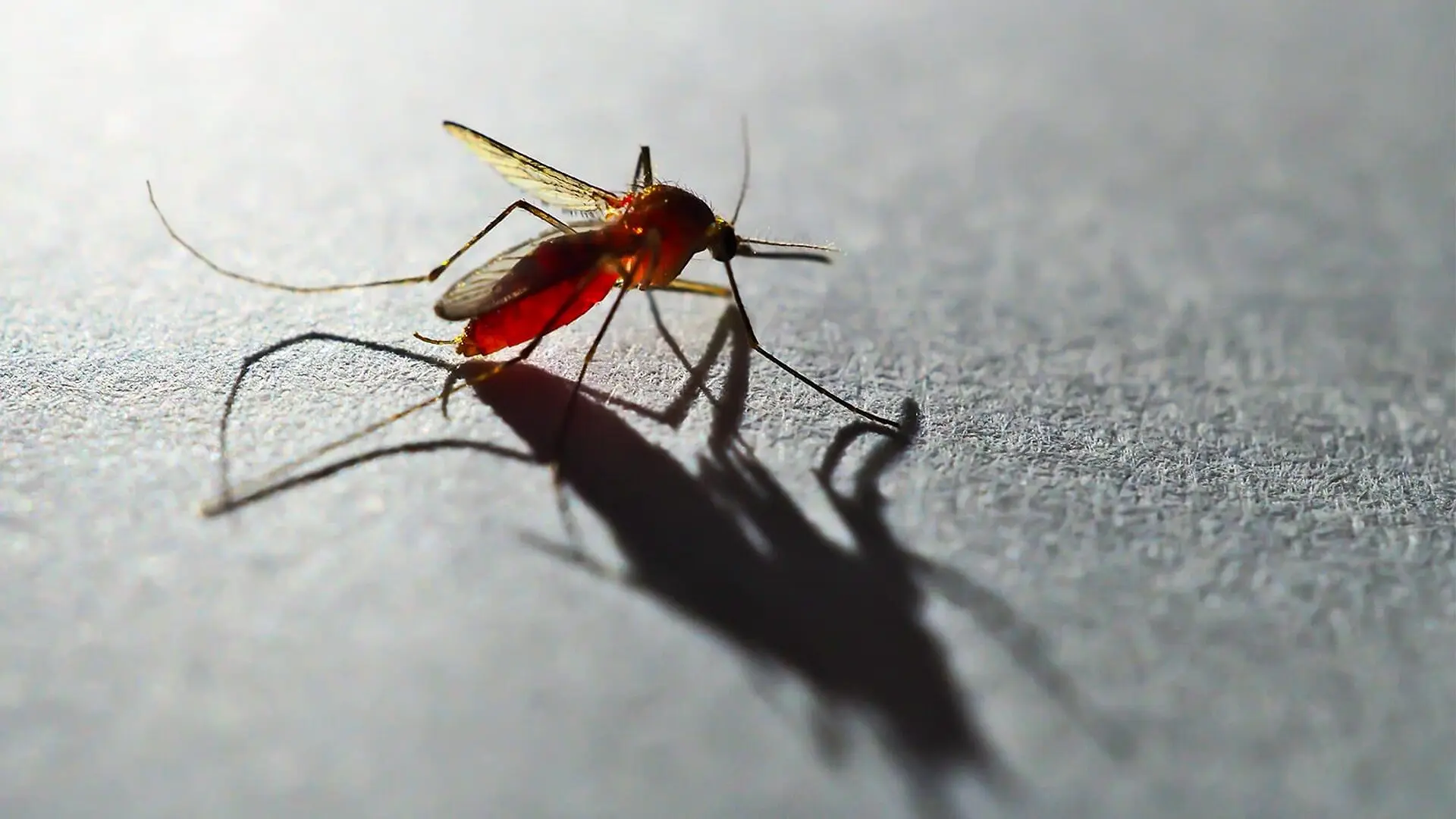
A team of researchers has uncovered a critical structural vulnerability in Plasmodium vivax, the most prevalent malaria parasite found outside of sub-Saharan Africa. By identifying a previously unknown site on the parasite’s surface protein, scientists have revealed a potential pathway for neutralizing the pathogen before it can establish a foothold in the human liver.
The findings, recently published in the journal Immunity, describe a specific region on the circumsporozoite protein (CSP) that acts as an “Achilles’ heel.” When targeted by antibodies, this site prevents the parasite from successfully invading liver cells. Because P. vivax is notorious for its ability to lie dormant in the liver—often for months or even years—blocking this initial infection phase is essential for halting the cycle of relapse that drives most transmission.
Breaking a Four-Decade Stalemate
For more than 40 years, efforts to effectively target the CSP surface antigen in P. vivax have largely stalled. Noah Sather, a professor at the University of South Florida’s College of Public Health, described the discovery as a paradigm-shifting advancement in malaria research. According to Sather, roughly 75 percent of P. vivax cases stem from these dormant liver infections rather than direct bites from mosquitoes carrying the parasite. By stopping the parasite from embedding itself in the liver, a vaccine utilizing this new target could theoretically cut off the primary source of both disease and ongoing transmission.
An Unexpected Scientific Convergence
The discovery was the result of a rare, independent convergence of two distinct research paths. John Adams, a parasitologist at the University of South Florida, had been studying natural immunity and large-scale associations in human populations to identify the target. Meanwhile, Sather, then working at the University of Washington and the Seattle Children’s Research Institute, was conducting a molecular-level breakdown of the parasite’s structure.
The two groups were unaware of each other’s progress until a chance meeting at a USF conference. “I was breaking it down atom by atom and molecule by molecule, and Dr. Adams was taking a large-scale, natural immunity associative approach,” Sather noted. “Together, our data fit together like puzzle pieces to complete a very complicated picture.”
A New Direction for Malaria Vaccines
While Plasmodium falciparum—the parasite responsible for the most severe forms of malaria in sub-Saharan Africa—has historically commanded the majority of global research funding, P. vivax remains a significant public health burden across Southeast Asia and the Americas. The parasite’s ability to “hide” in the liver and cause recurring bouts of fever and illness has made it a particularly difficult target for eradication efforts.
The research team is now focused on translating this molecular breakthrough into practical vaccine formulations. Although clinical trials in humans are still several years away, the identification of this specific inhibitory epitope provides a clear, actionable roadmap for future development.
This article has been fact checked for accuracy, with information verified against reputable sources. Learn more about us and our editorial process.
Last reviewed on .
Article history
- Latest version
Reference(s)
- Visweswaran, Ganesh R.R.., et al. “Targeting a site of vulnerability on circumsporozoite protein inhibits Plasmodium vivax malaria infection.” Immunity, September 1, 2026 Elsevier BV, doi: 10.1016/j.immuni.2026.09.001. <https://doi.org/10.1016/j.immuni.2026.09.001>.
Cite this page:
- Posted by Tariq Hassan