New Study Reveals Why The Theory Behind Exploding Squid Populations Is Likely Wrong
New research challenges the theory that warming oceans drive squid population booms, suggesting rising temperatures may actually decrease global biomass.
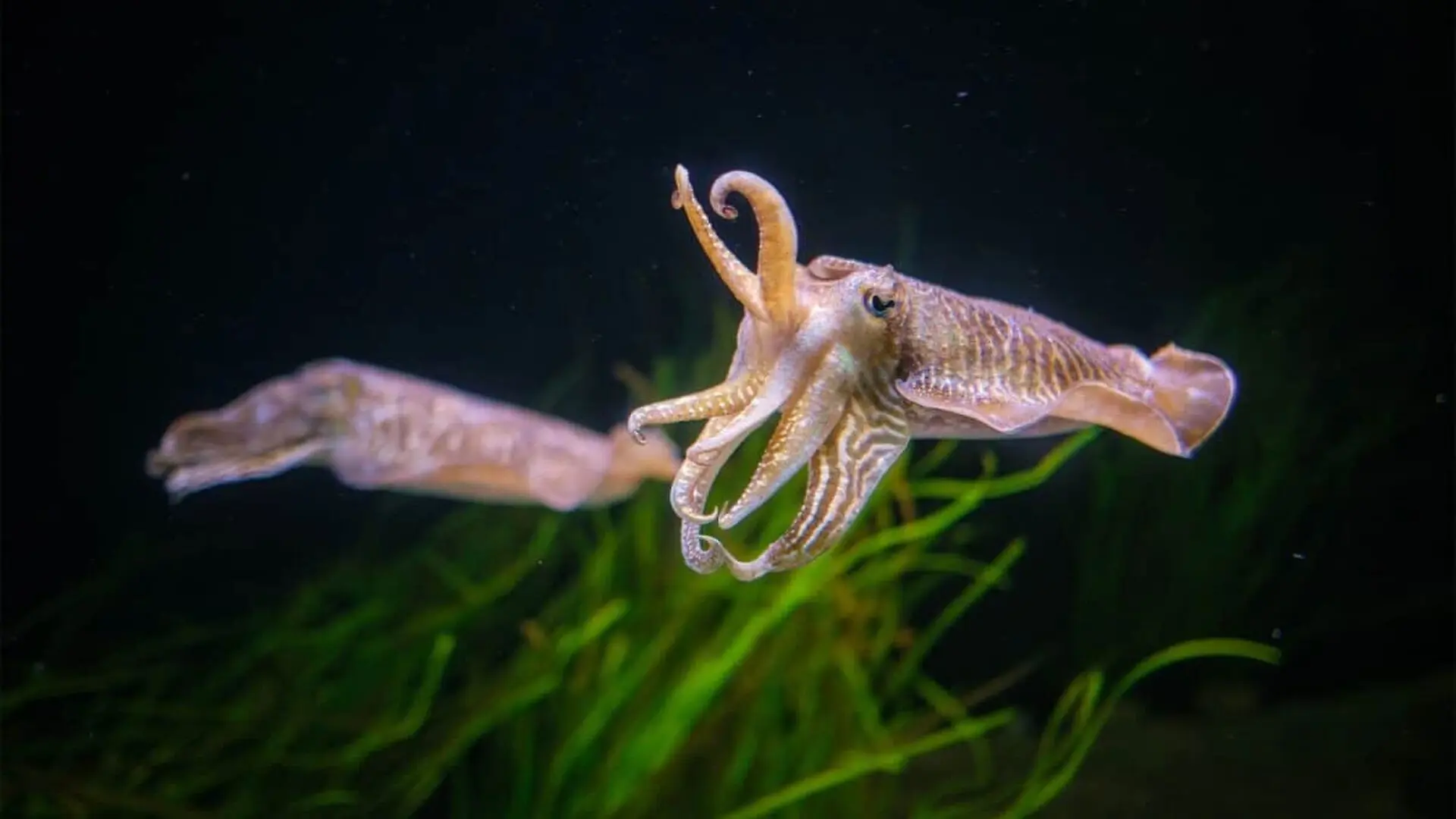
New research is challenging long-standing assumptions regarding why cephalopod populations have surged across global oceans over the past several decades. While previous studies often attributed the rise of squid to a combination of overfishing and climate-driven ocean warming, a fresh analysis suggests that the reality of marine food web dynamics is far more nuanced, with nutrient availability emerging as a critical, and often overlooked, driver.
Rethinking the Mechanisms Behind Cephalopod Proliferation
A seminal 2016 study documented a steady increase in cephalopod abundance spanning nearly 60 years. At the time, the observation that these populations were expanding in both fished and unfished waters led scientists to speculate that external pressures like warming temperatures and the removal of apex predators were the primary catalysts. However, a new investigation led by marine biologist Rémy Denéchère provides a more critical look at these assumptions.
Using the FEISTY-squid ecosystem model—a computational tool designed to simulate complex interactions between squid, various fish species, and their shared prey—the research team sought to untangle the factors influencing biomass shifts. While the findings currently exist as a preprint and await peer review, the data suggests that squid are not simply passive beneficiaries of a changing ocean.
The Limits of Ecological Opportunism
The simulations demonstrate that while the decline of large predators does offer some competitive advantage to squid, it does not lead to a total ecosystem takeover. In both shelf and open-ocean models, the removal of top-tier predators resulted in only modest gains for squid biomass. Instead of filling the exact niche left behind by apex fish, squid populations saw a secondary benefit: the explosion of smaller forage fish that accompanied the loss of larger predators.

Crucially, the model highlights internal population checks. As squid populations grew, they increasingly turned to cannibalism, effectively capping their own expansion. These results indicate that squid are more heavily regulated by “bottom-up” factors, such as the local concentration of prey, than by the simple presence or absence of top-level predators.
Metabolic Constraints in a Warming Ocean
Perhaps the most significant finding concerns the impact of rising temperatures. While warming is often cited as a potential driver for cephalopod success, the simulation suggests the opposite: a 2-degree Celsius increase in water temperature led to a decline in squid biomass. This is primarily due to the physiological toll of heat, which raises basal metabolic rates and energy requirements for food-seeking behavior.
According to the authors, squid struggle to compensate for these increased metabolic demands if the surrounding food supply does not increase proportionally. This creates a physiological “mismatch” that can hinder rather than help the animals. While the model has known limitations—such as its treatment of temperature across water depths—it underscores that warming is not a universal boon for all marine life.
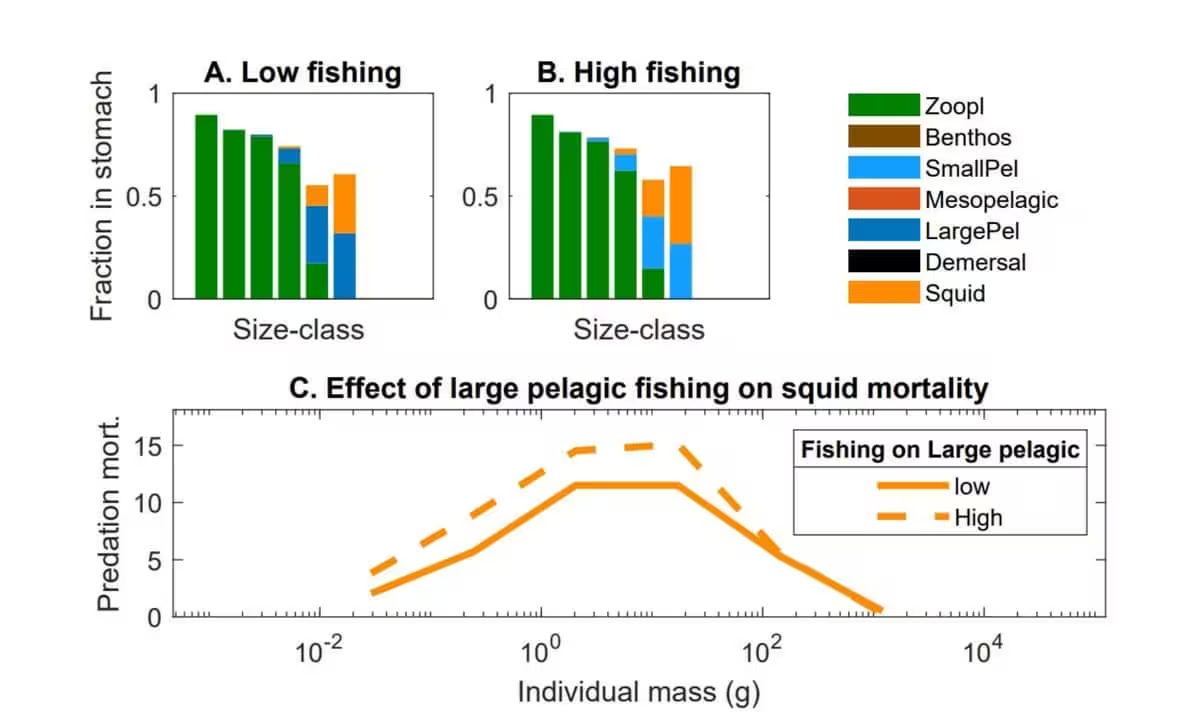
The researchers emphasize that the historical success of squid is likely tied to their remarkably rapid life cycles, which allow them to exploit short-term environmental windows. By growing up to five times faster than their fish counterparts, they can adapt quickly to ecosystem disturbances. However, this evolutionary strategy comes with a trade-off: it makes them highly susceptible to resource fluctuations. The emerging consensus suggests that squid populations are dictated by a complex interplay of environmental costs and food security, rather than a simple, warming-induced boom.
This article has been fact checked for accuracy, with information verified against reputable sources. Learn more about us and our editorial process.
Last reviewed on .
Article history
- Latest version
Reference(s)
- “Rémy Denéchère.” <https://scholar.google.com/citations?user=MBLNLUgAAAAJ&hl=fr>.
- , doi: 10.64898/2026.08.30.748117v1. <https://www.biorxiv.org/content/10.64898/2026.08.30.748117v1>.
Cite this page:
- Posted by Divya Iyer