NASA Roman Telescope Connects to Falcon Heavy Launch Set for August 30 Nine Months Early
NASA’s Roman Space Telescope moves into final Falcon Heavy integration, nine months early, aiming for an August launch.
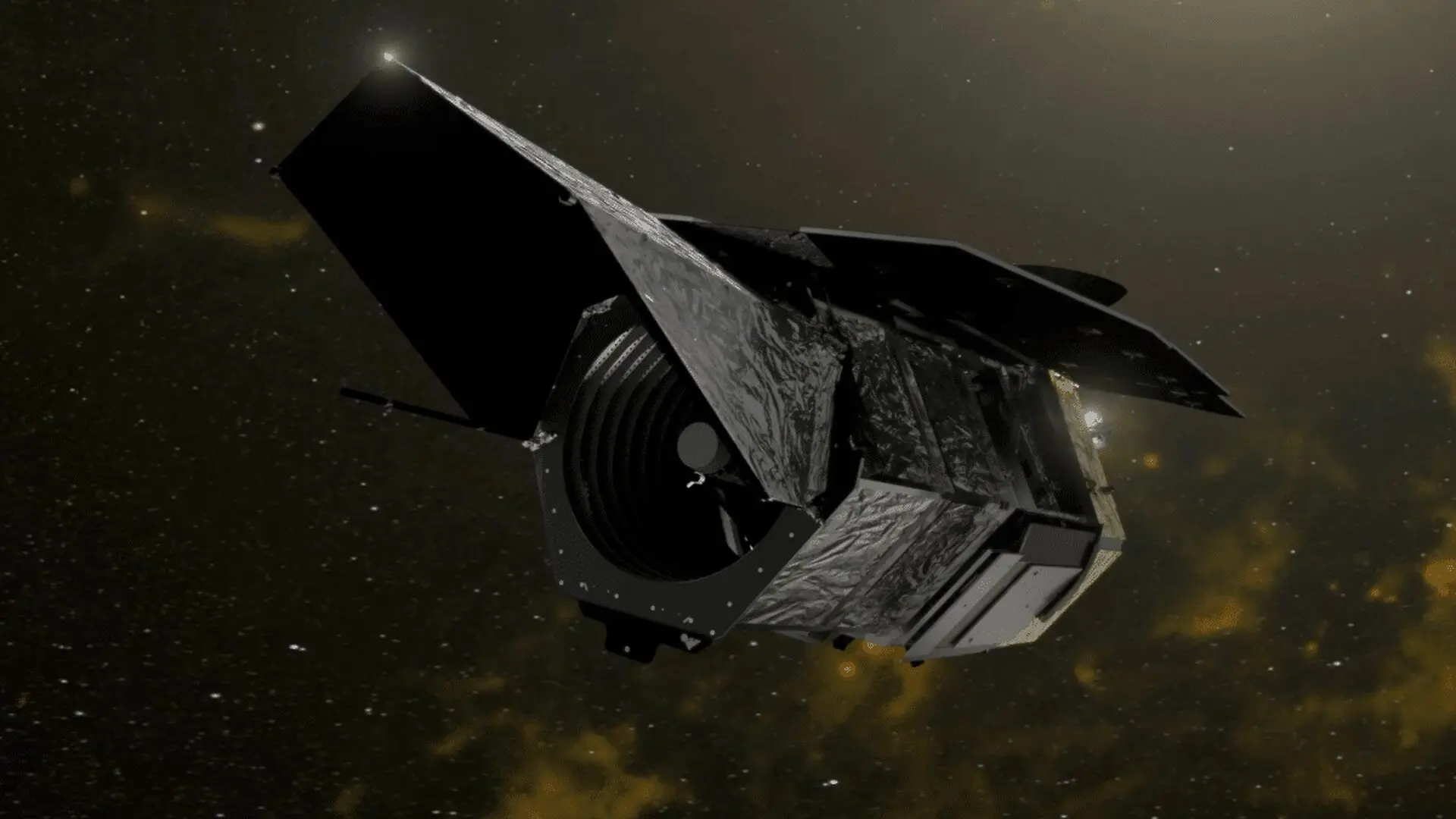
NASA’s Nancy Grace Roman Space Telescope is moving through a critical stage of its launch campaign at Kennedy Space Center, as engineers begin linking the observatory to the hardware that will carry it into orbit. The integration effort, performed alongside SpaceX, aims for a liftoff no earlier than 7:26 a.m. EDT on Sunday, August 30 2026, and the project remains roughly nine months ahead of its original timetable.
Integration Milestones Advance Roman Toward the Rocket
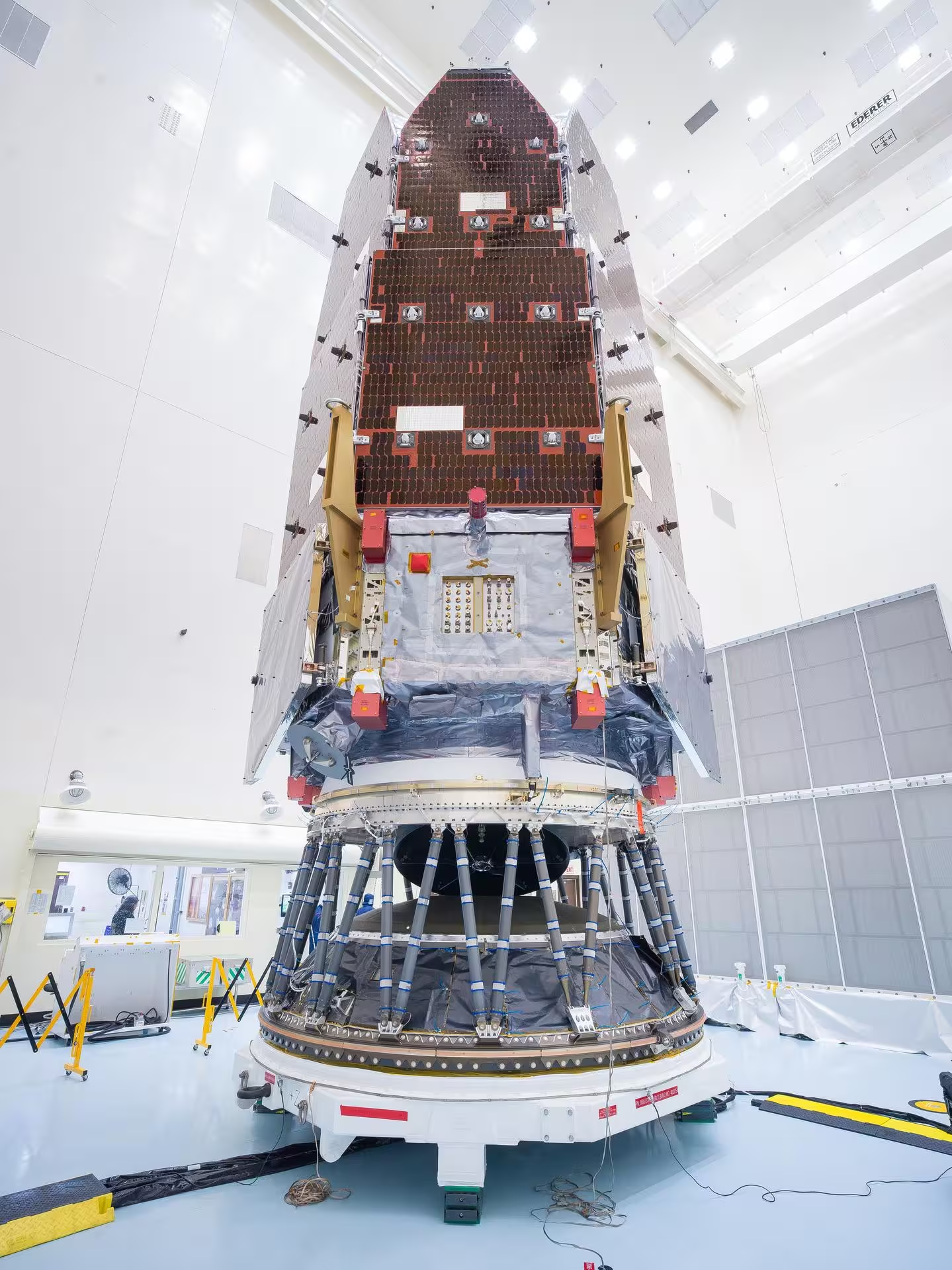
Within the Payload Hazardous Servicing Facility, technicians have already secured the telescope to its payload adapter, the component that ultimately mates the spacecraft to the launch vehicle. Following that step, the observatory was lifted onto a strut payload attach fitting, a piece of hardware designed to hold large, heavy payloads during transport.
Later this month, the entire observatory is slated to be placed inside the Falcon Heavy payload fairing, the protective shell that shields the spacecraft during ascent through Earth’s atmosphere. Once encapsulated, the fairing‑contained telescope will be moved to SpaceX’s hangar at Launch Complex 39A, where it will be integrated with the rocket that will launch it beyond Earth.
Target Launch Date Set for Late August 2026
In an update released on August 10, NASA confirmed that the launch window opens no earlier than the morning of August 30, 2026, from Launch Complex 39A at Kennedy Space Center. While the timetable remains a “no earlier than” commitment, the agency emphasized that the telescope continues to stay ahead of its original schedule.
Even with the schedule advantage, the final phases still require tightly controlled steps, including the encapsulation of the telescope, transport to the launch pad, and the ultimate integration with the Falcon Heavy launch vehicle. Each operation reduces the number of remaining milestones and brings the observatory physically closer to the launchpad.
Unveiling the Dark Universe: Dark Energy and Dark Matter
One of the primary scientific goals of the Roman telescope is to probe the mysterious forces that drive the universe’s accelerating expansion. By conducting expansive sky surveys, the observatory will collect data that could shed light on the nature of dark energy, a phenomenon that remains unexplained despite strong observational evidence of cosmic acceleration.
The telescope will also map the influence of dark matter, whose gravitational pull can be inferred from the way galaxies cluster and evolve over time. Large‑scale observations from Roman will enable researchers to trace how dark matter shapes the formation and distribution of cosmic structures.
These investigations fit into a broader effort to reconstruct the history of the cosmos, using statistical patterns across billions of galaxies rather than focusing on isolated objects.
A New Era for Exoplanet Exploration
Beyond cosmology, Roman is engineered to become a prolific exoplanet hunter, with the capacity to identify thousands of planets orbiting stars beyond the solar system. By surveying vast swaths of the sky, the telescope will build a statistical picture of planetary populations, helping scientists understand how common different types of worlds are throughout the galaxy.
The mission’s design bridges the gap between large‑scale cosmic studies and the search for worlds that might host life. While Roman itself will not directly seek biosignatures, the data it gathers will lay the groundwork for future missions that aim to examine Earth‑like planets for signs of habitability.
In addition to expanding the known catalog of exoplanets, Roman’s observations will contribute to research on galaxy evolution, dark matter, and the accelerating universe, offering a multifaceted scientific return that spans the full range of modern astrophysics.
This article has been fact checked for accuracy, with information verified against reputable sources. Learn more about us and our editorial process.
Last reviewed on .
Article history
- Latest version
Cite this page:
- Posted by Farah Siddiqui