Half‑Century‑Old Museum Skull Reveals Complete Anatomy of Ancient Saber‑Toothed Cat
A museum fossil overlooked for 50+ years yields the first complete saber‑toothed cat skull, rewriting its evolutionary history.
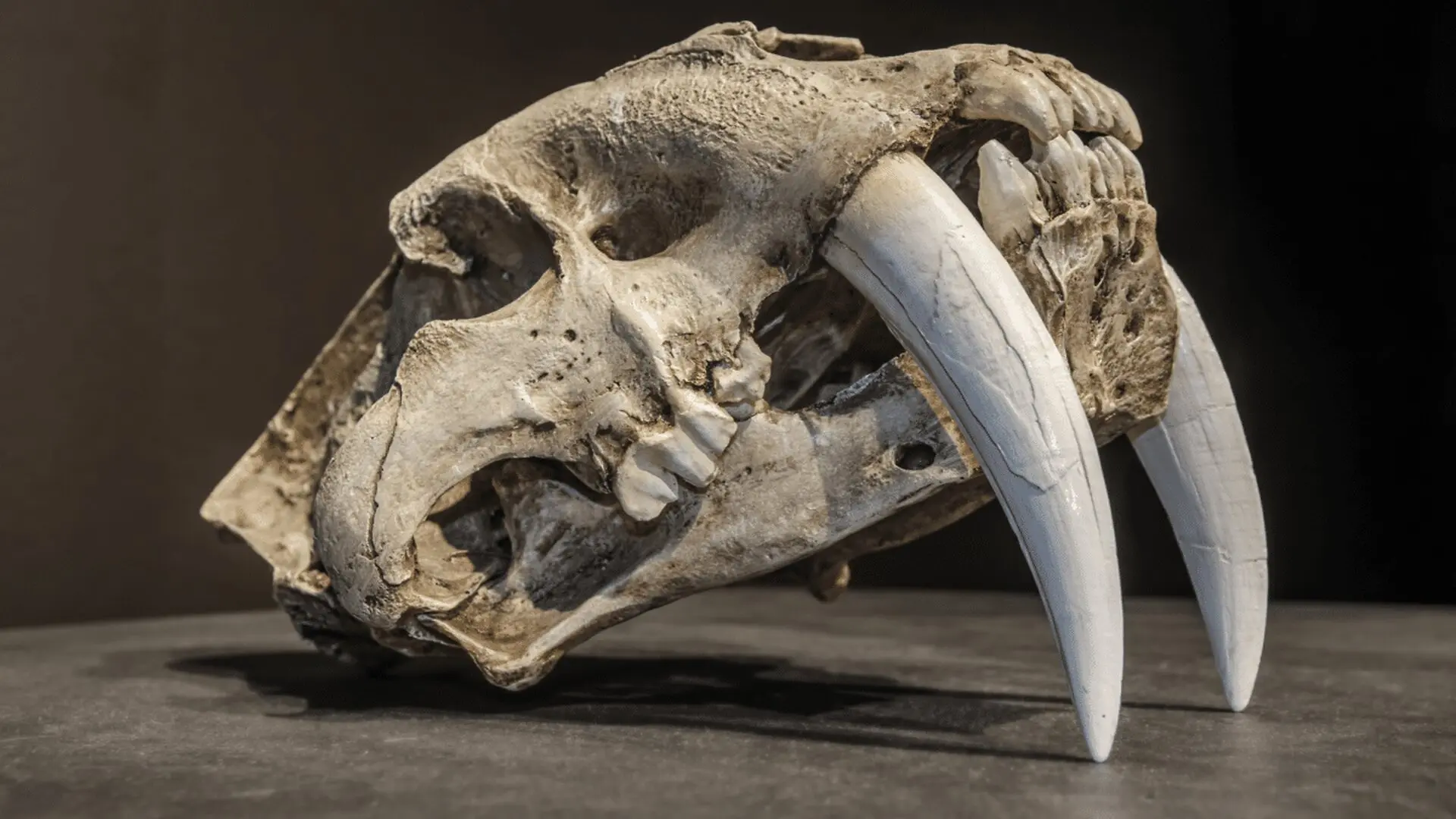
A skull that spent more than fifty years concealed in a museum drawer has now reshaped scientists’ view of an ancient saber‑toothed cat, exposing features never seen before. The find, detailed in the Journal of Vertebrate Paleontology, underscores how overlooked specimens can still rewrite the story of life on Earth.
From Storage Drawer to Scientific Breakthrough
For decades the fossil lay quietly in a drawer at the American Museum of Natural History in New York, bearing a generic label of Pseudaelurus, a catch‑all term used for cat‑like remains whose precise lineage was unclear. The label went unchallenged for more than half a century until paleontologist Narimane Chatar uncovered the remarkably intact skull while reviewing the museum’s collections in 2022 as part of her doctoral work on saber‑toothed cats.
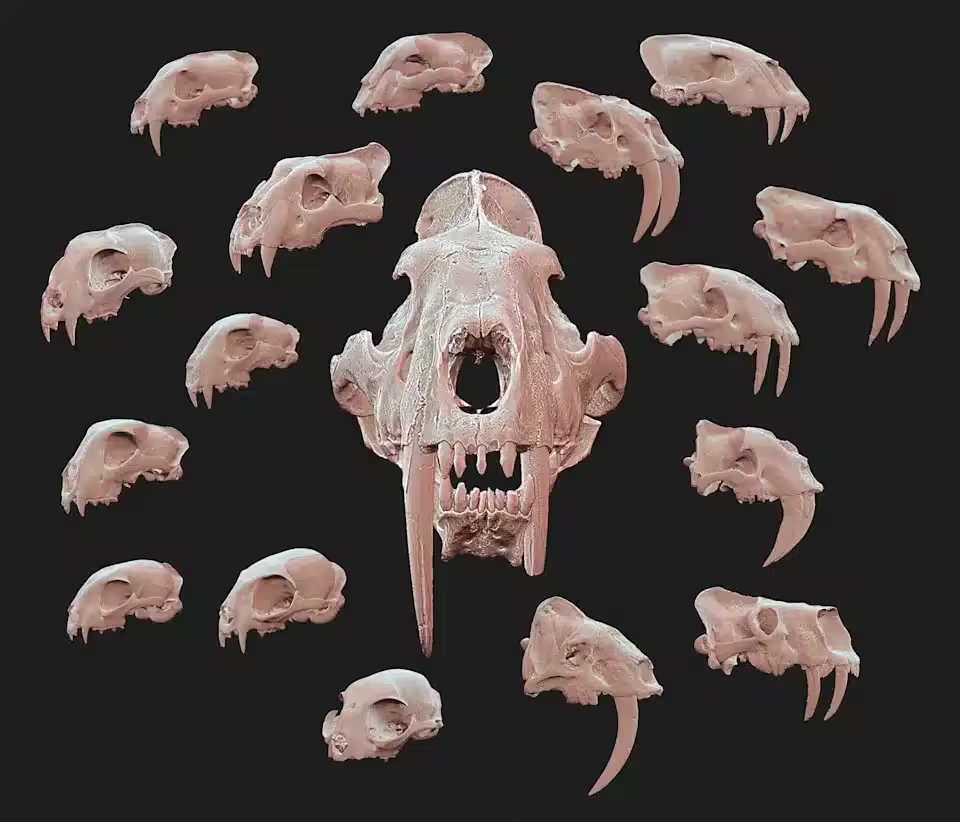
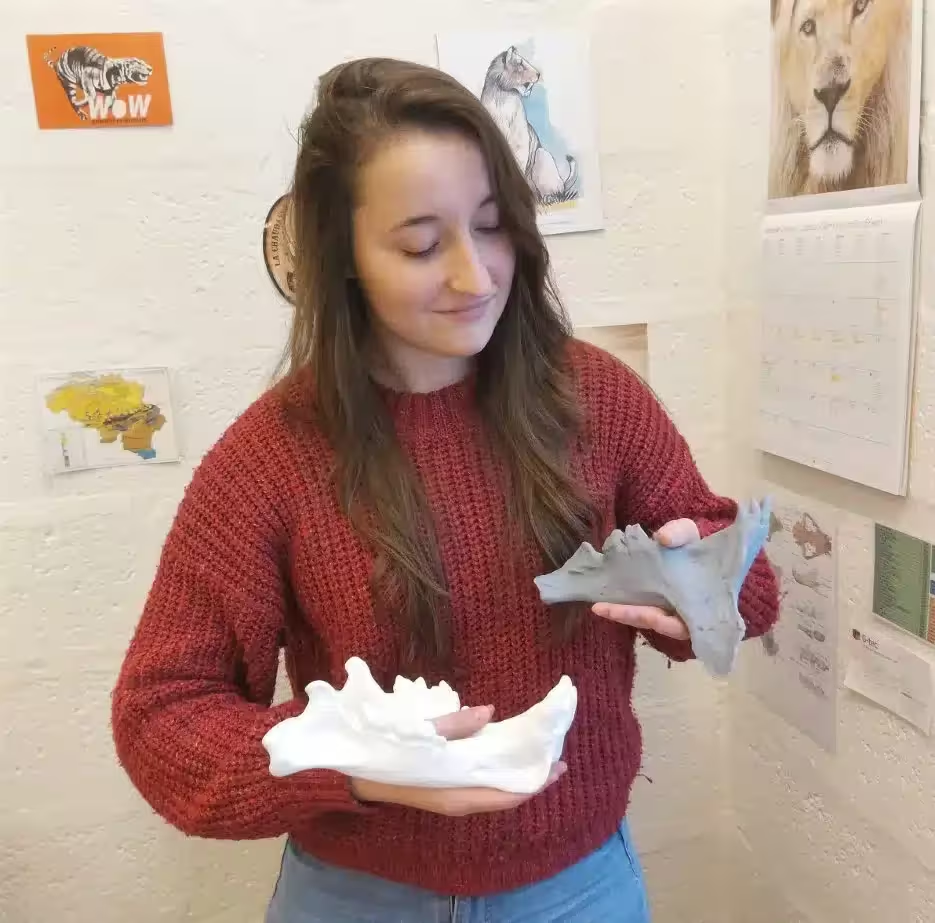
Unlike the fragmented bones that typically define extinct species, this specimen preserved an almost complete cranium. Recognising the potential for a detailed anatomical study, Chatar set aside the fossil for later analysis. When she later revisited the scans she had taken, she generated high‑resolution 3D models and compared them with skulls housed in institutions worldwide. The comparison confirmed her initial suspicion: the skull belonged to Adelphailurus kansensis, a puma‑sized saber‑toothed cat that roamed western North America over five million years ago. Prior to this discovery the species was known only from isolated jaws and teeth, leaving its overall skull morphology a mystery.
A Complete Skull Illuminates Saber‑Tooth Evolution
The identification does more than correct a museum tag. Published in the Journal of Vertebrate Paleontology, the study provides the first full view of the cranial anatomy of Adelphailurus kansensis, filling a major gap in the evolutionary record of saber‑toothed cats. With the intact skull now accessible, researchers can compare its morphology with both earlier cat‑like predators and the later, more specialized saber‑toothed forms.
Although A. kansensis possessed enlarged upper canines, they were considerably shorter than the massive sabers of the later Smilodon. This size difference offers concrete evidence of the progressive elongation of canine teeth over millions of years. The new skull helps clarify where this species fits within the saber‑tooth family tree and illustrates the gradual anatomical changes that culminated in the iconic Ice‑Age hunters. Additionally, the specimen enabled paleoartists to render a realistic reconstruction of the animal for the first time, providing both scientists and the public with a tangible image of a creature previously known only from scattered fragments.
Why Museum Collections Remain Scientific Goldmines
The case highlights that many groundbreaking paleontological finds may not stem from fresh digs but from specimens already stored in museum cabinets, awaiting fresh eyes. Chatar notes that historical collections were often catalogued with the limited knowledge of their era, leaving room for reinterpretation.
“The specimen had been there for 50, 60 years, lost in the drawers, labelled something else,” she says. “It reminds us that it’s really important to go back to those collections and open every single drawer.”
Advances such as high‑resolution 3D scanning and digital comparative methods now allow scientists to extract new data from fossils that have long been part of museum inventories. As taxonomic frameworks improve, these repositories are evolving from static displays into dynamic research resources. A single overlooked skull can suddenly become a cornerstone for understanding an entire species.
Unanswered Questions and Future Prospects
While the skull resolves several long‑standing puzzles, much about Adelphailurus kansensis remains unknown. The paucity of post‑cranial material hampers efforts to infer its locomotion, hunting strategies, or ecological interactions with contemporaneous North American predators during the late Miocene. Additional limb bones or more complete skeletons could reveal whether the animal behaved like modern big cats or represented a distinct evolutionary experiment.
Chatar believes that further clues may already be hidden within museum storerooms. “We have little treasures hidden from the public everywhere in museums,” she remarks, emphasizing the untapped scientific potential of existing collections. “Who knows, maybe some material is waiting to be discovered in another museum.” If her prediction proves true, the rediscovered skull could be the first of a new wave of insights emerging not from fresh fieldwork but from forgotten drawers that still hold chapters of Earth’s deep past.
This article has been fact checked for accuracy, with information verified against reputable sources. Learn more about us and our editorial process.
Last reviewed on .
Article history
- Latest version
Cite this page:
- Posted by Hassan Raza