Ancient 19-Meter Octopus Unveiled From Fossil Jaw Remains
Fossils reveal a 19‑meter marine predator that once ruled prehistoric seas, highlighting the size and power of ancient ocean life.
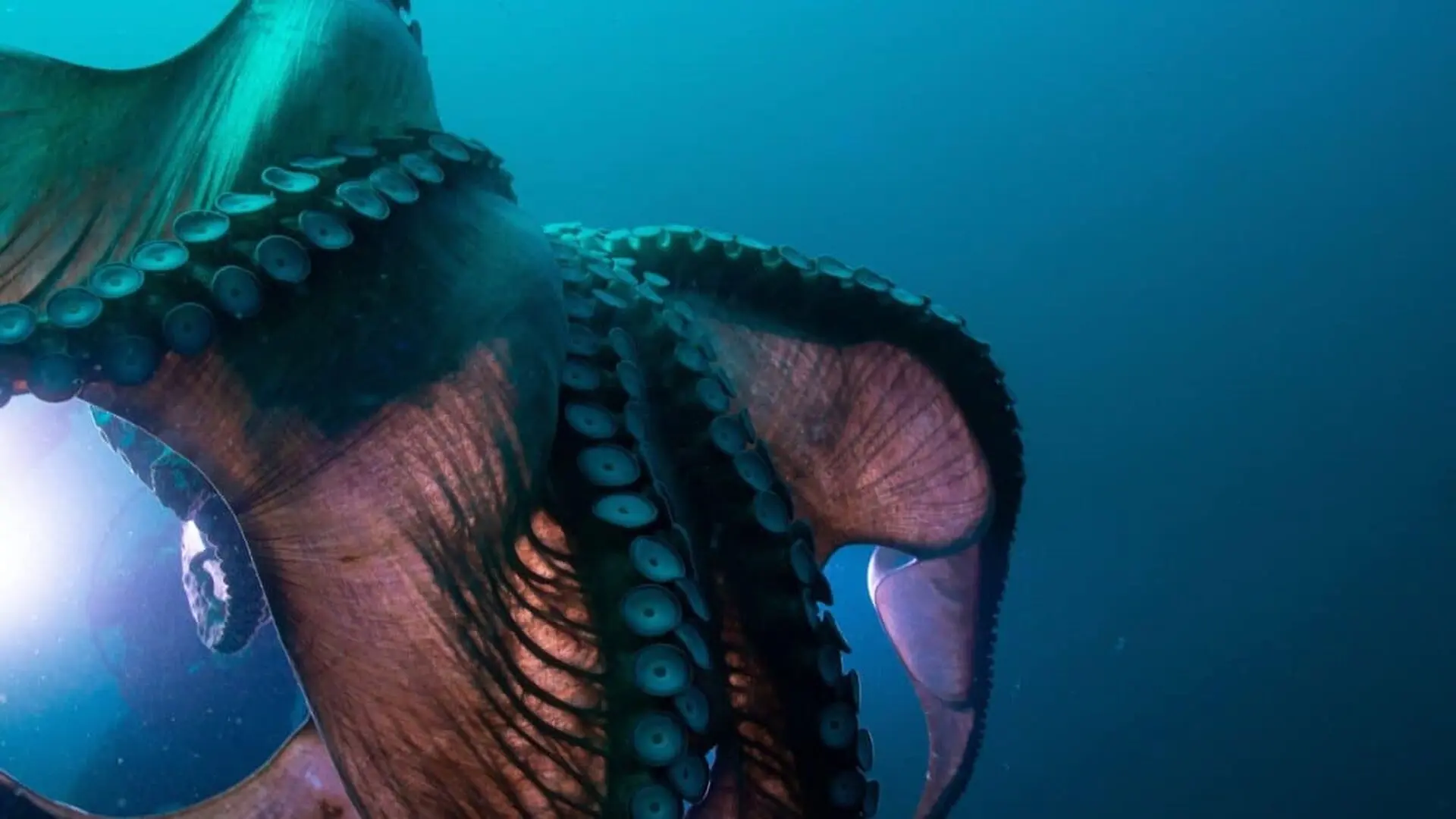
A recent analysis of fossil material points to an extinct cephalopod that may have measured close to 19 meters (about 62 feet) in total length, ranking it among the biggest marine hunters of the Late Cretaceous. The findings, published in Science, are based primarily on jaw fragments assigned to the species Nanaimoteuthis haggarti.
While the Cretaceous seas are known to have hosted formidable predators such as mosasaurs and large sharks, evidence for gigantic cephalopods has been scarce because their soft bodies rarely fossilize. Paleontologists therefore rely on isolated remains to infer the size and biology of these elusive animals.
In this study, researchers examined fossils recovered from sites in both Japan and Canada, spanning a time frame of tens of millions of years. The consistent morphology of the specimens prompted a reassessment of how massive some ancient cephalopods could have become.
Widespread Fossil Finds Reveal a Giant Cephalopod
The team analyzed 27 specimens collected from multiple localities in Japan and Canada. According to the authors, the rocks that yielded these fossils are dated to between 72 and 100 million years ago, placing them firmly in the Late Cretaceous epoch.
“Our findings suggest that the earliest octopuses were gigantic predators that occupied the top of the marine food chain in the Cretaceous,”explained Professor Yasuhiro Iba, a paleontologist at Hokkaido University.
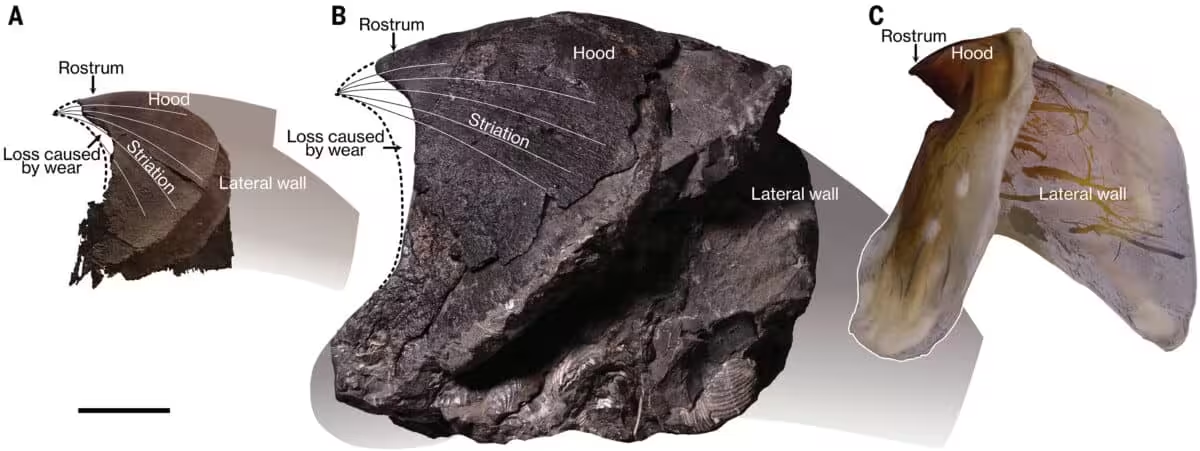
The broad geographic distribution of these remains also hints that this giant, or its close relatives, occupied a much larger portion of the ancient oceans than previously assumed.
Reconstructing Size From a Single Jaw
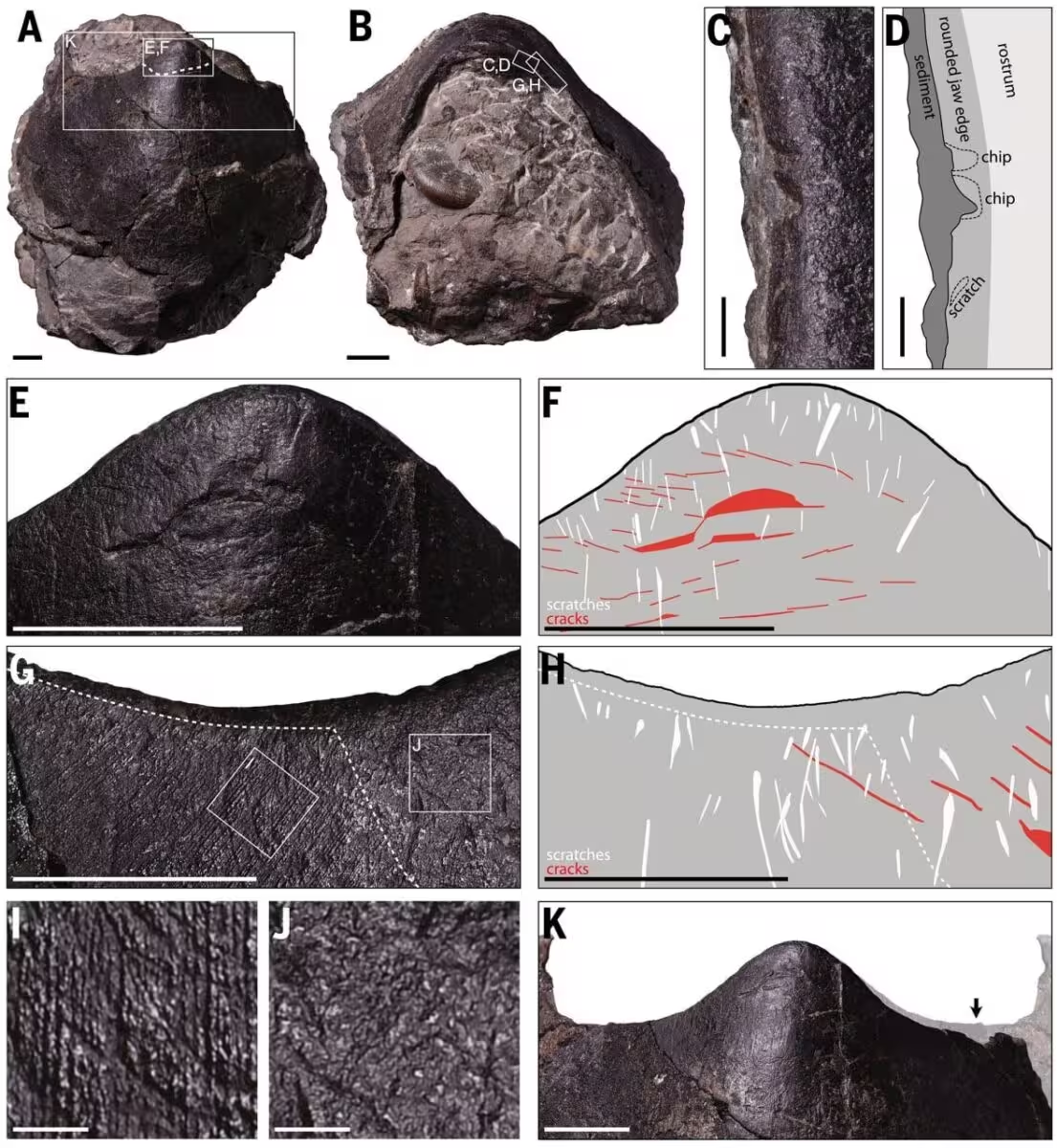
Because soft tissues rarely survive the fossilization process, the researchers focused on the jaw as the primary anatomical proxy. By employing high‑resolution scanning and digital modeling, they compared the fossil jaws with those of living cephalopods to infer overall body dimensions.
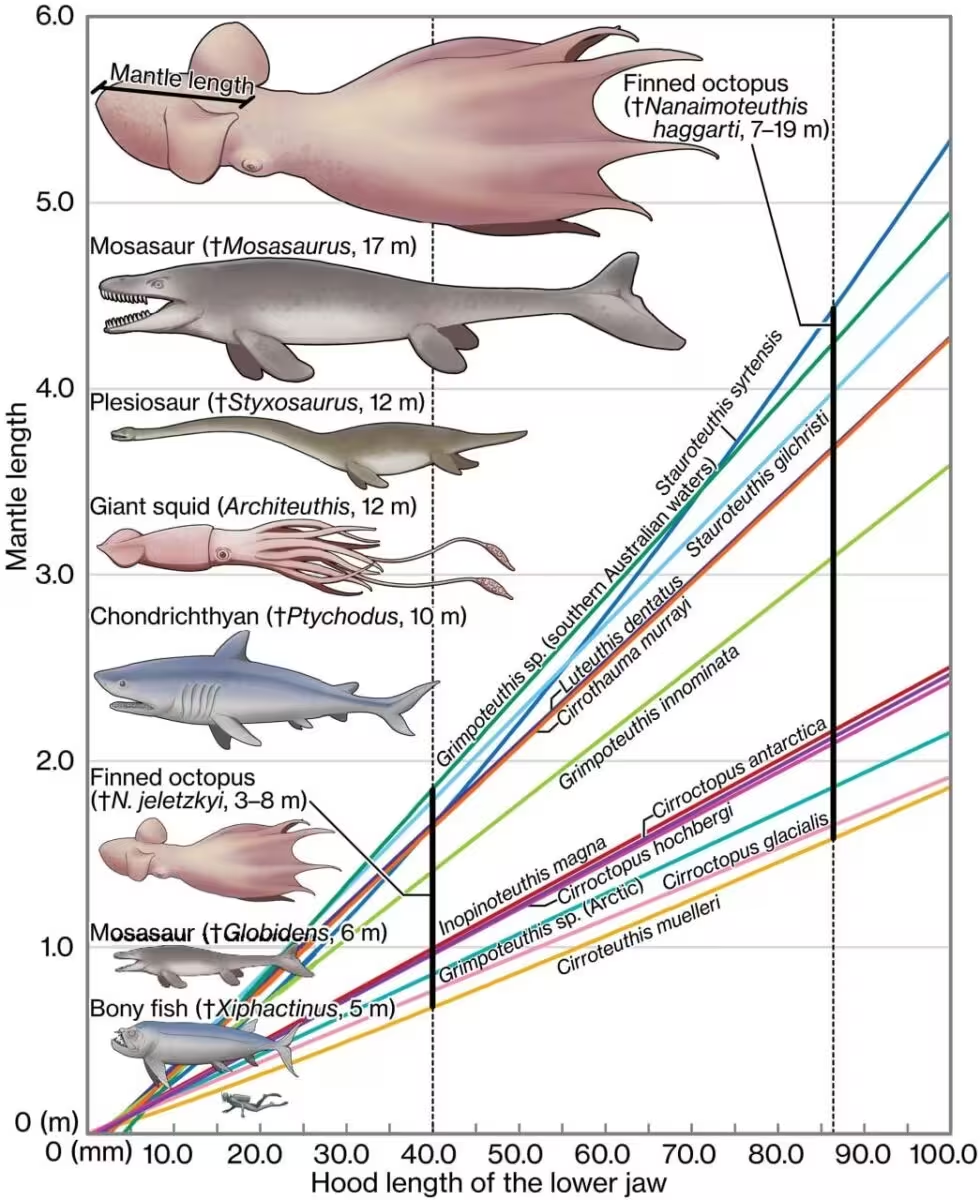
The analysis yields an estimated total length of roughly 19 meters (approximately 62 feet) for Nanaimoteuthis haggarti, based on scaling relationships derived from modern species.
For perspective, the largest modern giant squids can attain lengths of about 14 meters, already placing them among the biggest invertebrates alive today. The extinct species therefore appears to have exceeded even those dimensions, although the estimate carries inherent uncertainties linked to the reliance on comparative scaling.
Feeding Strategy of the Cretaceous Giant
Morphological assessment of Nanaimoteuthis haggarti indicates it possessed eight robust arms but lacked the elongated feeding tentacles characteristic of many contemporary squids. This anatomical arrangement likely dictated a distinct method of prey capture.
Rather than striking from a distance, the animal probably seized prey by drawing it into close proximity, using its arms and beak to grip and process the catch. The authors of the Science paper describe this as a fundamentally different predatory approach from that of most modern cephalopods.
Subtle asymmetries observed in the fossil record suggest a degree of lateralization—favoring one side of the body over the other—a trait linked in present‑day octopuses to more sophisticated behavioral patterns.
“This study provides the first direct evidence that invertebrates could evolve into giant, intelligent apex predators in ecosystems that have been dominated by vertebrates for about 400 million years,” Professor Iba said.
Contemporary marine apex predators such as mosasaurs reached lengths of around 17 meters, while the largest sharks measured roughly 10 meters. The newly described cephalopod thus joins a select group of exceptionally large Cretaceous predators, even though much of its biology must still be inferred from fragmentary evidence.
This article has been fact checked for accuracy, with information verified against reputable sources. Learn more about us and our editorial process.
Last reviewed on .
Article history
- Latest version
Reference(s)
- “IBA Yasuhiro.” Faculty of Science, Hokkaido University <https://www2.sci.hokudai.ac.jp/faculty/en/researcher/yasuhiro-iba>.
Cite this page:
- Posted by Hassan Raza