Scientists Revive Mouse Brains Frozen to -196°C, Hinting at Possible Human Applications
Frozen brain regains activity sparking hope for survival breakthroughs beyond lab experiments
A research team in Germany has managed to resuscitate slices of adult mouse brain after freezing them to minus 196 °C. The finding has sparked speculation about whether similar techniques could one day enable human hibernation or support long‑duration space missions.
If astronauts could deliberately lower their metabolic rate or enter a torpor‑like condition, future voyages to destinations such as Alpha Centauri might require far fewer supplies of food, water and equipment. Although the current work is limited to rodents, it provides a first glimpse of how living tissue can survive extreme cryogenic temperatures.
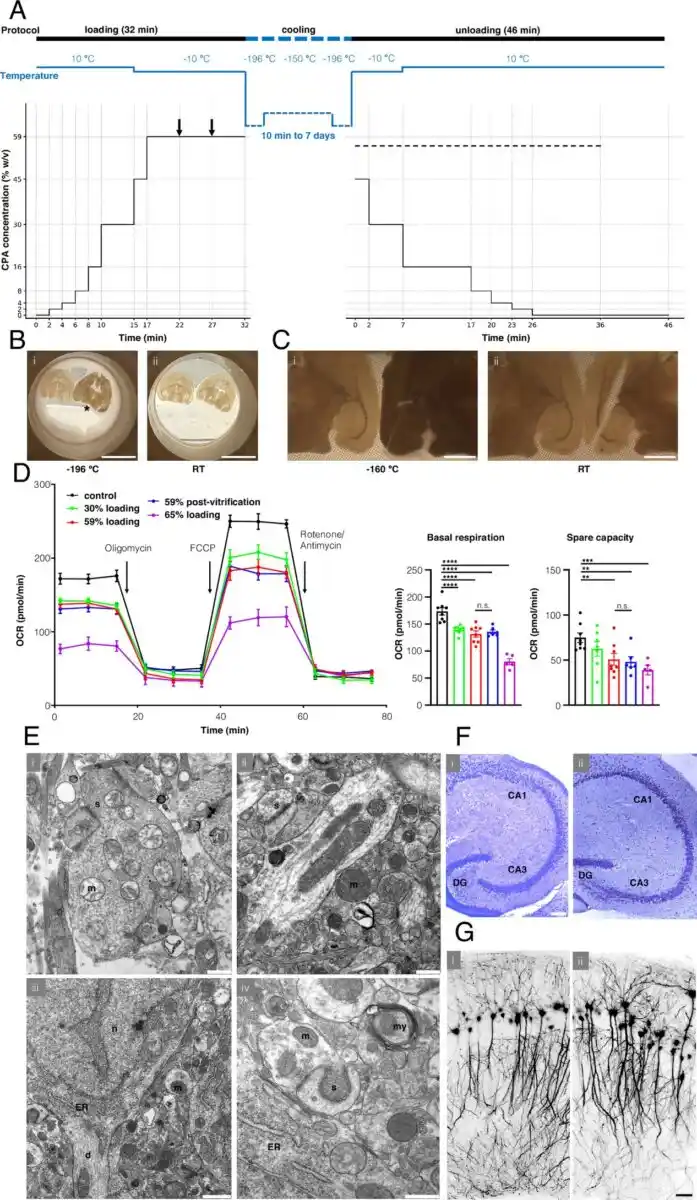
The results, published in the Proceedings of the National Academy of Sciences, examined whether adult mammalian brain tissue could recover after undergoing vitrification. This method freezes tissue so rapidly that water molecules cease moving and ice crystals do not form.
Reviving Mouse Brain Tissue After Ultra‑Cold Vitrification
Vitrification is already employed in fertility clinics to preserve human eggs. According to Alexander German, MD, the lead author at University Hospital Erlangen, hippocampal slices from adult mice not only survived the freezing process but also retained functional neurons and synapses that support learning and memory after thawing.
“Adult mouse hippocampal tissue can indeed recover after rewarming,” showing that neurons are tougher than we might have thought.
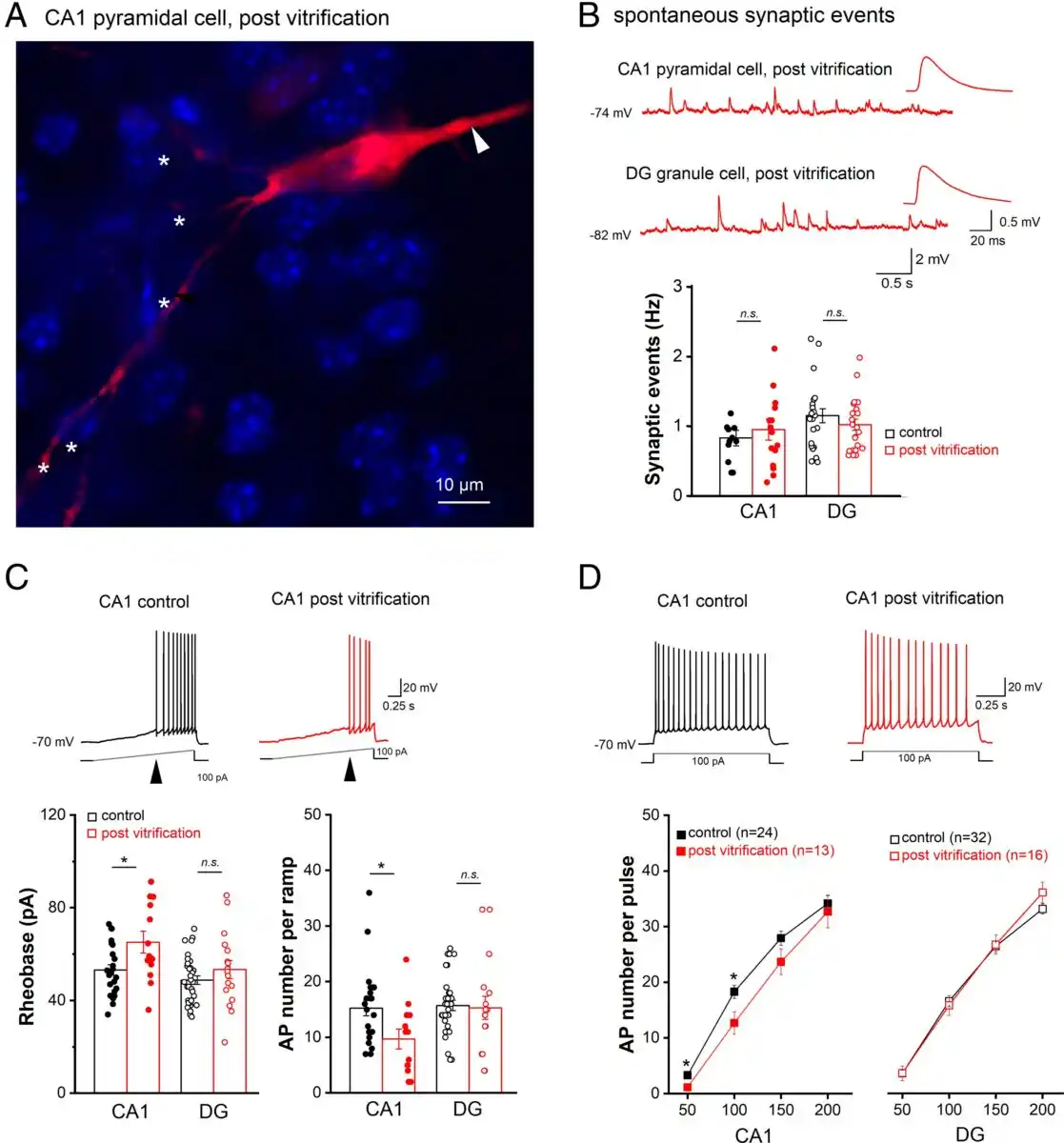
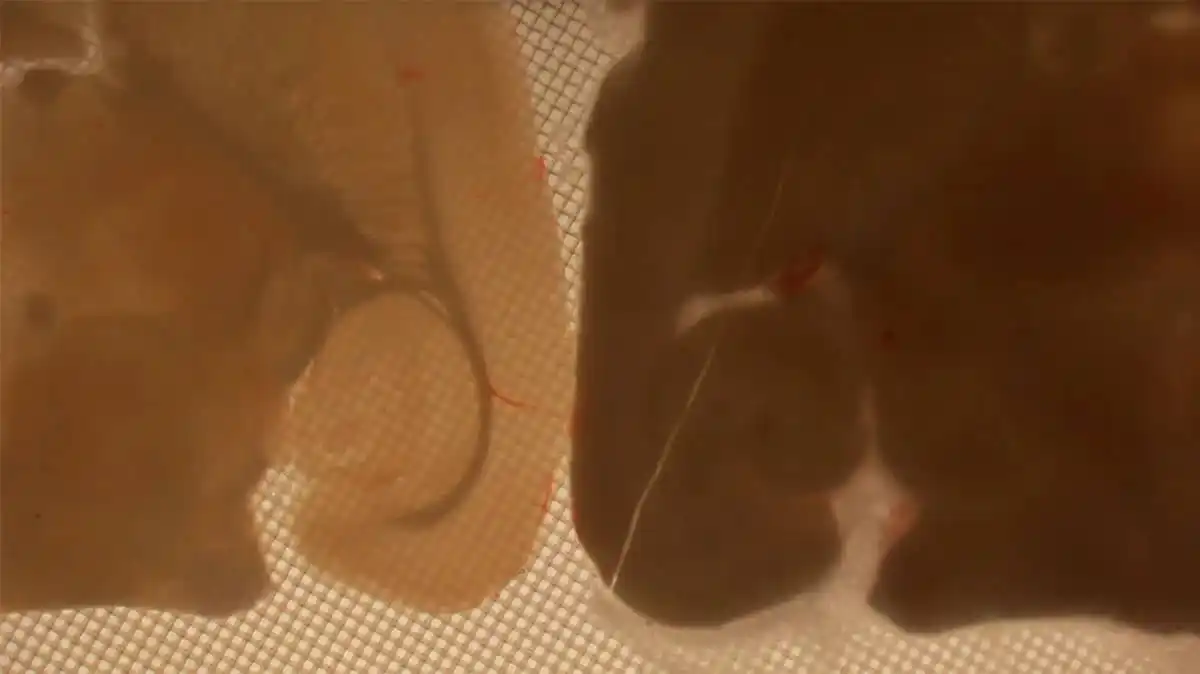
The investigators also attempted vitrification on whole mouse brains. While some signs of recovery were observed, German cautions that the outcomes are less consistent than those seen with thin slices. Nonetheless, the work demonstrates that brain tissue can endure temperatures far below those tested in conventional hypothermia experiments. Scaling the approach to human brains will require new cooling and rewarming technologies, as well as long‑term studies in larger animal models.
Insights from Natural Hibernators
To explore how humans might tolerate reduced metabolic states, researchers often turn to animals that naturally hibernate. Sandy Martin of the University of Colorado Anschutz notes that ground squirrels can awaken from hibernation using internal mechanisms even when ambient temperatures remain low. Their circulatory system slows, oxygen delivery is limited, yet their tissues survive repeated cooling‑warming cycles without lasting damage.
Martin also highlights fat‑tailed dwarf lemurs, primates that can hibernate without the need to rewarm. Although these animals are vulnerable in the wild and difficult to study, they suggest that primates may possess an inherent capacity to lower metabolism safely. Understanding these natural strategies could inform attempts to induce comparable states in humans.
Prospects for Human Torpor
The study makes clear that whole‑body vitrification remains a distant goal. German suggests that nearer‑term applications may involve milder torpor‑like conditions that temporarily pause normal biological activity. His startup, Hiber, is already preserving human brain tissue as a “biological archive” and is investigating the heart as a future target for cryopreservation and possible transplantation.
Martin emphasizes that achieving human hibernation will require years of research and substantial funding, comparable to the multi‑decade effort that tackled HIV. If a safe protocol were developed, it could dramatically reduce the logistical burden of deep‑space missions by allowing crews to conserve resources while in a dormant state. German adds:
“Our work supports [human hibernation] in a very limited sense,” he said. “If something becomes practical sooner, it may well be milder, torpor‑like states rather than whole‑body vitrification.”
Although the prospect of freezing astronauts for interstellar travel remains speculative, the mouse brain experiments show that living tissue can survive conditions once thought impossible.
This article has been fact checked for accuracy, with information verified against reputable sources. Learn more about us and our editorial process.
Last reviewed on .
Article history
- Latest version
Reference(s)
- <https://www.researchgate.net/profile/Alexander-German-3>.
- “Sandy Martin, PhD | Cell & Developmental Biology | CU Anschutz.” <https://medschool.cuanschutz.edu/cell-and-developmental-biology/faculty/sandy-martin>.
- German, Alexander., et al. “Functional recovery of the adult murine hippocampus after cryopreservation by vitrification.” Proceedings of the National Academy of Sciences, vol. 123, no. 10, March 3, 2026 Proceedings of the National Academy of Sciences, doi: 10.1073/pnas.2516848123. <https://www.pnas.org/doi/10.1073/pnas.2516848123>.
Cite this page:
- Posted by Hassan Raza