Strange Rocks Spotted Beside a Thai Pond in 2016 Turned Out to Be a 27-Tonne Dinosaur Giant from Deep Time
Massive fossil discovery rewrites prehistoric record of Southeast Asia
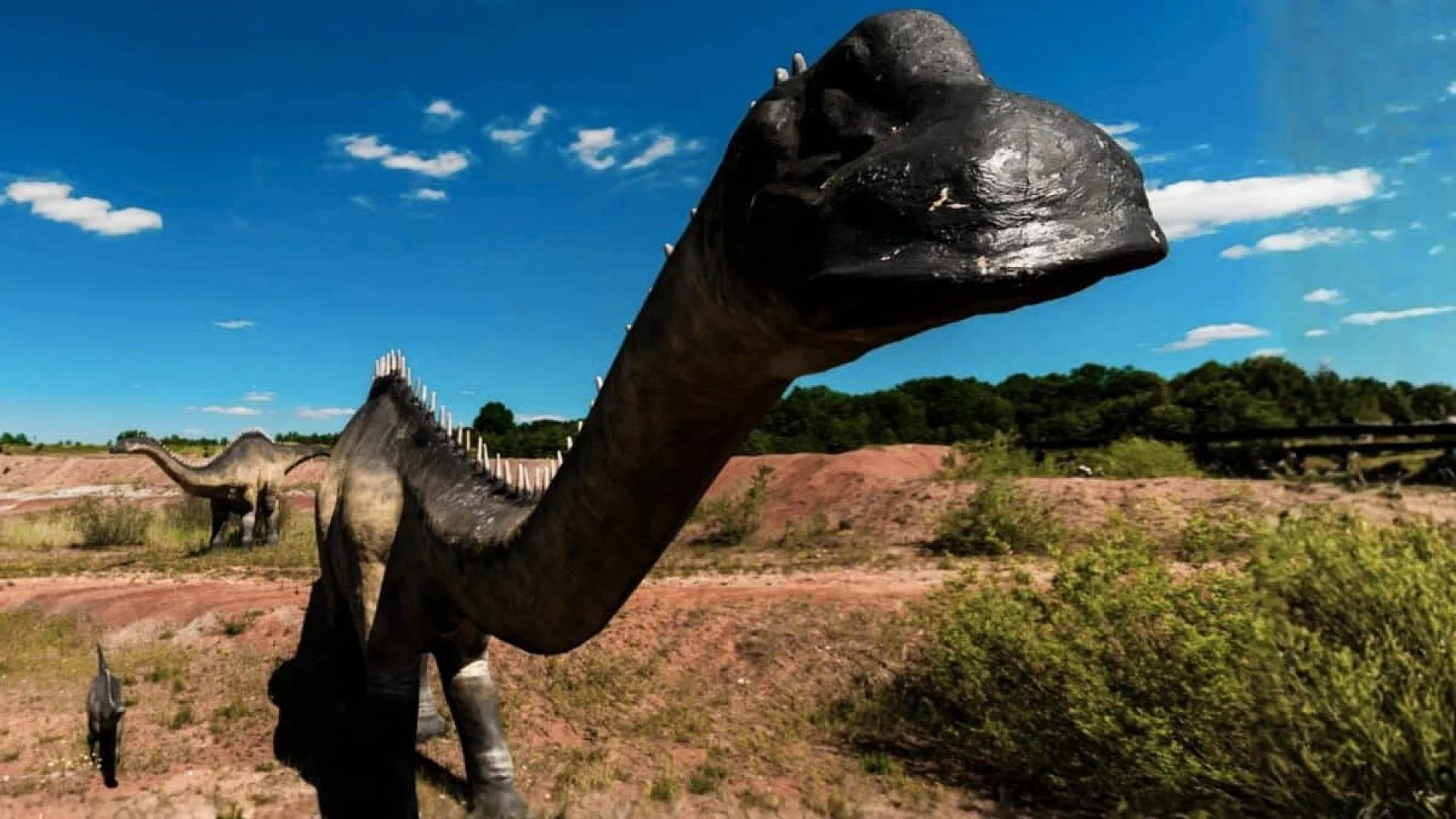
During the 2016 dry spell in northeastern Thailand, the water in a communal pond near Chaiyaphum fell low enough to reveal the shore. A local observer spotted an unusual collection of massive bones and alerted authorities, prompting paleontologists to begin a systematic excavation.
Field campaigns spanning the 2016‑2019 seasons, with additional work as recent as 2024, yielded a series of vertebrae, ribs, pelvic fragments and limb bones. After careful cleaning, reinforcement and comparative analysis against global sauropod records, the material was ready for formal description.
A peer‑reviewed article appearing in Nature Scientific Reports on 14 May 2026 identified the remains as a previously unknown long‑necked dinosaur. The taxon, named Nagatitan chaiyaphumensis, now holds the title of the biggest dinosaur discovered in Southeast Asia.
Size Estimates Put the New Sauropod at About 27 Metres
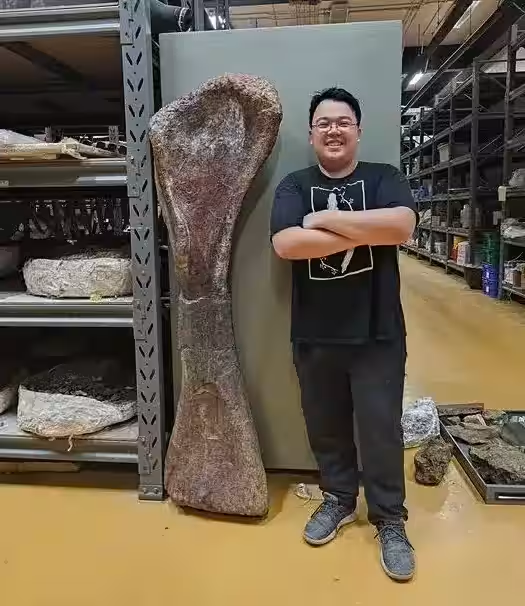
The creature belongs to the sauropod lineage, a group of gigantic, plant‑eating dinosaurs with elongated necks and tails. Researchers calculated an overall length of roughly 27 metres (around 89 feet) and an estimated mass close to 27 tonnes, comparable to nine adult Asian elephants. A single front‑leg bone, the humerus, measured 1.78 metres, underscoring its colossal stature.
Lead author Thitiwoot Sethapanichsakul, a paleontologist at University College London whose doctoral work focuses on the taxonomy and evolution of Southeast Asian sauropods, recalled that the humerus was taller than his own height when he first examined it.
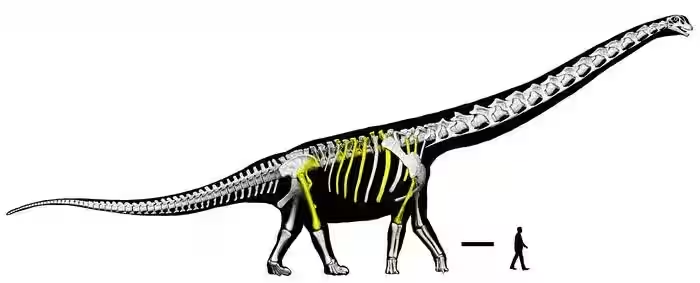
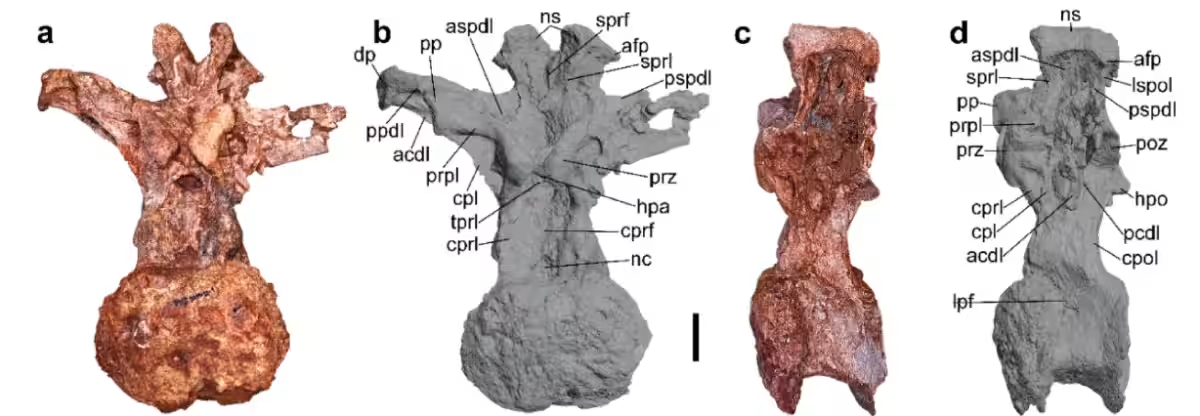
The fossil material places the species within the Euhelopodidae, an Asian‑restricted clade of long‑necked sauropods. Distinctive combinations of vertebral, pelvic and limb features set Nagatitan apart from its relatives, a conclusion reached after extensive comparison with previously described Asian taxa.
Although no skull or teeth were recovered, the team inferred feeding habits based on broader sauropod biology. The right femur, found in several fragments, would have approached two metres in length once reassembled.
Naming Draws on Local Legends and Classical Giants
The generic name merges two cultural symbols. “Naga” refers to the mythical water serpent that appears throughout Thai and wider Southeast Asian folklore, linking the dinosaur to the aquatic setting of its discovery. “Titan” evokes the giant figures of Greek myth, highlighting the animal’s extraordinary size.
The specific epithet “chaiyaphumensis” honors the province where the bones were unearthed. The research team combined expertise from Thai institutions—including Mahasarakham University, Suranaree University of Technology and the Sirindhorn Museum—with collaborators from University College London. The full description and phylogenetic analysis are available in the Nature Scientific Reports paper.
Late Cretaceous Rocks Yield a ‘Final Titan’ Nickname
The remains came from the Khok Kruat Formation, the youngest dinosaur‑bearing strata in Thailand, dating to the late Early Cretaceous (approximately 100–120 million years ago). Because subsequent deposits in the region transitioned to shallow marine environments, later rocks are unlikely to preserve large terrestrial dinosaurs, earning Nagatitan the informal moniker “the last titan.”
During the time of deposition, northeastern Thailand experienced a semi‑arid climate. The animal’s massive body and extensive surface area would have facilitated heat dissipation. The fossil site is interpreted as part of an ancient river system, suggesting the dinosaur coexisted with crocodilians, fish and pterosaur species that fed on aquatic prey.
How This Giant Stacks Up Against Other Sauropods
Within the regional fossil record, Nagatitan stands out as the largest dinosaur ever identified in Thailand and surpasses specimens from neighboring countries. Its estimated mass exceeds that of the famous Diplodocus by at least ten tonnes, according to the lead author.
On a global scale, the new sauropod is smaller than the most massive titanic dinosaurs. South America’s Patagotitan approached 60 tonnes, more than double Nagatitan’s weight, while the Asian Ruyangosaurus is estimated at around 50 tonnes. Some reconstructions of Argentinosaurus suggest a mass above 70 tonnes. Nevertheless, Nagatitan retains its distinction as the biggest dinosaur discovered in Southeast Asia.
This article has been fact checked for accuracy, with information verified against reputable sources. Learn more about us and our editorial process.
Last reviewed on .
Article history
- Latest version
Reference(s)
- Sethapanichsakul, Thitiwoot. “The first sauropod dinosaur from the Lower Cretaceous Khok Kruat Formation of Thailand enriches the diversity of somphospondylan titanosauriforms in southeast Asia - Scientific Reports.”, vol. 16, no. 1, May 14, 2026, pp. 12467 Nature, doi: 10.1038/s41598-026-47482-x. <https://www.nature.com/articles/s41598-026-47482-x>.
Cite this page:
- Posted by Hassan Raza