Workers Dug Beneath a German City and Found a 2,300-Year-Old Iron Age Structure Perfectly Preserved Under the Streets
Archaeologists discover an extraordinary Iron Age structure beneath a German city rewriting regional ancient history
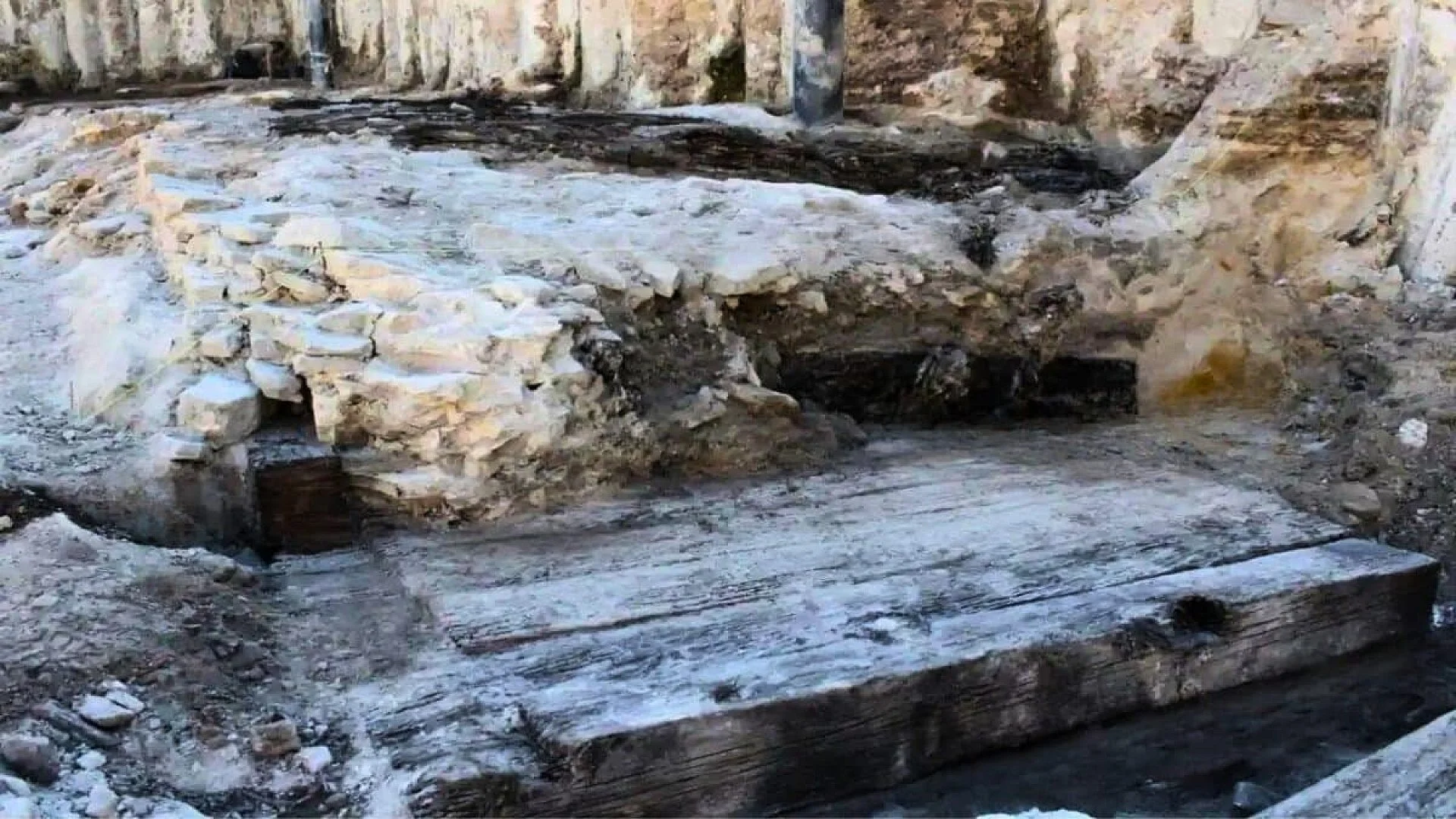
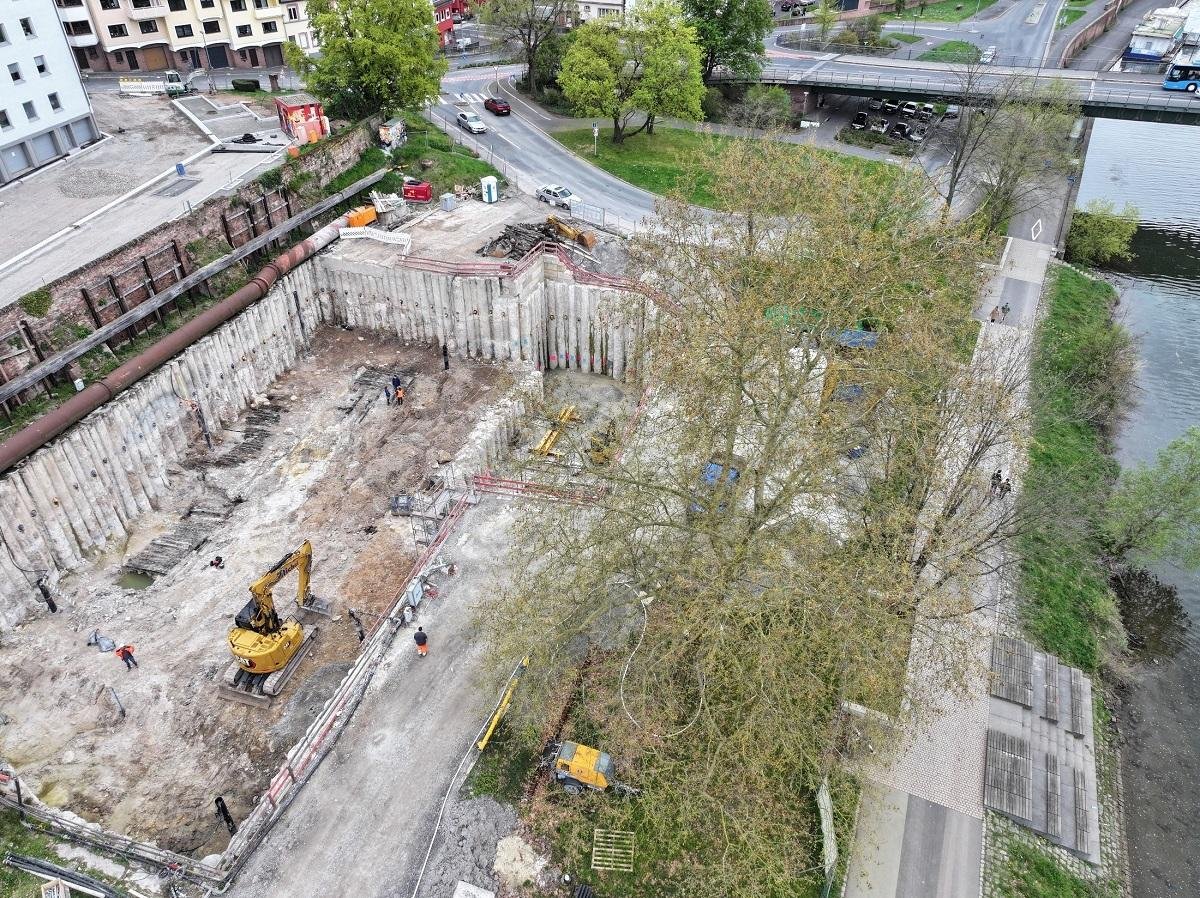
During the construction of a storm‑water overflow basin north of the Willigis Bridge in Aschaffenburg, Bavaria, workers struck a surprisingly intact wooden structure almost eight metres below the surface in March 2026. The discovery prompted an immediate response from the Bavarian heritage authority, the Bayerisches Landesamt für Denkmalpflege (BLfD), which mobilised a rapid archaeological assessment.
Ancient Iron Age River Structure Uncovered Beneath Aschaffenburg
Initial impressions suggested a relatively recent building, but laboratory tests later revealed that the oak timbers were felled and assembled in the 4th century BCE, placing the construction squarely in the Early La Tène phase of the Iron Age, more than 2,300 years ago.
Dendrochronology Dates Oak Timbers to 4th Century BCE
The water‑saturated soils along the Main River bank had preserved the wood in a condition that mimicked a modern structure, leading researchers to send samples to the BLfD’s dendrochronology lab in Thierhaupten. There, specialists matched the growth rings of the beams against regional oak chronologies and confirmed an unambiguous 4th‑century BCE felling date, as reported in the agency’s press release of 20 May 2026.
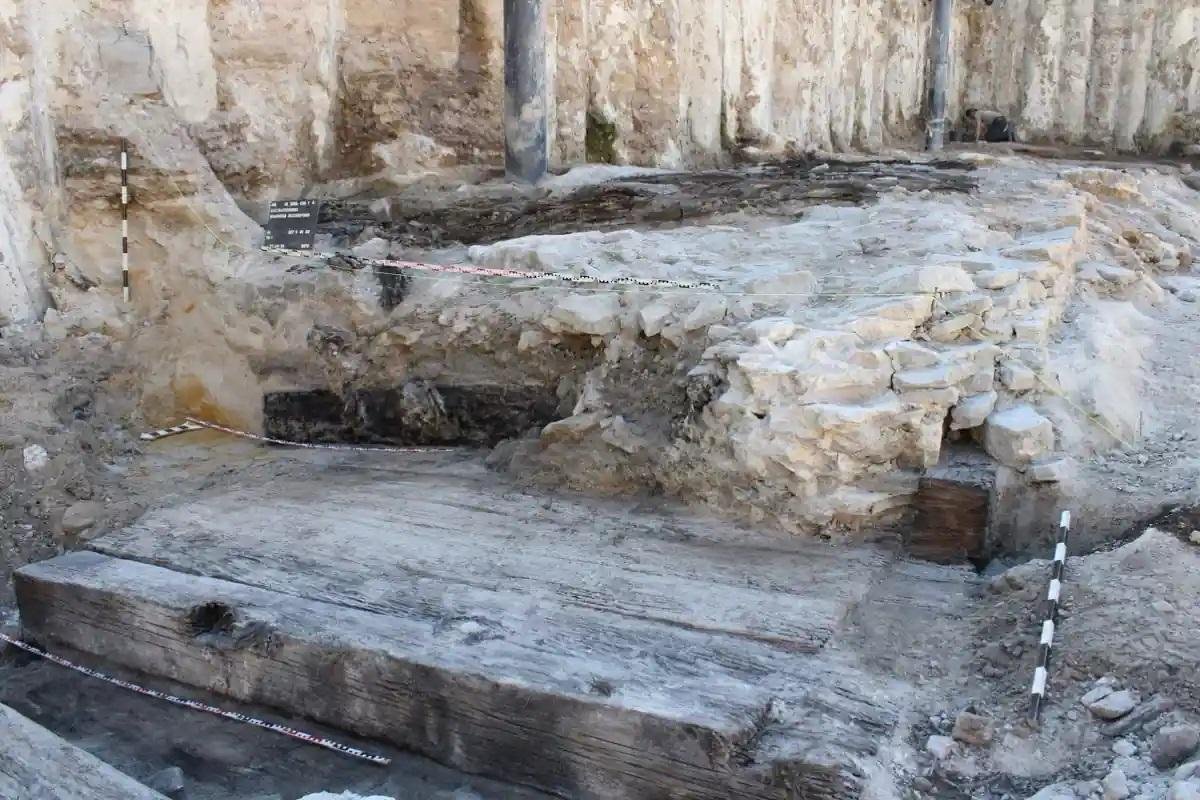
The BLfD is financing the excavation, documentation and conservation of the site, which had not been anticipated in the pre‑construction surveys.
Unusual Combination of Massive Oak and Stone Wall
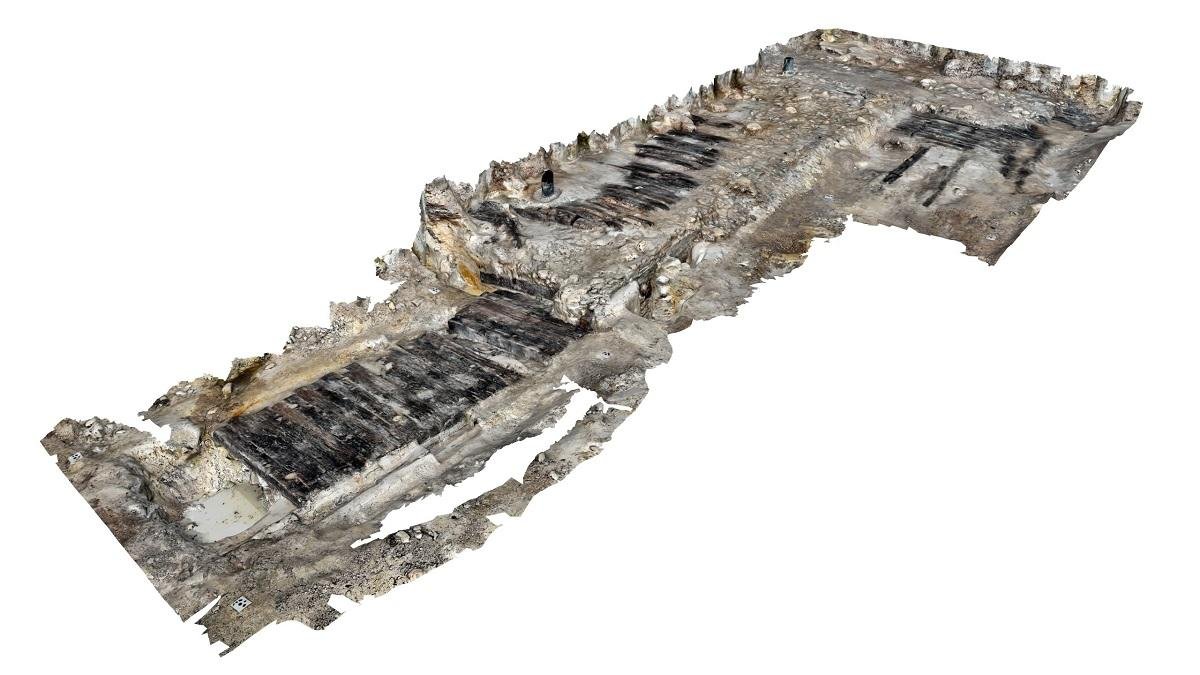
Excavation profiles show a framework of large oak beams arranged in a sophisticated layout, terminating on the river side with a dry‑stone wall. Such a timber‑and‑stone hybrid is rare for the Iron Age in southern Germany. Dr Stefanie Berg, head of archaeological monument conservation at the BLfD, notes that stone masonry from this period is typically limited to defensive structures, making the function of the Aschaffenburg feature unclear.
“The combination of the exceptional location on the Main riverbank, the outstanding preservation, the previously unparalleled timber-and-stone construction, and the Iron Age dating makes this find unique,” Dr Berg said in the agency’s statement.
Earlier Finds Hint at Prosperous Celtic Settlement
Archaeologists had already identified scattered artifacts from an Early La Tène settlement beneath Aschaffenburg’s historic centre, including a decorative animal‑head fibula and a gold finger ring—items that signal a community with access to high‑status goods. Isolated structural remnants had been recorded, but their connection to a larger settlement remained ambiguous.
These earlier discoveries supported the hypothesis that the area once functioned as an Iron Age central place, a hub for surrounding communities. The newly uncovered riverside structure provides the most substantial physical evidence to date, though researchers caution that the overall layout of the La Tène settlement is still poorly defined.
Riverbank Location Suggests Strategic Role
The Main River was a vital conduit for trade and communication during the Iron Age. A sizeable building positioned directly on the riverbank implies a purposeful relationship with the waterway—whether for commercial exchange, transport, defensive oversight, or ritual activity.
The BLfD has not yet issued a definitive interpretation of the structure’s purpose. Ongoing excavation, detailed recording and further scientific testing aim to clarify both the building’s function and its implications for the broader settlement pattern along the Main Valley.
Excavation Challenges at Ten‑Meter Depth
Work proceeds in a construction pit that reaches depths of up to ten metres, demanding close coordination among archaeologists, engineers and municipal authorities. Safety protocols for the infrastructure project run in parallel with the scientific investigation.
Using photogrammetry and laser scanning, the BLfD has already generated high‑resolution 3D models of the feature. The water‑logged timbers remain in situ within the riverbank sediments, awaiting further laboratory analysis as excavation technicians continue to expose the full extent of the remains.
According to an Archaeology Magazine report, the completed study should shed light on the building’s role and on how Iron Age communities organised themselves along the Main River more than two millennia ago.
This article has been fact checked for accuracy, with information verified against reputable sources. Learn more about us and our editorial process.
Last reviewed on .
Article history
- Latest version
Reference(s)
- “Iron Age Structure Beneath German City 1.” <https://archaeologymag.com/wp-content/uploads/iron-age-structure-beneath-german-city-1.jpg>.
- “Iron Age Structure Beneath German City 3.” <https://archaeologymag.com/wp-content/uploads/iron-age-structure-beneath-german-city-3.jpg>.
- “Iron Age Structure Beneath German City 2.” <https://archaeologymag.com/wp-content/uploads/iron-age-structure-beneath-german-city-2.jpg>.
- Radley, Dario. “2,300-year-old Iron Age riverside structure discovered beneath German city.”, May 22, 2026 Archaeology News Online Magazine <https://archaeologymag.com/2026/05/iron-age-structure-discovered-beneath-german-city/>.
Cite this page:
- Posted by Hassan Raza