Is The Ark Of The Covenant Hidden In Ethiopia Guarded By A Single Monk
Hidden within a sacred Ethiopian chapel, an ancient relic is said to be the lost Ark of the Covenant, brought from Jerusalem nearly 3,000 years ago.
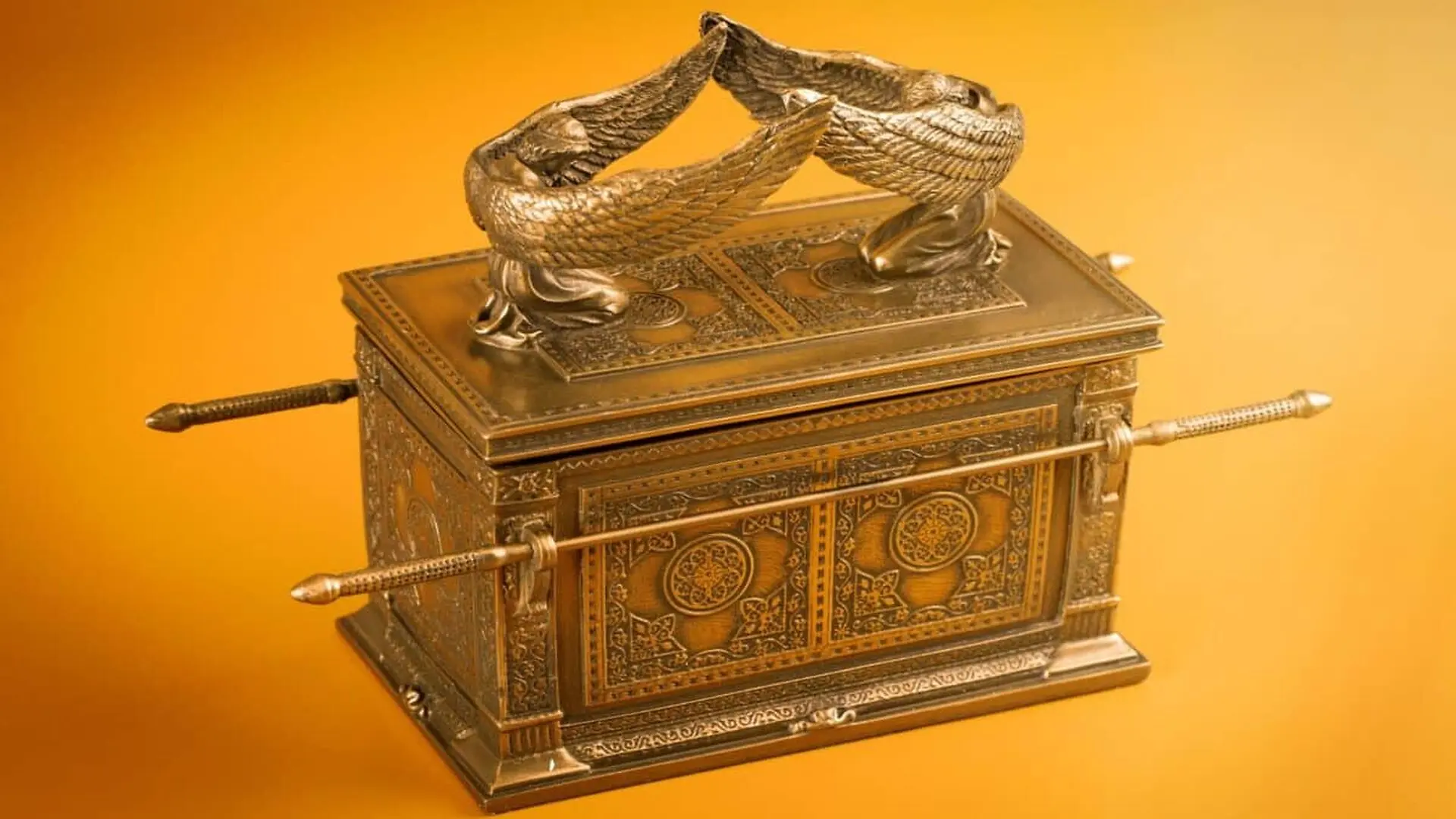
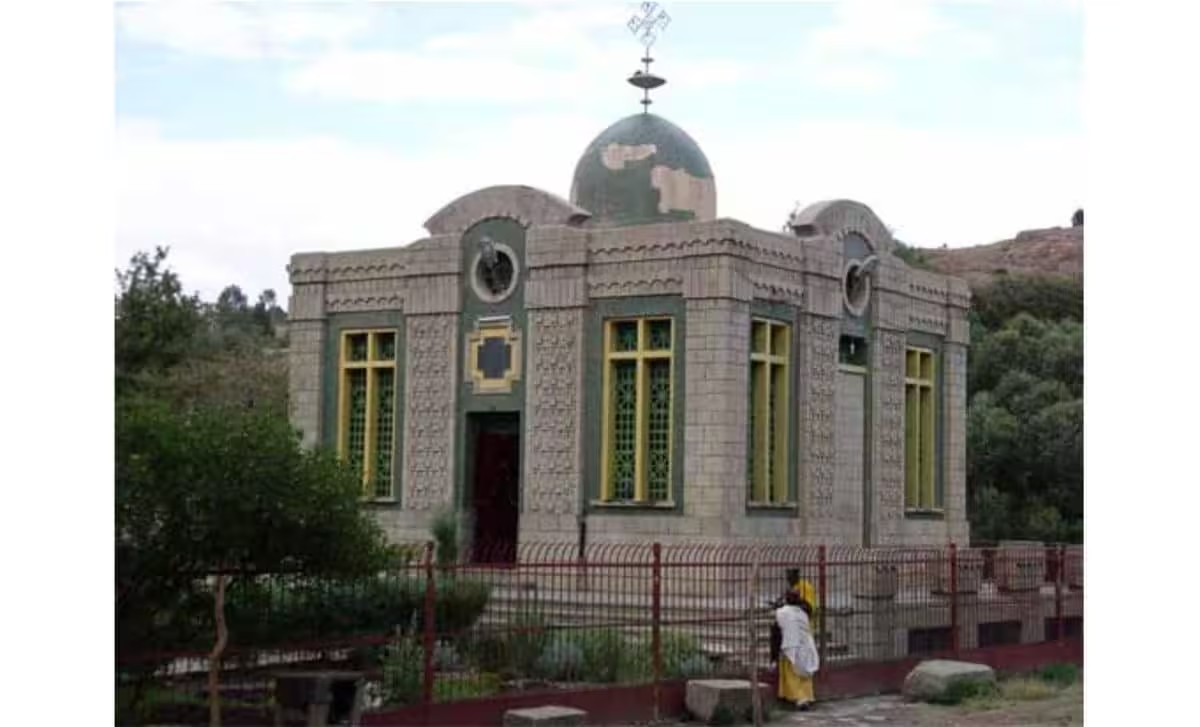
In the quiet heart of Axum, Ethiopia, sits the Chapel of the Tablet, a structure shielded from the outside world by a guarded fence. Within its walls rests an object that has ignited centuries of religious fervor and scholarly speculation. Despite its profound significance to the Ethiopian Orthodox Church, the relic remains entirely inaccessible to the public, archaeologists, and even the highest-ranking church officials, ensuring that its true identity remains cloaked in mystery.
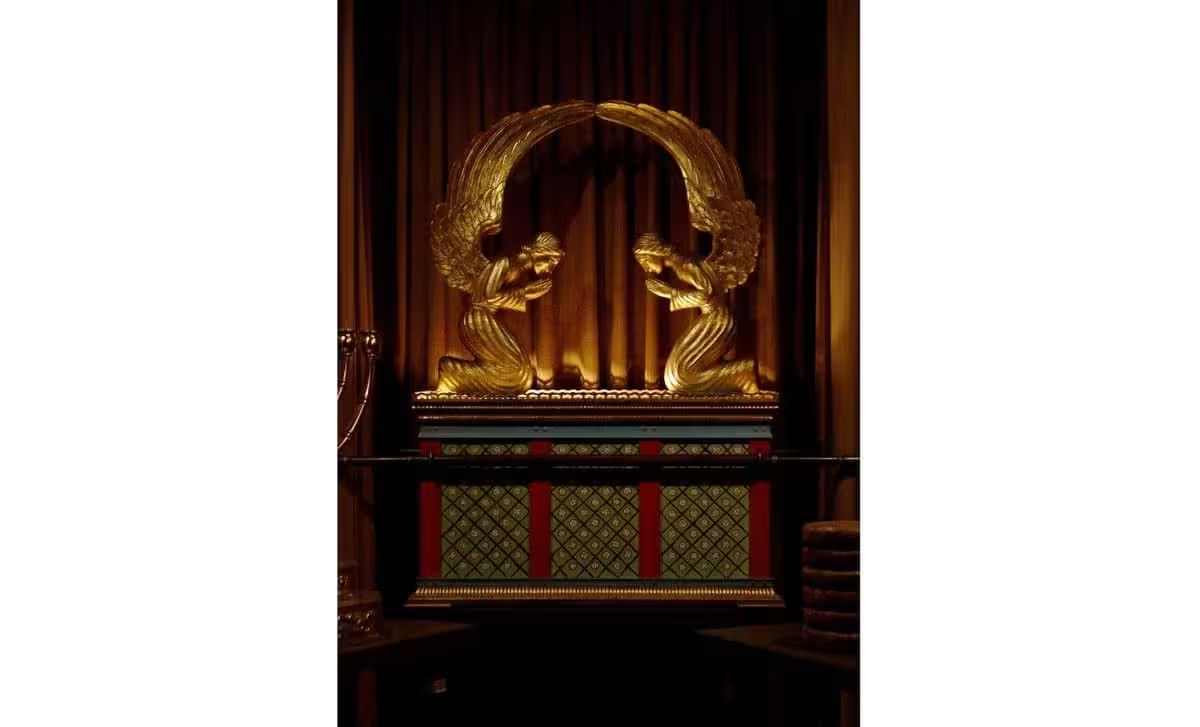
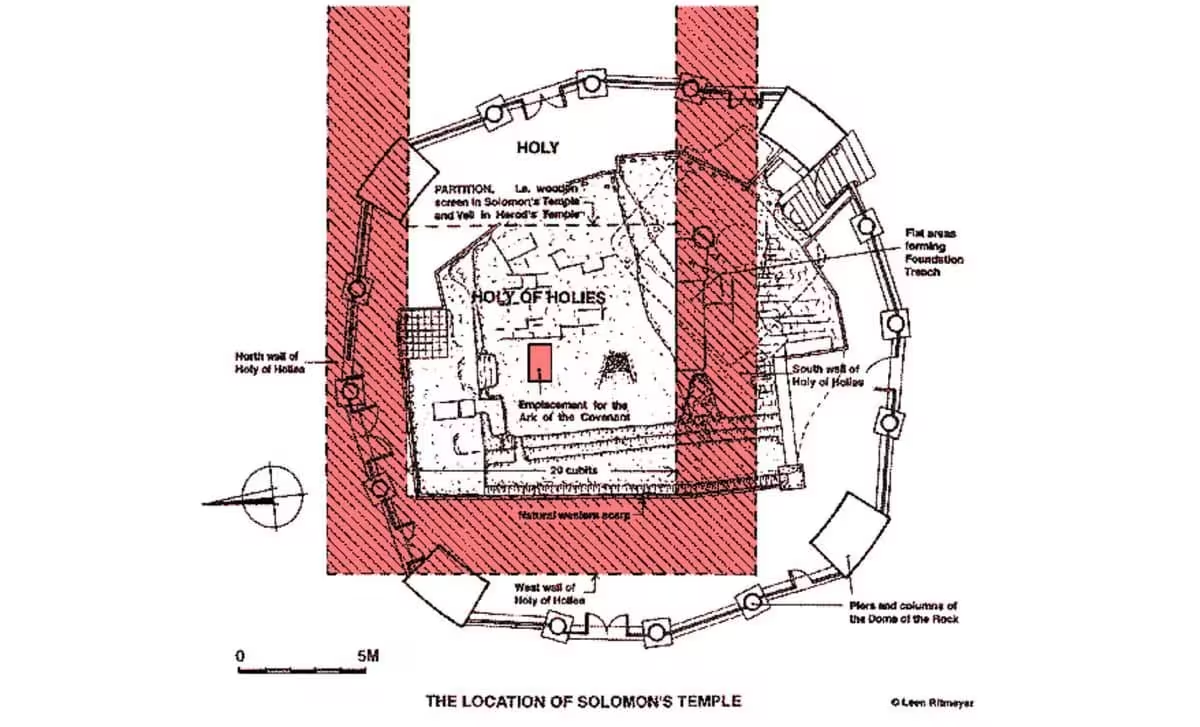
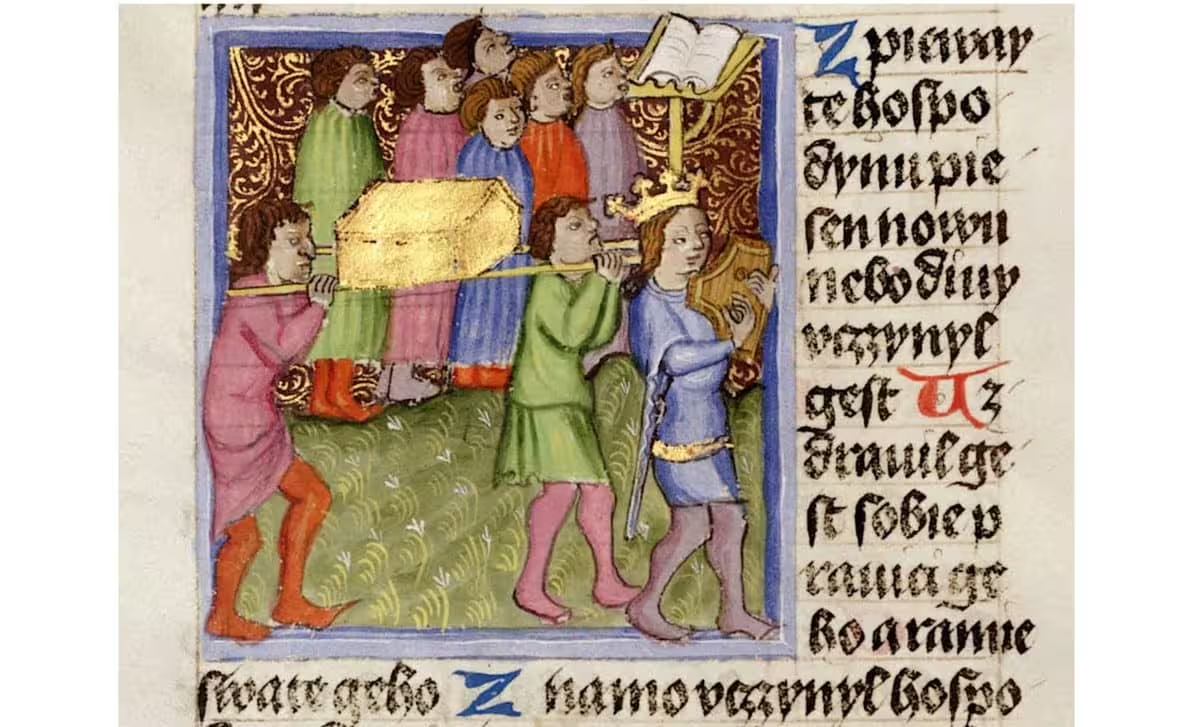
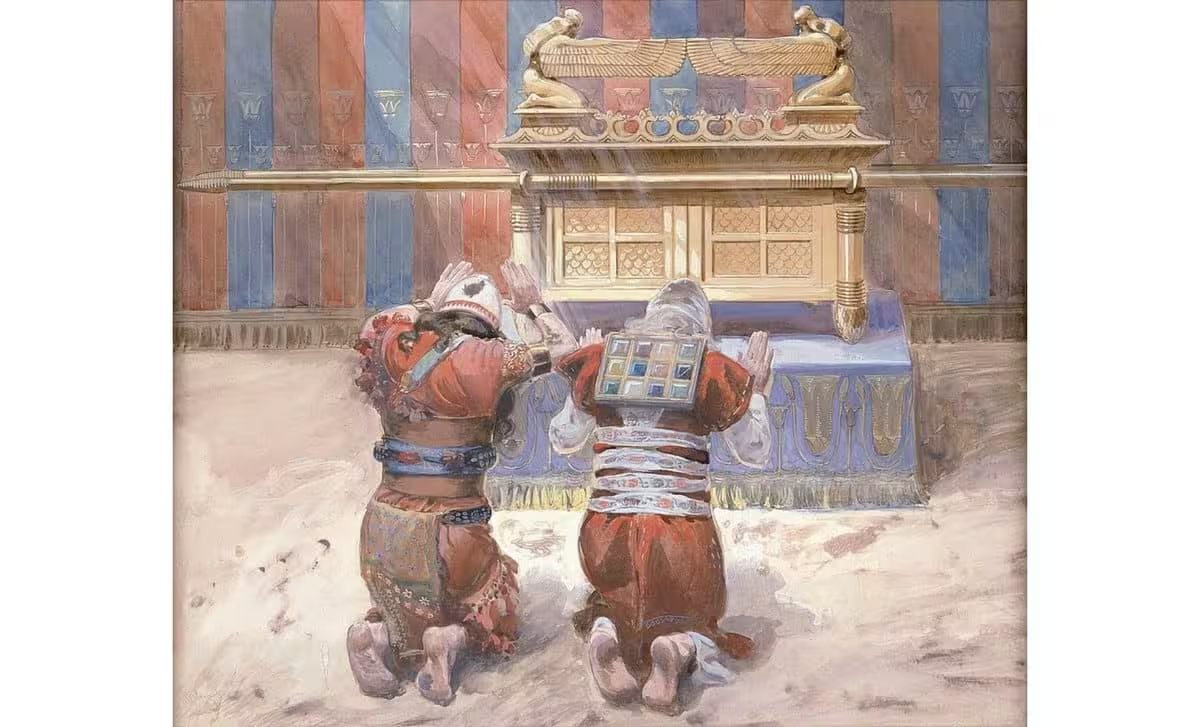
The Hebrew Bible depicts the original Ark of the Covenant as an acacia-wood chest gilded in gold, designed to house the Ten Commandments and act as a terrestrial throne for the divine. It served as a focal point in King Solomon’s Temple until it vanished from the historical record following the Babylonian conquest of Jerusalem in 586 B.C.E. While its ultimate fate has become a staple of global folklore and adventure cinema, Ethiopia presents a distinct, long-standing tradition regarding its departure from the Holy Land.
The Epic Claim of an Ancient Theft
According to the Kebra Nagast, or The Glory of the Kings, a seminal 14th-century Ethiopian text, the Ark did not simply vanish. Instead, it was taken to Ethiopia by Menelik I, the son of King Solomon and the Queen of Sheba. The epic recounts that after Menelik returned to his mother’s kingdom, he was accompanied by the firstborn sons of Jerusalem’s elite, including the son of the High Priest, Azariah.
Driven by a divine vision, Azariah purportedly engineered a daring heist. He commissioned a replica chest, swapped it for the genuine Ark within the Temple, and spirited the original away. The narrative suggests the Ark possessed supernatural properties, capable of propelling the caravan toward Ethiopia at impossible speeds, rendering any pursuit by Solomon’s forces futile. While the account provides a compelling foundation for national identity, it remains a religious narrative rather than a historical one, lacking the archaeological verification required to confirm the artifact’s movement from Jerusalem to the Horn of Africa.
Centuries of Protection in Axum
Ethiopian tradition holds that the Ark resided on the island of Tana Qirqos in Lake Tana for roughly 800 years before being moved to the Church of Our Lady Mary of Zion in Axum around 340 C.E., during the reign of King Ezana. This transition marked a pivotal moment in the nation’s history, intertwining the ancient Israelite covenant with the growth of Ethiopian Christianity.
The relic was reportedly not a stationary fixture; guardians frequently relocated it during times of regional volatility, such as the 10th-century incursions of Queen Gudit or the devastating Adal War in the 16th century. Each time, the Ark was hidden in remote mountain or island refuges until it was deemed safe to return to the cathedral. In the 1960s, Empress Menen Asfaw commissioned the current Chapel of the Tablet to house the object, largely due to anecdotal claims from monastics that the relic emitted a divine heat capable of fracturing the stone of its former sanctuary.
The Question of Authenticity
The near-total lack of access to the relic prevents any scientific investigation, leaving scholars unable to date or identify the chest. One rare, controversial report emerged in 1941, when British officer and Ethiopian studies scholar Edward Ullendorff purportedly gained access to the sanctuary. In a later interview, he described the object as a piece of medieval craftsmanship, significantly younger than the biblical artifact it is claimed to be.
This assessment is heavily contested by Ethiopian officials, who argue that the presence of numerous ceremonial replicas, known as tabots, found in churches throughout the country, could have led to a misunderstanding. It is entirely possible that Ullendorff viewed a sacred replica rather than the original repository of the Ten Commandments. The irony is not lost on observers, as the Kebra Nagast itself establishes the precedent of a replica being used to protect the genuine article. Without independent, peer-reviewed examination, the contents of the Chapel of the Tablet remain an article of profound faith rather than an established historical discovery.
This article has been fact checked for accuracy, with information verified against reputable sources. Learn more about us and our editorial process.
Last reviewed on .
Article history
- Latest version
Cite this page:
- Posted by Hassan Raza