Rare Dinosaur Fossil Discovery Reveals They Hatched More Like Modern Birds Than Previously Thought
New fossil analysis in China reveals how dinosaurs hatched, using non-invasive imaging to uncover secrets hidden inside a rare clutch of three eggs.
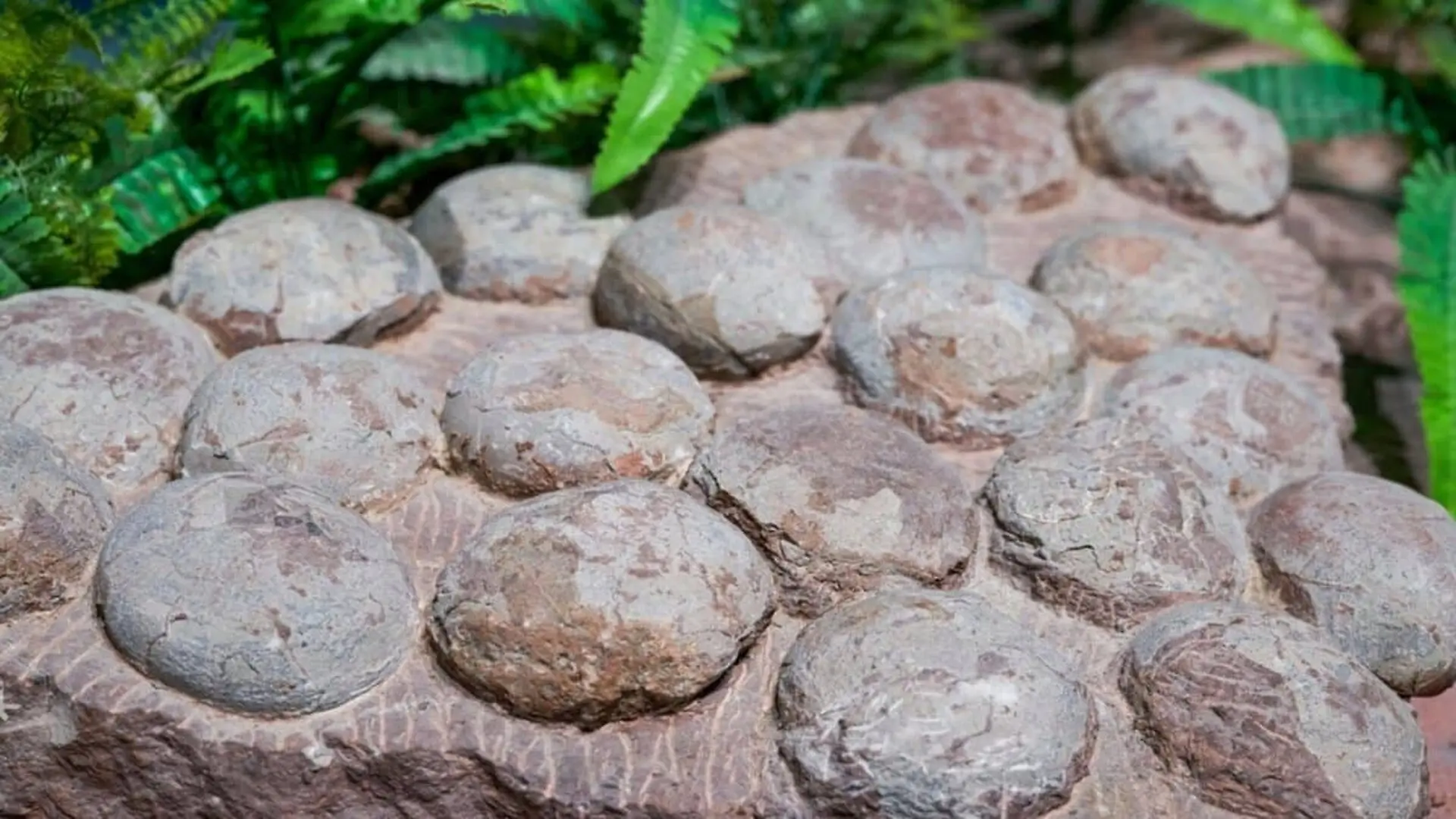
A breakthrough analysis of three fossilized dinosaur eggs from China has provided a rare look into the reproductive habits of oviraptorids, revealing that these creatures likely did not synchronize the hatching of their young. By employing neutron imaging, researchers determined that embryos within a single clutch developed at varying rates, a trait more characteristic of modern birds than the simultaneous hatching observed in reptiles like crocodiles.
Peering Through Ancient Stone
The fossils, dating back approximately 67 million years to the Upper Cretaceous period, were recovered from the Ganzhou Basin in China’s Jiangxi Province. Unlike many specimens that lose their historical context after being extracted from the field, these three eggs were discovered embedded within the same block of rock. According to Dr. Tzu-Ruei Yang, who led the excavation, the physical arrangement suggests a single parent laid the 18-centimeter eggs in close succession.
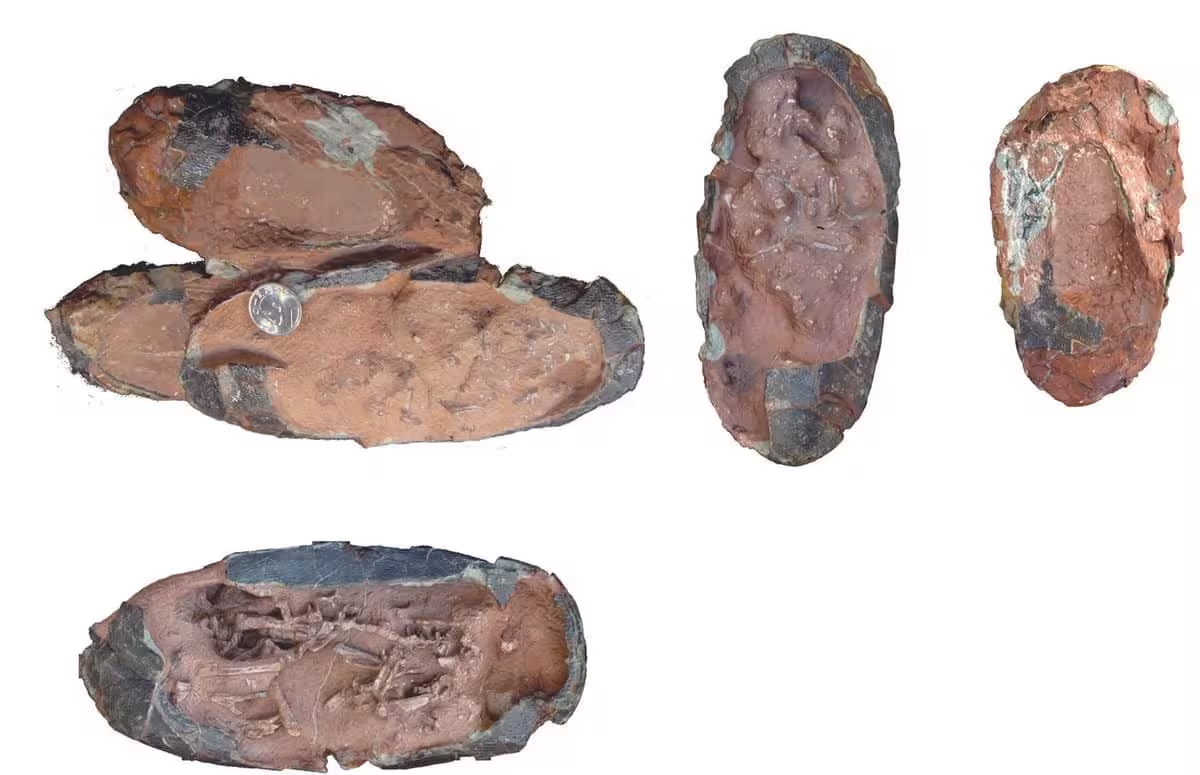
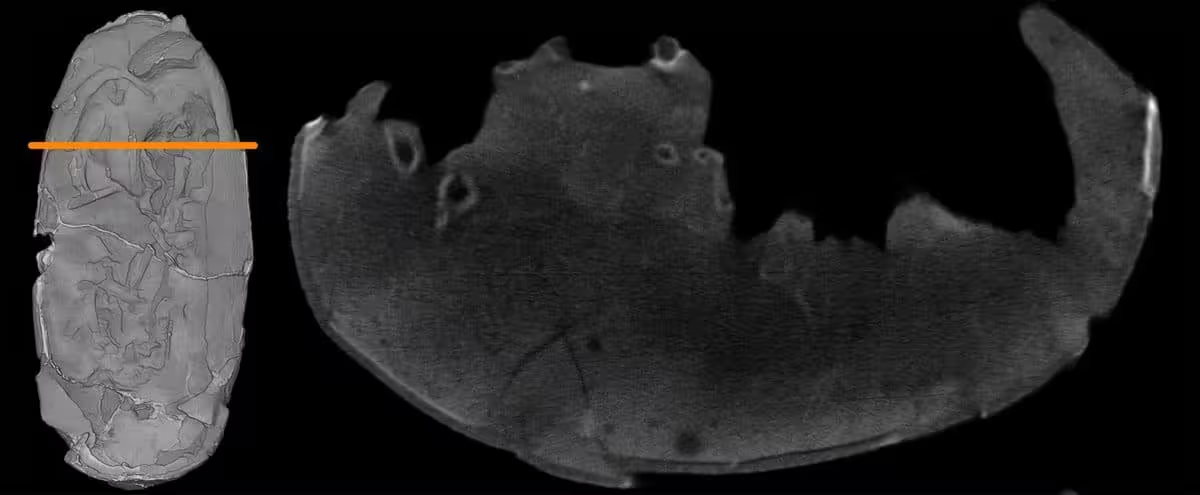
Visualizing the contents of the fossilized eggs proved challenging for traditional imaging. Thomas Engler of the University of Bonn noted that standard X-ray micro-computed tomography failed to distinguish between the delicate embryonic bones and the dense mineralized rock surrounding them. To overcome this, the international research team utilized high-intensity neutron beams at the Heinz Maier-Leibnitz Zentrum (MLZ) in Germany.
“The high penetration depth of the neutrons at the NECTAR and ANTARES facilities made it possible to visualize the internal structures,” explained Dr. Malgorzata Makowska, who managed the measurements at the MLZ.
Asynchronous Development
The team assessed the developmental stage of each embryo by measuring bone length and the degree of skeletal fusion. Yang noted that embryos with longer, more interconnected bones were clearly at a more advanced stage of maturity. By cross-referencing these findings with the thickness of the eggshells—as embryos draw calcium from the shell during growth—the researchers confirmed that the embryos were maturing at different speeds.
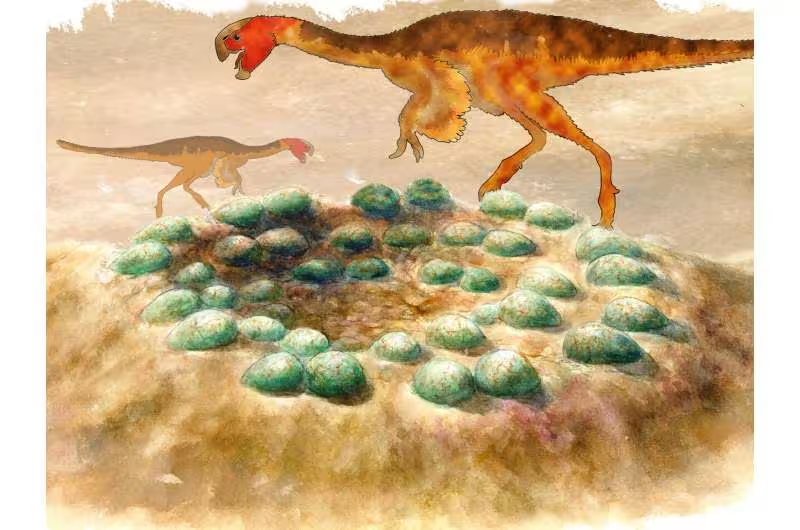
Published in the journal Integrative Organismal Biology, the study suggests that oviraptorid reproduction diverged from the “all-at-once” strategy seen in turtles and crocodiles. Instead, these dinosaurs likely followed a pattern more similar to modern avian species, where staggered hatching is common.
Beyond the insights into dinosaur behavior, the project highlights the emerging utility of neutron imaging in paleontology. As Engler observed, this application provides a sophisticated, non-destructive method for peering inside fossilized remains, yielding data that traditional technologies simply cannot capture.
This article has been fact checked for accuracy, with information verified against reputable sources. Learn more about us and our editorial process.
Last reviewed on .
Article history
- Latest version
Cite this page:
- Posted by Hassan Raza