Massive New Dinosaur Species Discovered Under Construction Site Reveals Ancient European Link
A colossal thigh bone unearthed eight meters underground has revealed a surprising evolutionary link, shedding new light on an ancient dinosaur world.
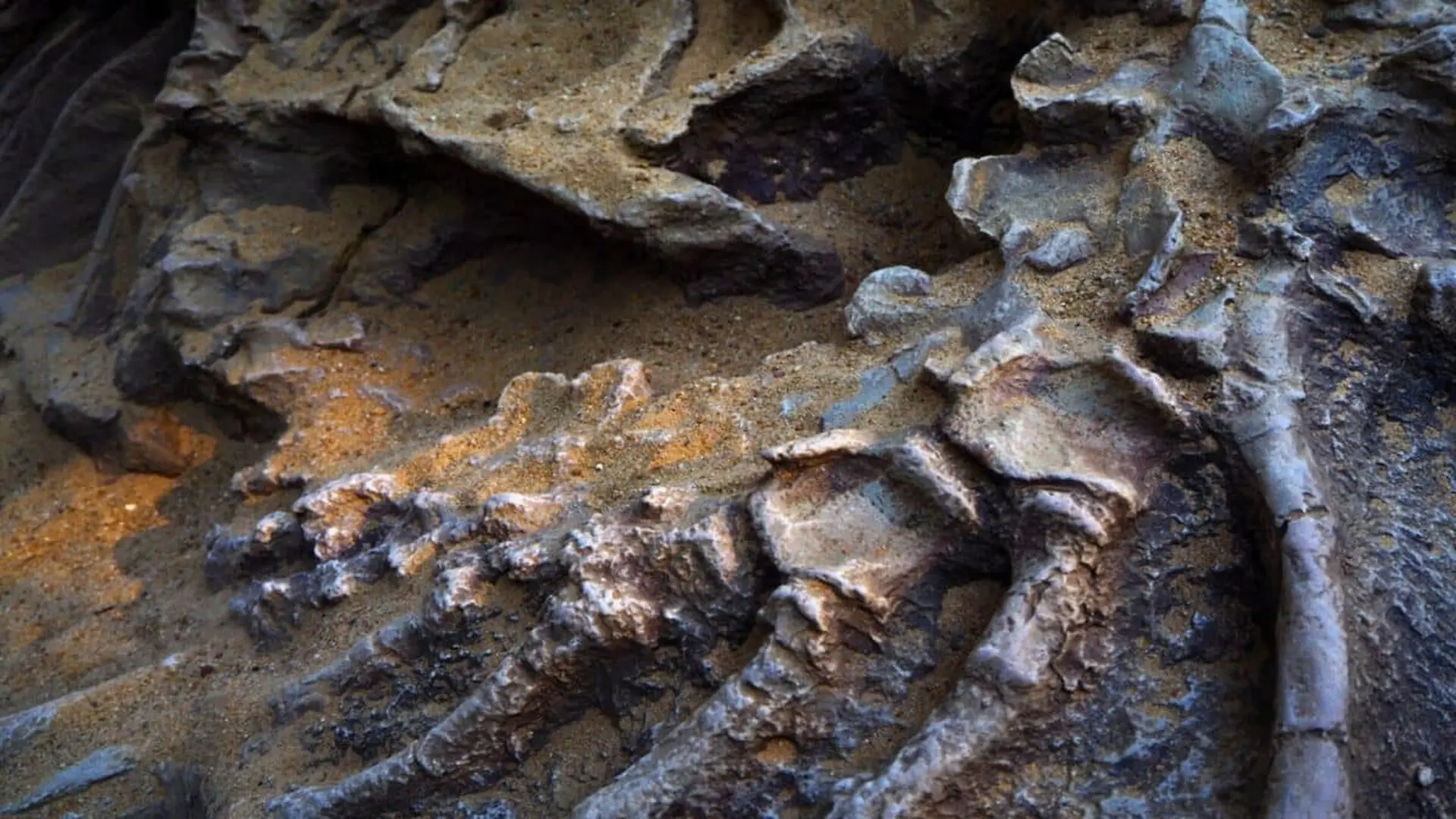
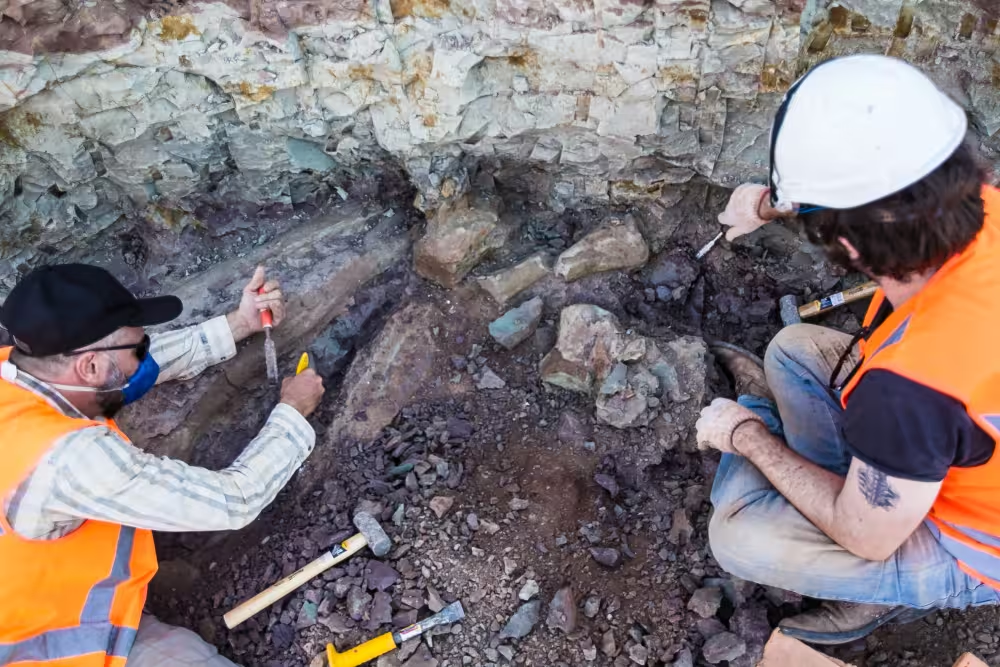
Deep beneath a construction site in the Brazilian state of Maranhão, workers stumbled upon a relic from the Early Cretaceous that has rewritten our understanding of sauropod migration. Excavators working on a road-rail terminal in Davinópolis unearthed a massive 1.5-meter-long femur, an initial discovery that hinted at the presence of a truly gargantuan prehistoric inhabitant.
Paleontologists initially suspected the remains might belong to large Cenozoic mammals, but the depth of the burial—roughly eight meters underground—suggested the find was significantly more ancient. As the site was cleared, the true scale of the find became apparent. The bones belong to Dasosaurus tocantinensis, a previously unknown long-necked dinosaur that reached an estimated 20 meters in length, making it the largest dinosaur ever recorded in Maranhão.
The discovery, detailed in the Journal of Systematic Palaeontology, reveals that Dasosaurus was the closest known relative to Garumbatitan morellensis, a sauropod found in modern-day Spain. This evolutionary link suggests that the lineage originated in Europe and migrated to South America via northern Africa at a time when these continents were still geologically connected.
Tracking an Ancient Continental Connection
The Dasosaurus specimen is remarkably complete for a sauropod, including tail vertebrae, ribs, limb bones, and foot remains. Lead researcher Elver Mayer noted that the depth of the burial site provided a clear signal of the specimen’s extreme age, dating back approximately 120 million years. According to Max Langer of the University of São Paulo, who contributed to the study, researchers believe that further excavation at the site may yield additional skeletal components of the same individual.
Anatomically, Dasosaurus is classified within the Somphospondyli, a prominent group of sauropods. However, it displays a unique suite of characteristics, most notably a specific arrangement of three elongated ridges on its tail vertebrae and a distinct bulge on the femur. These features, combined with phylogenetic analysis, solidify its status as a sister taxon to the European Garumbatitan.
Biogeographic models suggest this lineage dispersed from Europe to South America through North Africa between 140 and 120 million years ago. While this does not represent a singular migration event, it provides compelling evidence that sauropod populations utilized land bridges across regions that would eventually be separated by the formation of the Atlantic Ocean.
Growth Secrets Hidden in the Bone
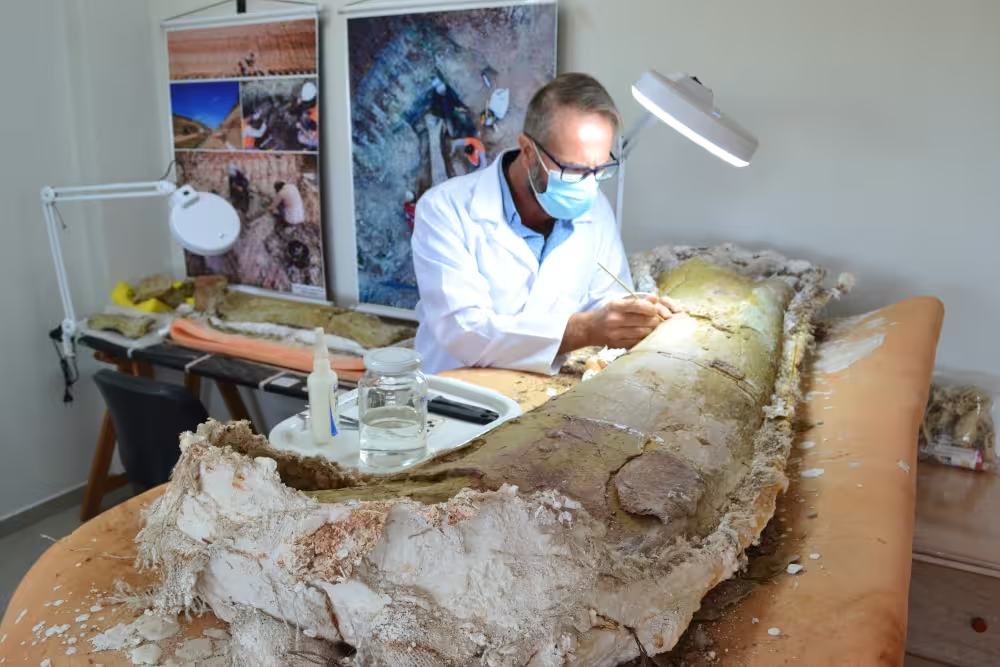
Beyond its taxonomy, Dasosaurus offers a rare glimpse into the physiological development of these giants. A microscopic analysis of the bone structure, led by Tito Aureliano and Aline Ghilardi, revealed evidence of extensive secondary remodeling. This finding is significant because it suggests that the growth patterns previously thought to be exclusive to later titanosaurs may have actually evolved much earlier in the sauropod lineage.
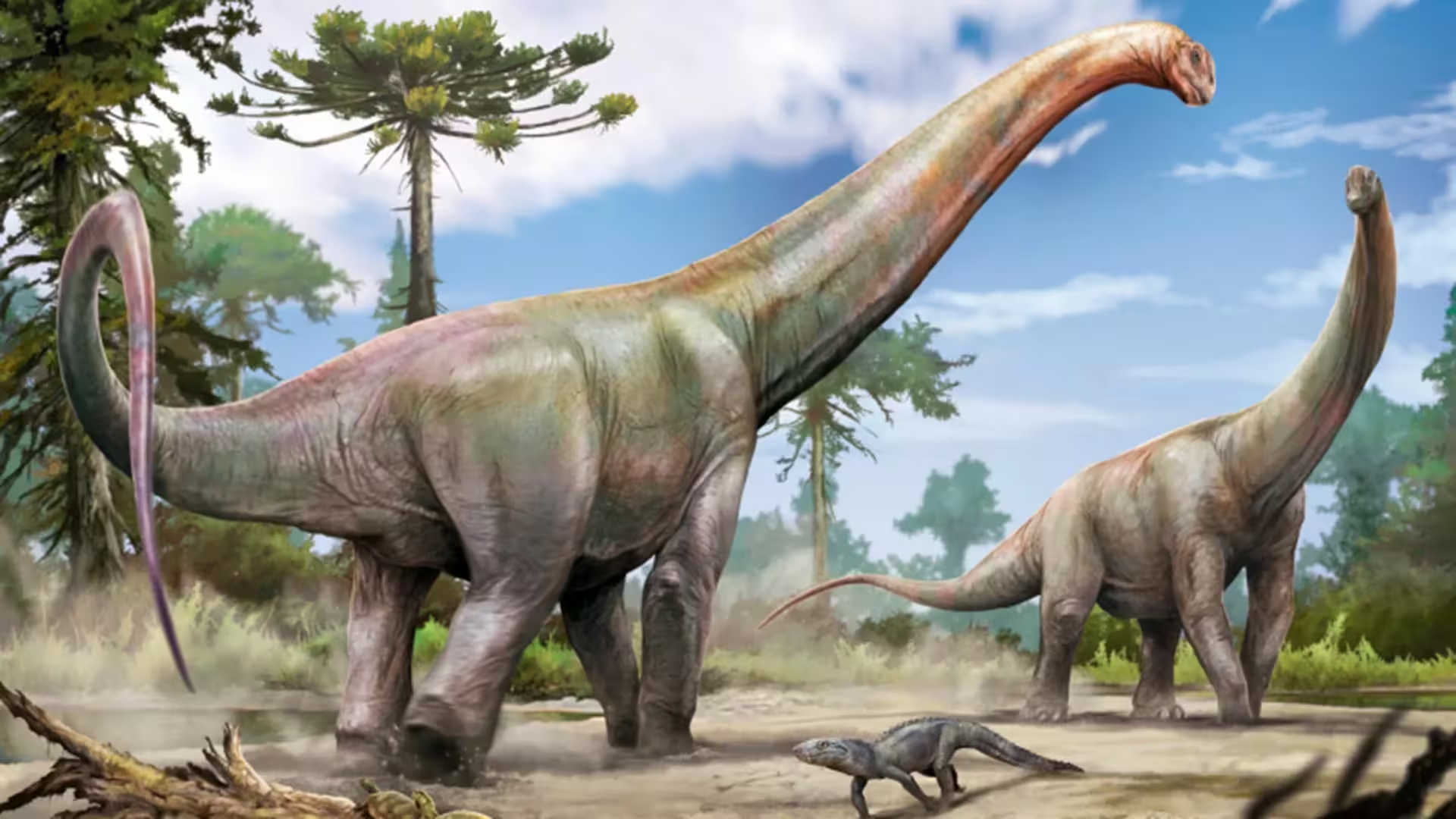
The name Dasosaurus tocantinensis reflects the geography of its discovery; “Daso” honors the wooded terrain of Maranhão, while “tocantinensis” pays homage to the nearby Tocantins River. For paleontologists, the project serves as a reminder of the critical importance of archaeological monitoring at construction sites. In the densely vegetated landscapes of tropical Brazil, where natural geological exposures are rare, heavy industrial machinery often becomes the unexpected tool that unlocks the secrets of the prehistoric world.
This article has been fact checked for accuracy, with information verified against reputable sources. Learn more about us and our editorial process.
Last reviewed on .
Article history
- Latest version
Reference(s)
- Mayer, Elver L.., et al. “A new titanosauriform with European affinities in the Early Cretaceous of Brazil: insights on Somphospondyli phylogeny, histology and biogeography.” Journal of Systematic Palaeontology, vol. 24, no. 1, February 12, 2026 Informa UK Limited, doi: 10.1080/14772019.2025.2601579. <https://www.tandfonline.com/doi/full/10.1080/14772019.2025.2601579>.
Cite this page:
- Posted by Hassan Raza