Underwater Robot Reveals Hidden Ecosystem Thriving Beneath Greenland Glacier
A robot exploring the frigid waters beneath a Greenland glacier has captured rare footage, revealing hidden secrets of an environment rarely seen by humans.
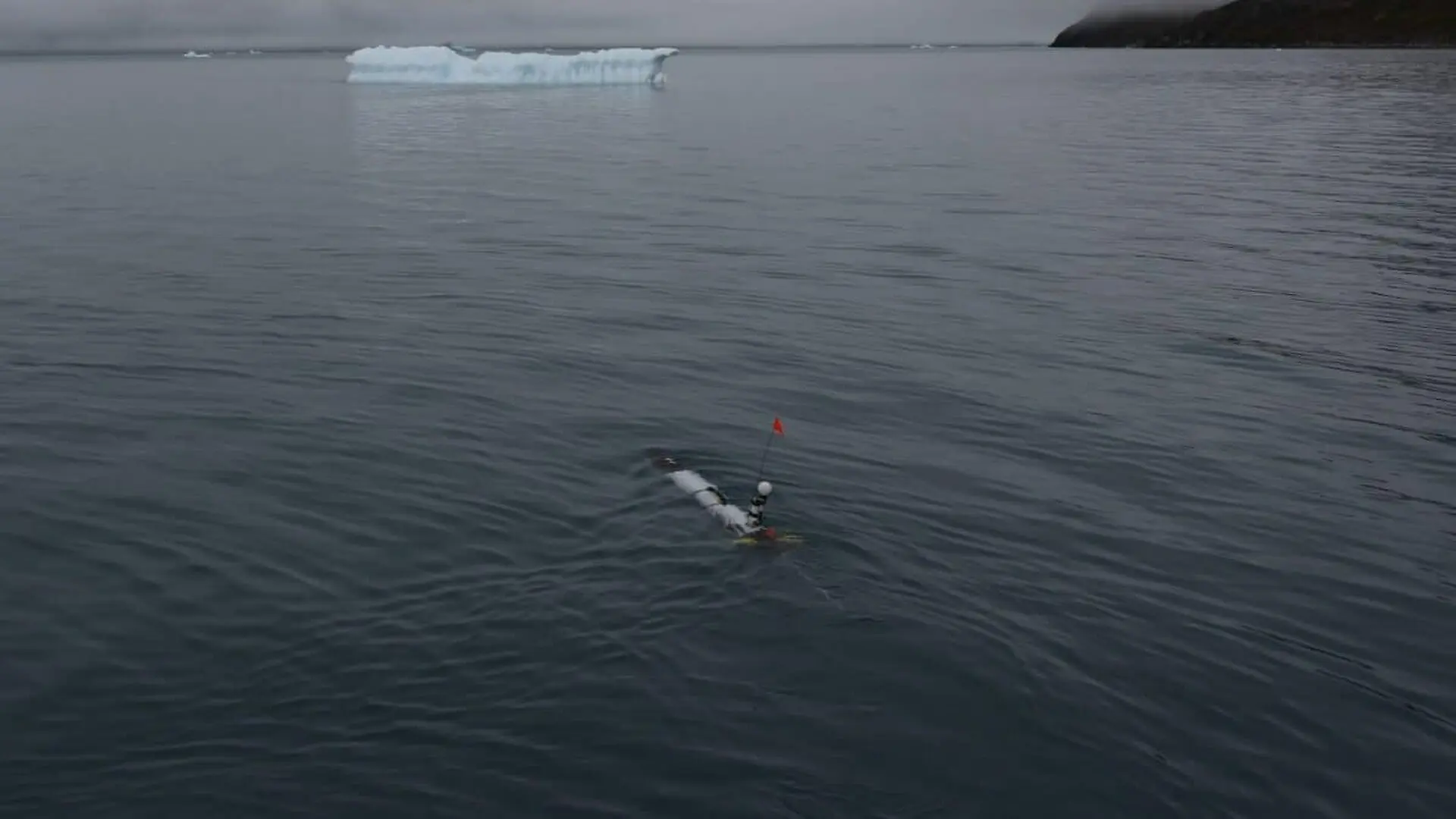
A robotic submersible has captured rare, high-definition footage revealing a thriving marine ecosystem hidden beneath the frigid waters of Greenland’s Naajat Sermiat glacier. The mission, led by researchers from Aarhus University and the Geological Survey of Denmark and Greenland, deployed a remotely operated vehicle (ROV) to navigate the dangerous, ice-choked waters where direct human exploration is impossible due to the risk of calving ice.
Initially, the research team aimed to study the physical properties of meltwater plumes as they discharge from the glacier into the ocean. The team wanted to determine if the extremely cold, low-salinity water might undergo localized refreezing upon contact with the sea. However, the mission provided much more than hydrographic data, as the camera revealed a bustling, unexpected community of marine life clustering directly against the glacier face.
Life Flourishing at the Ice Edge
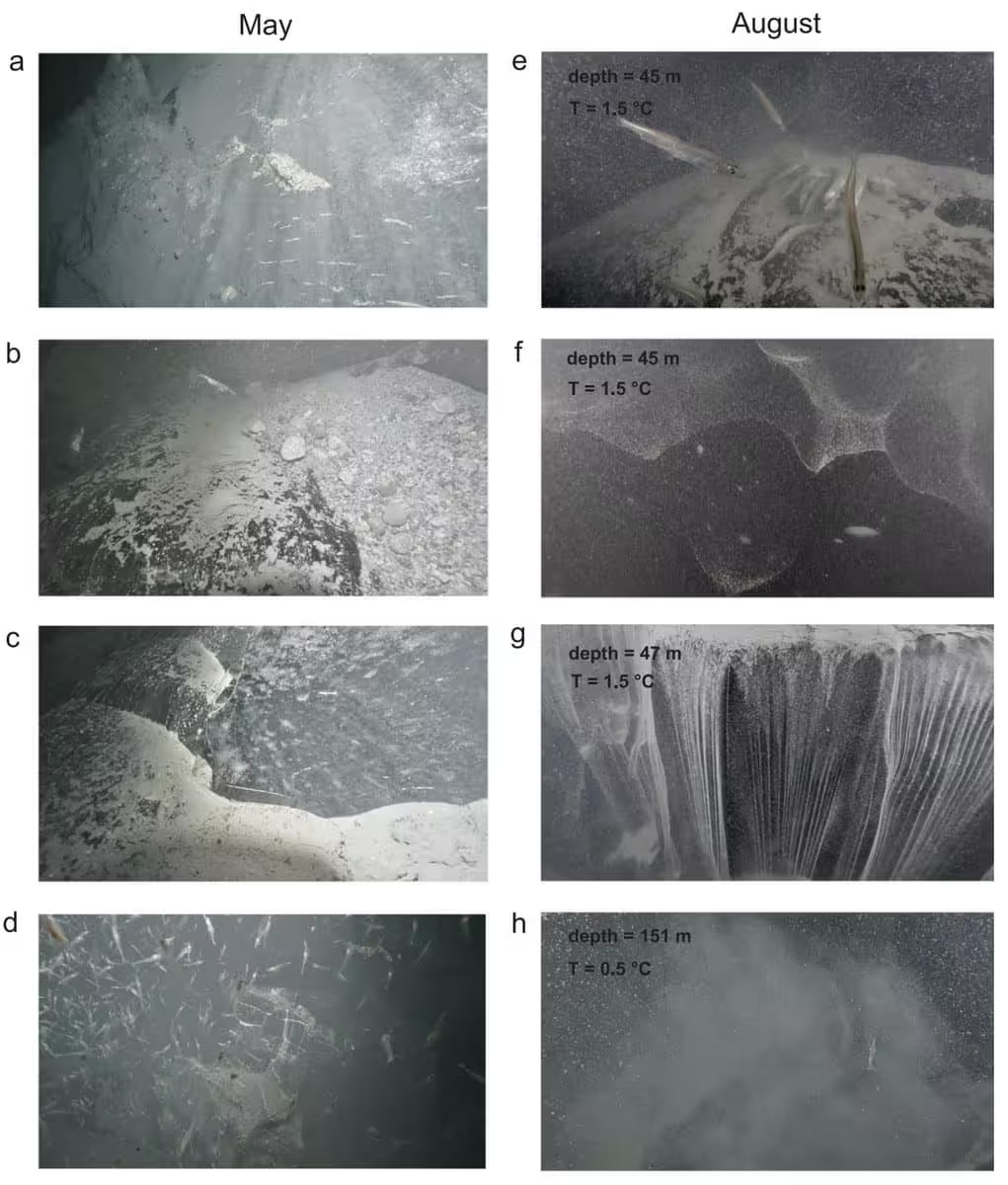
The findings, published in the journal Communications Earth & Environment, document a diverse array of species thriving in an environment previously assumed to be largely barren. The footage captured schools of fish, shrimp, krill, worms, crustaceans, copepods, and crab larvae, with some organisms observed resting directly on the submerged ice shelf.
“The initial idea for the ROV was to see what happens to the meltwater once it gets released into the ocean,” explained Arctic oceanographer Fleur Rooijakkers. “Specifically, we wanted to see whether the meltwater could refreeze, since it comes into the ocean with temperatures below zero, below the freshwater freezing point.”
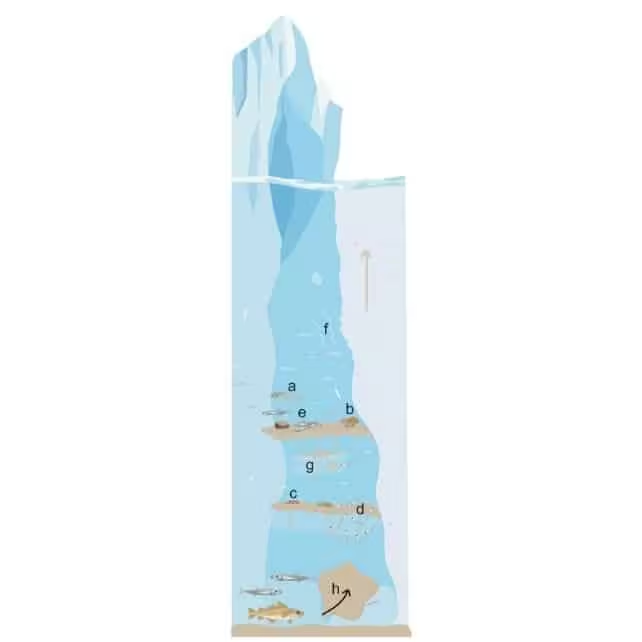
One of the most striking observations involved sediment plumes cascading down the face of the ice. Rooijakkers noted that these underwater “waterfalls” were visually mesmerizing and initially difficult to identify, eventually revealing themselves to be sediment being shed from the glacier structure itself.
A Nutrient Conduit for Arctic Species
Researchers suspect that these meltwater plumes act as a vital nutrient delivery system. By transporting organic material and minerals from the glacier interior into the surrounding water column, the plumes may stimulate the growth of phytoplankton, which in turn sustains the krill and fish populations spotted by the ROV.
“Though they seem cold and sterile, glaciers actually host a lot of lifeforms, like snow algae. These could then get transported in the meltwater and released at the boundary,” Rooijakkers added.
The Future of Glacier-Front Habitats
The long-term stability of this ecosystem remains uncertain. Between 2000 and 2020, over 160 glaciers in the Northern Hemisphere retreated from the ocean onto land. If Naajat Sermiat follows this trend, the loss of direct marine interaction could disrupt the nutrient-rich plumes currently supporting local wildlife.
While the potential retreat of the glacier could lead to a decline in activity at this specific site, Rooijakkers remains cautiously optimistic. Other features within Greenland’s complex fjord systems and continental shelves are known to drive similar upwelling, suggesting that such marine hotspots may persist in different forms as the Arctic climate continues to evolve.
This article has been fact checked for accuracy, with information verified against reputable sources. Learn more about us and our editorial process.
Last reviewed on .
Article history
- Latest version
Reference(s)
- Rooijakkers, Fleur. “Biological hotspot at a glacier ocean boundary in South Greenland - Communications Earth & Environment.”, August 28, 2026 Nature, doi: 10.1038/s43247-026-04003-y. <https://www.nature.com/articles/s43247-026-04003-y>.
- <https://www.researchgate.net/profile/Fleur-Rooijakkers-2>.
Cite this page:
- Posted by Hassan Raza