Perfectly Preserved Ice Age Cave Reveals How Ancient Humans Used Cave Lion Pelts
A 17,000-year-old rockfall in northern Spain has perfectly preserved a rare Magdalenian living space, offering a unique glimpse into Paleolithic daily life.
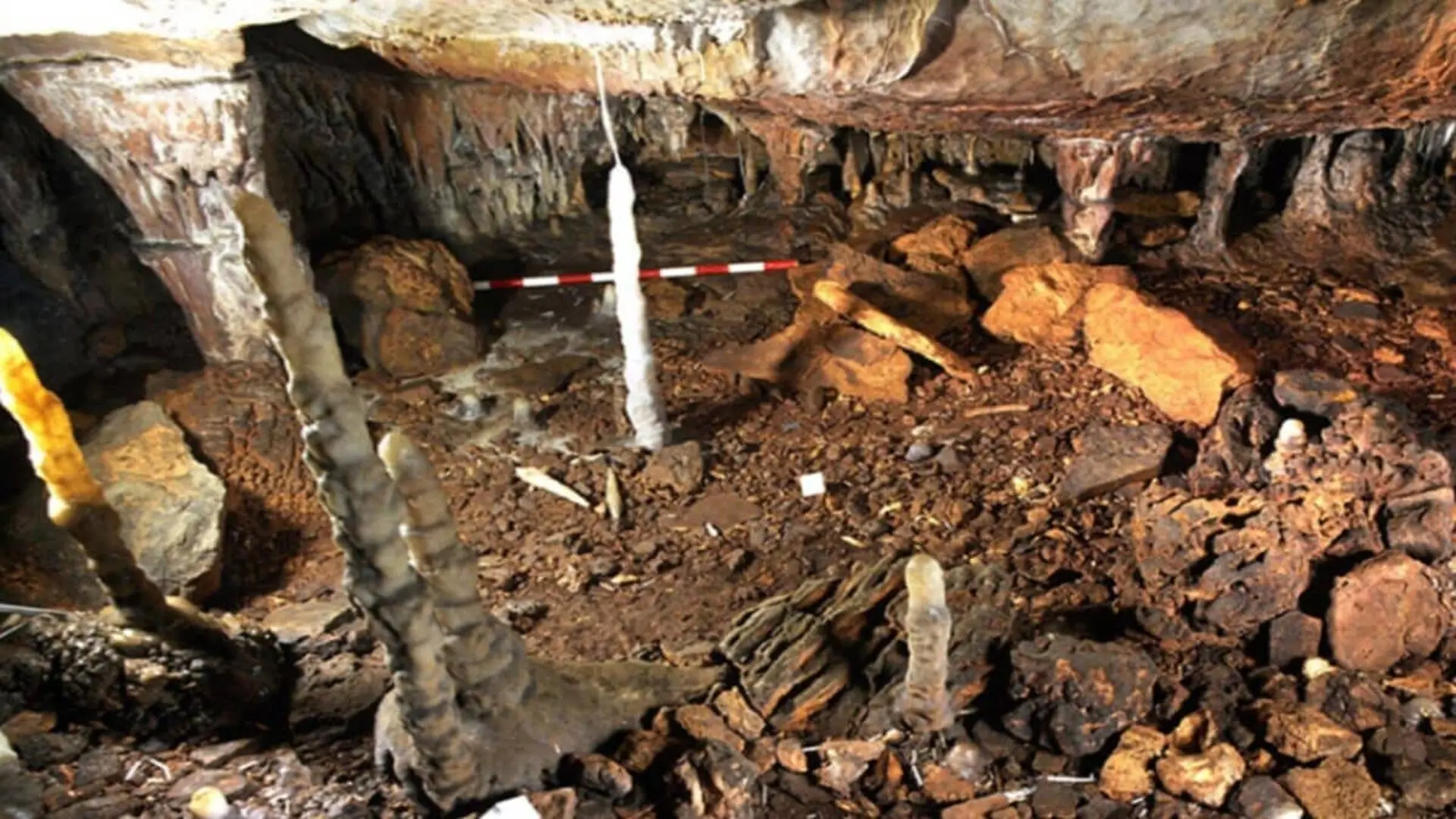
The La Garma cave complex in Spain has long been recognized as a site of immense historical significance, with layers of human activity stretching from the Paleolithic era through to the medieval period. However, the site’s true archaeological treasure lies in its Lower Gallery. Unlike most ancient sites, which suffer from centuries of environmental erosion and sediment shifting, this chamber was sealed off during the Late Pleistocene. This isolation preserved a prehistoric living space in such pristine condition that researchers can still map the exact spatial relationships between objects left behind by its original inhabitants.
A Frozen Moment of Paleolithic Life
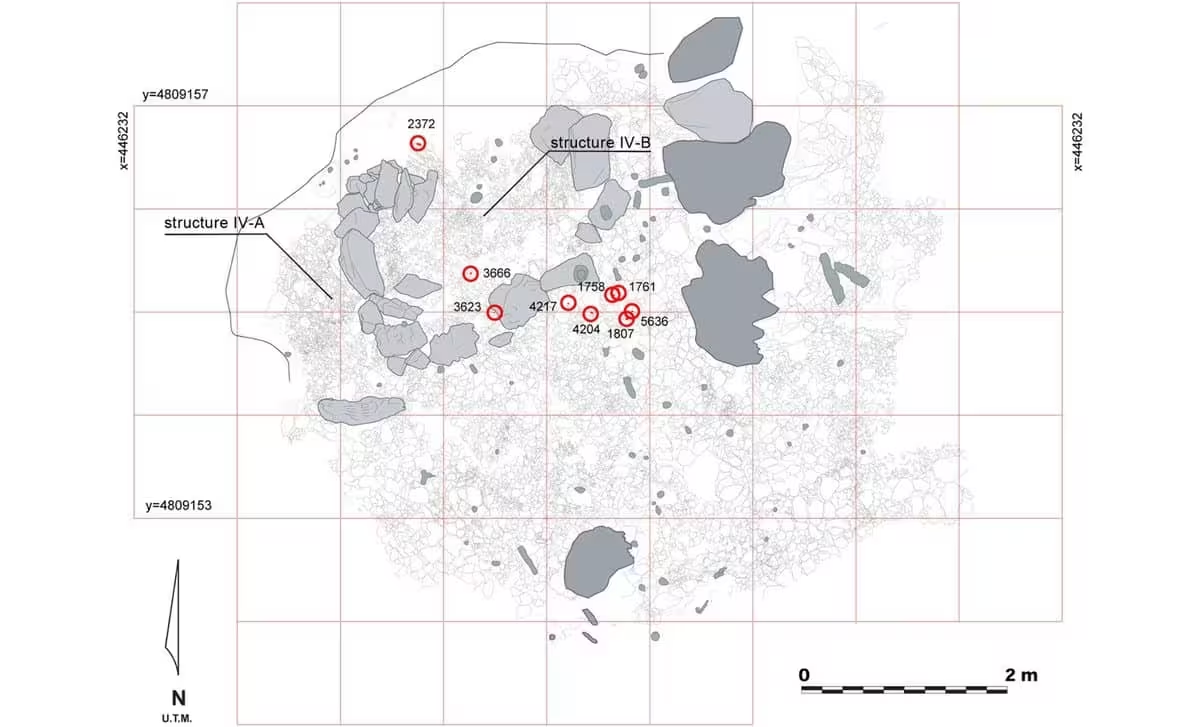
Excavations within the main chamber have revealed a distinct oval living area spanning approximately 5 square meters. Defined by strategically placed stone blocks and natural stalagmites, the space appears to have been anchored by a structure of hides and timber leaning against the cave wall. At the heart of this domestic zone sits a hearth, surrounded by the remnants of daily survival—over 4,614 artifacts, including stone tools, needles, and specialized hunting implements like proto-harpoons.
Beyond utility, the site offers a window into the symbolic life of the Magdalenian people. Among the collection are ornate pendants crafted from the bones of deer, horses, and bison. Most striking is a rare aurochs bone featuring delicate engravings of both an aurochs and a human face, an artifact currently considered unique in the context of Paleolithic Europe. According to the detailed analysis published by Marián Cueto and her team in PLOS ONE, the lack of post-depositional disturbance makes this site an unparalleled laboratory for understanding human behavior and activity patterns.
Evidence of Apex Predator Exploitation
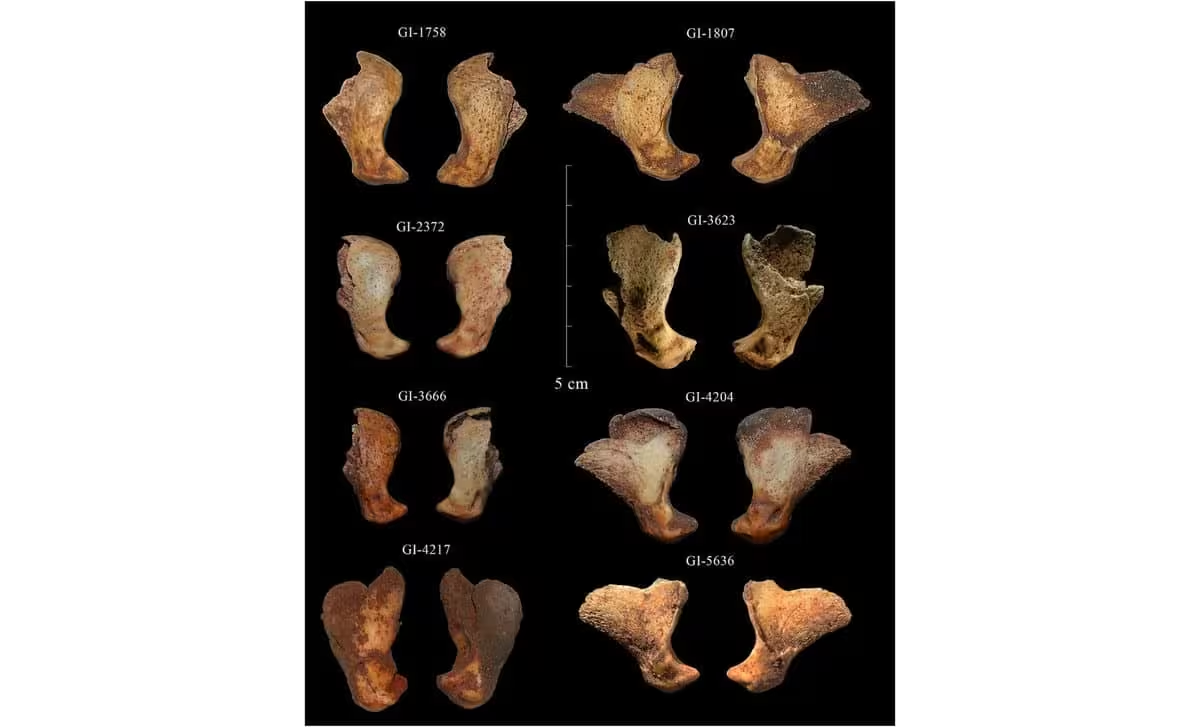
Perhaps the most compelling find within Zone IV of the gallery is a collection of nine distal phalanxes from a single Eurasian cave lion (Panthera spelaea). Examination of these remains reveals deliberate, systematic processing. Eight of the bones feature repetitive, precise cut marks around the joints, indicating that humans used stone tools to skin the animal in a way that kept the claws intact with the pelt. The absence of other skeletal elements suggests that only the skin—likely used for insulation or ritual purposes—was brought into the cave.
Radiocarbon dating of the phalanxes places this interaction at approximately 13,832 years ago, during the Middle Magdalenian period. While the exact circumstances of how the lion was acquired—whether through active hunting or opportunistic scavenging—remain a subject of debate, the find provides critical data for the broader narrative of cave lion extinction. By documenting human engagement with this apex predator in the late stages of the Ice Age, researchers can better weigh the impact of human activity alongside environmental shifts and declining prey populations. Ultimately, La Garma serves as a rare, high-definition snapshot of how our ancestors navigated and utilized the formidable wildlife of the Pleistocene.
This article has been fact checked for accuracy, with information verified against reputable sources. Learn more about us and our editorial process.
Last reviewed on .
Article history
- Latest version
Reference(s)
- Cueto, Marián. “Under the Skin of a Lion: Unique Evidence of Upper Paleolithic Exploitation and Use of Cave Lion (Panthera spelaea) from the Lower Gallery of La Garma (Spain).”, vol. 11, no. 10, pp. e0163591, doi: 10.1371/journal.pone.0163591. <https://journals.plos.org/plosone/article?id=10.1371/journal.pone.0163591>.
Cite this page:
- Posted by Hassan Raza