How John Williams Created the Iconic Sound of Jurassic Park Without Seeing the Finished Film
How an iconic film score was recorded without the director present, creating a soundtrack that became inseparable from the movie’s most memorable scenes.
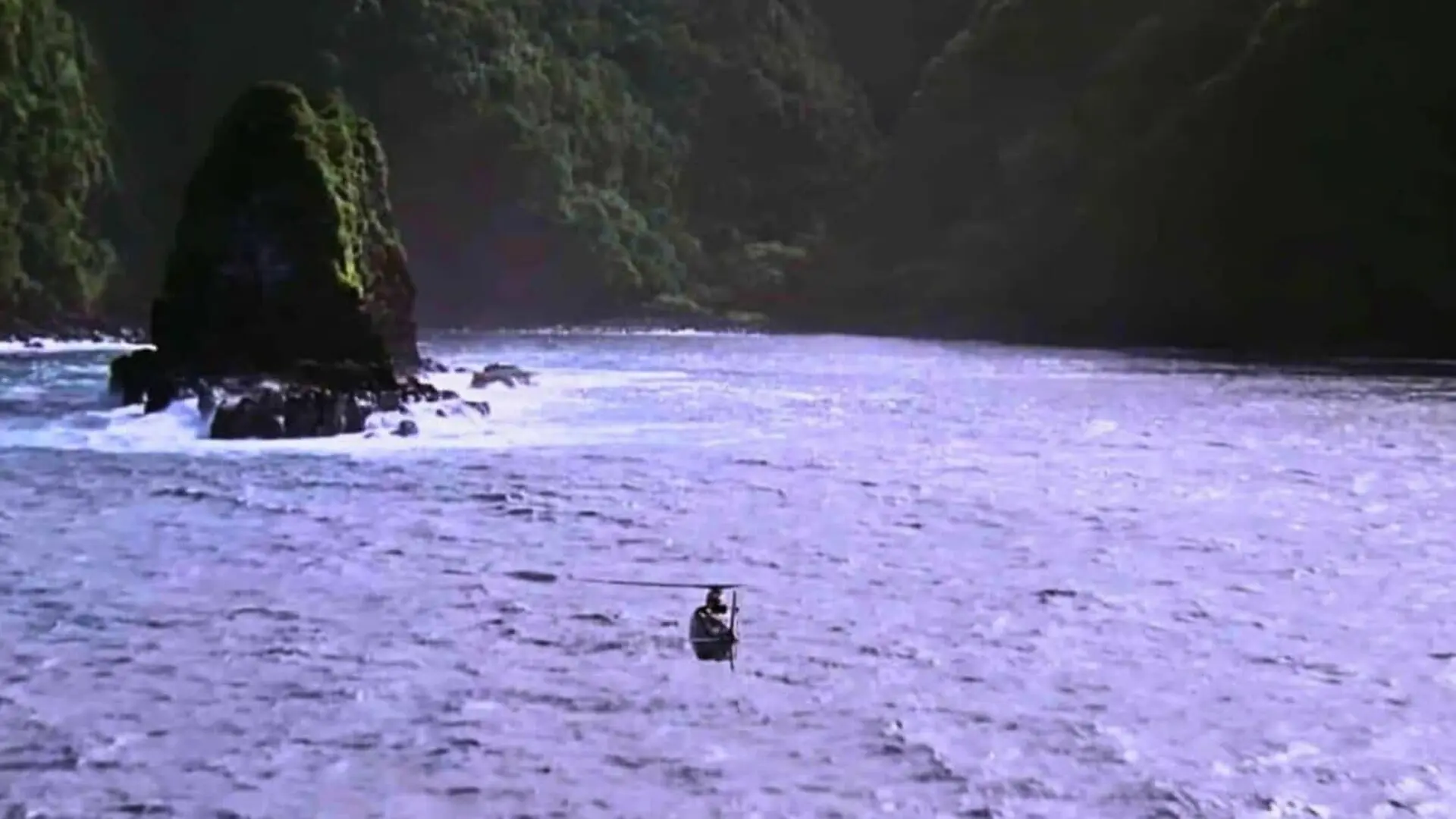
When audiences first witnessed the awe-inspiring reveal of the Brachiosaurus in the 1993 blockbuster Jurassic Park, the film famously paused to let the sheer scale of the creature sink in. This deliberate pacing was mirrored by the iconic musical score by John Williams, which transformed what could have been a scene of terror into one of profound reverence.
Williams approached the project with the goal of capturing the unique blend of fascination and respect that children experience when exploring natural history museums. By steering away from simple “monster movie” tropes, he sought to define the dinosaurs as living, breathing animals rather than mere antagonists. Production on the score began in February 1993, well before the film’s complex visual effects were finalized, necessitating a modular approach that utilized three distinct themes to navigate the film’s shifts between discovery, adventure, and peril.
A Strategic Musical Framework
The composer organized the film’s emotional landscape into a trio of core motifs. The first focused on the herbivorous dinosaurs, carrying an almost spiritual weight. A second, more kinetic theme provided a flexible backdrop for the excitement of scientific breakthroughs and the subsequent chaos of the park’s failing infrastructure. The third was a sharp, four-note motif associated with apex predators like the Tyrannosaurus rex and the Velociraptors.
However, Williams and director Steven Spielberg were careful not to over-rely on these cues. In the chilling sequence featuring the initial T. rex breakout, for instance, the film opts for total silence, allowing the ambient sounds of rain and metal debris to heighten the suspense. Later, during the film’s climax, Spielberg made a notable creative choice to use the adventure theme rather than the predatory motif, effectively framing the T. rex as an unexpected, heroic intervention against the Velociraptors.
Logistical Hurdles and Creative Collaboration
The recording session on March 30, 1993, marked a historic departure in the long-standing collaboration between Spielberg and Williams. Because the director was in Poland filming Schindler’s List, he was unable to attend the sessions, marking the first time he had missed a recording date with the composer. The two worked around the distance, with Williams previewing the score on the piano before Spielberg departed, and later sending segments of the work via audio cassette.
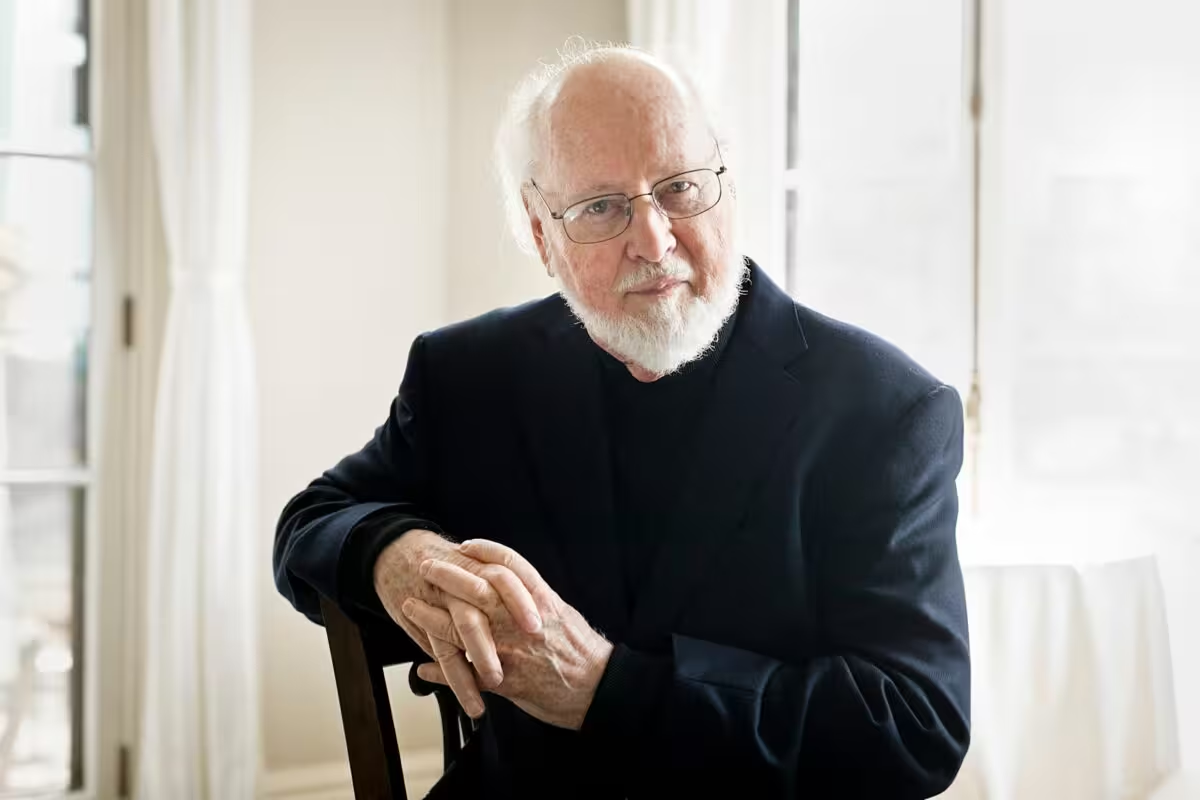
This period of production was notoriously intense. While Williams was crafting an emotional identity for creatures that were still being rendered by computer graphics teams and animatronics experts at Industrial Light & Magic, the studio was pushing the boundaries of digital effects. Despite the evolving nature of the visuals, the score provided a stable emotional anchor for the film’s narrative.
Legacy of a Cinematic Landmark
Upon its release on June 11, 1993, Jurassic Park became a global phenomenon, eventually becoming the first film to surpass $1 billion in worldwide box office receipts. The score, orchestrated by Alexander Courage and John Neufeld, earned widespread critical acclaim, including nominations for Saturn and Grammy awards, as well as a BMI Film Music Award.
The soundtrack was made available to the public in May 1993, shortly before the film hit theaters. Over two decades later, a 20th-anniversary digital edition was released featuring additional tracks personally selected by Williams, cementing the score’s status as a masterpiece of modern film composition that helped define the scale and wonder of the prehistoric world.
This article has been fact checked for accuracy, with information verified against reputable sources. Learn more about us and our editorial process.
Last reviewed on .
Article history
- Latest version
Reference(s)
- projects, Contributors. “1993 film by Steven Spielberg.”, August 7, 2002 Wikimedia Foundation, Inc. <https://en.wikipedia.org/wiki/Jurassic_Park>.
- projects, Contributors. “American composer and conductor (born 1932).”, December 4, 2002 Wikimedia Foundation, Inc. <https://en.wikipedia.org/wiki/John_Williams>.
Cite this page:
- Posted by Hassan Raza