Rare Fossil Footprint Reveals Forgotten Mammalian Predator Once Roamed Antarctica
Scientists have discovered a mysterious, coin-sized fossilized footprint in Antarctic volcanic mud, marking a prehistoric find unlike anything seen before.
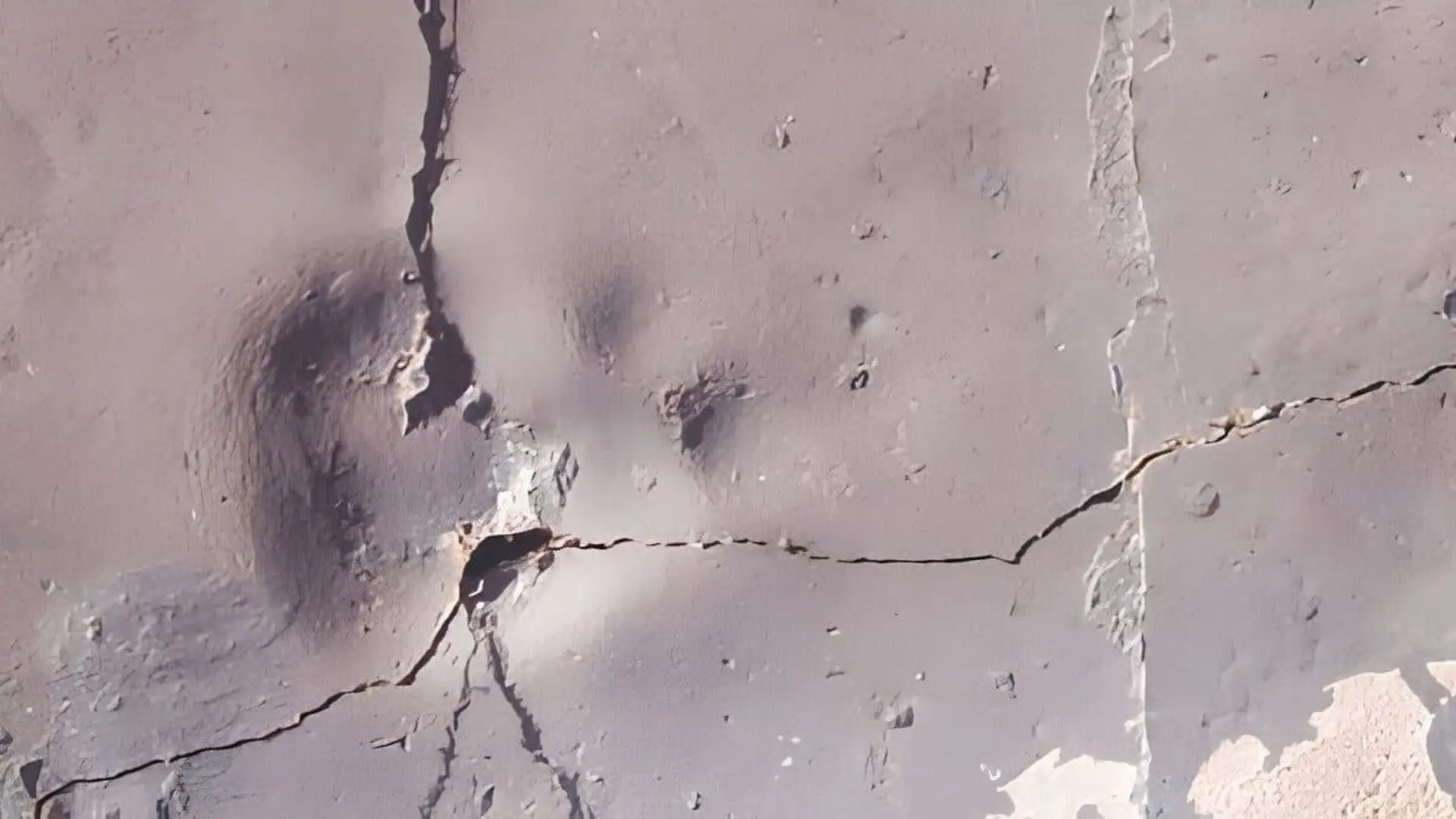
Paleontologists have uncovered a remarkable fossilized footprint on a remote island off the coast of Antarctica, providing the first tangible evidence that predatory mammals once roamed the frozen continent. Dating back approximately 55 million years, the trackway suggests that a cat-sized carnivore, likely related to ancient opossums, navigated the Antarctic landscape long before it became an ice-covered wasteland.
For decades, researchers have relied on fragmented evidence—scattered teeth, skeletal remains, and plant fossils—to reconstruct Antarctica’s Eocene environment. Because direct traces of terrestrial mammals were largely missing from the fossil record, the prevailing scientific consensus maintained that the continent’s ancient forests were dominated by avian apex predators rather than mammalian hunters.
A Significant Discovery in a Protected Ecosystem
The specimen, cataloged as T-373, was identified within the Fossil Hill Formation on King George Island’s Fildes Peninsula. This site is designated as an Antarctic Specially Protected Area due to its wealth of preserved biological history, which includes ancient feathers and flora that paint a portrait of a once-temperate coastal habitat. Dr. Héctor Mansilla-Vera of the Instituto Antártico Chileno and his international team of collaborators noted that while mammal fossils from the Eocene-Oligocene periods have been documented on Seymour Island, the broader record across the continent remains strikingly sparse.
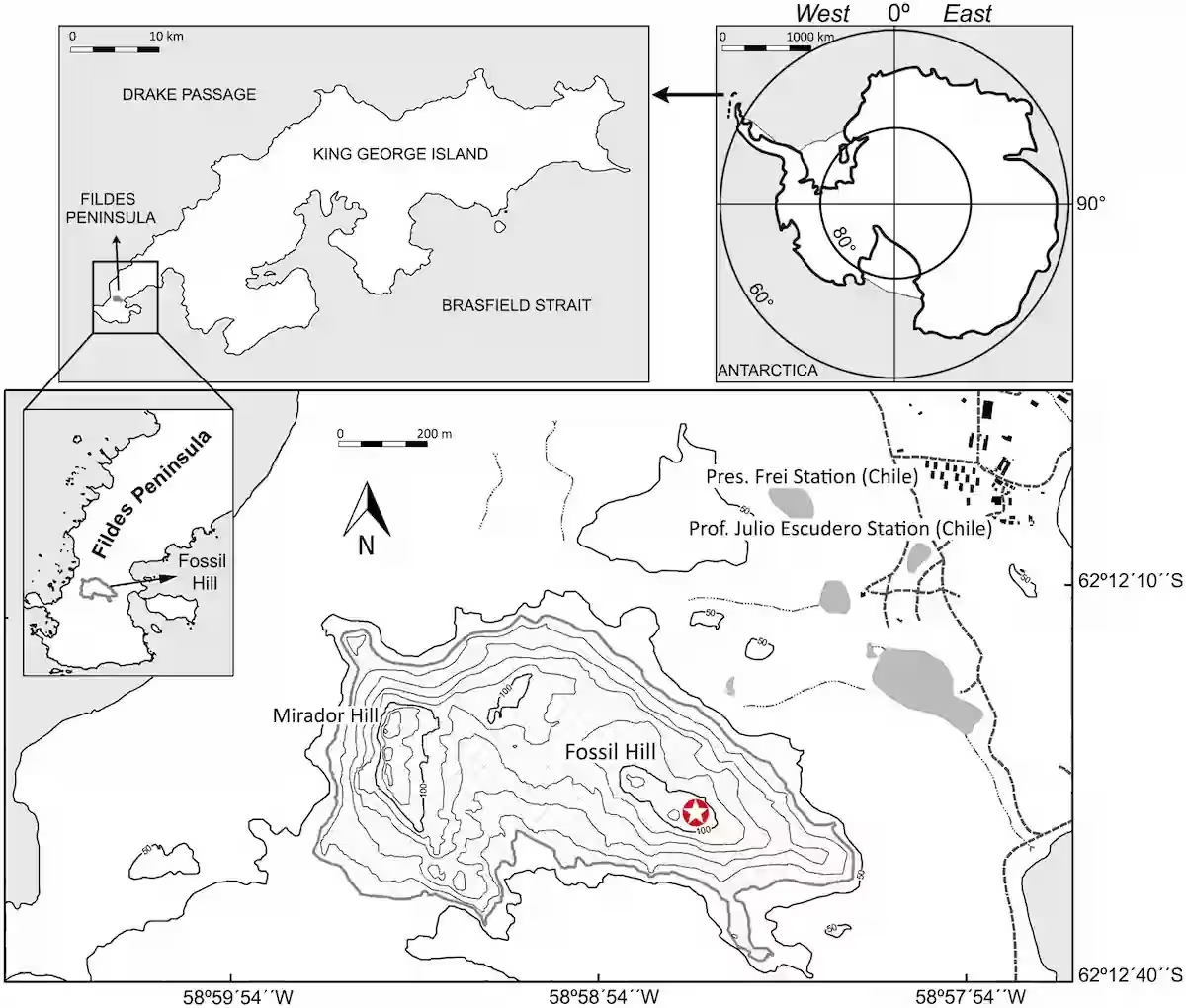
According to the research team, the mammalian fossil record in Antarctica is heavily biased, restricted mostly to isolated teeth on Seymour Island. The lack of broader findings has made the T-373 footprint a critical piece of evidence in understanding a continent where land-dwelling mammals are now entirely absent.
Unmasking an Ancient Predator
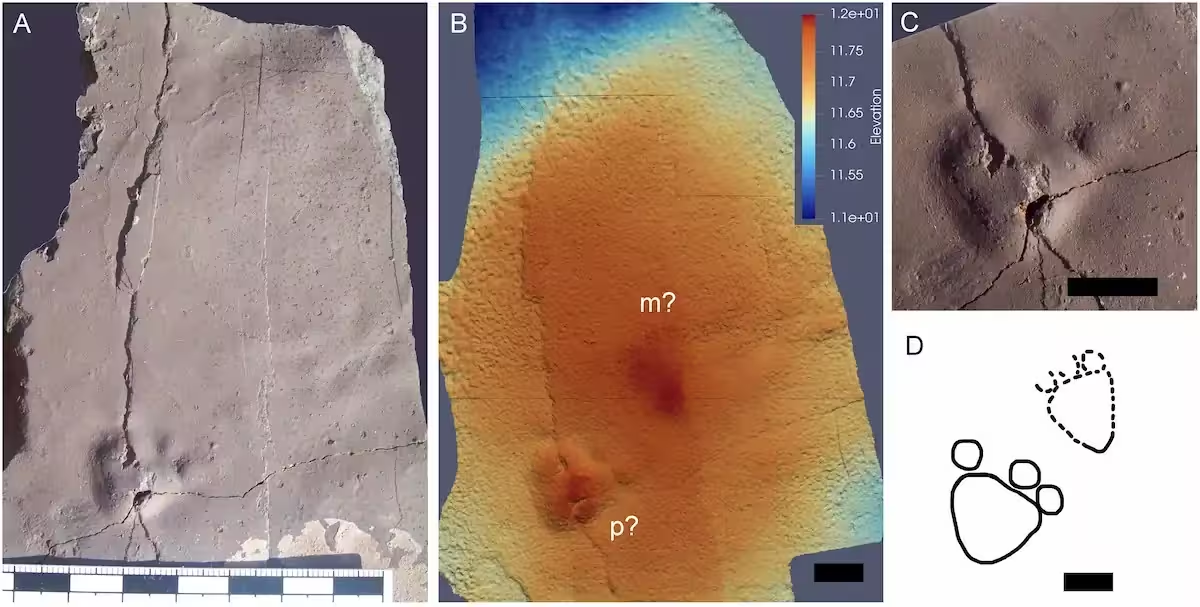
Detailed in the journal Polar Biology, the footprint reveals the anatomical signatures of a digitigrade walker—an animal that moved on its toes rather than its heels. The print features three rounded toe pads arranged in an arc and a triangular heel pad, with no indications of claws. By applying biomechanical formulas to the size of the track, the team estimated the creature weighed approximately 1.3 kilograms.
The morphology and estimated mass align closely with the Hathliacynidae, a family of extinct sparassodonts. These weasel-like, marsupial-related predators were common in Patagonia during the same epoch. While no bones or teeth belonging to this group have been recovered in Antarctica, the footprint provides the first physical confirmation of their presence on the continent.
Rewriting the Ecological History of the South
This discovery forces a reassessment of the Antarctic food web 55 million years ago. It suggests that land bridges, which once connected Antarctica to South America, allowed for the migration of terrestrial species before tectonic shifts and climatic cooling isolated the continent. This shift in understanding challenges the long-held assumption that the region’s early predators were exclusively avian, such as the terror birds that populated similar southern latitudes.
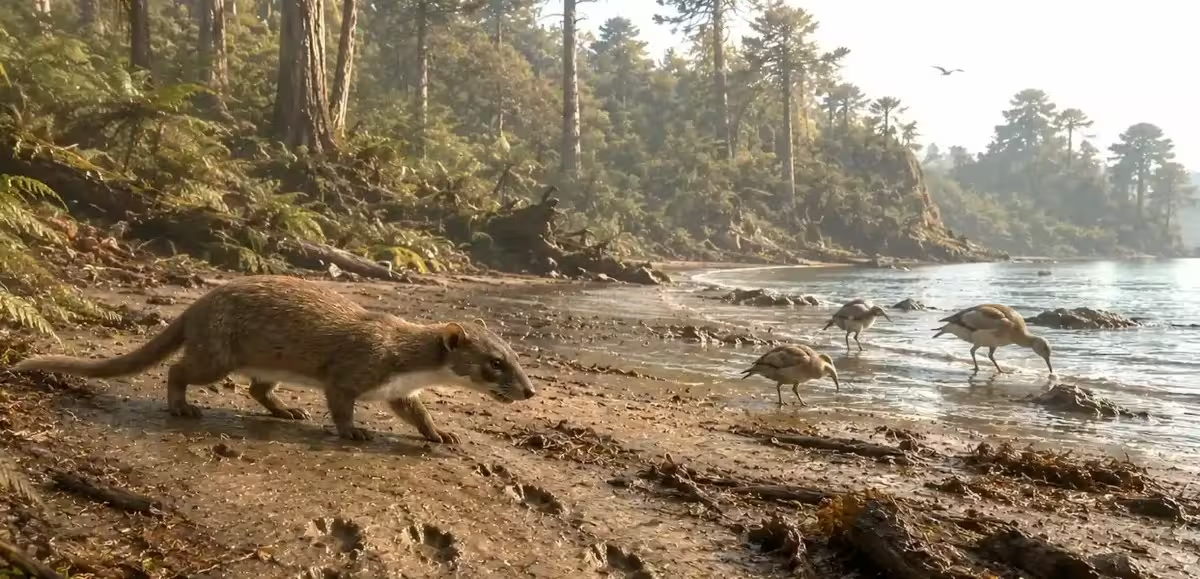
By identifying this ichnological evidence, scientists have opened a new chapter in Antarctic paleontology. As the study authors conclude, the findings offer definitive proof that endemic South American predators had successfully expanded their range into the high latitudes of the Southern Hemisphere during the early Paleogene.
This article has been fact checked for accuracy, with information verified against reputable sources. Learn more about us and our editorial process.
Last reviewed on .
Article history
- Latest version
Reference(s)
- Mansilla-Vera, Héctor., et al. “First mammal tracks from the Eocene of Antarctica.” Polar Biology, vol. 49, no. 3, August 24, 2026 Springer Science and Business Media LLC, doi: 10.1007/s00300-026-03539-1. <https://link.springer.com/article/10.1007/s00300-026-03539-1>.
Cite this page:
- Posted by Hassan Raza