Animal Bones Push Indus Valley Origins Back 8,000 Years, Upending Monsoon Collapse Theory
New 8,000‑year‑old settlement reshapes Indus Valley history, revealing a startling cause for the collapse of its great cities.
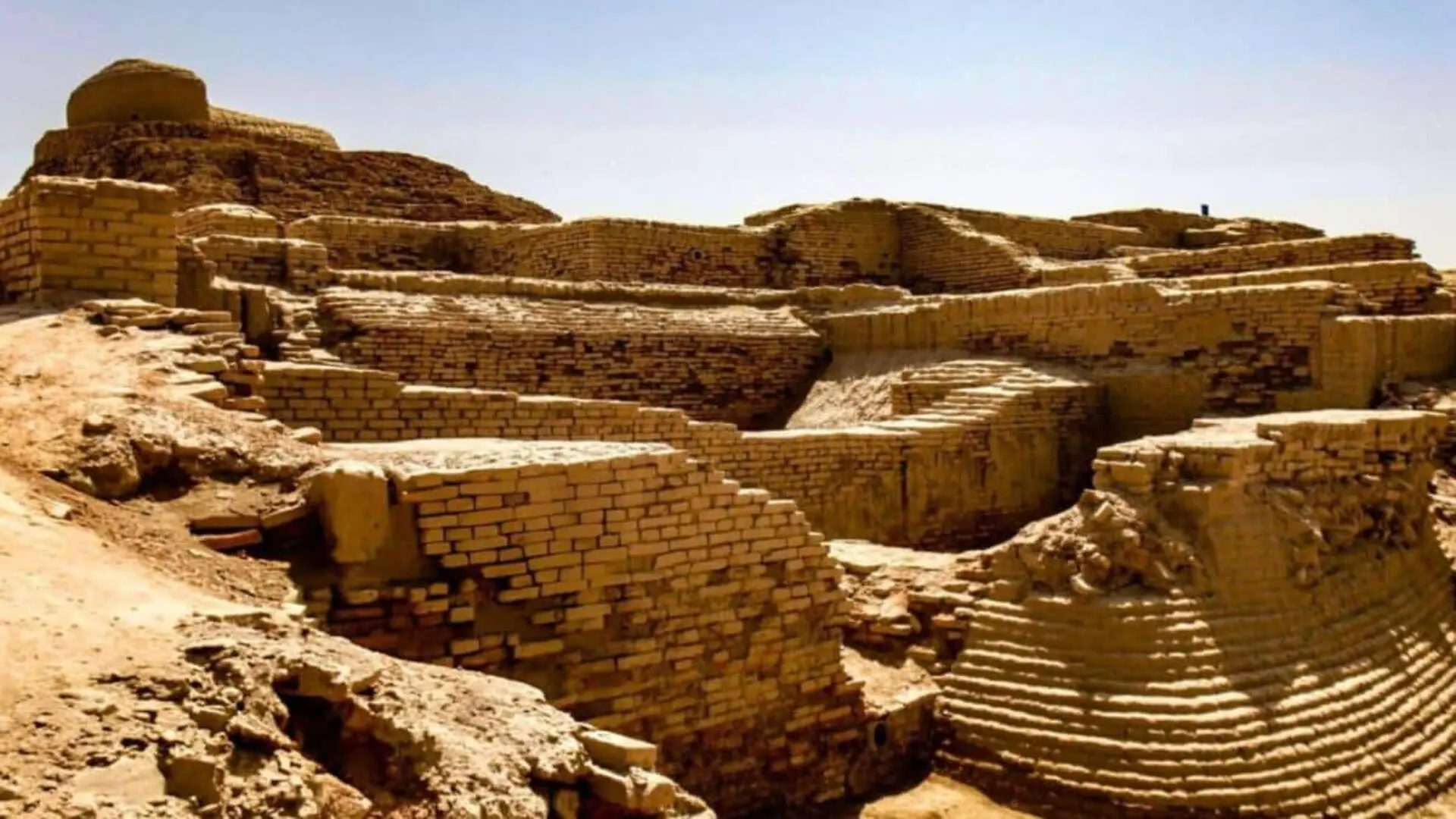
Excavations in a trench at Bhirrana, Haryana, have yielded animal bones and teeth that record five millennia of climate change, prompting a major revision of the timeline for the Indus Valley civilization. The data extend the settlement’s beginnings to roughly 8,000 years ago and call into question the idea that an abrupt monsoon collapse triggered the culture’s downfall. Researchers extracted oxygen‑isotope ratios from the animal remains found in successive archaeological layers to build the climate profile.
This is the first time a direct climate proxy from a Harappan habitation has been paired with its human occupation record. Earlier climate reconstructions depended on lake cores from the Thar Desert or marine sediments from the Arabian Sea, both distant from the actual settlement sites.
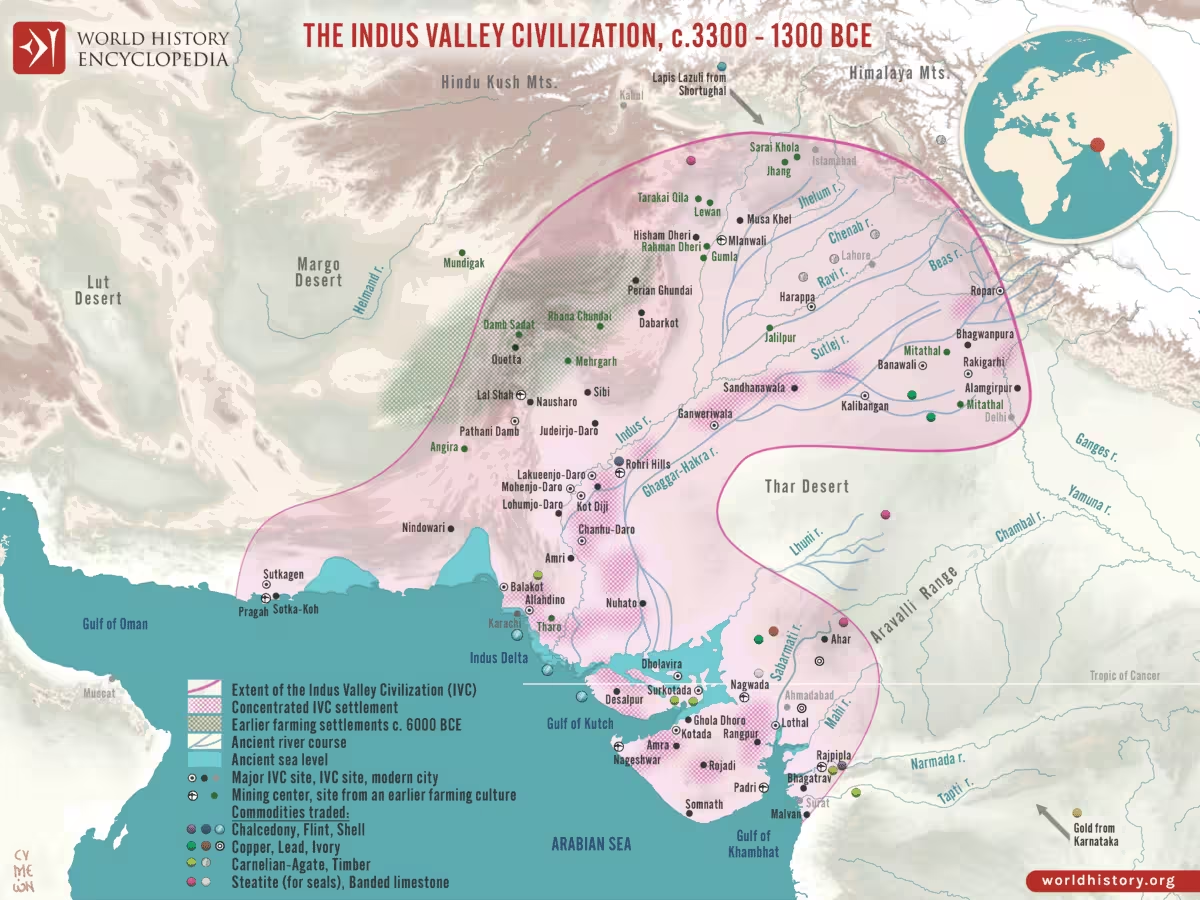
Those broader records captured regional climate trends but could not pinpoint whether environmental shifts coincided with cultural change. Bhirrana’s trench, preserving every major cultural phase in a single stratigraphic column, allows a side‑by‑side comparison of rainfall patterns and settlement dynamics.
The findings appear in Scientific Reports, authored by scientists from the Indian Institute of Technology Kharagpur and partner institutions, and carry implications for the age and evolution of the civilization.
Revised Timeline Shifts Harappan Origins Earlier
The lowest occupation horizon at Bhirrana contains Hakra‑type pottery, linked to pre‑Harappan groups along the Ghaggar‑Hakra river basin. Radiocarbon analysis of charcoal from this layer returned an average age of about 8,350 years before present, with individual dates spanning 8,597 to 8,171 years ago. This pushes the site’s founding back several millennia beyond conventional Harappan chronologies.
To verify the radiocarbon results, the team also applied optically stimulated luminescence dating to two sherds. A fragment from the Mature Harappan level, located 42 cm deep, yielded an age of roughly 4,800 years, while a piece from the Early Mature Harappan stratum, at 143 cm, dated to about 5,900 years. Both ages align with the carbon‑14 sequence and confirm the trench’s stratigraphic integrity.
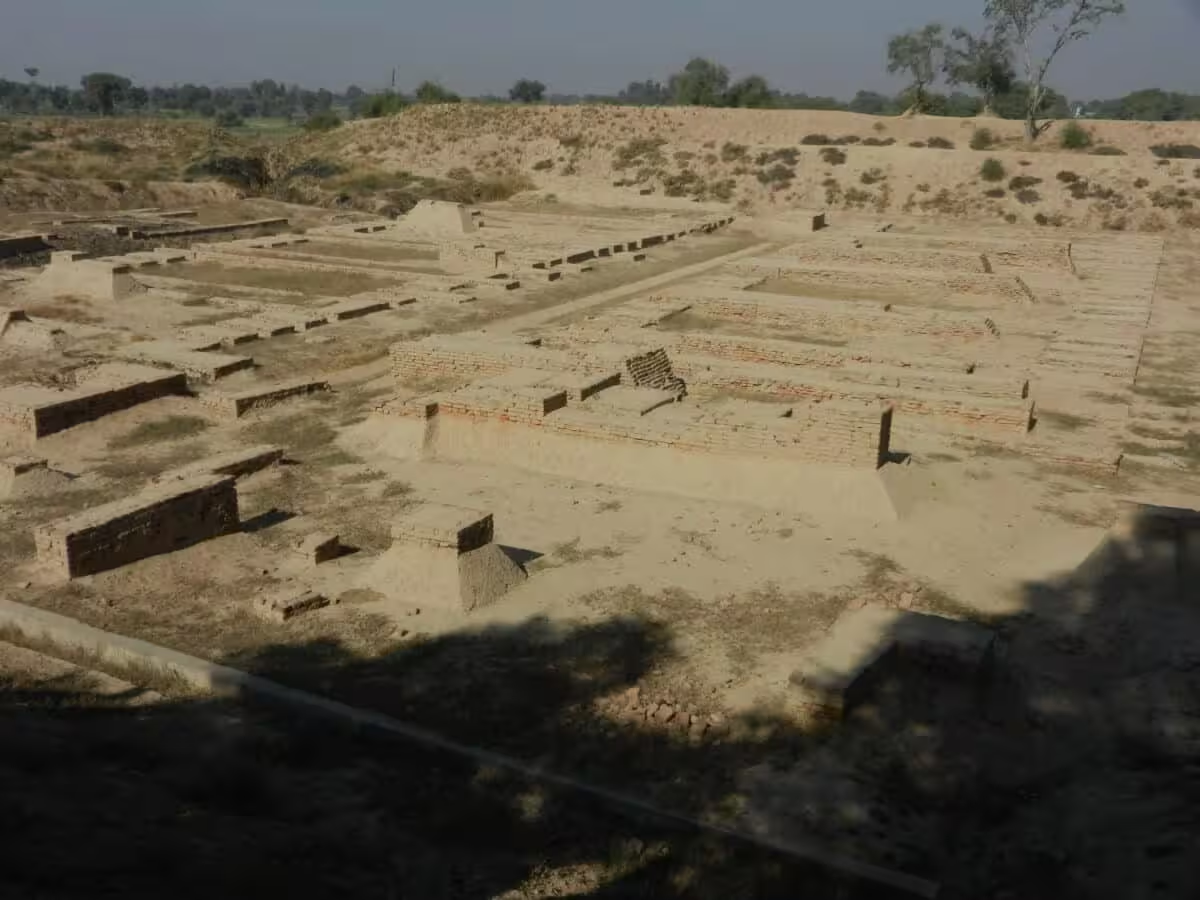
Combined, the dates indicate continuous occupation from before 8,000 years ago until roughly 2,800 years ago. The sequence comprises four cultural stages: pre‑Harappan Hakra, Early Harappan, Early Mature Harappan, and Mature Harappan. The final stage is marked by planned urban layouts, standardized weights, long‑distance trade, advanced crafts, and an undeciphered script. Because each stage appears within the same excavation column, Bhirrana offers a coherent narrative of cultural development.
The new chronology also reshapes comparisons with contemporary ancient societies. Egypt’s earliest dynastic rulers emerged around 5,100 years ago, by which time Bhirrana had already been inhabited for several thousand years. Earlier timelines placed the first Harappan phases at about 5,700 years before present; the revised dates extend the settlement’s history by more than two millennia, suggesting that regional roots of the urban civilization were established far earlier than previously thought.
Monsoon Weakening Occurred While Settlement Persisted
Oxygen‑isotope ratios in animal enamel and bone serve as a proxy for past rainfall because the proportion of heavy to light oxygen reflects the water ingested during an animal’s life. Strong monsoon rains produce lighter isotopic signatures, whereas weaker rains leave heavier signatures. By measuring these ratios in samples from successive layers, the team reconstructed changes in monsoon intensity over thousands of years of habitation.
The isotope record indicates that the earliest occupants arrived during a relatively humid interval between 9,000 and 7,000 years ago. During this early Holocene peak, the Ghaggar‑Hakra river system—now represented mainly by dry channels across the Thar Desert—likely carried substantially more water. Researchers estimate that annual precipitation may have exceeded modern levels by 100 to 150 mm, sustaining a more vigorous river network in an otherwise semi‑arid setting.
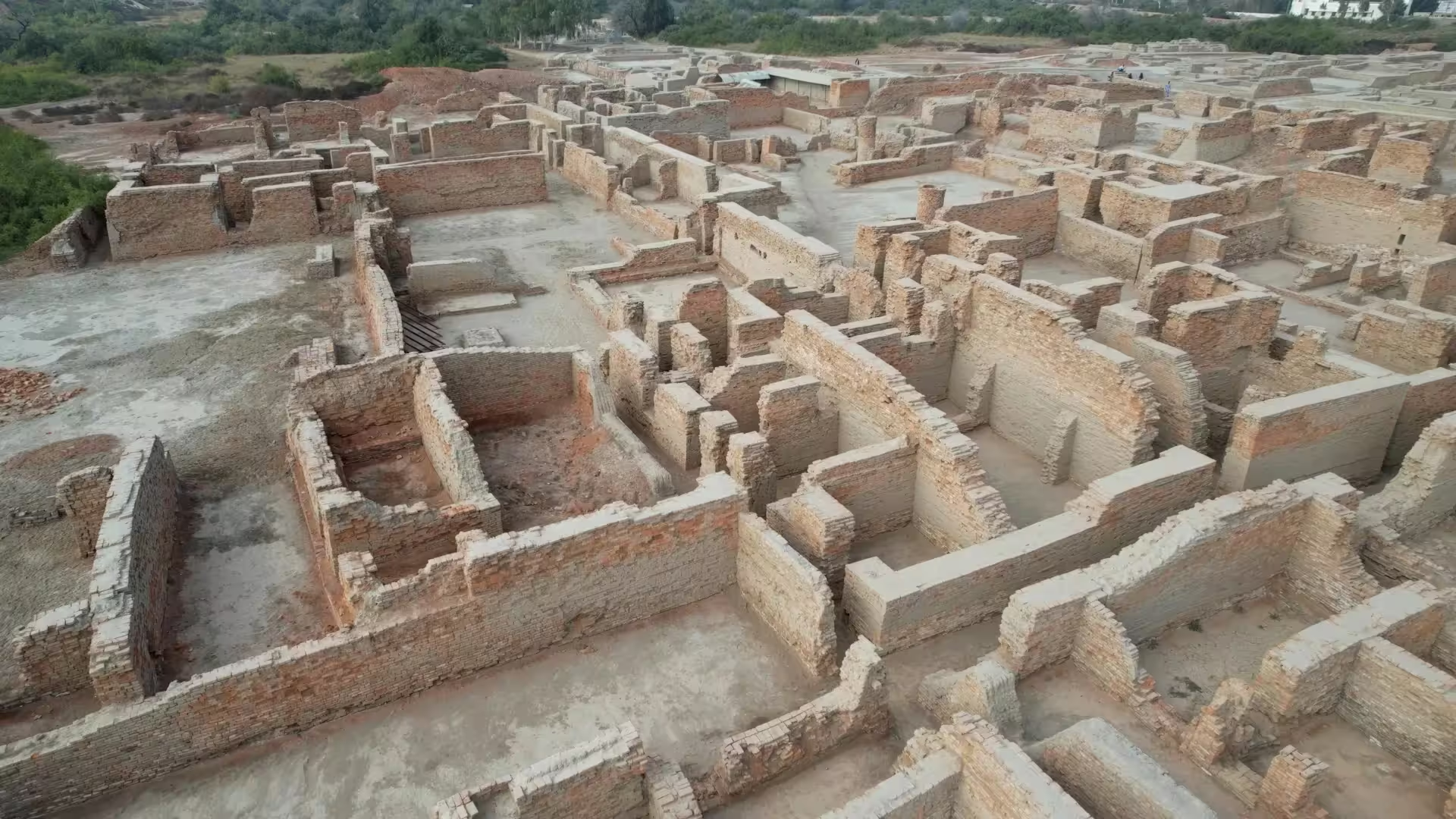
After about 7,000 years ago, monsoon strength entered a prolonged decline, with isotope values from later layers progressively reflecting drier conditions. By the late Mature Harappan phase, the signatures approached those typical of today’s non‑monsoon months. Over centuries, such drying could have converted perennial rivers into seasonal streams or completely dry channels.
Despite the waning rains, Bhirrana’s occupation continued uninterrupted. Animal remains from the wetter early layers include abundant freshwater fish, turtle shells, and domestic buffalo—species that thrive in well‑watered environments. Later layers show fewer of these remains, yet there is no evidence of an abrupt abandonment.
Gradual Crop Adaptation Replaced Sudden Collapse Theory
These results undermine models that attribute the Harappan decline to a catastrophic monsoon failure around 4,100 years ago—a drought event that also affected Mesopotamia and China. While the isotope data confirm a trend toward drier conditions, Bhirrana’s continuous settlement record shows no abrupt cultural rupture coinciding with that event.
Instead, the authors highlight a slow shift in agricultural practices. Botanical analyses from Farmana, located about 100 km southwest of Bhirrana, reveal a steady reduction in wheat and barley during the later Harappan period. These water‑intensive winter crops were well‑suited to floodplain agriculture under stronger monsoons, but became less viable as precipitation declined.
Farmers responded by increasing the cultivation of drought‑tolerant summer crops such as millets and rice, which require less reliable rainfall. Similar crop transitions at multiple Harappan sites point to a broader adaptive strategy rather than an isolated local response.
This agricultural shift likely reshaped social organization. Reduced and more variable yields would have made large, centralized grain‑storage facilities harder to sustain, diminishing the economic advantage of dense urban centers and prompting populations to disperse into smaller, self‑sufficient communities. In this view, the Late Harappan de‑urbanization was a gradual reorganization driven by declining rainfall, evolving crop choices, and changing food distribution networks.
This article has been fact checked for accuracy, with information verified against reputable sources. Learn more about us and our editorial process.
Last reviewed on .
Article history
- Latest version
Reference(s)
- Sarkar, Anindya. “Oxygen isotope in archaeological bioapatites from India: Implications to climate change and decline of Bronze Age Harappan civilization - Scientific Reports.”, vol. 6, no. 1, May 25, 2016, pp. 26555 Nature, doi: 10.1038/srep26555. <https://www.nature.com/articles/srep26555>.
Cite this page:
- Posted by Hassan Raza