Mazon Creek Fossils Reveal Early Tetrapods Skipped Tadpole Stage, Challenging Evolution
Scientists uncover unexpected material in ancient fossils, challenging assumptions and sparking fresh debate over a key evolutionary transition.
A recent study in Science reveals that the first four‑limbed vertebrates may have bypassed the classic amphibian‑like larval phase, challenging long‑standing ideas about how life moved from water onto land.
For years, textbooks have described a stepwise shift from fish to terrestrial vertebrates, with early tetrapods supposedly hatching as aquatic larvae that later metamorphosed into land‑adapted adults. Direct fossil evidence of those early growth stages, however, has been exceedingly scarce—until now.
Mazon Creek: A Window into Ancient Juvenile Anatomy
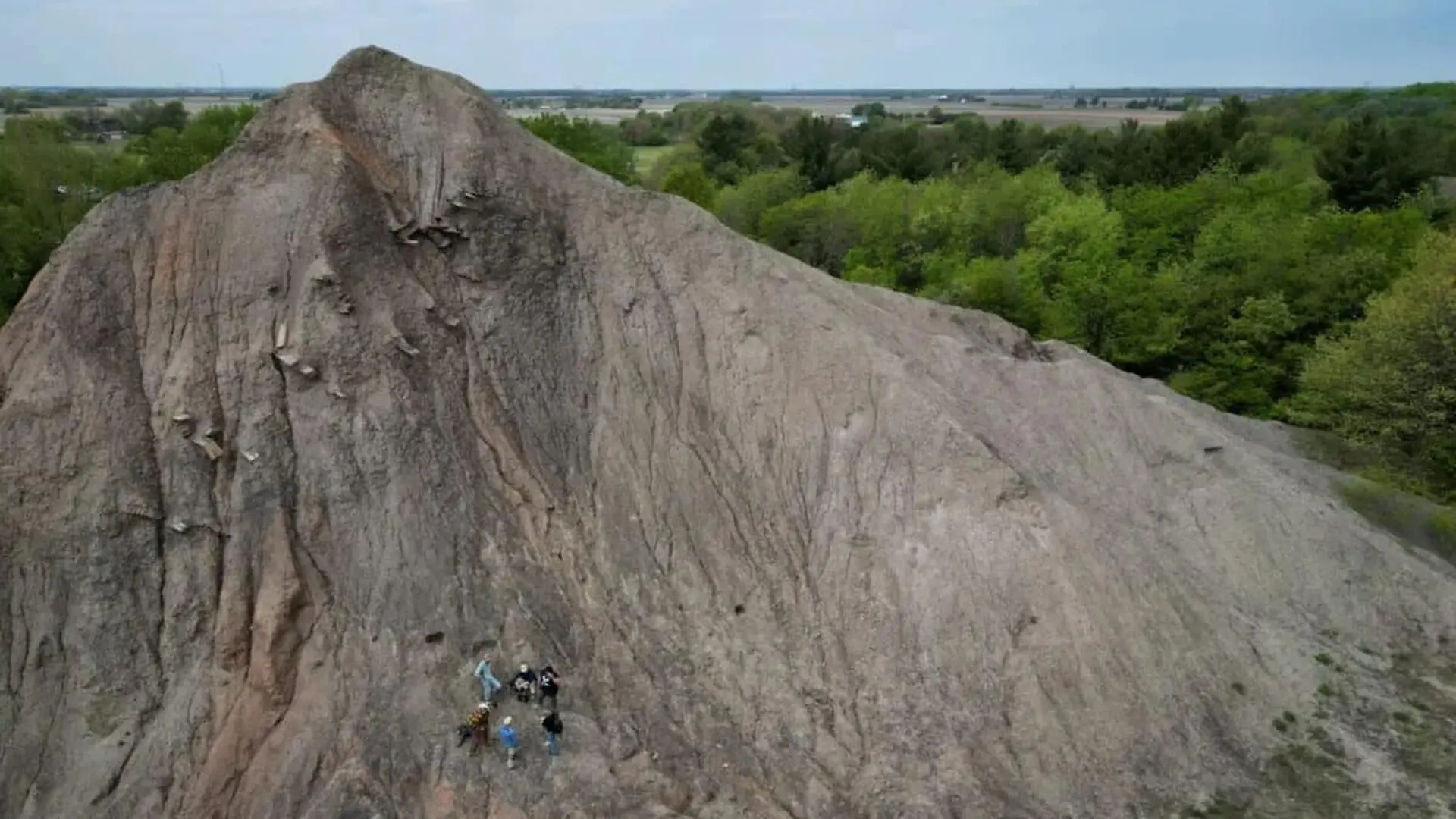
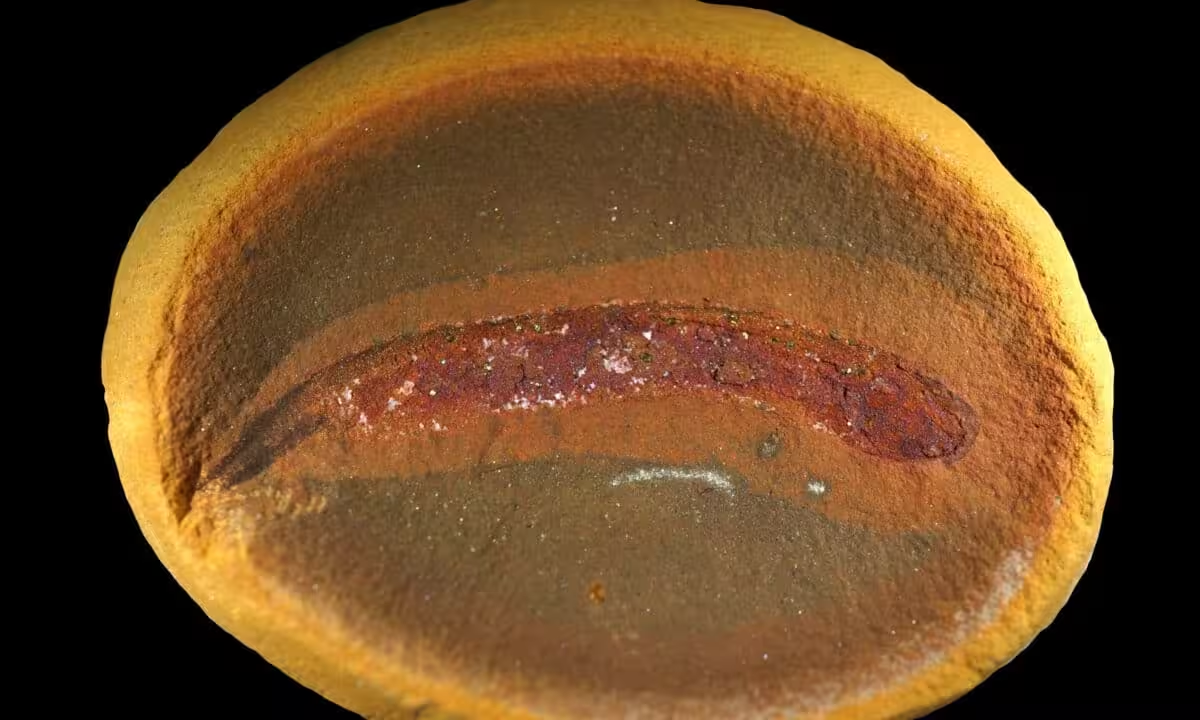
Mazon Creek in Illinois, roughly an hour southwest of Chicago, is famed for preserving soft tissues and fragile skeletal structures. Field Museum researchers note that the locality uniquely captures tiny vertebrates that would otherwise decay, making it a rare source of juvenile fossils.
Dozens of specimens from the deposit, many recovered by citizen volunteers and local collectors, formed the basis of the new analysis. Mann highlighted the collaborative nature of the effort:
“Every single specimen in this paper was a joint effort with the Earth Science Club of Northern Illinois, the Lauer Foundation for Paleontology, Science and Education, and the Field Museum. We could not have done this without the help of lots of scientists, including citizen scientists and volunteers.”
Juvenile Embolomeres Show Direct Development
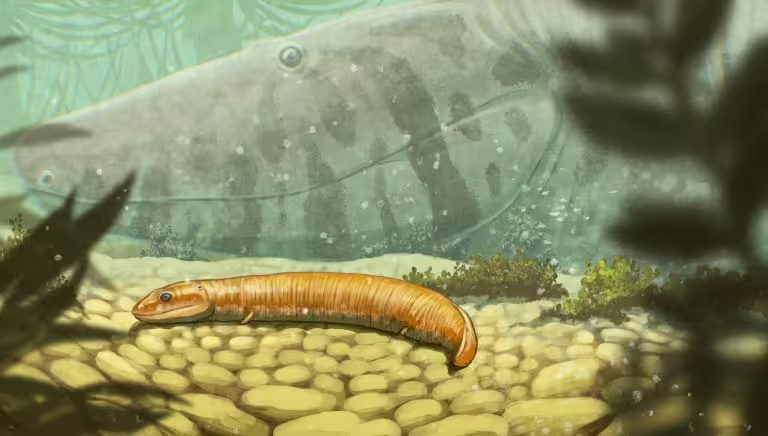
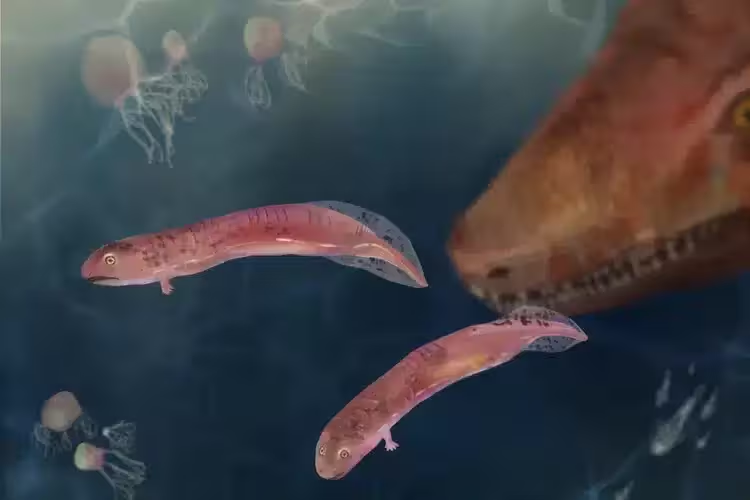
Among the most informative fossils are tiny embryonic embolomeres—early tetrapods that lived roughly 350 to 280 million years ago. While adult members of the group grew to over 10 feet and resembled crocodile‑like predators, the juvenile individuals measured only a few centimeters yet already displayed well‑formed limbs.
Crucially, these youngsters lack any trace of external gills or a tadpole‑shaped body, features that define amphibian larvae. The pattern repeats across multiple lineages, indicating a developmental mode that skips a distinct larval phase.
“This is the first time we’ve had these early, early hatchling animals. This discovery is really a testament to the power of Mazon Creek, the site where these fossils came from.”
He added that the absence of a “tadpole” stage calls into question the long‑held belief that early tetrapods followed an amphibian‑type metamorphosis, a process that depends on a clearly defined larval form (source).
Rethinking the Water‑to‑Land Transition
Metamorphosis has traditionally been viewed as a key adaptation allowing vertebrates to shift from aquatic juveniles to terrestrial adults. The new evidence suggests that at least some early tetrapods grew directly into miniature versions of their adult forms, a strategy more akin to modern reptiles, birds and mammals.
“The story was that metamorphosis is the tool by which animals made the transition from water to land. That story doesn’t work anymore, it’s dust in the wind,” Pardo remarked.
The pattern appears across several Mazon Creek groups, indicating that direct development may have been a widespread strategy among early tetrapods rather than an isolated anomaly.
This article has been fact checked for accuracy, with information verified against reputable sources. Learn more about us and our editorial process.
Last reviewed on .
Article history
- Latest version
Reference(s)
- “Fossilized babies of ancient crocodile-like predators uproot scientists’ understanding of how animals adapted to the land.”, June 18, 2026 <https://www.fieldmuseum.org/about/press/fossilized-babies-of-ancient-crocodile-like-predators-uproot-scientists-understan>.
Cite this page:
- Posted by Hassan Raza