Scientists Uncover Hidden Mycorrhizal Fungi Inside Living Moss Cells in California
Mosses long considered the only land plants without fungal partners, unlike trees and ferns that depend on mycorrhizae for nutrients.
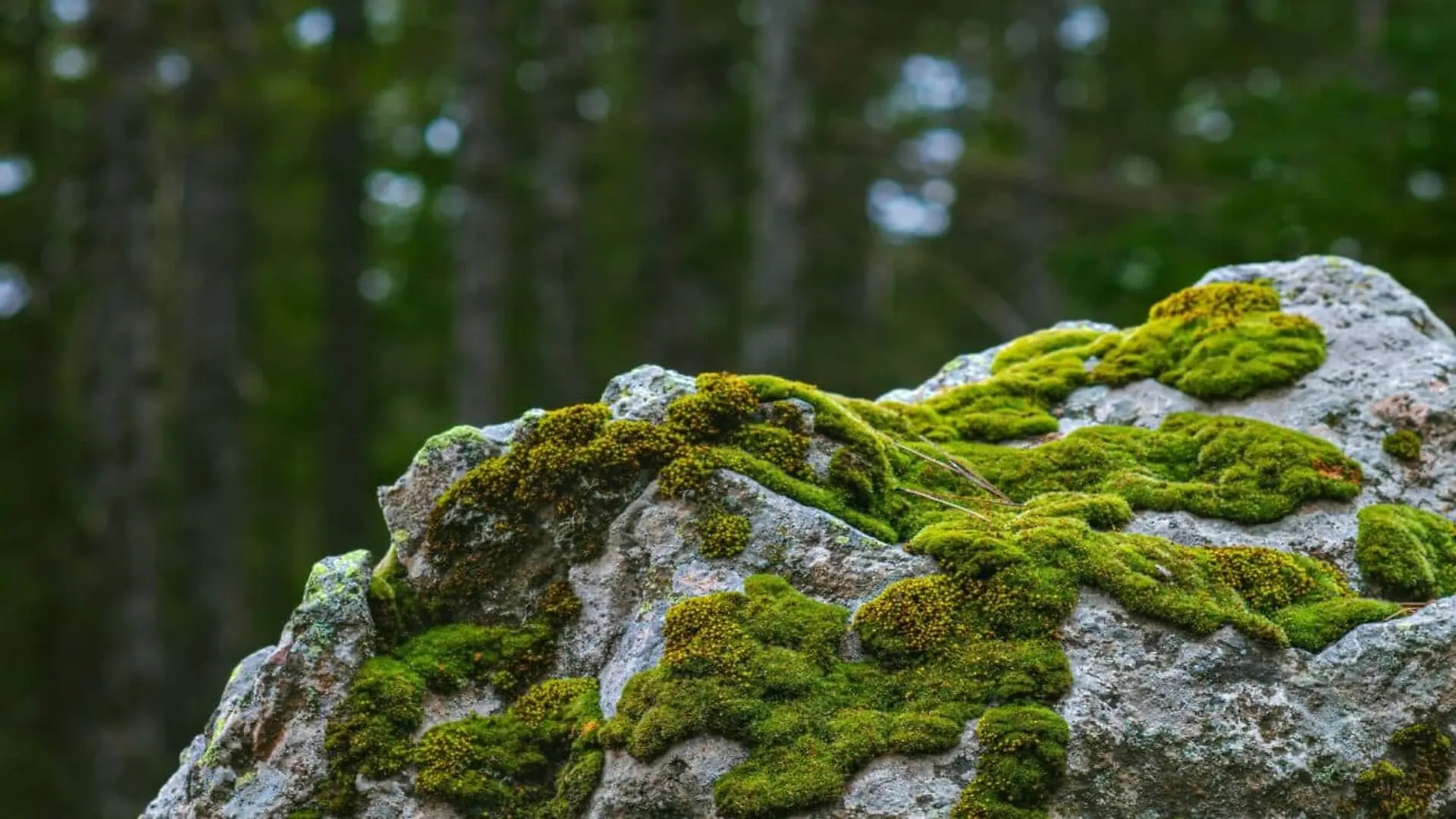
A recent investigation of biological soil crusts across Southern California’s deserts and coastline calls into question the long‑standing assumption that fungi do not form true partnerships with mosses. Researchers from the University of California, Riverside discovered fungal filaments inhabiting healthy moss tissue, including intricate branching structures inside individual cells that closely mimic the nutrient‑exchange organs fungi build within plant roots.
Uncovering Hidden Fungal Communities in Crusts
Biological soil crusts—thin, living mats of cyanobacteria, fungi, algae, lichens and mosses—blanket much of the planet’s arid landscapes and play a crucial role in stabilizing soils. Doctoral candidate Kian Kelly gathered moss‑dominated crust samples from six distinct locations spanning the Mojave Desert, the Colorado Desert and the Southern California coast, each representing markedly different temperature and precipitation regimes.
To distinguish fungi that reside inside the moss from those merely adhering to its surface, the team rinsed each specimen and applied a chemical sterilization protocol before extracting DNA. The approach, detailed in a paper in New Phytologist, uncovered a far richer assemblage of arbuscular mycorrhizal fungi—organisms that depend on living plant hosts—than previous surveys that omitted surface sterilization. Moreover, the fungal DNA recovered from within the moss differed genetically from that retrieved from adjacent bare soil, suggesting the fungi are not accidental contaminants.
Two fungal lineages, Rhizophagus and Glomus, dominated the moss‑associated samples, while a different set of taxa appeared in the surrounding soil. This pattern persisted after accounting for site‑to‑site variation, indicating that moss tissue may actively select for a specific fungal consortium rather than merely acquiring whatever microbes are nearby.
Microscopic Evidence of Intracellular Fungal Networks
DNA data alone could not confirm whether the fungi were truly colonizing living moss cells, so Kelly turned to microscopy. By applying a stain that binds specifically to fungal material, he examined moss collected from Torrey Pines State Natural Reserve and compared it with desert specimens.
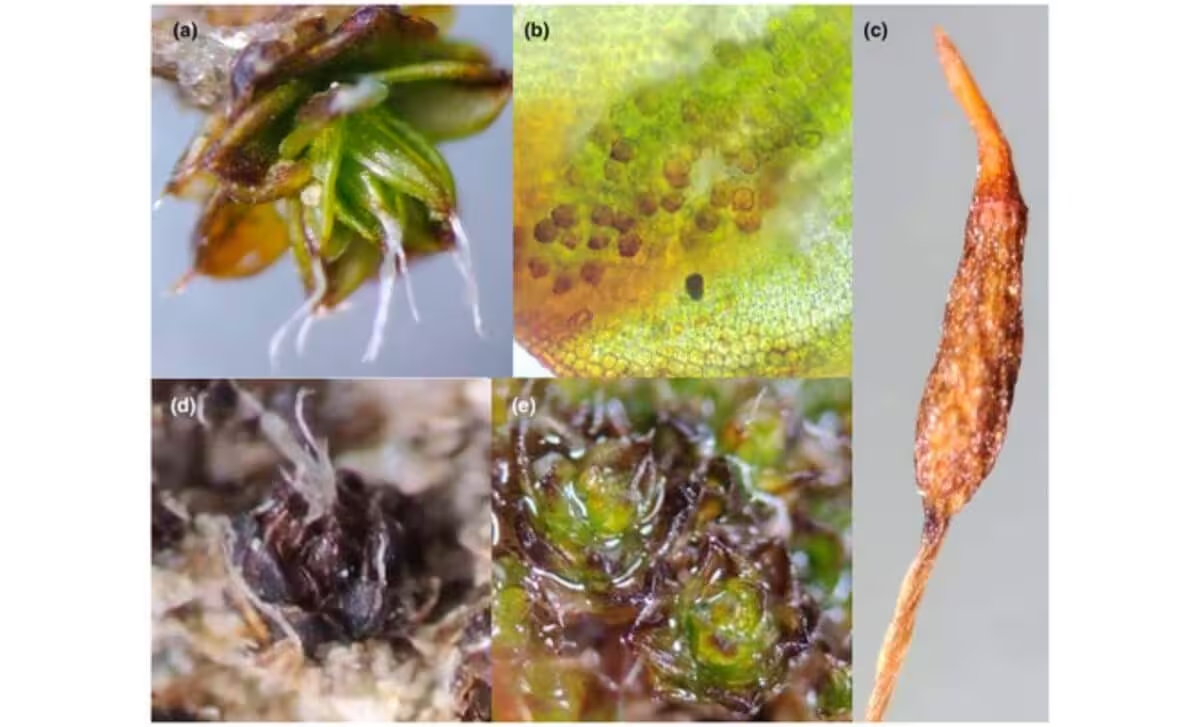
Within healthy cells of the moss Trichostomopsis australasiae, the stain highlighted coiled hyphae, vesicle‑like bodies and branching filaments that closely resemble the arbuscules formed by mycorrhizal fungi in vascular plant roots. Kelly noted that the moment he observed the branching pattern he recognized its significance and pursued it further. No prior work had documented such structures inside living moss cells, and the presence of green, functional tissue suggests the fungi are not merely exploiting dead plant material.
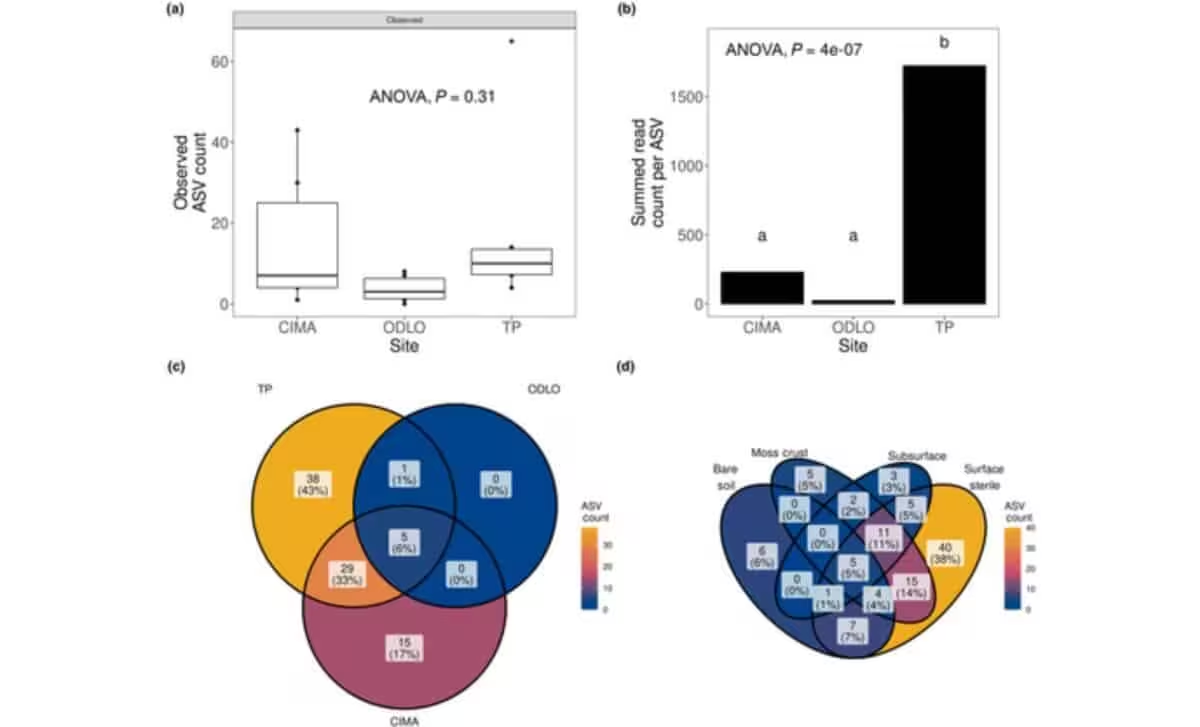
The distribution of these fungi was not uniform across the sampled environments. Glomeromycotina taxa were markedly more abundant in the semi‑arid coastal moss than in the harsher desert samples, and the intracellular branching structures were observed only in the coastal material. Kelly interprets this pattern as a hint that certain fungal partners may confer advantages to mosses coping with elevated temperature and moisture stress, although he cautions that definitive functional benefits will require further experiments, such as tracing nutrient fluxes between the organisms.
Mosses occupy a basal position in the land‑plant lineage, and fungal symbioses are thought to have facilitated the transition of early plants from aquatic to terrestrial habitats around 470 million years ago. Demonstrating a genuine mycorrhizal‑like relationship in mosses would imply that these early pioneers were not excluded from the partnership that reshaped plant evolution. With over 10,000 described moss species and only a fraction examined for internal fungi, the study offers a glimpse into a potentially widespread but largely unexplored facet of dryland ecology.
This article has been fact checked for accuracy, with information verified against reputable sources. Learn more about us and our editorial process.
Last reviewed on .
Article history
- Latest version
Reference(s)
- “Kian H. Kelly.” <https://scholar.google.com/citations?user=QzidOIsAAAAJ&hl=en>.
- Kelly, Kian H.., et al. “Novel Glomeromycotina–moss associations identified in California dryland biocrusts.” New Phytologist, vol. 251, no. 1, May 4, 2026, pp. 151-163. Wiley, doi: 10.1111/nph.71211. <https://nph.onlinelibrary.wiley.com/doi/10.1111/nph.71211>.
- “Torrey Pines State Natural Reserve.” California State Parks <https://www.parks.ca.gov/torreypines>.
Cite this page:
- Posted by Hassan Raza