China’s Future Moon Base May Rely on Robot Dogs for Construction and Patrol
China plans robot dogs to patrol, mine resources and aid astronauts at its 2035 lunar station, boosting space exploration capabilities.
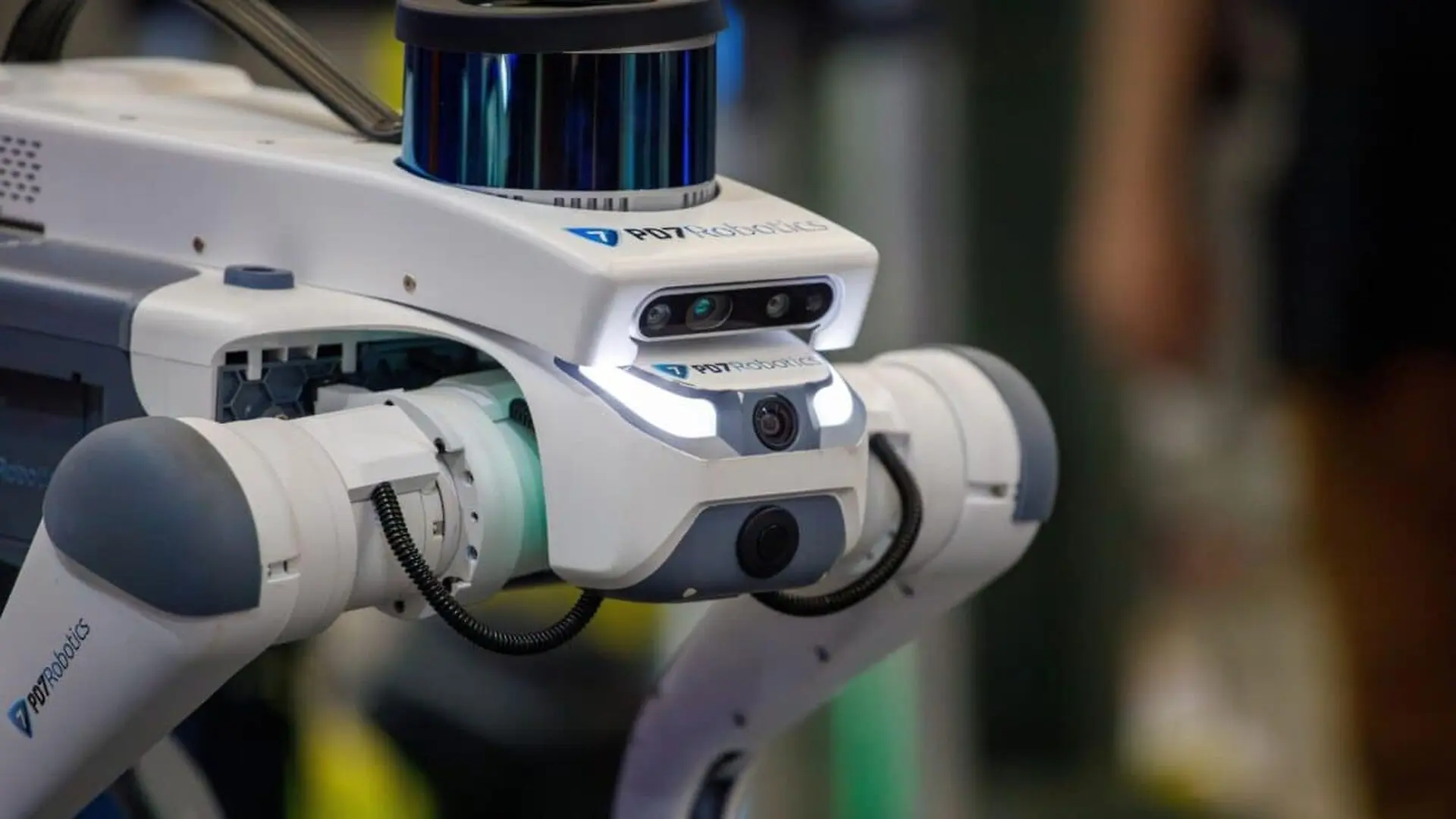
Chinese engineers are exploring the possibility of deploying autonomous quadruped robots on the Moon to assist future crews with exploration, upkeep of habitats, and the construction of a long‑term research outpost. The study suggests that such machines could go beyond simple sample collection, taking on patrol duties, resource scouting, and routine tasks that would otherwise occupy valuable astronaut time.
With the target of launching the International Lunar Research Station (ILRS) by roughly 2035, the proposal outlines how robotic assistants could make a permanent human foothold on the lunar surface more feasible.
Quadruped Robots Envisioned for China’s Future Moon Facility
Instead of traditional wheeled rovers, the envisioned units would rely on four articulated legs capable of navigating slopes, boulder fields, craters, and loose regolith. A paper in Chinese Space Science and Technology, highlighted by the South China Morning Post, argues that these legged platforms could operate side‑by‑side with astronauts rather than being tethered to ground control. The authors note, “China is extending the frontier of human space flight from Earth orbit to the moon,” and emphasize a collaborative model where “astronaut‑led decision‑making and autonomous robots carrying out the work.”
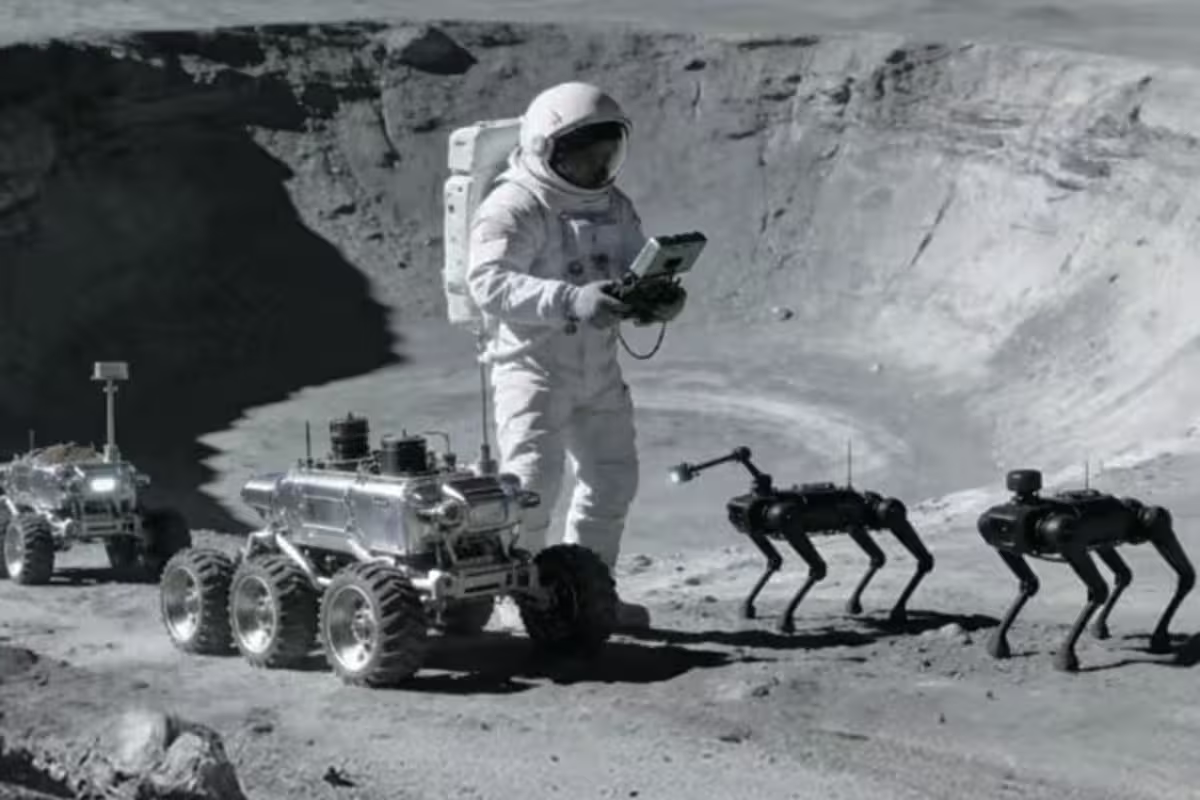
One illustrative scenario pairs three astronauts with three quadruped units, allocating responsibilities such as terrain exploration, sample gathering, and precision operations. The robotic dogs could perform routine inspections of the station’s exterior, keep equipment functional, and enter zones that would pose unnecessary risk to crew members.
Terrestrial analogues already exist. In 2023, a semi‑autonomous quadruped vehicle was deployed at the Cape Cod Space Force Station for on‑site testing. While a lunar environment would impose far more severe conditions, the core benefit remains: legs can traverse obstacles that wheels cannot.
Legged Machines May Serve as Lunar Builders
The most forward‑looking aspect of the concept envisions the robots transitioning from scientific tools to active construction and maintenance agents. Researchers cite potential roles such as “harvesting water ice and mining minerals…and building with local materials,” as reported by Interesting Engineering.
Water ice, believed to be concentrated near the lunar south pole’s permanently shadowed craters, could become a critical resource. Extracted ice might support life‑support systems directly or be split into hydrogen and oxygen for propulsion and power generation.
Utilizing in‑situ resources would lessen reliance on Earth‑launched cargo, where each kilogram adds substantial cost and complexity. Quadruped robots could scout promising sites, transport tools, gather geological samples, and operate alongside extraction equipment before human crews arrive.
Beyond external tasks, the proposal also includes interior duties such as cleaning habitats, tending hydroponic crops, regulating environmental controls, and even providing companionship to mitigate isolation during long‑duration missions.
These concepts are embedded within the broader ILRS program, which aims to establish an initial lunar research station around 2035 and expand to a more extensive surface and orbital infrastructure over the following decade. If the timeline proceeds as planned, autonomous legged robots could become integral components of the base from the outset.
Technical Hurdles of Operating on the Moon
Quadruped platforms that excel in factories, military sites, or rugged terrestrial terrain are not automatically suited for lunar conditions. The Moon’s gravity, roughly one‑sixth of Earth’s, changes the dynamics of foot placement, obstacle negotiation, and slip recovery. Additionally, the fine, abrasive lunar regolith can infiltrate joints and wear mechanisms.
Extreme temperature swings, exposure to vacuum, and high‑energy radiation impose further stress on electronics, batteries, lubricants, and sensors. Moreover, the artificial‑intelligence models that rely on extensive Earth‑based data, detailed maps, satellite navigation, and high‑bandwidth links must be adapted for an environment where such resources are scarce.
As the authors point out, the data foundation for AI “doesn’t exactly exist on the Moon.” Consequently, new communication and navigation frameworks will be required to support increasingly autonomous machines. A robot operating near a lunar outpost will need to identify hazards, adjust to unfamiliar terrain, and make real‑time decisions when Earth‑based commands are delayed or unavailable. Successful development could see these legged units contributing to the transformation of a temporary landing zone into a sustainable habitat.
This article has been fact checked for accuracy, with information verified against reputable sources. Learn more about us and our editorial process.
Last reviewed on .
Article history
- Latest version
Reference(s)
- Xin, Ling. “China’s lunar research station could be guarded by robot watchdogs, space scientists say.”, August 8, 2026 South China Morning Post <https://www.scmp.com/news/china/science/article/3363149/chinas-lunar-research-station-could-be-guarded-robot-watchdogs-space-scientists-say>.
- Mocerino, Maria. “Robot dogs in space? China intends to build its 2035 moon station with quadruped robots.”, August 9, 2026 Interesting Engineering <https://interestingengineering.com/ai-robotics/robot-dogs-in-space-china>.
- “ILRS Home Page.” <https://ilrs.gsfc.nasa.gov/>.
Cite this page:
- Posted by Karan Das