Euclid Unveils 31 Ancient Quasars, Doubling Early‑Universe Black Hole Census
ESA’s Euclid spots 31 ancient quasars, including the oldest yet, revealing the universe’s first 670 million years.
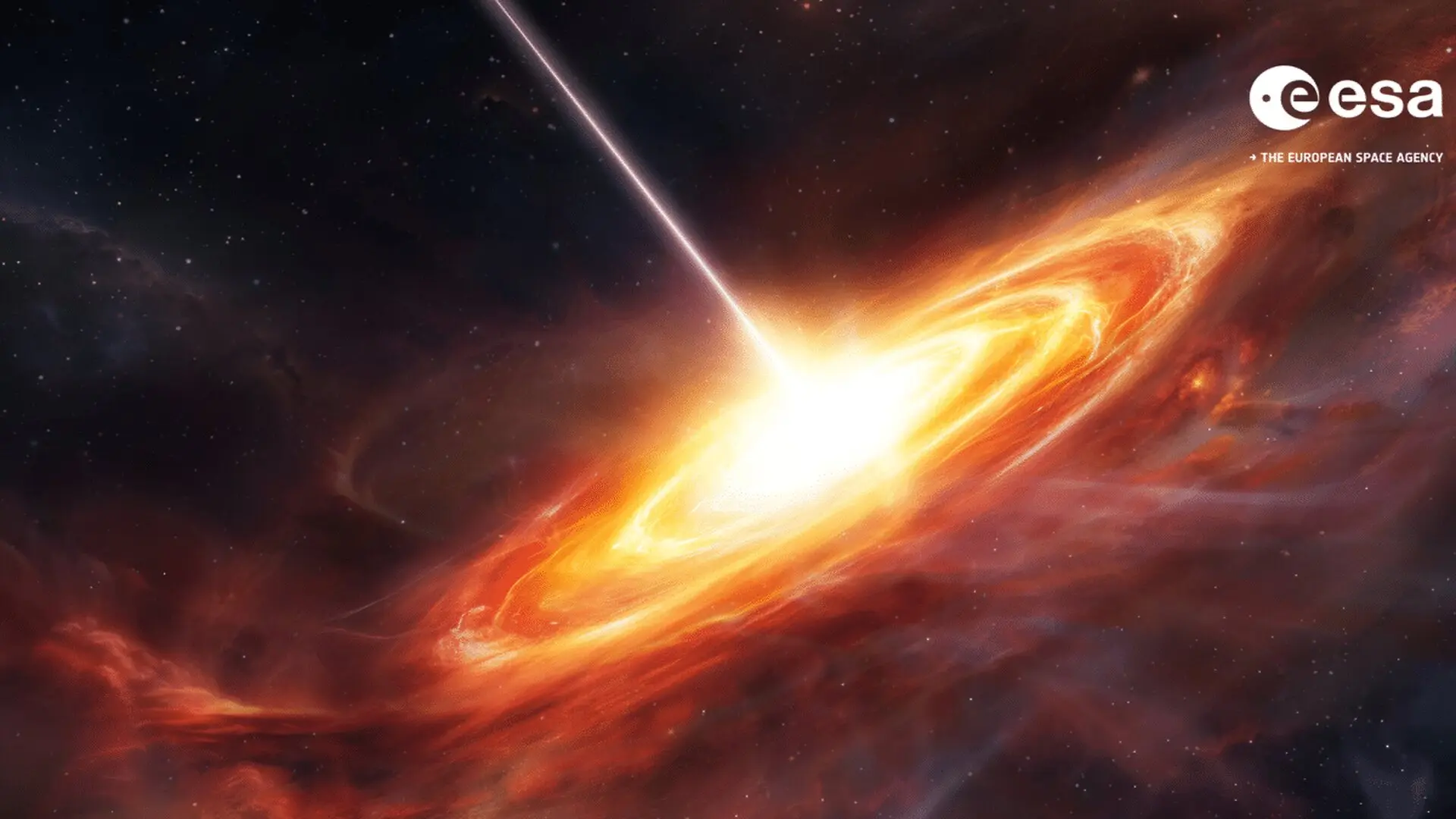
The European Space Agency’s Euclid telescope has uncovered a set of 31 quasars that formed when the cosmos was only about 670 million years old, pushing the frontier of observable supermassive black holes back to a time when the universe was just 5 % of its current age. The results, now appearing in Astronomy and Astrophysics, dramatically broaden the sample of the first generation of black holes and the galaxies that nurtured them.
Peering into the Universe’s First Supermassive Black Holes
Quasars are among the brightest beacons in the sky, powered by black holes that devour gas at prodigious rates in the cores of young galaxies. In this brief but intense phase, the central engine can outshine the combined light of all the stars in its host by orders of magnitude. Detecting such distant objects has long been hampered by their rarity, faintness, and the risk of mistaking them for nearer stellar sources—until now.
Euclid’s survey has added 31 previously unknown quasars that existed within the first billion years after the Big Bang, including 12 with redshifts greater than 7. The two most distant members of the new sample are EUCL J172902.75+641018.1 (z = 7.77) and EUCL J125308.55+705432.3 (z = 7.69), setting a new record for the oldest quasars ever identified. Their photons began their journey more than 13 billion years ago and have now reached Earth after traversing almost the entire age of the universe.
“These early quasars date back to the universe’s infancy,” explains Daming Yang of Leiden University, lead author of the Euclid discovery paper. “By finding and studying them, we can better understand how these enormous systems formed and grew so quickly—one of the greatest mysteries in astrophysics.”
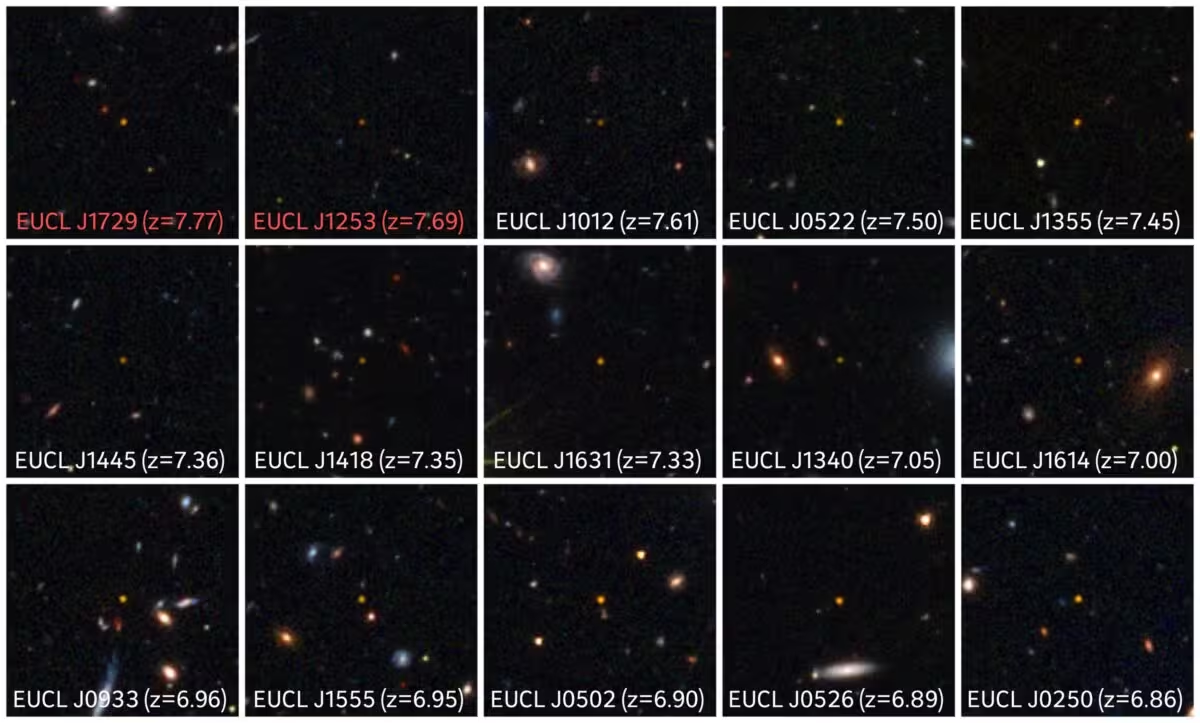
How Euclid Is Redefining the Hunt for Early Quasars
For years, astronomers could only capture the brightest and most extreme members of the ancient quasar population, leaving a largely incomplete picture of the early universe. Euclid’s combination of wide‑field imaging, deep infrared sensitivity, and the sharpness afforded by a space‑based platform now enables systematic searches that reach far below the previous detection threshold.
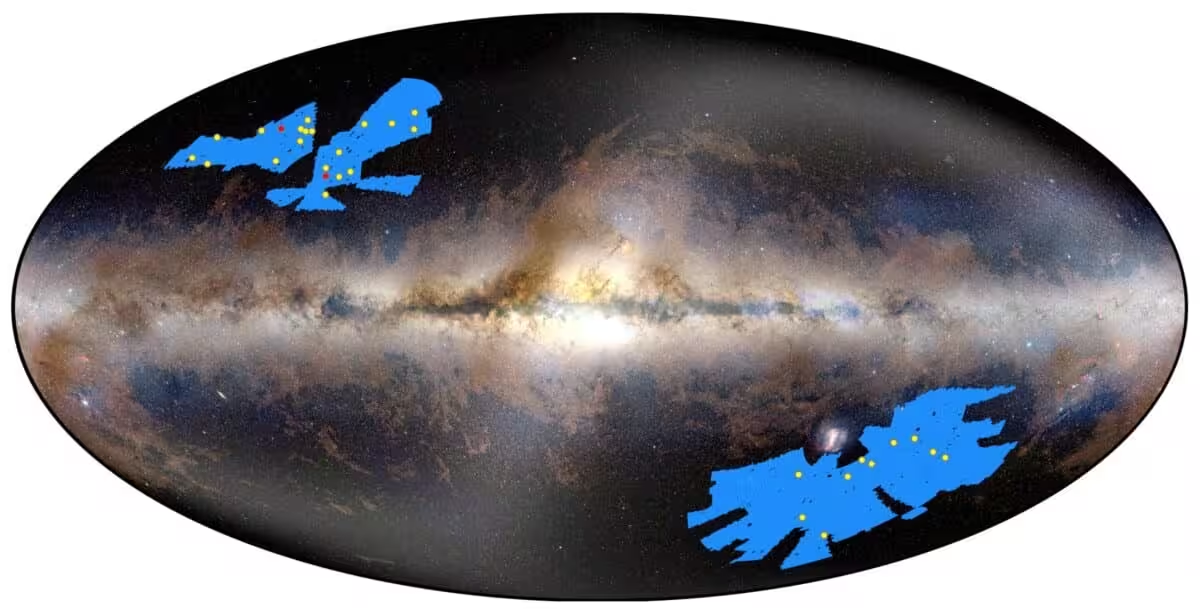
The mission’s ongoing survey, which will eventually cover more than one‑third of the sky, is already delivering what scientists describe as the first statistically robust inventory of primordial quasars rather than a handful of outliers. “Euclid is a true game‑changer,” adds Yang. “Before, we could only find a handful of the very brightest ancient quasars, but Euclid lets us search far more efficiently across huge areas of sky to capture much fainter light. It’s a unique tool for quasar hunting.”
A Record‑Breaking Survey of Primordial Quasars
The scale of the new sample eclipses the effort that produced the original catalog of roughly ten quasars with redshifts above 7—a campaign that required more than a decade of coordinated observations worldwide. Euclid has surpassed that benchmark in a single year, signaling a rapid advance in observational capability. “This finding more than doubles the number of quasars we know of that are so ancient,” notes Antonio La Marca, an ESA research fellow on the Euclid team. “Discovering the first 10 or so quasars at a redshift of 7 or above took astronomers more than a decade—but Euclid has already discovered more than that in a single year.”
La Marca adds, “The Euclid team has taken a true ‘census’ of quasars at the dawn of the universe for the first time. It’s a big step toward understanding these fascinating objects on a more fundamental level.”
Insights into the Reionization Era from New Quasar Finds
All 31 objects belong to the Epoch of Reionization, a transformative interval when the first stars and galaxies ionized the intergalactic medium and set the stage for the large‑scale structure we observe today. Follow‑up observations of one of the newly identified quasars have already revealed a dusty, gas‑rich host galaxy undergoing vigorous star formation, suggesting that massive black‑hole growth and intense galaxy assembly occurred in tandem very early in cosmic history. Each additional target will help astronomers chart how early galaxies assembled, how black holes amassed mass so efficiently, and how the radiation from these powerhouses reshaped their surroundings.
“Ancient quasars are rare discoveries. They’re interesting in themselves, but also time machines that enable us to explore the early universe and understand how the first generation of galaxies came to be,” says Valeria Pettorino, ESA Euclid Project Scientist.
This article has been fact checked for accuracy, with information verified against reputable sources. Learn more about us and our editorial process.
Last reviewed on .
Article history
- Latest version
Cite this page:
- Posted by Karan Das