NASA Doctor Astronaut Launches on
NASA astronaut Anil Menon lifts off on Soyuz MS-29, kicking off an ISS mission focused on AI, medical breakthroughs and semiconductor research.
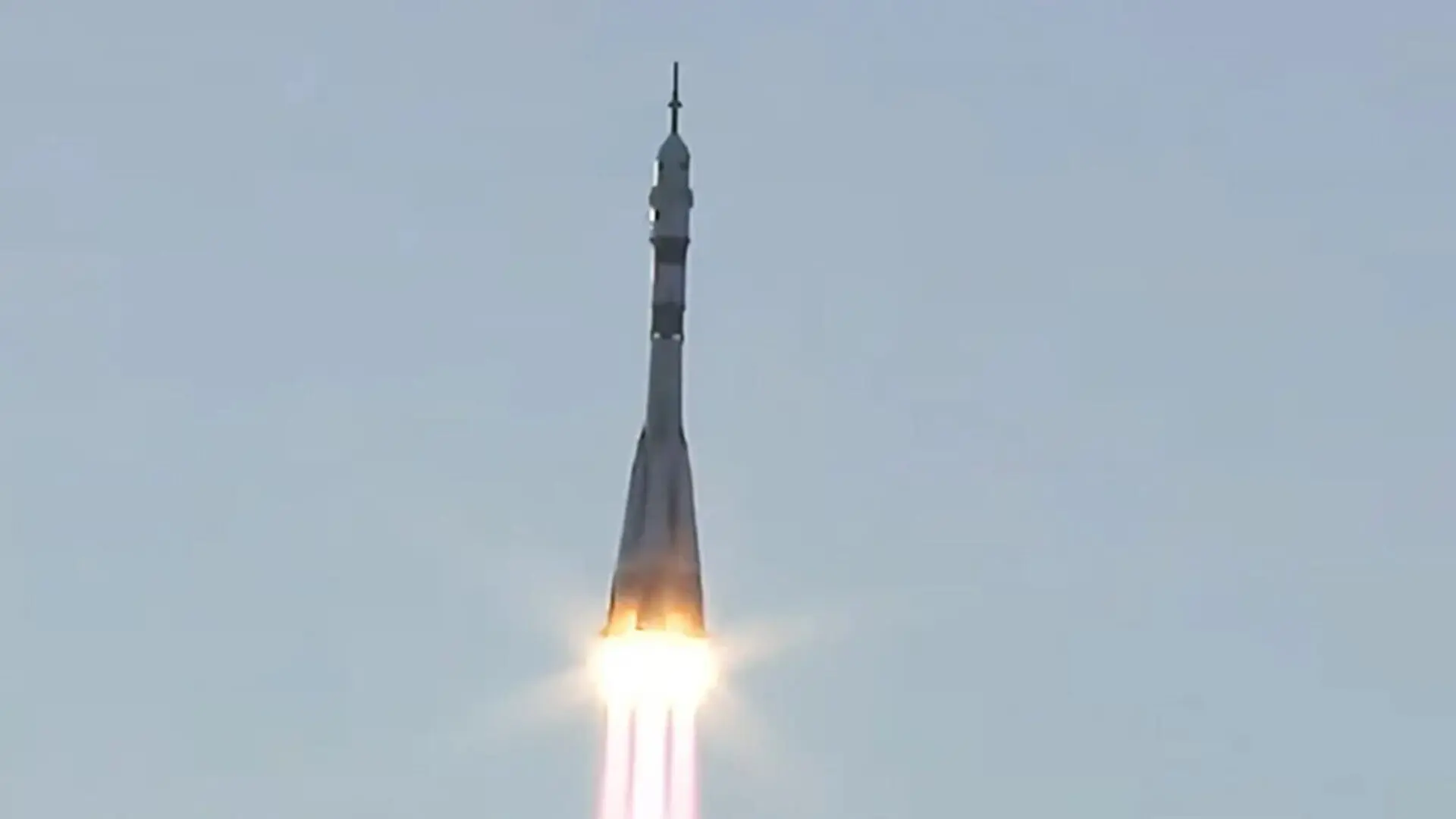
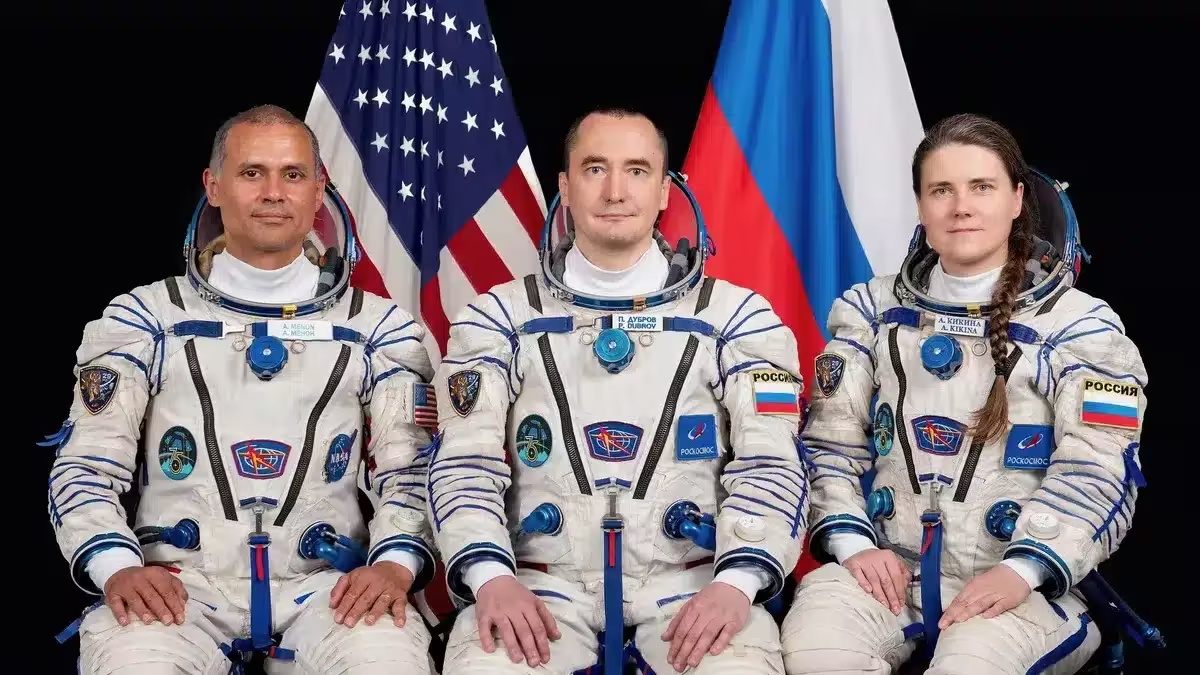
NASA astronaut Anil Menon lifted off for the International Space Station on Tuesday aboard the Soyuz MS-29 vehicle, beginning an eight‑month stay focused on research that could reshape medicine, artificial intelligence and high‑tech manufacturing. The launch from Baikonur Cosmodrome in Kazakhstan placed Menon alongside Roscosmos cosmonauts Pyotr Dubrov and Anna Kikina, extending the long‑standing partnership that keeps the orbiting laboratory humming despite broader geopolitical strains.
Soyuz MS-29 Reaches Orbit Within Minutes of Liftoff
At 10:47 a.m. EDT (14:47 UTC) the Soyuz‑2.1a rocket ignited over Baikonur, propelling the Soyuz MS-29 into a rapid two‑orbit trajectory that secured a stable orbit less than nine minutes after launch. The streamlined flight plan will guide the spacecraft to the station, where the trio will spend roughly eight months conducting experiments, performing upkeep, and supporting ongoing scientific programs.
The mission underscores the operational synergy between NASA and Roscosmos, illustrating how joint crewed flights continue to thrive even as diplomatic challenges persist. According to Space.com, the expedition blends routine station duties with a suite of investigations aimed at technologies critical for future deep‑space voyages.
Microgravity Semiconductor Growth Targets Next‑Generation Tech
One of the flagship investigations aboard the station will examine how semiconductor crystals form in the weightless environment of the International Space Station. Researchers have long recognized orbiting labs as unique venues for producing ultra‑pure crystals, a process that can yield performance gains for consumer electronics, medical instruments and AI‑driven computing platforms. NASA highlighted the project’s ambition in a recent advisory, noting the potential to scale up production of components essential for high‑performance computers, artificial intelligence and advanced medical devices.
“He will continue research to refine in-space production of semiconductor crystals to enable the large-scale manufacturing of components needed for high-performance computers, artificial intelligence, and improved medical devices,” NASA officials wrote in a July 9 media advisory.
Successful outcomes could pave the way for manufacturing processes that surpass terrestrial limitations, offering a route to faster processors and more energy‑efficient devices as global demand for powerful computing escalates.
AI‑Powered Ultrasound Tests Prepare for Deep‑Space Medicine
Medical care is a critical bottleneck for missions beyond low Earth orbit, where communication delays hinder real‑time support from Earth. Leveraging Menon’s background as an emergency physician, the crew will trial artificial‑intelligence and augmented‑reality tools that guide astronauts through ultrasound examinations, potentially eliminating the need for ground‑based medical assistance on distant voyages.
“Menon also will perform ultrasound using augmented reality and artificial intelligence methods that could eliminate the need for medical support from Earth on future space missions,” they added.
If proven effective, these systems could empower crew members with limited medical training to carry out sophisticated diagnostics, while the underlying technology may also translate to underserved regions on Earth, including remote clinics, disaster zones and military field units.
This article has been fact checked for accuracy, with information verified against reputable sources. Learn more about us and our editorial process.
Last reviewed on .
Article history
- Latest version
Reference(s)
- Wall, Mike. “Russia launches a NASA astronaut and 2 cosmonauts to the International Space Station.”, July 13, 2026 Space <https://www.space.com/space-exploration/launches-spacecraft/soyuz-ms-29-astronaut-launch-international-space-station-anil-menon>.
Cite this page:
- Posted by Karan Das