Scientists Have Successfully Reprogrammed Aging Brain Cells to Restore Lost Memories
Scientists have discovered a promising new method to restore memory storage machinery in aging brain cells, potentially offering a breakthrough for cognition.
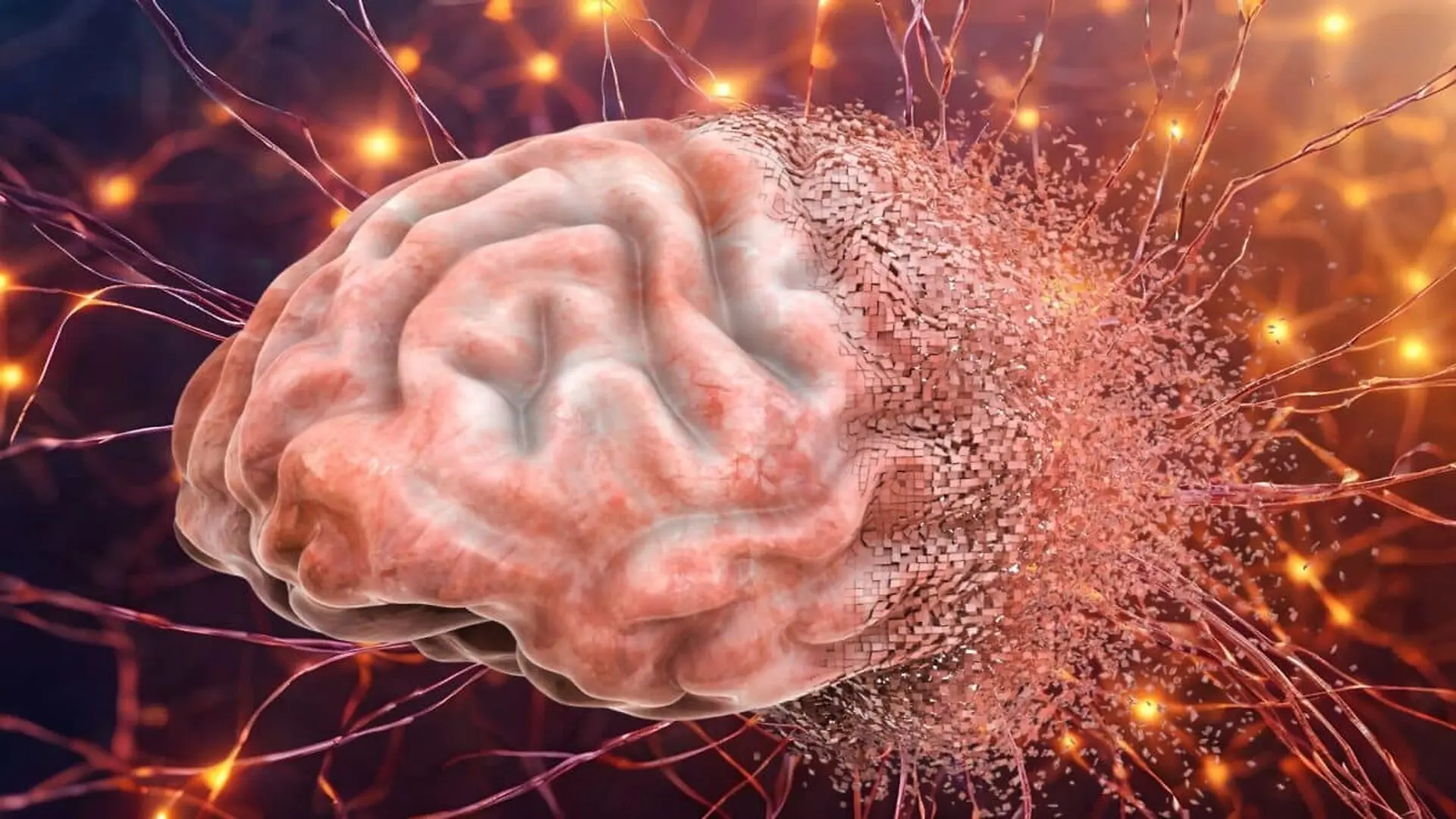
Cognitive decline associated with aging—often manifesting as lapses in memory or the gradual loss of essential functions like communication and problem-solving—remains one of the most pressing challenges in neuroscience. As conditions like Alzheimer’s disease continue to affect millions, researchers are increasingly looking for ways to reverse the biological decay of aging neurons. A new study from the EPFL Institute in Switzerland suggests that it may be possible to restore lost memory processes by partially reprogramming the cells responsible for storing them.
Revitalizing Aging Brain Cells Through Genetic Precision
The research team zeroed in on a trio of genes—Oct4, Sox2, and Klf4, collectively referred to as OSK. These genes have gained significant attention in regenerative medicine for their potential to reverse age-related cellular damage, with previous research demonstrating success in addressing conditions such as glaucoma.
To apply this to the brain, scientists engineered a viral “switch” that triggers brief, highly controlled pulses of OSK. Rather than attempting a systemic overhaul of the brain, the team targeted specific engram cells. These neural ensembles serve as the physical storage units for memory, a concept first proposed by biologist Richard Semon more than a century ago, and now a focal point of modern neuroscience research.
Restoring Cognitive Function Across Multiple Neural Regions
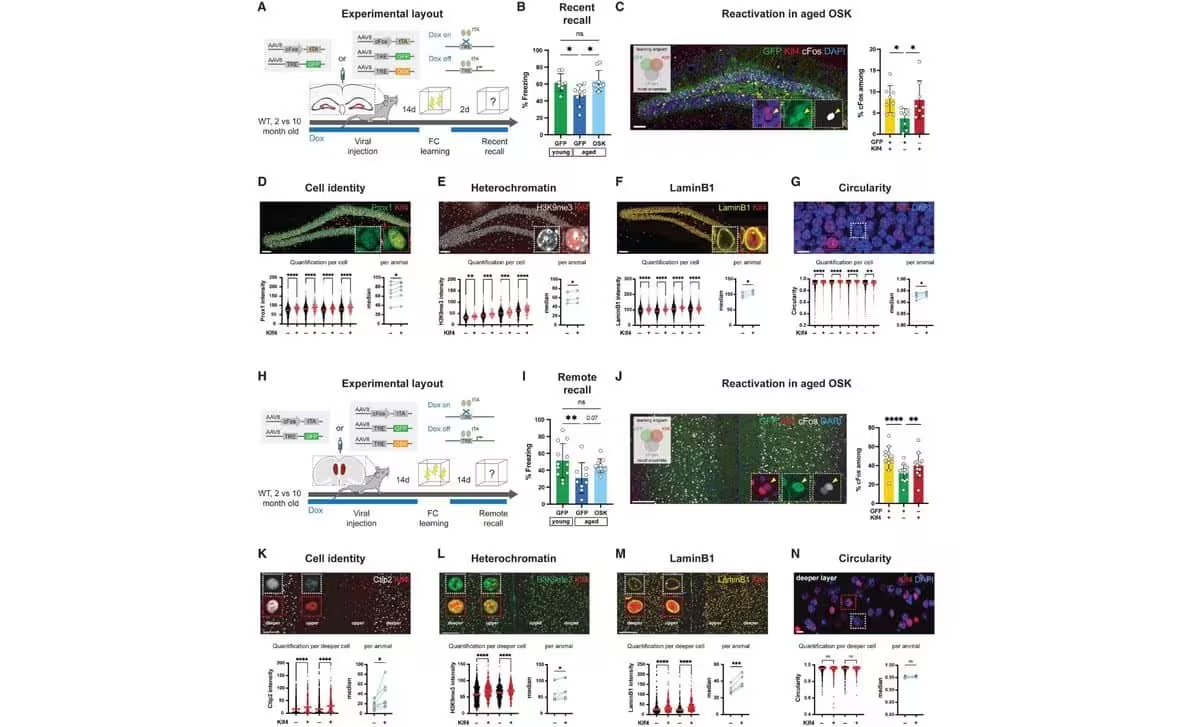
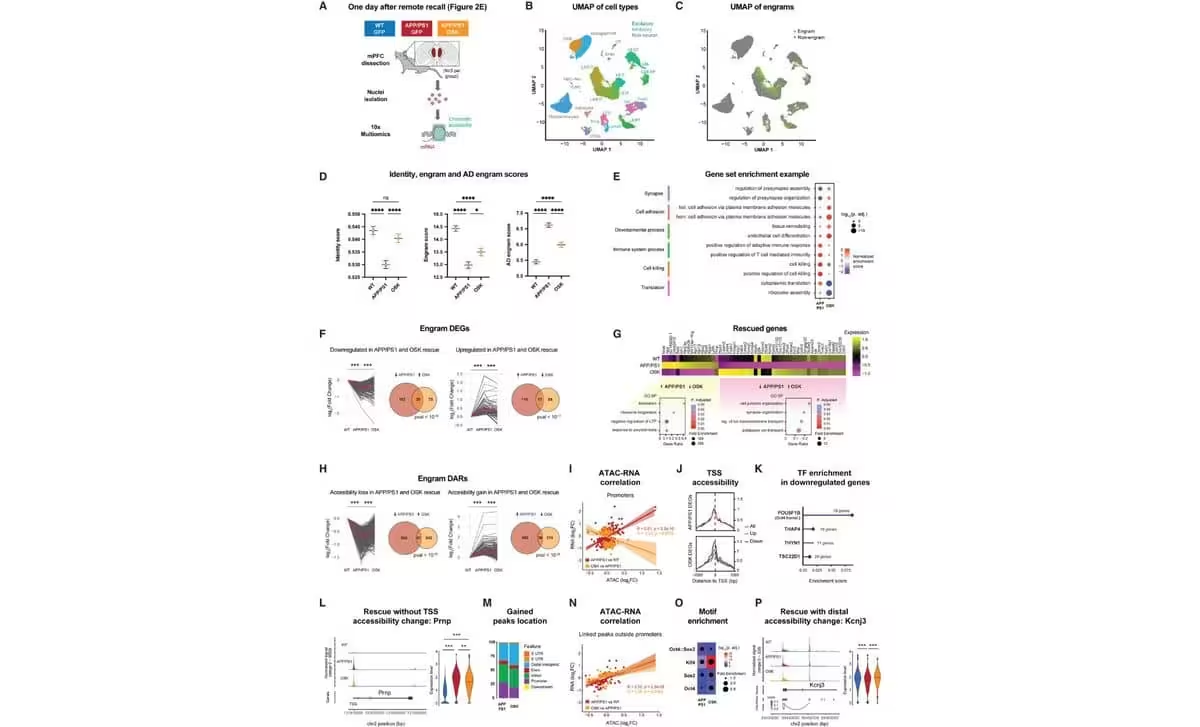
The study, published in the journal Neuron, utilized mouse models to test the efficacy of the therapy. Following the intervention, treated subjects exhibited memory performance comparable to their younger counterparts. Molecular analysis confirmed that the reprogrammed engram cells had regained signatures typical of younger neurons.
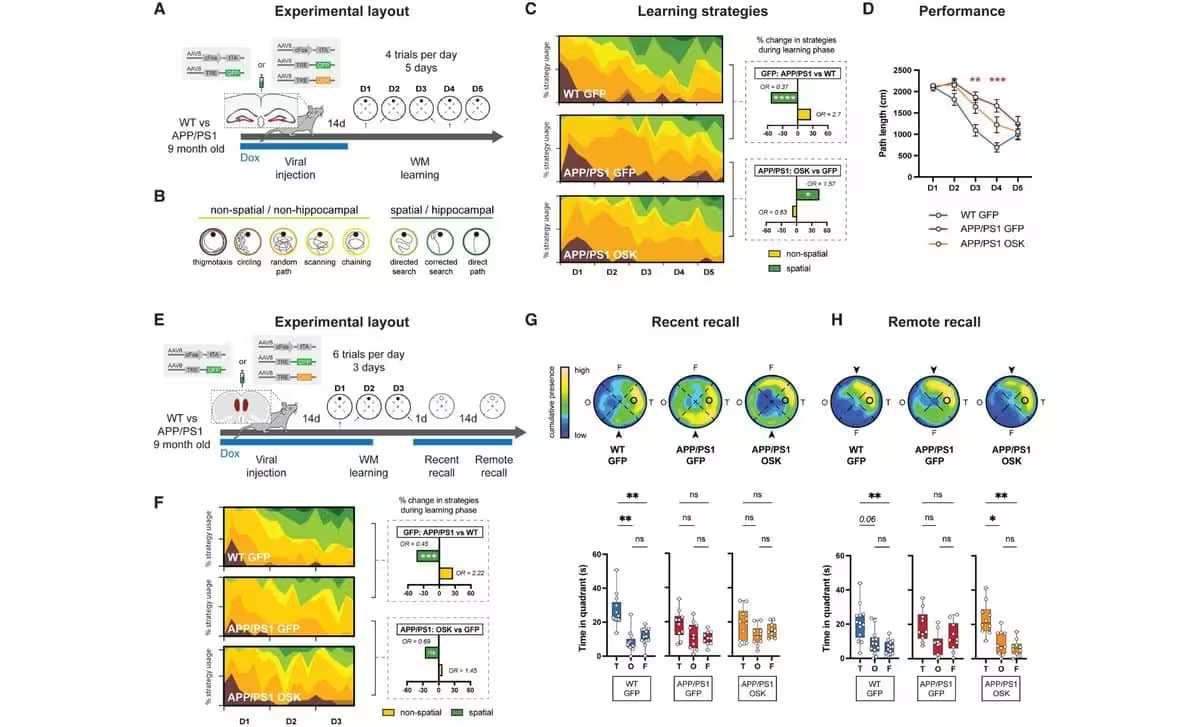
Improvements were observed across distinct functional zones of the brain. In the dentate gyrus of the hippocampus, the treatment bolstered short-term memory and learning capacity. Furthermore, the therapy proved effective in recovering memories stored weeks earlier, indicating a positive impact on the medial prefrontal cortex, which is critical for long-term recall.
Refurbishing the Hardware of Human Memory
The findings challenge the long-held assumption that age-related cognitive decline is solely the result of irreversible damage or cell loss. Instead, the data suggests that in some cases, the memory trace remains intact, but the neural hardware responsible for retrieving that information has simply degraded.
As noted in a press statement, Nik Papageorgiou of EPFL described the process as a form of refurbishment. By making the existing neurons more flexible and youthful, the brain may be able to access memories that were previously locked away by age. The researchers emphasized that the precision of this targeted approach minimizes the risk of unintended disruptions to other cellular processes.
While reports from outlets such as Popular Mechanics highlight the potential implications for treating cognitive decline, the researchers caution that this work remains in the early stages of investigation. Future studies will be required to determine if these results can be translated to human models and to assess the long-term safety of such neurological interventions.
This article has been fact checked for accuracy, with information verified against reputable sources. Learn more about us and our editorial process.
Last reviewed on .
Article history
- Latest version
Reference(s)
- “Checking your browser - reCAPTCHA.” <https://pmc.ncbi.nlm.nih.gov/articles/PMC10739681/>.
- “Engrams emerging as the basic unit of memory.” <https://picower.mit.edu/news/engrams-emerging-basic-unit-memory>.
- <https://www.cell.com/neuron/fulltext/S0896-6273(25)00925-0?_returnURL=https%3A%2F%2Flinkinghub.elsevier.com%2Fretrieve%2Fpii%2FS0896627325009250%3Fshowall%3Dtrue>.
- News, Neuroscience. “Neural Reprogramming Restores “Young” Memory in Aging Brains.”, February 15, 2026 Neuroscience News <https://neurosciencenews.com/neural-reprogramming-memory-reversal-30118/>.
- Frederickson, Emma. “Scientists Can Make Your Memory ‘Young’ Again—By Reprogramming Your Brain.”, September 26, 2026 Popular Mechanics <https://www.popularmechanics.com/science/health/a73896372/gene-therapy-reverses-memory-loss-engram/>.
Cite this page:
- Posted by Hassan Raza