New Drug Successfully Reverses Alzheimer’s Symptoms by Growing New Brain Neurons
A novel injectable drug transforms astrocytes into new neurons, successfully reversing Alzheimer’s symptoms in mice in a promising new study.
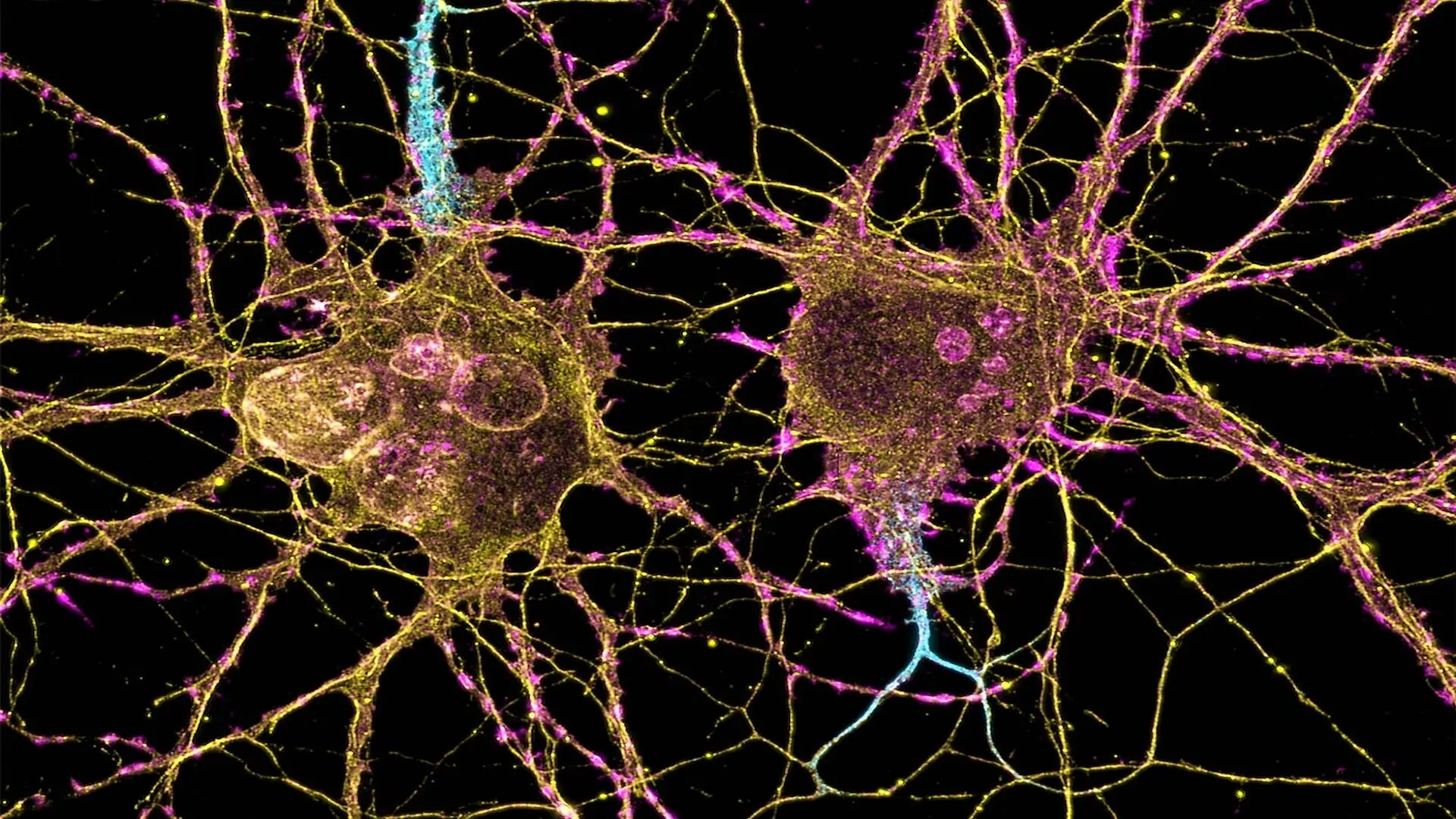
Researchers have developed a novel therapeutic approach that appears to reverse symptoms of Alzheimer’s disease in mouse models by effectively turning the brain’s own support cells into functional neurons. By repurposing astrocytes—the star-shaped cells typically responsible for maintaining neuronal health—into active nerve cells, the team has successfully demonstrated a method to bypass the brain’s limited natural regenerative capacity.
The findings, published in Cell Biomaterials, offer a potential paradigm shift in treating neurodegenerative conditions. While traditional Alzheimer’s treatments have largely focused on clearing toxic protein clusters, this new strategy addresses the core issue of neuronal loss, which remains a primary driver of cognitive decline.
Transforming Brain Architecture
The human brain’s ability to generate new neurons is severely restricted in adulthood. In Alzheimer’s patients, the rapid death of these cells outpaces any natural repair, leading to the characteristic decline in memory and executive function. Astrocytes, however, possess a latent plasticity. If the biological “brakes” that keep them locked in their support role are released, these cells can transition into mature neurons.
A research team at the University of South Carolina engineered a solution to trigger this transition without invasive surgery. They developed a specialized delivery system that packages antibodies within biocompatible nanoparticle cages. These cages are designed to cross the blood-brain barrier, an anatomical shield that typically prevents most therapeutic agents from reaching the central nervous system. Once the nanoparticles penetrate the astrocytes, they release antibodies that neutralize a protein known as PTBP1, which normally suppresses the conversion of these cells into neurons.
Restoring Cognitive Function in Mice
In laboratory studies, the treatment—designated TN-PTBP1—showed immediate potential. When applied to human brain organoids and astrocyte cultures, the cells began to adopt neuronal characteristics, sprouting branches and generating electrical signals. The research team noted that these converted neurons integrated into existing neural networks, firing in synchrony with their neighbors.
When administered to mice exhibiting advanced signs of Alzheimer’s, including significant inflammation, cognitive impairment, and memory deficits, the results were striking. After just two injections, the treated mice demonstrated improved performance on standardized maze tests, effectively mirroring the behavior of healthy subjects. According to study author Peisheng Xu, the cognitive benefits were observable even after a single dose.
Beyond the regeneration of neurons, the therapy appeared to alleviate secondary symptoms of the disease. The treated mice exhibited reduced brain inflammation and a decrease in toxic protein aggregation, suggesting the intervention may improve the brain’s inherent waste-clearance systems. Additionally, the researchers observed a boost in neurogenesis, the natural birth of new neurons, though the exact mechanism behind this secondary effect remains under investigation.
The Path to Clinical Application
Despite the success in animal models, the researchers caution that the transition to human clinical trials requires extensive validation. One of the primary concerns is ensuring that the forced conversion of astrocytes does not disrupt the essential maintenance functions these cells perform for the broader brain environment. There is also the challenge of ensuring that newly created neurons integrate safely into complex human neural circuits without causing interference.
The next phase of the research involves assessing the safety and efficacy of the treatment in non-human primates. If these hurdles are cleared, the therapeutic strategy could theoretically be adapted to treat a variety of other neurodegenerative disorders, including Parkinson’s disease and amyotrophic lateral sclerosis (ALS). For now, the study stands as a significant proof-of-concept that the brain may possess an internal, untapped reservoir for repair if the right biological levers are pulled.
This article has been fact checked for accuracy, with information verified against reputable sources. Learn more about us and our editorial process.
Last reviewed on .
Article history
- Latest version
Cite this page:
- Posted by Asif Iqbal