China and Iran Forge Rare Earth Research Alliance as Global Supply Chains Realign
China and Iran boost rare‑earth exploration and processing cooperation, tightening supply chain ties as the US seeks to curb reliance on Chinese minerals.
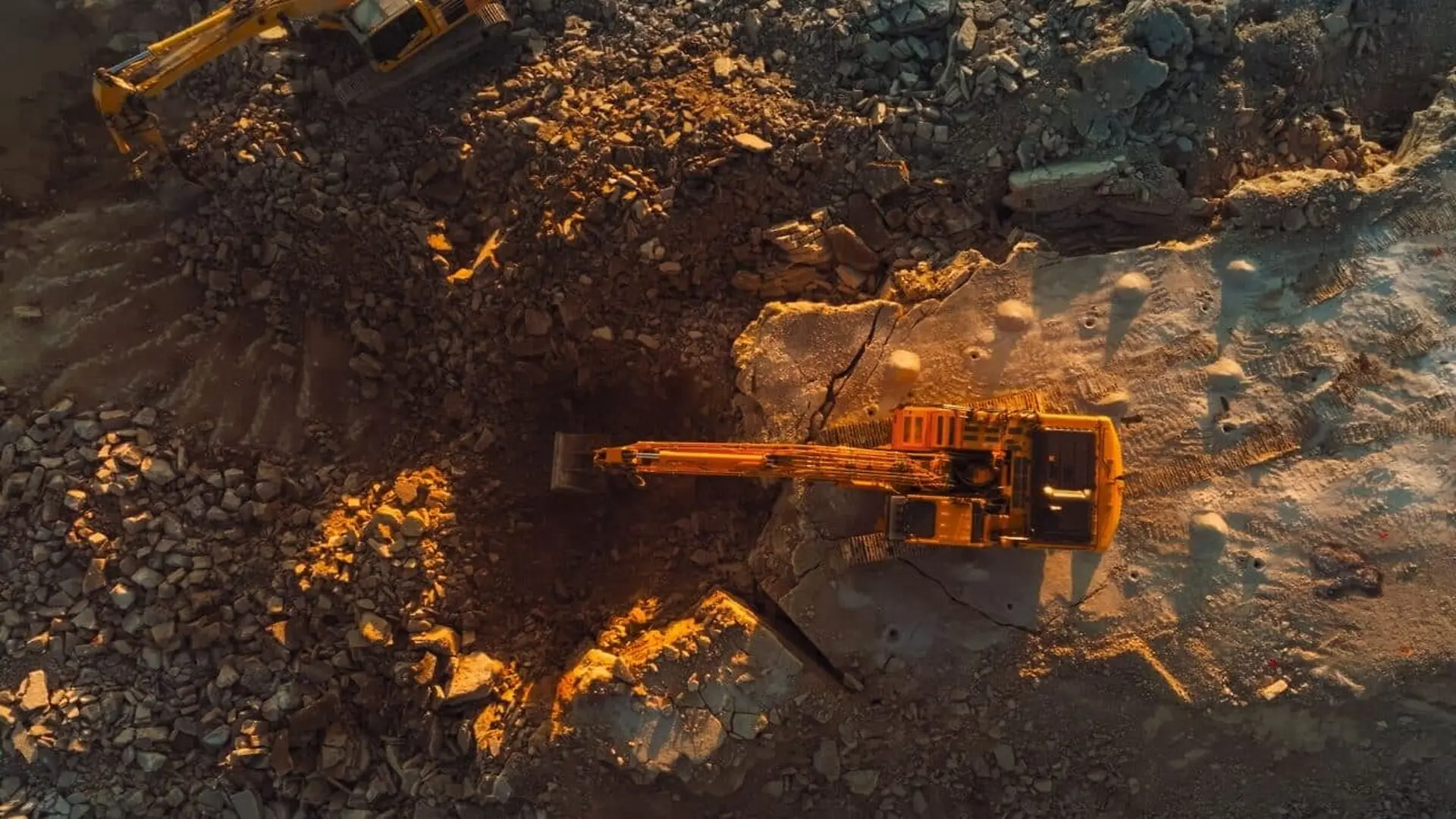
The National Natural Science Foundation of China (NSFC) and the Iran National Science Foundation have added rare‑earth exploration and processing to a five‑topic workshop series announced on 10 August. The new focus will bring Chinese and Iranian researchers together to study the 17 elements that underpin modern electronics, high‑performance magnets and a range of defence systems.
China‑Iran Scientific Partnership Expands into Rare‑Earth Research
The collaboration builds on a 2017 memorandum of understanding signed in Beijing, which has already supported joint projects in mathematics, biology, renewable energy, materials science, climate research and artificial intelligence. At the time, the NSFC highlighted Iran’s strategic role in the Belt and Road Initiative and pledged to foster scientific and technological exchanges that benefit both societies.
Under the new workshop arrangement, the NSFC will allocate 30,000 yuan (approximately US $4,200) for each session to cover domestic travel, venue costs and lodging. The Iranian foundation will fund international travel for its scientists and provide accommodation for Chinese participants traveling to Iran.
The rare‑earth theme joins four additional priority areas: nanomaterials for disease detection, pollution monitoring, earthquake‑resilient construction and greener manufacturing. The broader workshop programme, launched in 2024, originally targeted climate change, artificial intelligence, advanced materials and modern manufacturing techniques.

Rare‑earth elements are a particularly sensitive segment of the partnership because China dominates both global reserves and processing capacity. Recent export‑control measures have limited the overseas transfer of processing technologies, exposing manufacturers in the United States and elsewhere to supply‑chain vulnerabilities, as reported by Interesting Engineering.
These metals possess unique magnetic and electronic characteristics that make them indispensable for advanced electronics, high‑strength magnets, radar systems, missiles and fighter aircraft. Extracting and refining individual rare‑earth elements from ore requires sophisticated chemical and physical processes, positioning processing expertise at the heart of the supply chain.
Iran’s Rare‑Earth Potential Confronts Processing Gaps
Geological surveys indicate that Iran’s iron‑ore and phosphate formations could host significant rare‑earth deposits, yet the commercial viability of these resources remains uncertain. A February study by the Hague Research Institute in the Netherlands identified anomalous rare‑earth signatures across roughly 7,000 square kilometres of central Iran, highlighting zones of interest without confirming extractable reserves.
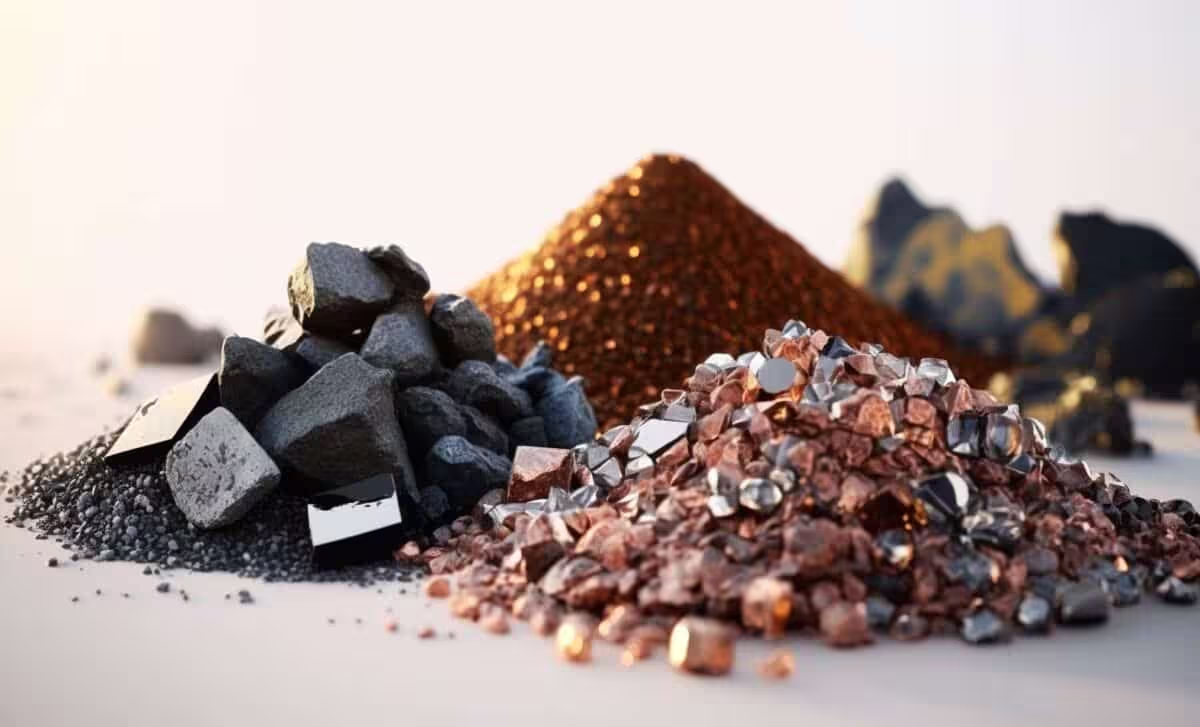
Iran’s current capability to process rare‑earth ores is described as embryonic, far from the industrial scale needed for large‑volume output. Consequently, the joint workshops aim to bridge the technology gap, focusing on scientific exchange rather than immediate commercial production.
The initiative coincides with parallel moves by the United States, which has recently earmarked $3 billion for critical‑mineral and battery projects intended to lessen dependence on Chinese supply chains and secure defense inventories.
China, meanwhile, retains the world’s largest rare‑earth reserves and a leading role in both mining and processing. Its tighter export controls have disrupted supply lines for American manufacturers, underscoring the strategic importance of rare‑earth materials in global industrial and defence networks.
For Iranian scientists, the workshop series offers a formal platform to explore both the geological and technological dimensions of rare‑earth development alongside Chinese experts. For China, the program extends an established research relationship into a sector increasingly linked to trade policy, industrial capacity and national security, with funding focused on meetings, travel and collaborative study rather than large‑scale commercial deployment.
This article has been fact checked for accuracy, with information verified against reputable sources. Learn more about us and our editorial process.
Last reviewed on .
Article history
- Latest version
Reference(s)
- Walter, Neetika. “China, Iran team up to explore and process rare earths amid global supply race.”, August 14, 2026 Interesting Engineering <https://interestingengineering.com/energy/china-iran-rare-earth-processing-cooperation>.
Cite this page:
- Posted by Asif Iqbal