150 Million Year Old Dinosaur Nest Found Intact With Signs Of Successful Hatching
Paleontologists have discovered an extraordinary fossil trapped in ancient rock, offering a rare glimpse into a moment frozen 150 million years ago.
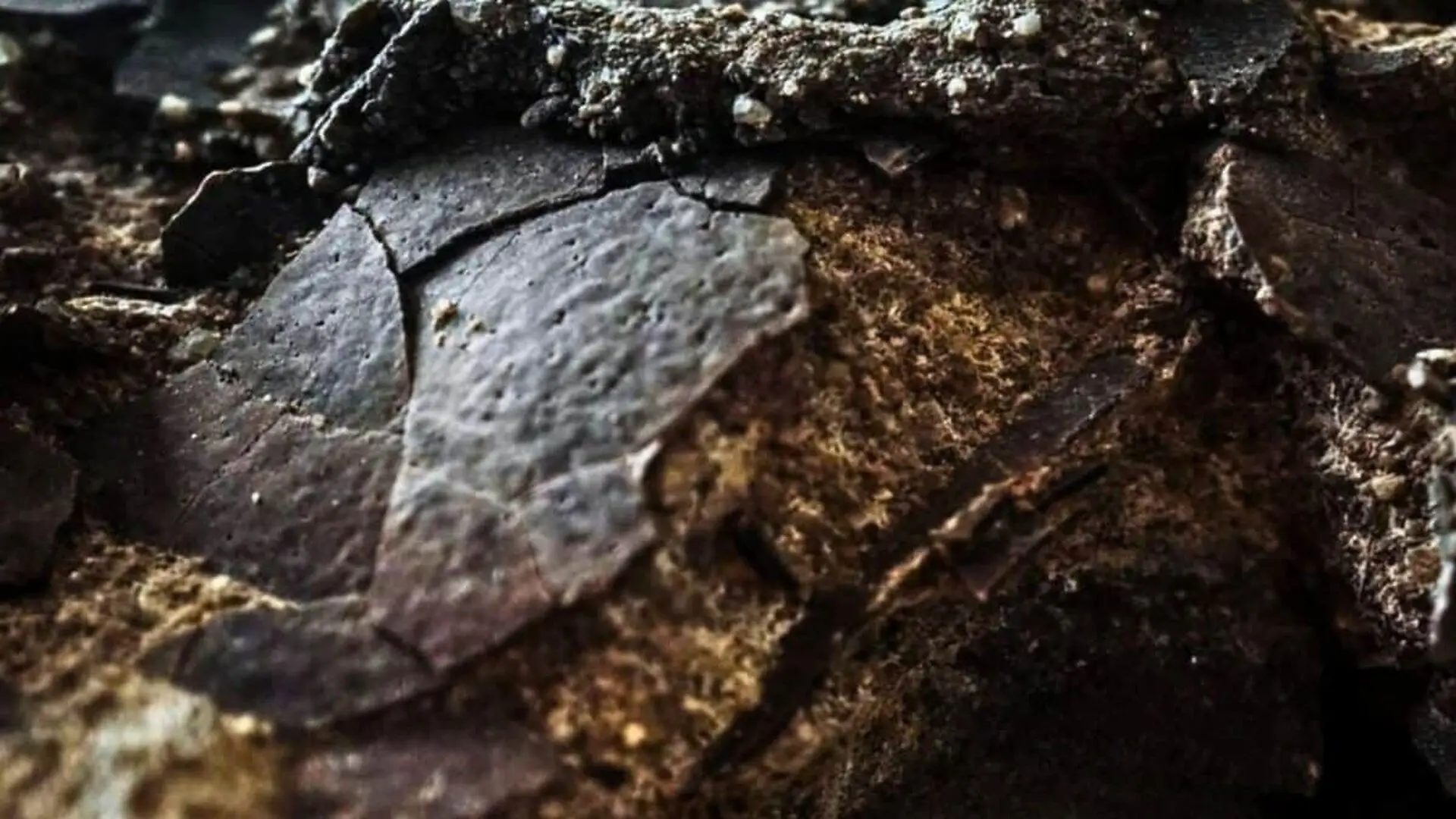
Paleontologists in Portugal have uncovered a rare, fossilized dinosaur nest dating back approximately 150 million years, providing a unique window into the reproductive lives of creatures from the Late Jurassic period. Discovered along the cliffs of Santa Cruz beach, about 50 kilometers north of Lisbon, the find consists of a cluster of roughly 10 eggs embedded in sandstone.
The excavation, led by the Ci2Paleo team from the Torres Vedras Natural History Society, has generated significant interest due to the intact, orderly arrangement of the fossils. Unlike many discoveries where geological processes scatter remains, these eggs appear to have remained in their original nesting site, offering a pristine example of prehistoric behavior.
Evidence of Ancient Hatching Success
The structural placement of the eggshell fragments provides compelling clues regarding the fate of the clutch. Bruno Camilo, director of the Torres Vedras Natural History Society and a researcher at the Instituto Superior Técnico, noted that the fragments appear to have shifted inward. This specific distribution is characteristic of shells broken from the inside, suggesting that many of the hatchlings successfully emerged from their eggs.
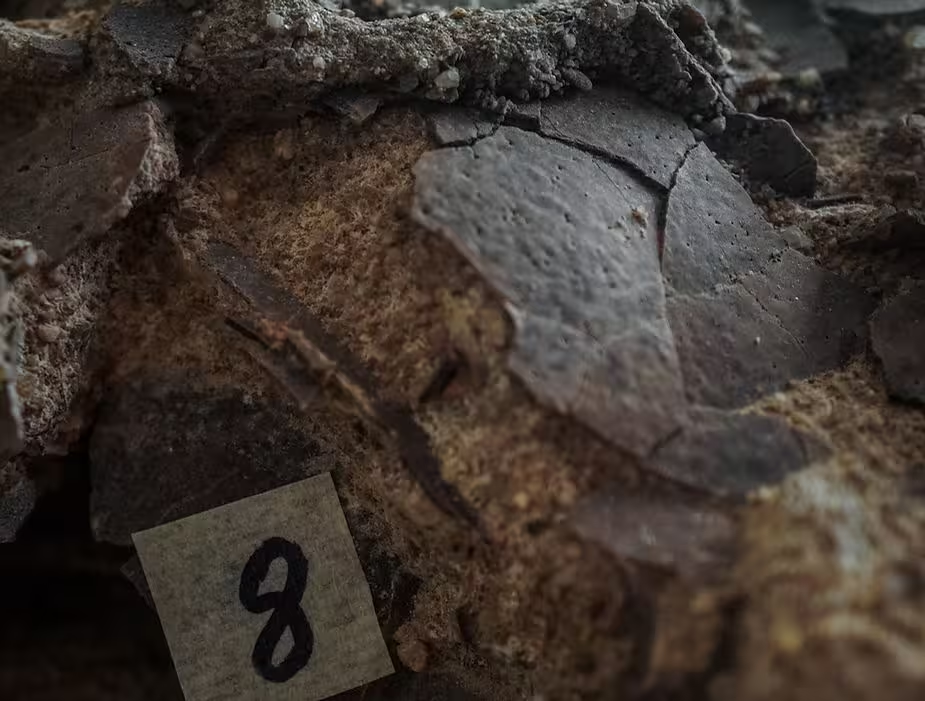
While the exterior suggests a successful hatch, the interior remains a mystery. The team has not ruled out the presence of embryonic remains hidden within the sediment. Further investigation is required to determine if any biological material was preserved alongside the shell fragments.
Analyzing the Jurassic Nesting Environment
The geological context of the find is equally intriguing. The eggs were discovered within a granular sandstone deposit, a medium that deviates from typical fossil-bearing sediments. Experts speculate that this environment may represent a former riverbank, though rigorous analysis is necessary to confirm the paleo-environment. Furthermore, the position of the eggs indicates they were likely partially buried, a strategic choice that may have provided protection or thermal regulation for the developing embryos.
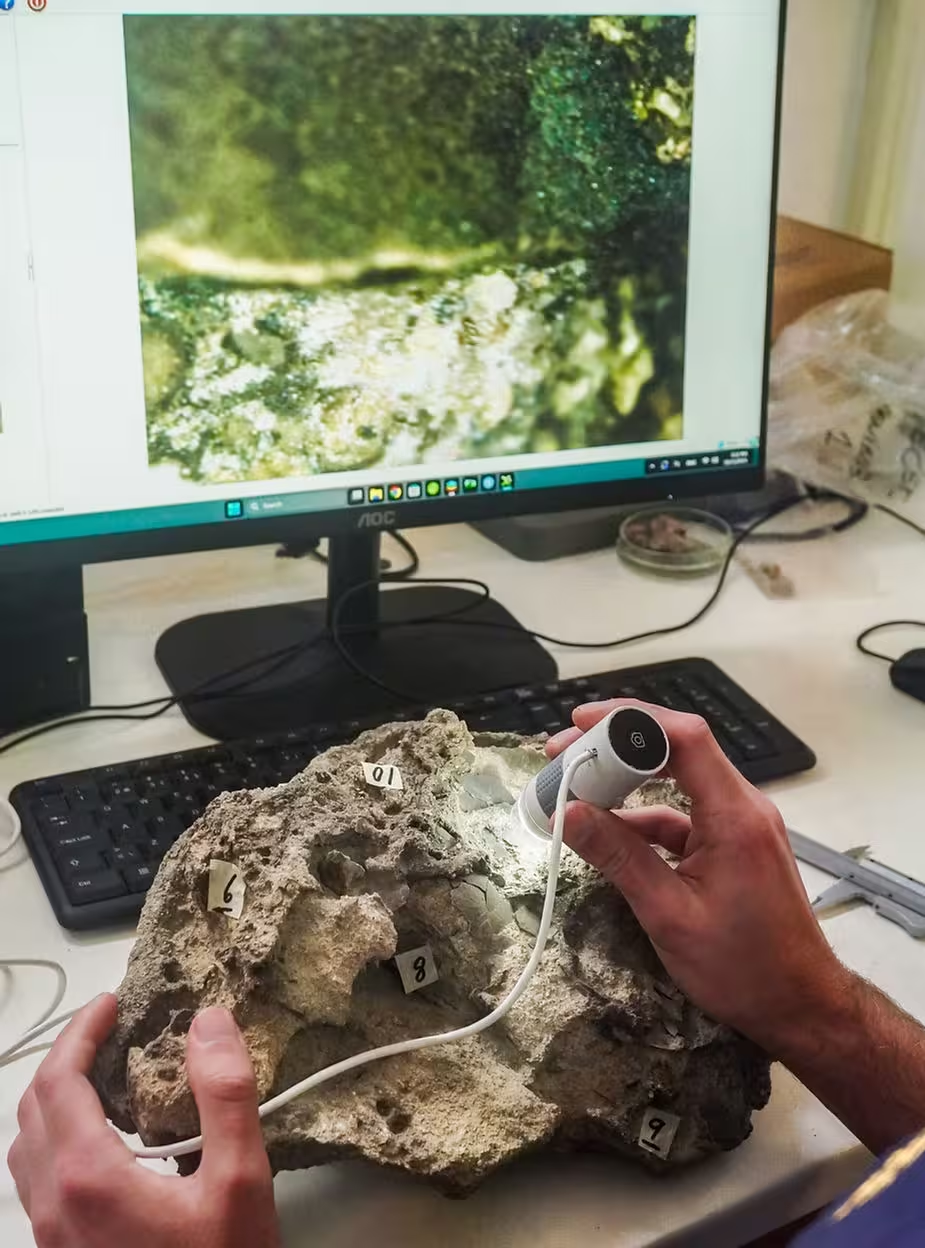
Based on the physical dimensions and porosity of the shells, researchers currently hypothesize that the nest belonged to a carnivorous dinosaur. However, definitive species identification remains impossible without advanced laboratory diagnostics. As noted in recent reports, egg morphology alone is rarely sufficient for precise taxonomic classification.
Advanced Imaging to Reveal Hidden Secrets
To move beyond preliminary observations, the team plans to utilize computed tomography (CT) scanning. By creating a high-resolution, three-dimensional model of the fossil block, scientists hope to peer through the sediment without compromising the structural integrity of the delicate remains. This process will be supplemented by microscopic shell analysis, which will allow for comparisons against known fossil eggs found elsewhere in the world.
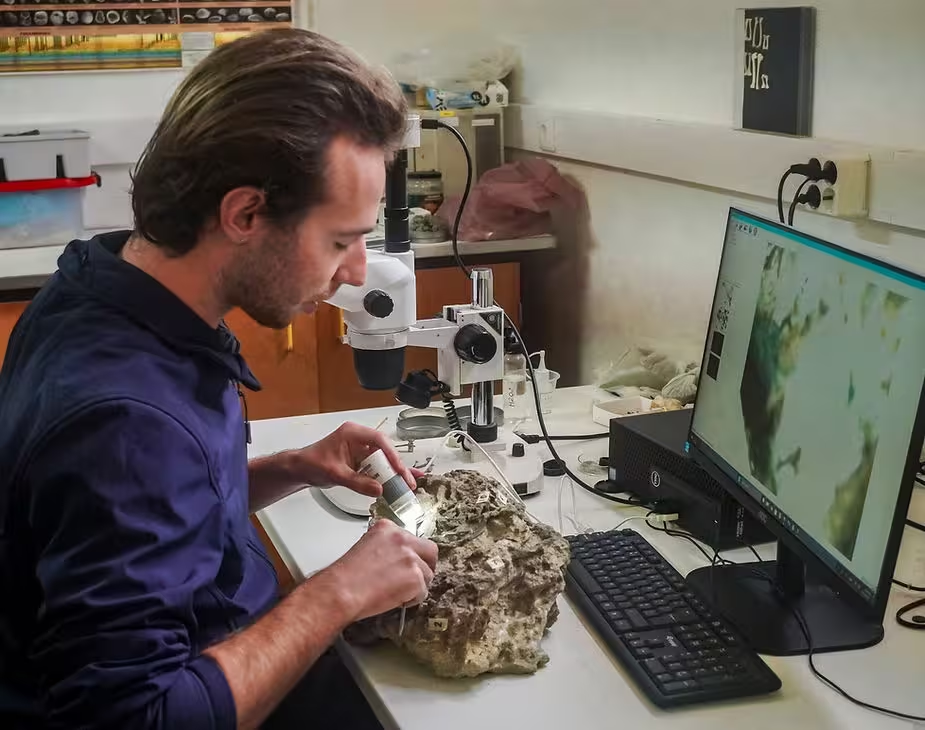
As the Late Jurassic site continues to yield data, it stands as a significant contribution to our understanding of ancient reptilian reproduction. The research team’s ongoing work promises to clarify not only the identity of the parent dinosaur but also the specific environmental pressures that shaped life 150 million years ago.
This article has been fact checked for accuracy, with information verified against reputable sources. Learn more about us and our editorial process.
Last reviewed on .
Article history
- Latest version
Reference(s)
- ge0843, “Jurassic dinosaur egg nest discovered at Santa Cruz Beach, Torres Vedras.”, January 14, 2026 SHN Torres Vedras <https://www.shn.pt/en/post/jurassic-dinosaur-egg-nest-discovered-at-santa-cruz-beach-torres-vedras>.
- “Dinosaur nest with 150-million-year-old eggs discovered in Portugal.” <https://english.news.cn/20260114/190ea2ac5bc54c9b9fb90f0a2739ef6d/c.html>.
Cite this page:
- Posted by Hassan Raza