Massive Study Reveals Which Antibiotics Are Failing Against Urinary Infections
Analysis of nearly 17,000 urine cultures across eight hospitals highlights soaring drug resistance and the hidden danger of hospital-acquired superbugs.

Urinary tract infections in Lebanon show sharply escalating resistance to common first-line antibiotics, with hospital-acquired strains displaying even more alarming multi-drug resistance patterns. Researchers analyzed 16,954 positive urine cultures collected between 2021 and 2023 across eight hospitals in Lebanon to evaluate the shifting landscape of antimicrobial resistance.
Which Germs Cause Most Urinary Infections in Lebanon?
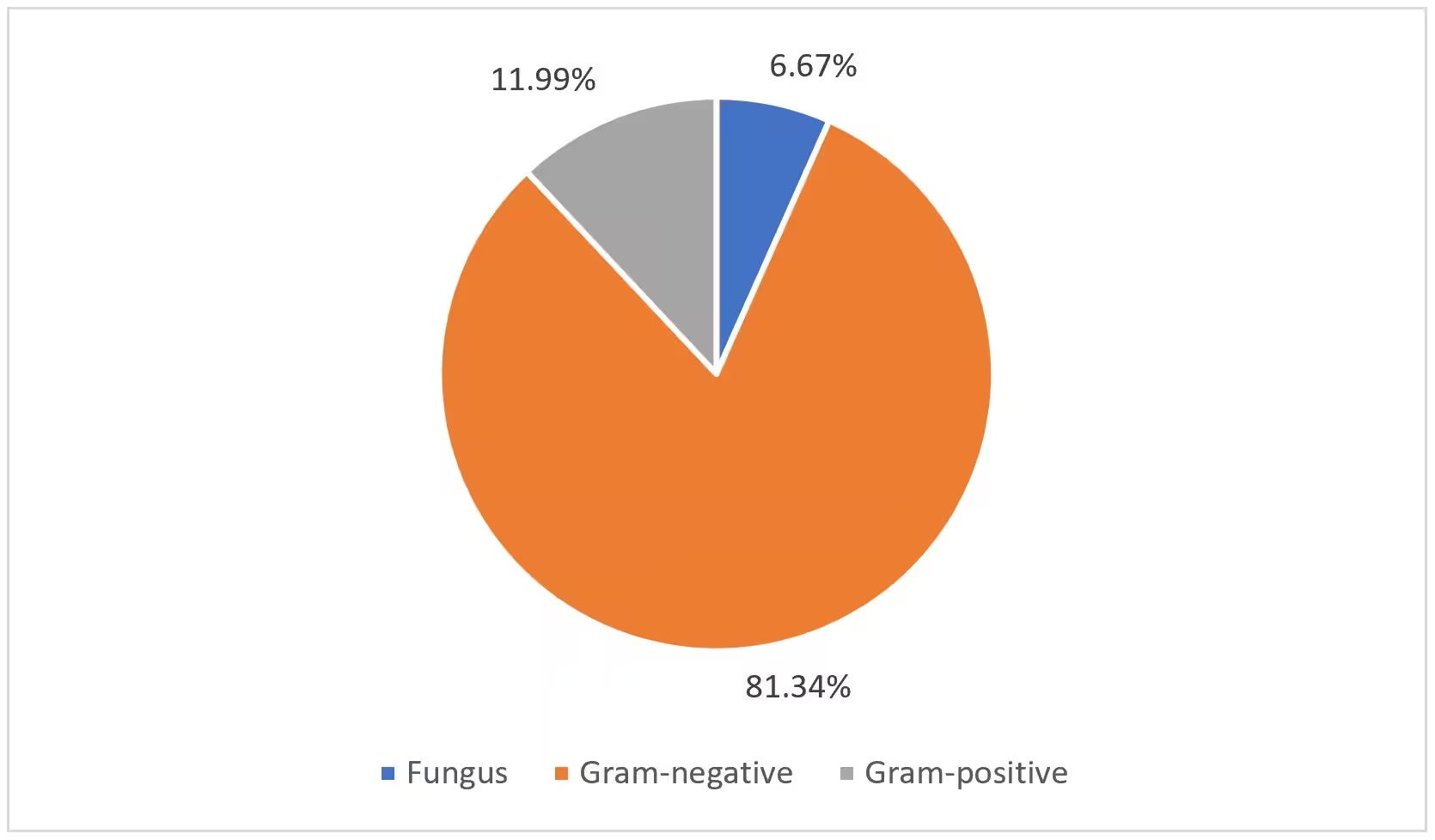
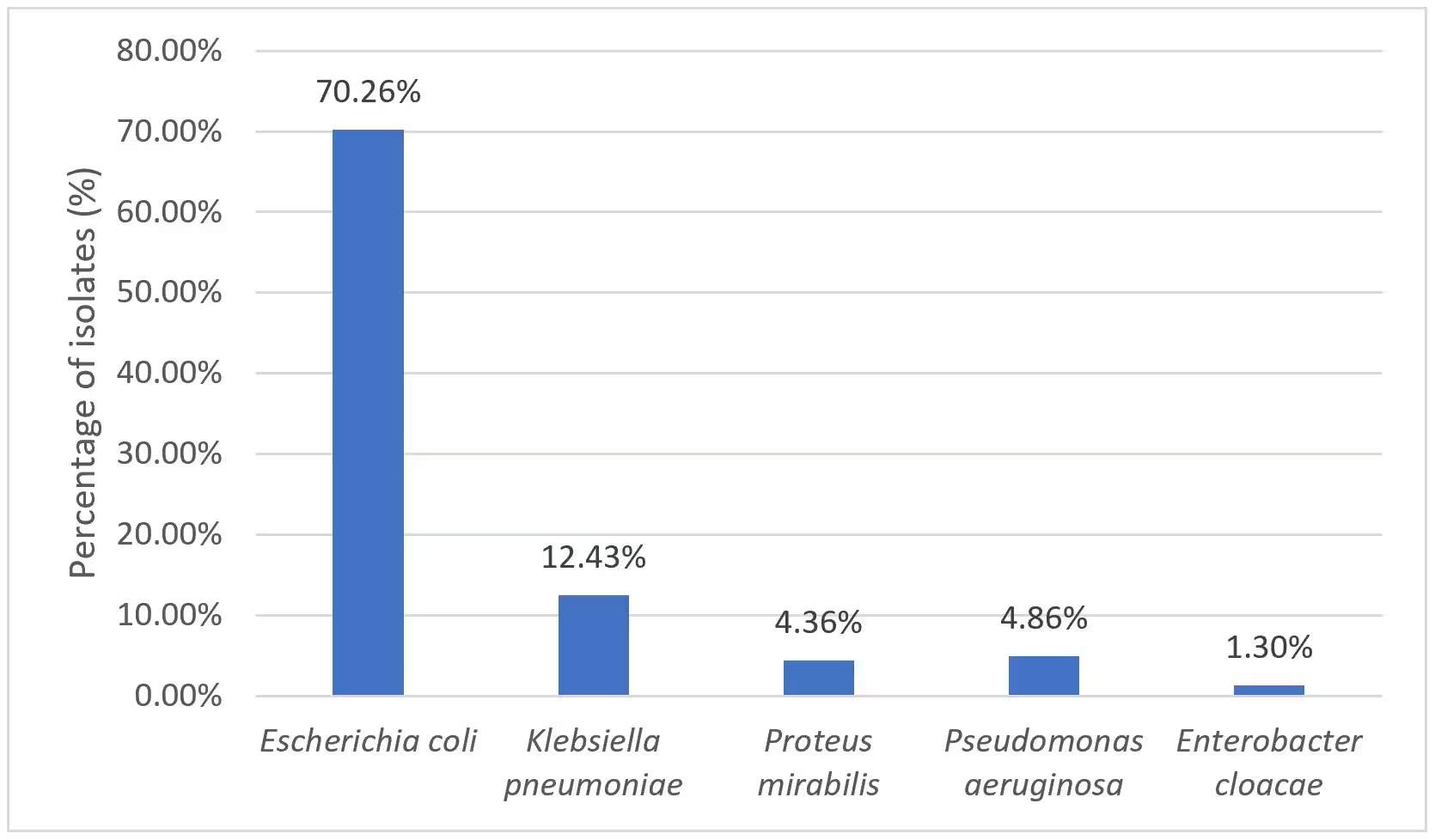
Gram-negative bacteria accounted for 81.3 percent of all positive cultures in the analysis, followed by gram-positive organisms at 12 percent and fungi at 6.7 percent. Among the gram-negative isolates, Escherichia coli (commonly known as E. coli) was by far the most frequent culprit at 70.3 percent. Other common gram-negative microbes included Klebsiella pneumoniae at 12.4 percent, Pseudomonas aeruginosa at 4.8 percent, and Proteus mirabilis at 4.4 percent.
For gram-positive infections, Enterococcus species dominated at 63.7 percent, while fungal cultures were overwhelmingly composed of Candida species, with Candida albicans representing 45.9 percent of fungal isolates. The average age of patients in the study was 66 years, and 68.5 percent were female.
Why Common Antibiotics Are Failing Patients
The study, published in PLOS One, revealed that traditional first-line treatments like ampicillin are no longer reliable. Ampicillin resistance reached 76.8 percent among E. coli samples and a staggering 95.8 percent among Klebsiella isolates. Resistance to trimethoprim-sulfamethoxazole and fluoroquinolones (such as ciprofloxacin) also climbed past 40 to 50 percent for many common bacteria.
Third-generation cephalosporins, which are critical broad-spectrum antibiotics, showed resistance rates of 45.3 percent in E. coli and 39.4 percent in Klebsiella species. These high figures point to the widespread circulation of extended-spectrum beta-lactamase (ESBL) producing bacteria, enzymes that destroy many common antibiotics.
The Hidden Risk of Hospital-Acquired Infections
Patients who picked up infections in healthcare settings faced significantly higher resistance rates than those whose infections started in the community. For instance, hospital-acquired E. coli showed a 68.8 percent resistance rate to third-generation cephalosporins, compared to 42.1 percent for community-acquired cases.
Hospital-associated E. coli also displayed much higher resistance to ertapenem, a carbapenem antibiotic, jumping from 1.9 percent in the community to 8.6 percent in hospitals. This trend highlights the dangerous emergence of carbapenem-resistant enterobacterales, which are bacteria nearly immune to last-resort treatments.
Which Drugs Still Work Against Resistant Superbugs?
Despite rising resistance, certain medications maintained low resistance rates and continue to offer reliable therapeutic options. Carbapenem resistance among overall Enterobacterales remained low at 2.3 percent, and fosfomycin resistance stood at just 5.84 percent for E. coli. Nitrofurantoin also retained good activity against E. coli, with a resistance rate of only 11.8 percent, though it performed poorly against other pathogens like Klebsiella.
For fungal infections, Candida albicans isolates were generally susceptible to standard antifungals, though fluconazole resistance reached 35 percent across all tested Candida species.
What Are the Limitations of This Retrospective Study?
The authors noted that their retrospective design relied solely on laboratory records, meaning clinical symptoms and specific treatment indications were unavailable. Consequently, asymptomatic bacteriuria could not be separated from actual infections, and molecular mechanisms of resistance were not tested. The researchers emphasize that ongoing nationwide surveillance and strict hospital infection control are urgently needed to preserve the remaining effective antibiotics.
The research was published in PLOS One on November 20, 2026.
This article has been fact checked for accuracy, with information verified against reputable sources. Learn more about us and our editorial process.
Last reviewed on .
Article history
- Latest version
Reference(s)
- Eid, Shadi., et al. “Epidemiology and resistance patterns of urinary tract infection pathogens: A three-year study in eight hospitals in Lebanon.” PLOS One, vol. 21, no. 11, November 20, 2026, pp. e0362069 Public Library of Science (PLoS), doi: 10.1371/journal.pone.0362069. <https://doi.org/10.1371/journal.pone.0362069>.
Cite this page:
- Posted by Tariq Hassan