Hidden Hip Replacement Risk Factors Reveal Why Groin Pain Strikes Patients
A large review of nearly 8,000 hips points to artificial socket overhang and anatomical differences as major drivers of persistent post-surgical tendon pain.
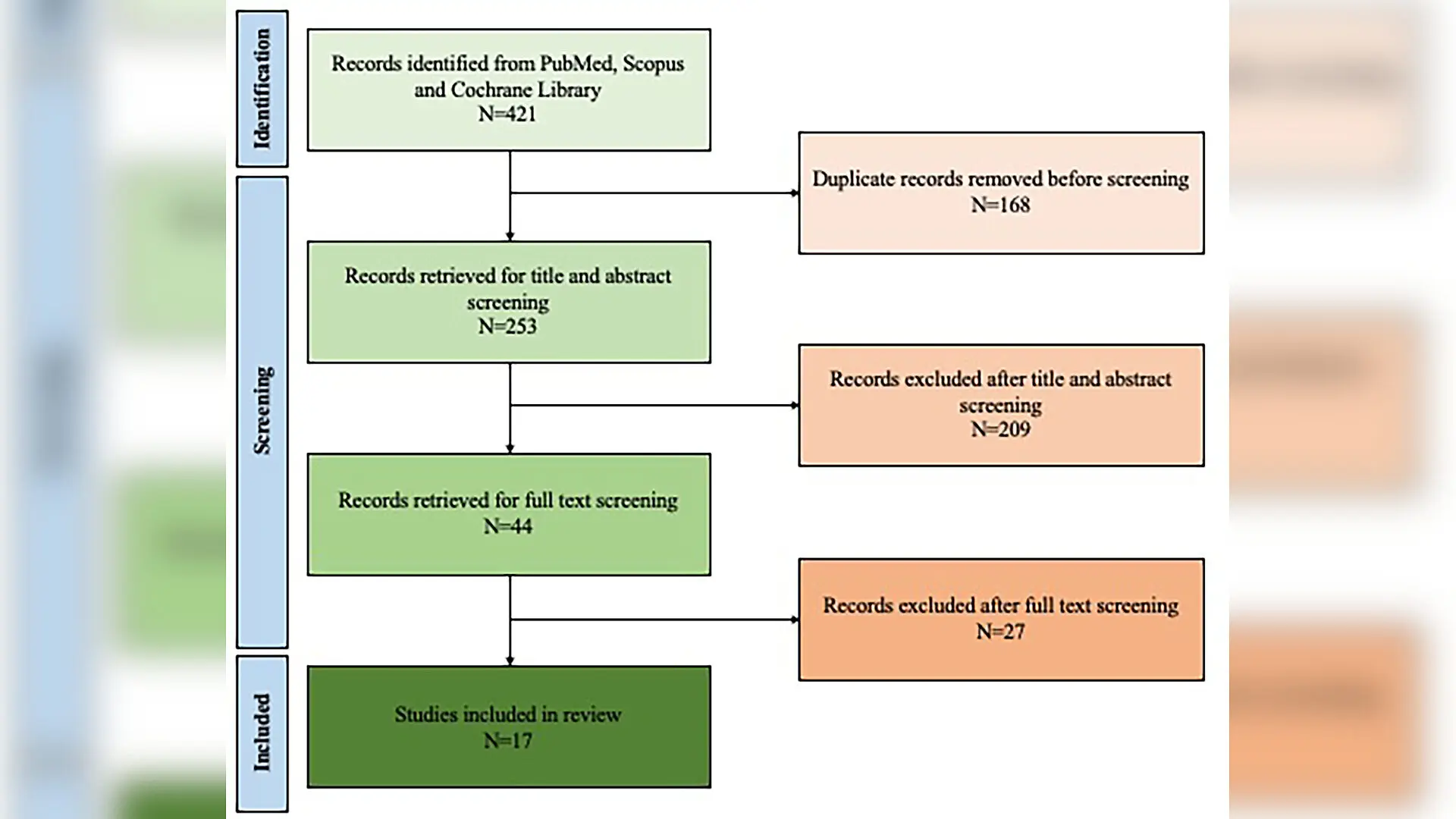
Persistent groin pain plagues up to 21 percent of patients after total hip replacement surgery, and a new study reveals that the shape and placement of the artificial hip socket are major culprits. Researchers evaluated 17 studies covering 7,873 hips to pinpoint why some people develop debilitating tendon irritation in the front of the hip after receiving a new joint.
Total hip replacement is widely celebrated as one of the most successful operations in modern medicine, yet postoperative complications can significantly drain a patient’s quality of life. Among these issues, iliopsoas tendinopathy, an inflammation of the hip flexor tendon caused by friction against the new implant, remains under-recognized. To untangle the causes, a team of researchers led by scientists at Indiana University School of Medicine published in Bone & Joint Open a comprehensive systematic review and meta-analysis examining both modifiable surgical factors and patient traits.
What Surgical Factors Push the Tendon Too Far?
The review identified 15 modifiable implant and technique-related risk factors contributing to the condition. Among these, acetabular component overhang, where the artificial socket sticks out past the natural bone edge, and anterior cup prominence were the most frequently reported culprits. When the socket protrudes too far forward, it creates a mechanical trap that grinds against the iliopsoas tendon every time the patient moves.
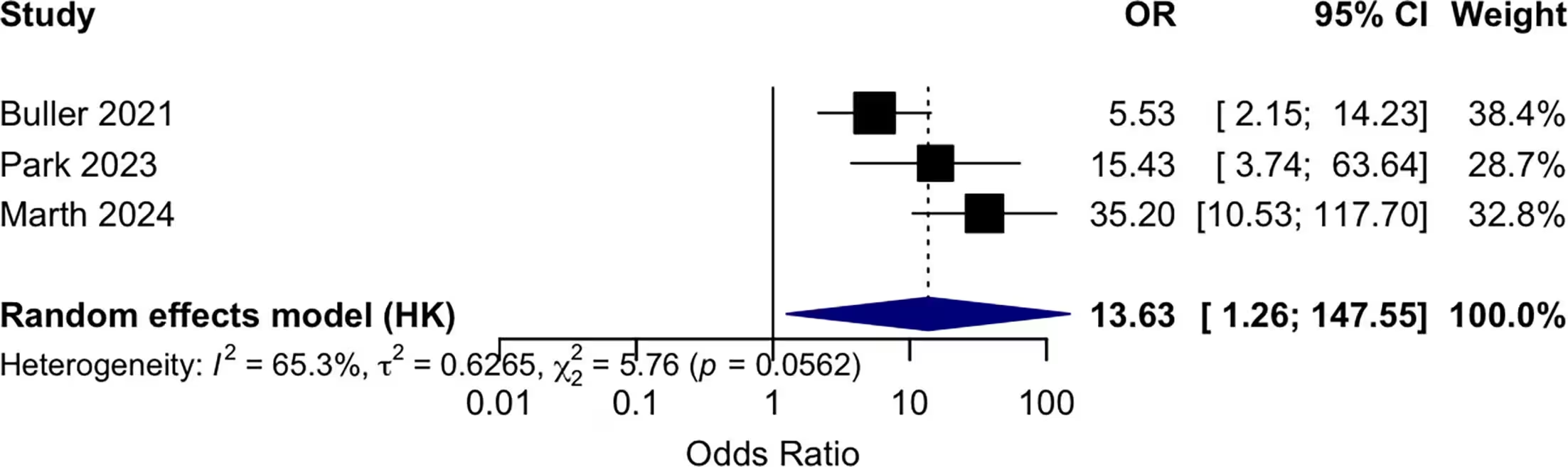
Data from the meta-analysis showed that acetabular component overhang dramatically multiplies the risk, increasing the likelihood of tendon pain by more than 13 times. Thresholds for symptomatic overhang varied widely from 1 millimeter to over 19 millimeters, while cup protrusion exceeding 4.7 millimeters also significantly increased the odds of trouble. Other surgical factors, such as ceramic-on-ceramic bearings and dual-mobility components, were linked to higher risks in individual studies, highlighting how subtle design choices impact biomechanics.
Which Patient Traits Increase Susceptibility?
Beyond the hardware itself, the study cataloged 14 non-modifiable patient-related risk factors that influence who develops the condition. Female sex emerged as a consistent predictor, with four studies reporting a higher incidence among women. Anatomical differences, such as women typically having less native anterior acetabular coverage and higher pelvic tilt, likely contribute to this vulnerability.
The research also revealed that secondary osteoarthritis stemming from developmental dysplasia of the hip or femoroacetabular impingement, a condition where hip bones misalign, significantly raised the odds of postoperative tendon pain. These complex structural abnormalities make precise surgical reconstruction much more difficult, often predisposing the joint to mechanical irritation.
How Can Doctors Diagnose and Treat This Pain?
Diagnosing iliopsoas tendinopathy requires ruling out other issues like infection, implant loosening, or bone fractures using standard X-rays, computed tomography scans, and magnetic resonance imaging. Once confirmed, doctors typically begin with conservative treatments like physical therapy and ultrasound-guided corticosteroid injections into the tendon bursa, which provide both diagnostic confirmation and therapeutic relief.
For patients who fail conservative care, revision surgery may be necessary, especially if the artificial socket is severely mispositioned. The authors emphasize that careful preoperative planning and advanced templating can help surgeons avoid oversizing components, ultimately protecting patients from long-term groin pain.
The research was published in Bone & joint open on November 18, 2026.
This article has been fact checked for accuracy, with information verified against reputable sources. Learn more about us and our editorial process.
Last reviewed on .
Article history
- Latest version
Reference(s)
- Romero Padron, Manuel A.., et al. “Risk factor for developing iliopsoas tendinopathy after total hip arthroplasty.” Bone & Joint Open, vol. 7, no. 11, November 18, 2026, pp. 1498-1506. British Editorial Society of Bone & Joint Surgery, doi: 10.1302/2633-1462.711.bjo-2026-0154.r2. <https://doi.org/10.1302/2633-1462.711.bjo-2026-0154.r2>.
Cite this page:
- Posted by Susan White