Can a Cheap Body Scan Accurately Track Muscle Loss in Diabetes
A new review reveals that while quick impedance scans show similar group averages to X-ray absorptiometry, individual measurements vary too much for reliable clinical substitution.
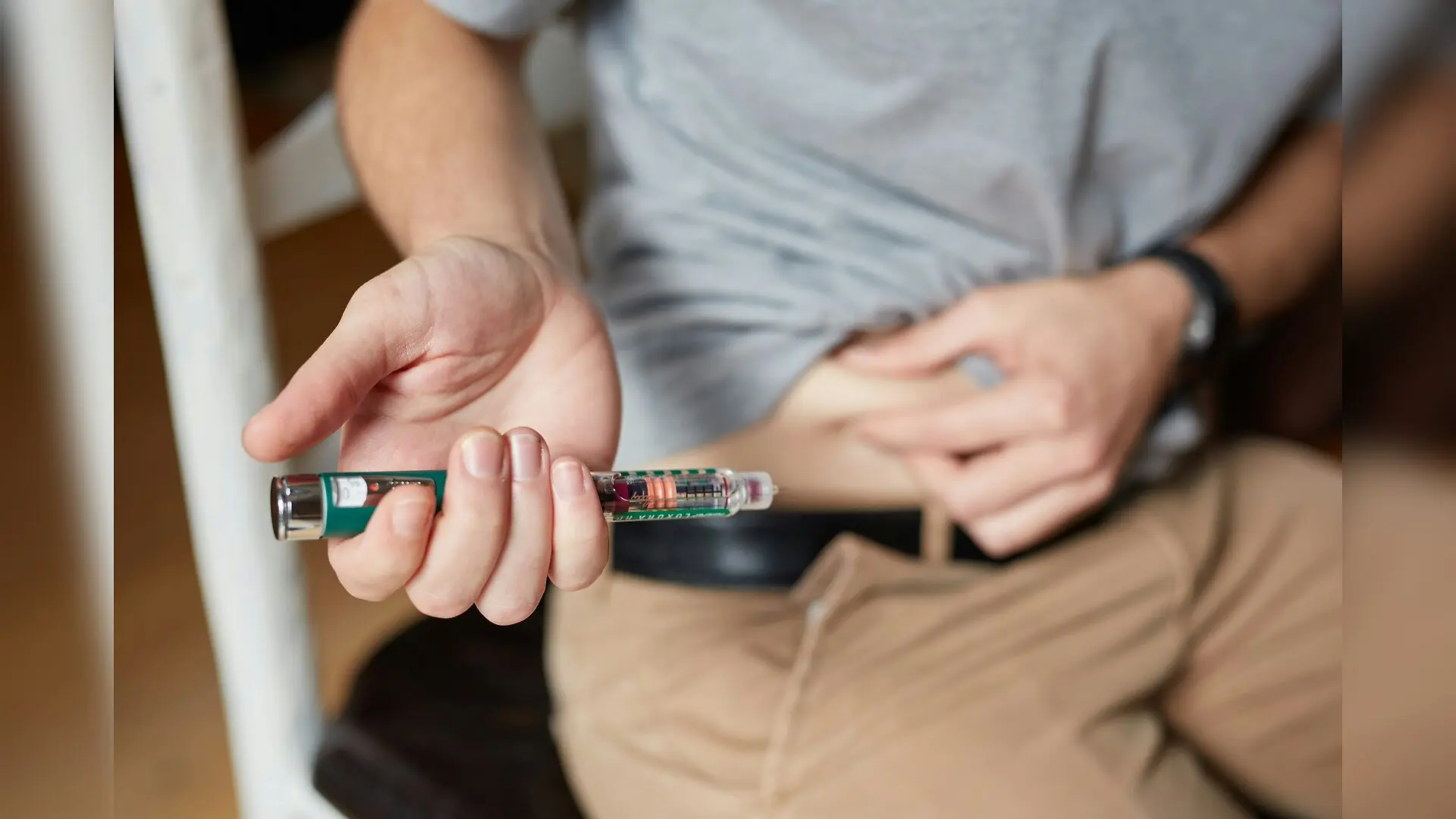
Adults with type 2 diabetes mellitus face a doubled risk of losing muscle mass compared to those without the condition, prompting doctors to search for reliable ways to track muscle health. A comprehensive systematic review published in PLOS One evaluated whether bioelectrical impedance analysis, a portable and inexpensive body scan, could replace the gold standard of dual-energy X-ray absorptiometry for diagnosing low muscle mass.
Can a Simple Body Scan Replace X-Ray Technology for Diabetes Patients?
The research team, led by scientists including Shobhit Raj and Sahana Shetty, analyzed data from seven studies encompassing 646 adult patients across six countries. Bioelectrical impedance analysis, commonly known as BIA, works by sending a weak, harmless electrical current through the body to estimate tissue composition. It takes less than five minutes, requires no special room, and costs very little compared to traditional scanning equipment. Dual-energy X-ray absorptiometry, or DXA, relies on low-dose X-rays in a shielded medical facility and is widely considered the reference standard for measuring muscle mass.
When looking at group averages, the two methods appeared remarkably similar. The pooled mean difference in total fat-free mass was less than one kilogram, suggesting BIA reads only slightly lower than DXA on average. However, group averages can hide substantial discrepancies for individual patients. When the researchers examined limits of agreement, they discovered that an individual patient’s score on BIA could differ from their DXA result by roughly seven kilograms in either direction.
Why Individual Results Can Vary Dramatically in Clinical Settings
Type 2 diabetes often brings changes in body hydration, including the buildup of excess extracellular fluid and altered tissue electrical properties. These physiological factors can disrupt the mathematical formulas that BIA devices use to translate electrical resistance into muscle measurements. The study found that population limits of agreement for appendicular lean mass indices, which adjust muscle mass for height, spanned up to 1.8 kilograms per square meter in both directions. That spread is wide enough to straddle the clinical thresholds used to diagnose low muscle mass.
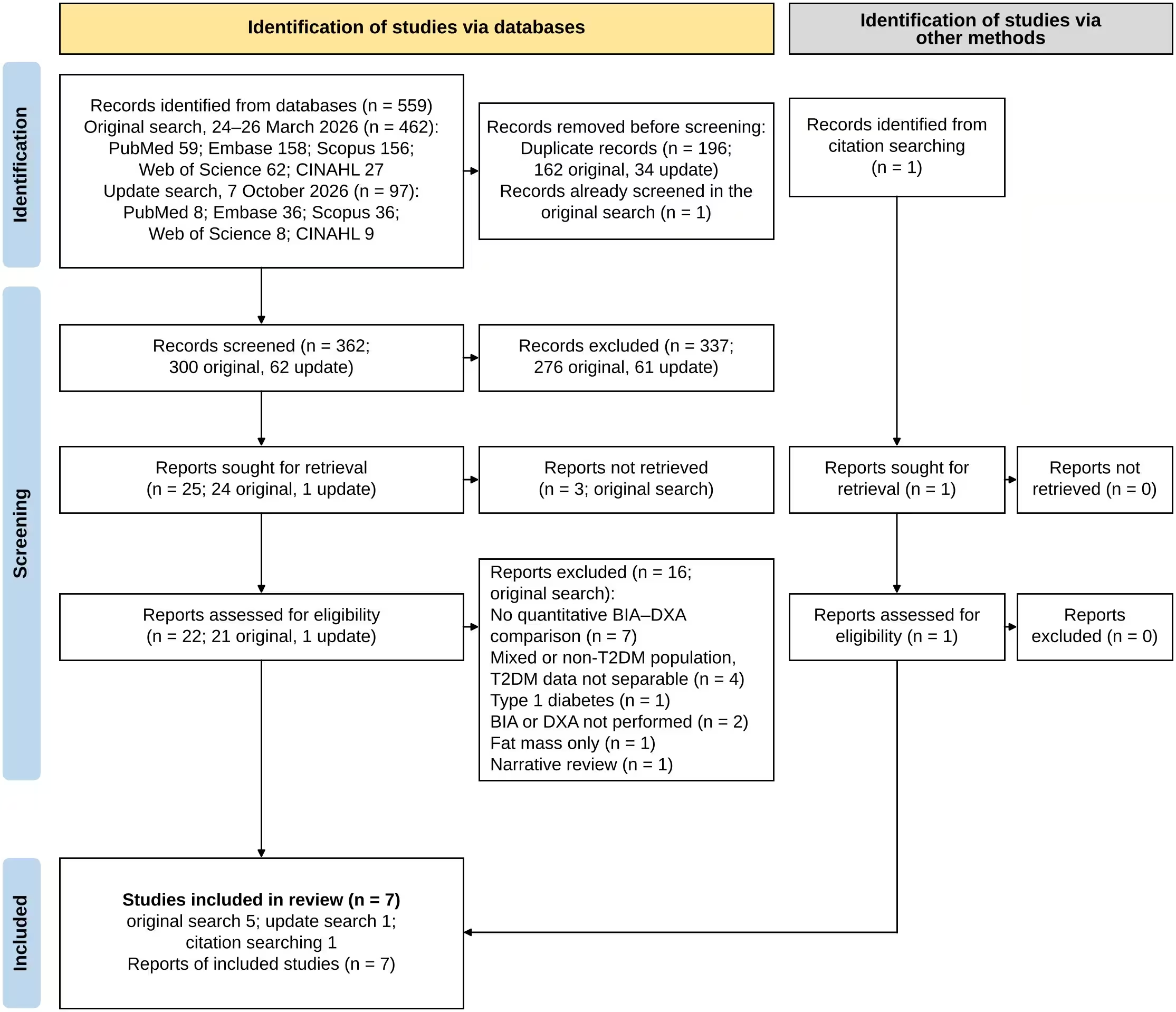
When researchers evaluated how often the two tests categorized the exact same individuals as having low muscle mass, the concordance dropped further. In studies applying identical diagnostic thresholds to both techniques, BIA missed between nine and twenty-nine percent of the patients identified as having low muscle mass by DXA. At the same time, BIA misclassified six to thirty-six percent of patients as having low muscle mass when DXA rated them as normal. While statistical correlations between the two testing methods remained high, the authors emphasize that correlation measures whether tests rank people in a similar order rather than proving the two methods yield interchangeable clinical values.
What These Findings Mean for Routine Medical Practice
The evidence certainty for these comparisons is low to very low, largely due to variations in study design, small sample sizes, and a lack of standardized measurement conditions across different clinics. Because DXA scanners remain scarce in many low- and middle-income regions where the diabetes burden is highest, BIA still offers a practical starting point for screening muscle health in primary care settings. Patients who receive a BIA result near a diagnostic threshold, or whose care plan would change based on the reading, should ideally confirm the assessment with a DXA scan if one is accessible. Researchers also stress that healthcare providers must account for individual fluid balance and use validated equations tailored to their specific patient populations when interpreting impedance scans.
The research was published in PLOS One on November 20, 2026.
This article has been fact checked for accuracy, with information verified against reputable sources. Learn more about us and our editorial process.
Last reviewed on .
Article history
- Latest version
Reference(s)
- Raj, Shobhit., et al. “Bioelectrical impedance analysis versus dual-energy X-ray absorptiometry for sarcopenia assessment in type 2 diabetes mellitus: A systematic review and meta-analysis.” PLOS One, vol. 21, no. 11, November 20, 2026, pp. e0353604 Public Library of Science (PLoS), doi: 10.1371/journal.pone.0353604. <https://doi.org/10.1371/journal.pone.0353604>.
Cite this page:
- Posted by Susan White