Scientists Finally Reveal How Sperm Whales Could Sink Ships Using Their Massive Heads
New research uncovers the evolutionary secrets behind the sperm whale’s massive size, shedding light on why these ocean giants fascinate scientists today.
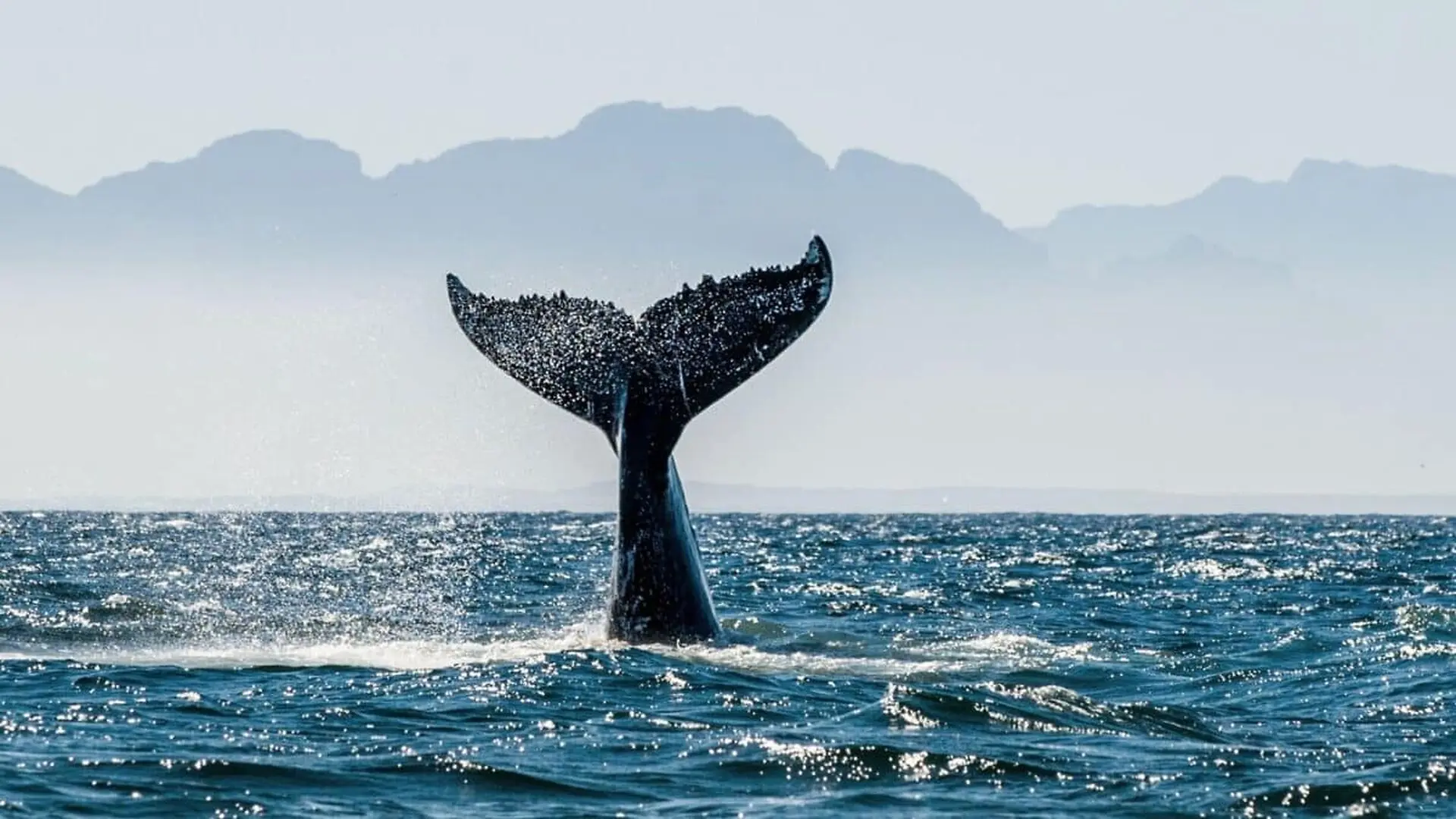
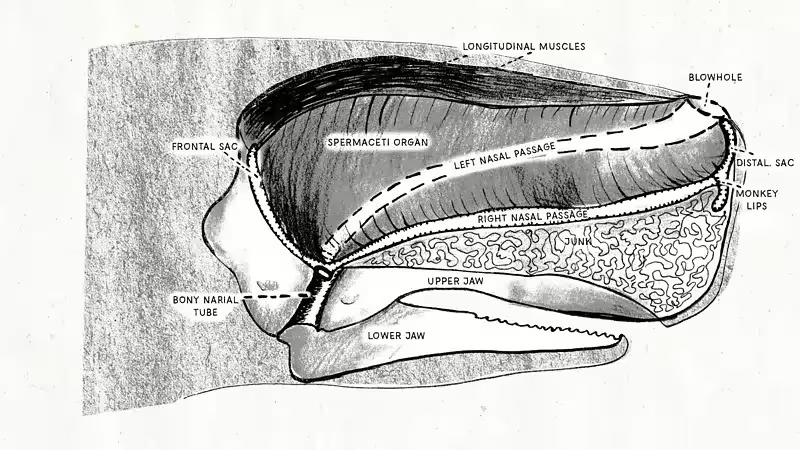
For more than two centuries, the sinking of the whaleship Essex has remained one of maritime history’s most chilling enigmas. In November 1820, the vessel was destroyed in the Pacific Ocean after being struck by a sperm whale, an event that served as the primary inspiration for Herman Melville’s literary classic, Moby-Dick. While the narrative of a rogue whale systematically dismantling a ship larger than itself has long been viewed as a nautical curiosity, modern biological research suggests the animal’s anatomy may have provided the physical capability for such a feat.
The Physics of a Biological Battering Ram
The tragedy of the Essex was recounted by 15-year-old crew member Thomas Nickerson, who witnessed the whale charge the vessel, strike it with enough force to knock sailors off their feet, and then return to smash the bow, ultimately sending the ship to the ocean floor. For decades, the observations of first mate Owen Chase, who insisted the whale’s head functioned as a battering ram, were largely dismissed by the scientific community. However, current investigations into the specialized physiology of the sperm whale are lending significant weight to his historical account.
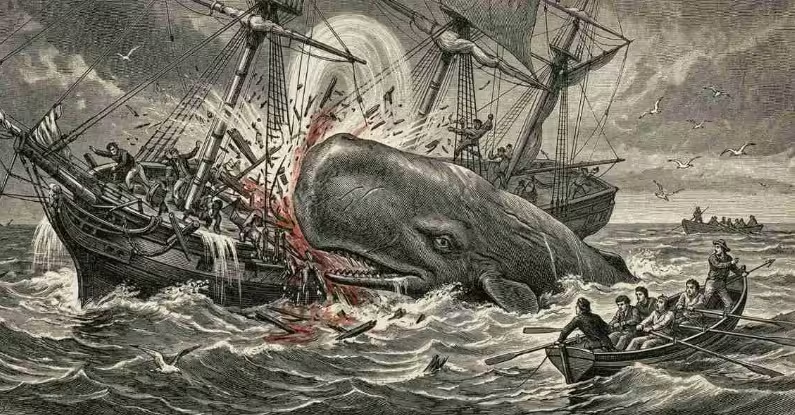
The Anatomy of the Spermaceti Organ
The secret may reside in the sperm whale’s enormous forehead, which accounts for nearly a third of its total body length. This region houses the spermaceti organ, a complex structure filled with a unique waxy substance that was once a primary target for the whaling industry. According to reports from the BBC, the global demand for this oil led to the deaths of approximately 300,000 whales between the 18th and 19th centuries.
Retired evolutionary biologist Dave Carrier, who has long studied the mechanics of this phenomenon, notes that the hypothesis regarding the whale’s head as a weapon originated with Owen Chase. In a 2002 study, Carrier proposed that the massive forehead likely evolved as a specialized tool for intraspecific combat, allowing males to compete by ramming one another.
Quantifying the Impact
Field research supports the idea of head-butting as a natural behavior. Ecophysiologist Alec Burslem of the University of Hawaii has captured rare footage of young males engaging in head-to-head strikes in the Azores and the Balearic Islands. Measurements from these encounters indicate that a young whale striking at 4.5 metres per second generates an impact force of roughly 460 kilonewtons. Extrapolating these figures to a fully mature bull suggests a force of approximately 1,200 kilonewtons, an energy level capable of compromising the structural integrity of a wooden ship.
While the Essex remains the most storied encounter, historical records from the Nantucket Historical Society, curated by Michael Harrison, confirm that at least two other vessels—the Ann Alexander in 1851 and the Kathleen in 1902—suffered similar fates at the hands of sperm whales.
Beyond its function as a potential weapon, researchers suspect the spermaceti organ may play a role in acoustic communication, perhaps allowing females to evaluate the fitness of males. As scientists continue to decode the biology of these marine giants, it becomes clear that the traits that once made them a target for whalers were also the very mechanisms that could, in rare instances, turn them into a formidable threat to human maritime ventures.
This article has been fact checked for accuracy, with information verified against reputable sources. Learn more about us and our editorial process.
Last reviewed on .
Article history
- Latest version
Reference(s)
- Bressanin, Anna. “A mysterious organ in the sperm whale's head gives it the power to sink ships.”, September 26, 2026 BBC <https://www.bbc.com/future/article/20260923-the-science-behind-moby-dick-the-prized-head-of-the-sperm-whale-is-its-greatest-weapon>.
- <https://journals.biologists.com/jeb/article-abstract/205/12/1755/8959/The-face-that-sank-the-Essex-potential-function-of>.
Cite this page:
- Posted by Divya Iyer