NASA Found Rare Space Dust That Reveals a Secret Ancient Water Reservoir Beyond Neptune
Space dust collected high in Earth’s atmosphere reveals a hidden chemical signature of ancient water that reacted with rock far beyond Neptune.
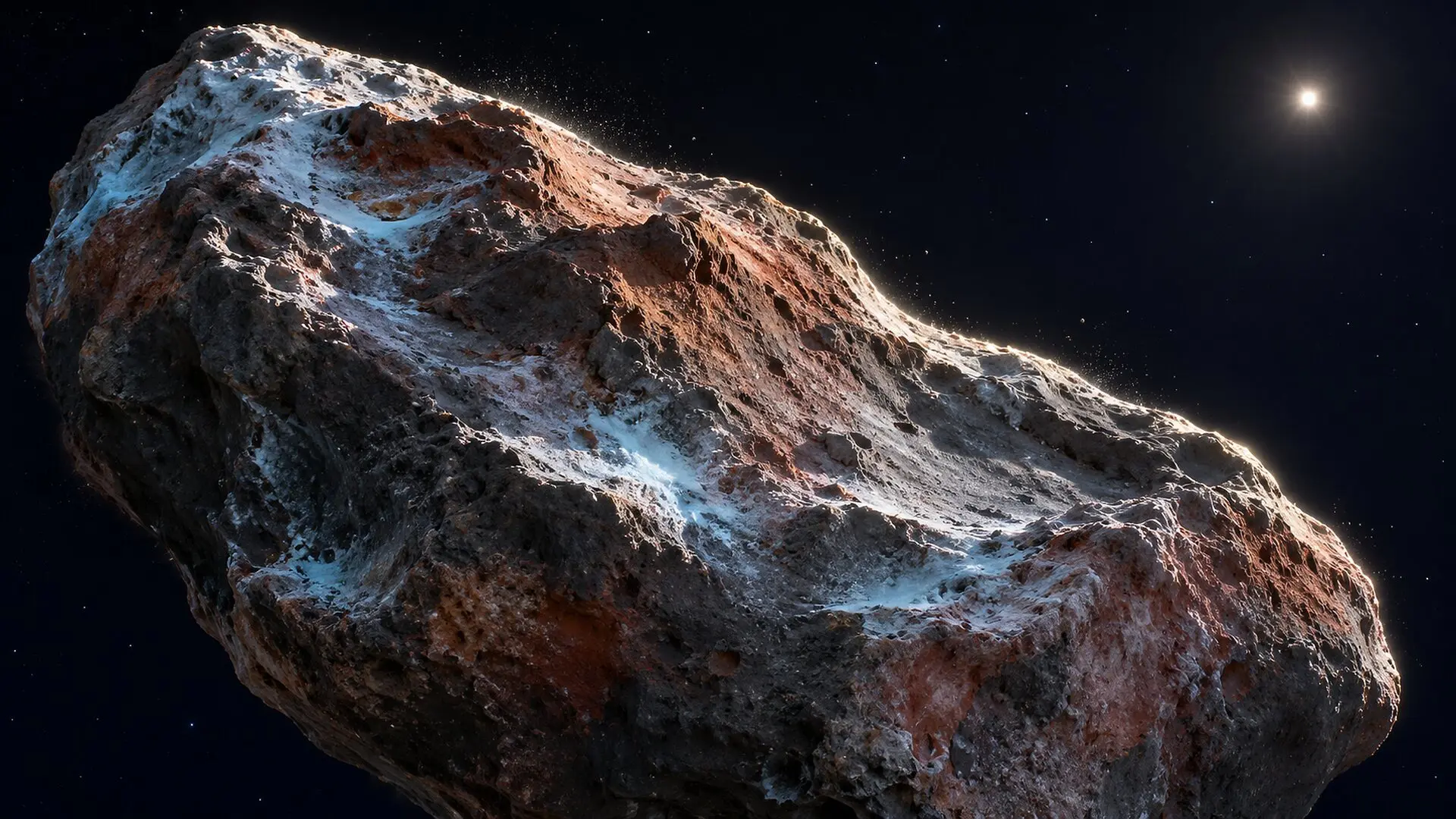
NASA researchers analyzing microscopic dust particles collected from the Earth’s stratosphere have uncovered chemical signatures of an ancient water reservoir located in the far reaches of the solar system. The discovery, detailed in Science Advances, provides a rare window into the composition of the Kuiper Belt, a vast region of icy bodies situated beyond Neptune that has remained largely untouched by modern space missions.
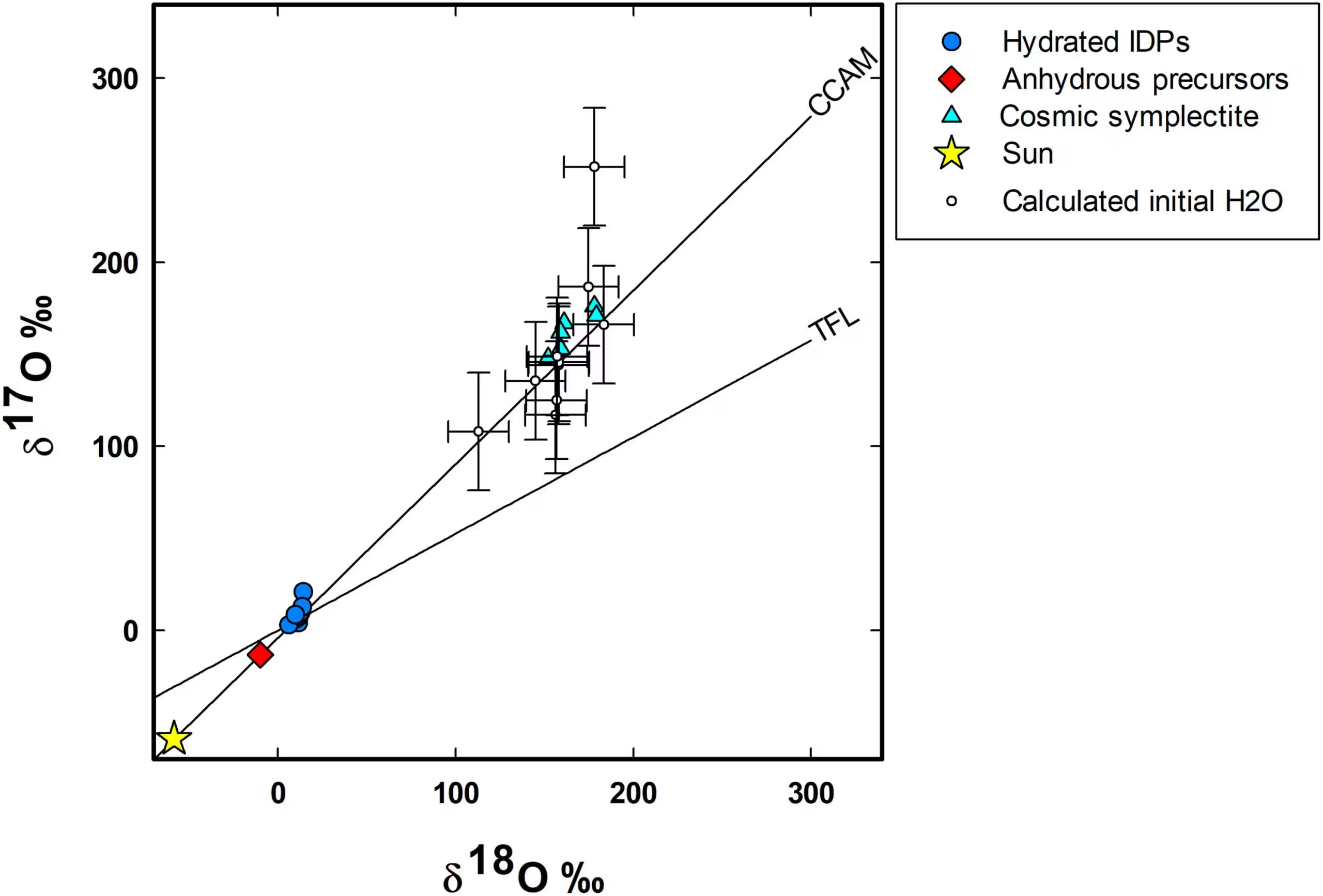
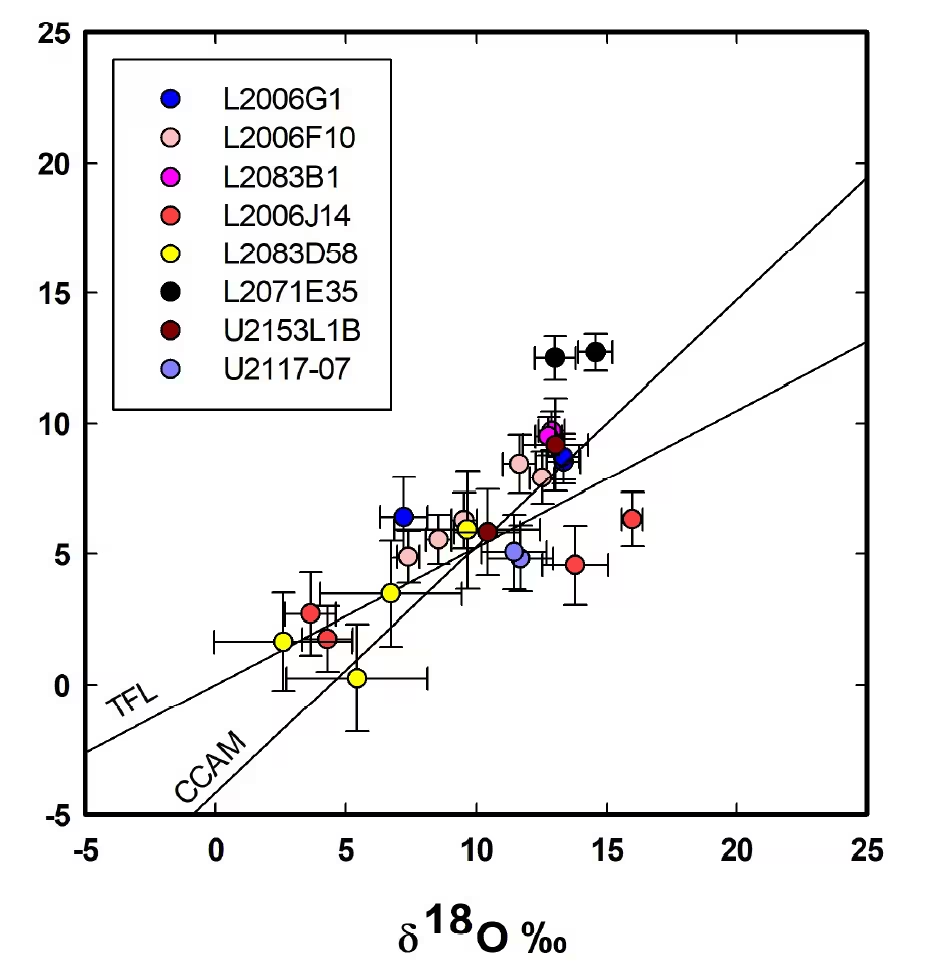
The team, led by Lindsay Keller of the NASA Johnson Space Center and collaborators at the University of California, Los Angeles, identified 12 specific grains that contain evidence of ancient water-rock interactions. By measuring the oxygen isotope ratios within these grains, the scientists were able to infer that the water present in the early outer solar system was significantly enriched with heavy oxygen—specifically oxygen-17 and oxygen-18—compared to the water found in our planet’s oceans.
Tracing Distant Origins Through Radiation Scars
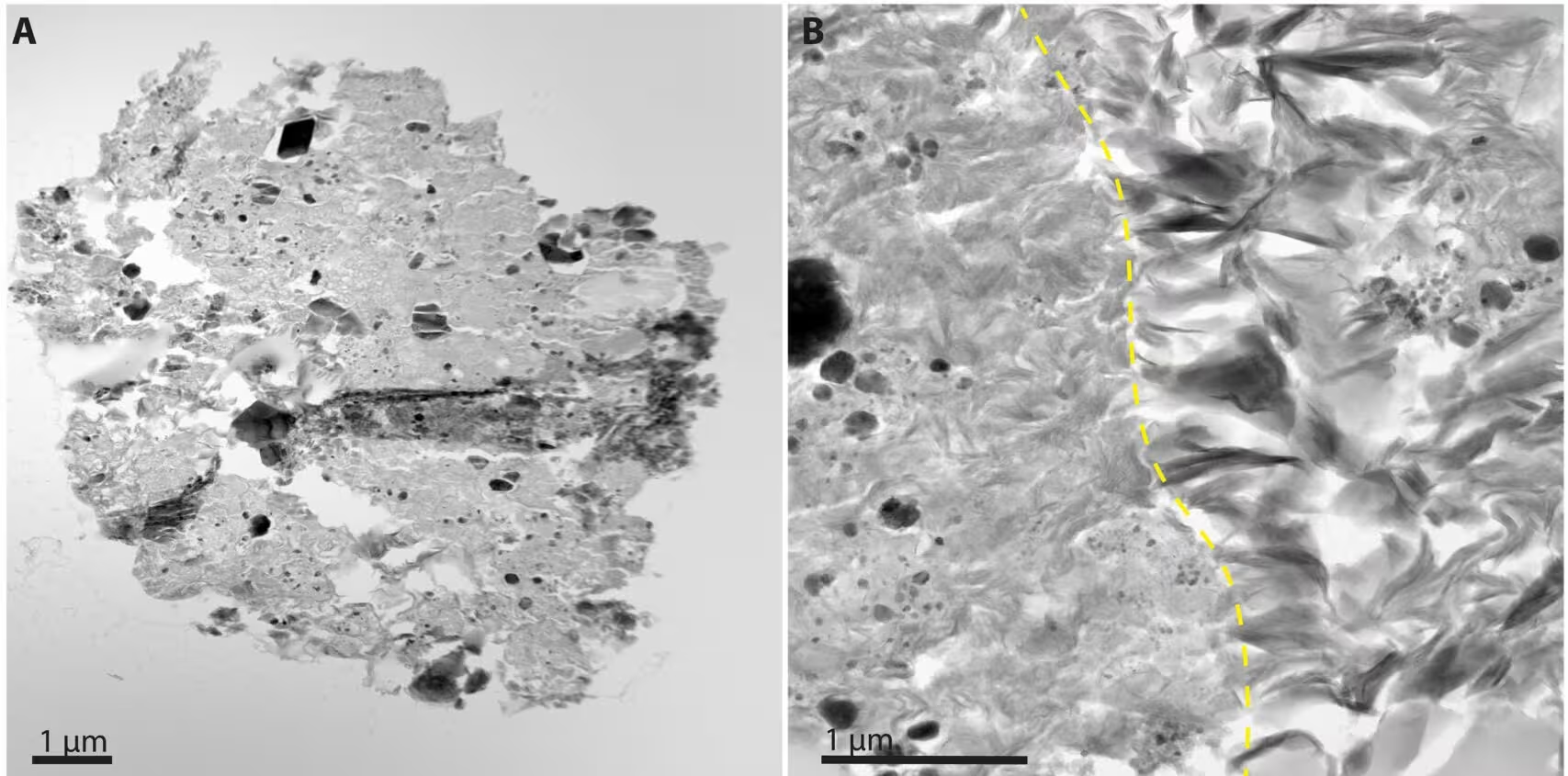
The journey of these particles from the Kuiper Belt to Earth is recorded in their physical structure. As interplanetary dust travels through space, it is bombarded by solar radiation, which leaves microscopic tracks within the crystalline grains. Through previous calibration work, researchers determined that the density of these tracks corresponds to the duration of the particle’s exposure to space. The high track densities observed in these 12 samples indicate travel times exceeding a million years, suggesting they originated much further out than the typical asteroid belt or Jupiter-family comets.
While spacecraft like New Horizons offer snapshots of distant worlds, these Earth-collected grains allow scientists to utilize laboratory equipment too sensitive to fly on space missions. This allows for a detailed mineralogical analysis that would otherwise be impossible at such distances.
Mineral Signatures of Ancient Chemistry
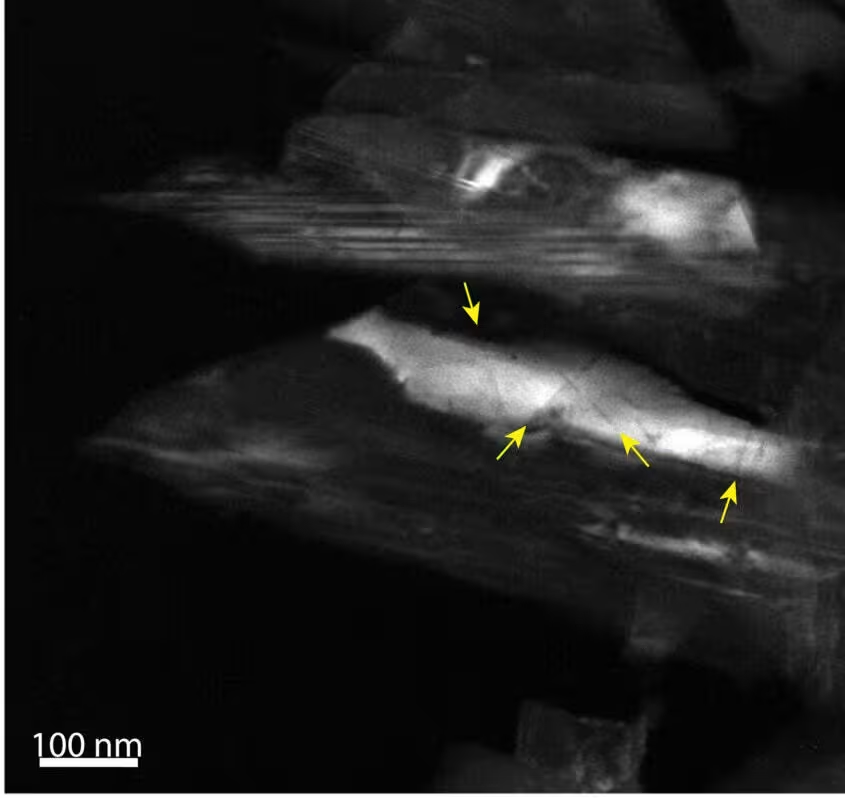
Electron microscopy revealed that the grains are primarily composed of saponite, a water-bearing clay mineral, alongside magnesium- and iron-rich carbonates. The absence of calcium-rich minerals commonly found in other extraterrestrial samples suggests that these particles formed in a unique environment, likely involving carbon-rich fluids and short-lived chemical reactions within their parent bodies. By modeling how dry silicates react with cold, water-rich fluids, the research team confirmed that the internal mineralogy of the grains matches the expected results of such cold-temperature processing.
Crucially, because oxygen atoms from the original water become embedded in the crystal structure of the resulting clay, the grains act as a permanent record of the water’s isotopic composition long after the liquid has vanished. The calculated 15% enrichment in oxygen-18 compared to Earth’s standard provides a distinct chemical fingerprint that may help distinguish materials from different solar system reservoirs.
Implications for Early Solar System Evolution
The findings support the hypothesis that the outer solar system remained chemically isolated from the inner regions during the formation of the planets. The observed oxygen isotope ratios might be explained by the ultraviolet-driven dissociation of carbon monoxide, a process that separates oxygen isotopes in the early solar nebula. As the giant planets grew, they likely acted as barriers, preventing the mixing of materials and preserving these distinct chemical reservoirs.
This discovery provides a new benchmark for planetary scientists to test models of solar system formation. Future efforts will focus on analyzing additional grains to determine if this isotopic signature is a widespread feature of the Kuiper Belt or a characteristic of specific parent bodies. By comparing these results with samples from asteroids like Bennu, researchers hope to better understand the chemical diversity that helped shape our solar system.
Resources for Further Reading
This article has been fact checked for accuracy, with information verified against reputable sources. Learn more about us and our editorial process.
Last reviewed on .
Article history
- Latest version
Reference(s)
- Keller, Lindsay P.., et al. “A primordial heavy water reservoir in the outer solar system.” Science Advances, vol. 12, no. 46, November 13, 2026 American Association for the Advancement of Science (AAAS), doi: 10.1126/sciadv.aeg1602. <https://doi.org/10.1126/sciadv.aeg1602>.
- “Johnson Space Center - NASA.”, January 6, 2023 NASA <https://www.nasa.gov/johnson/>.
- “UCLA.” <https://www.ucla.edu/>.
Cite this page:
- Posted by Aisha Ahmed