New Physics Model Suggests White Dwarf Stars May Eventually Evaporate Into Nothingness
A new calculation suggests white dwarfs could evaporate much sooner than expected if a specific form of gravitational particle production occurs.
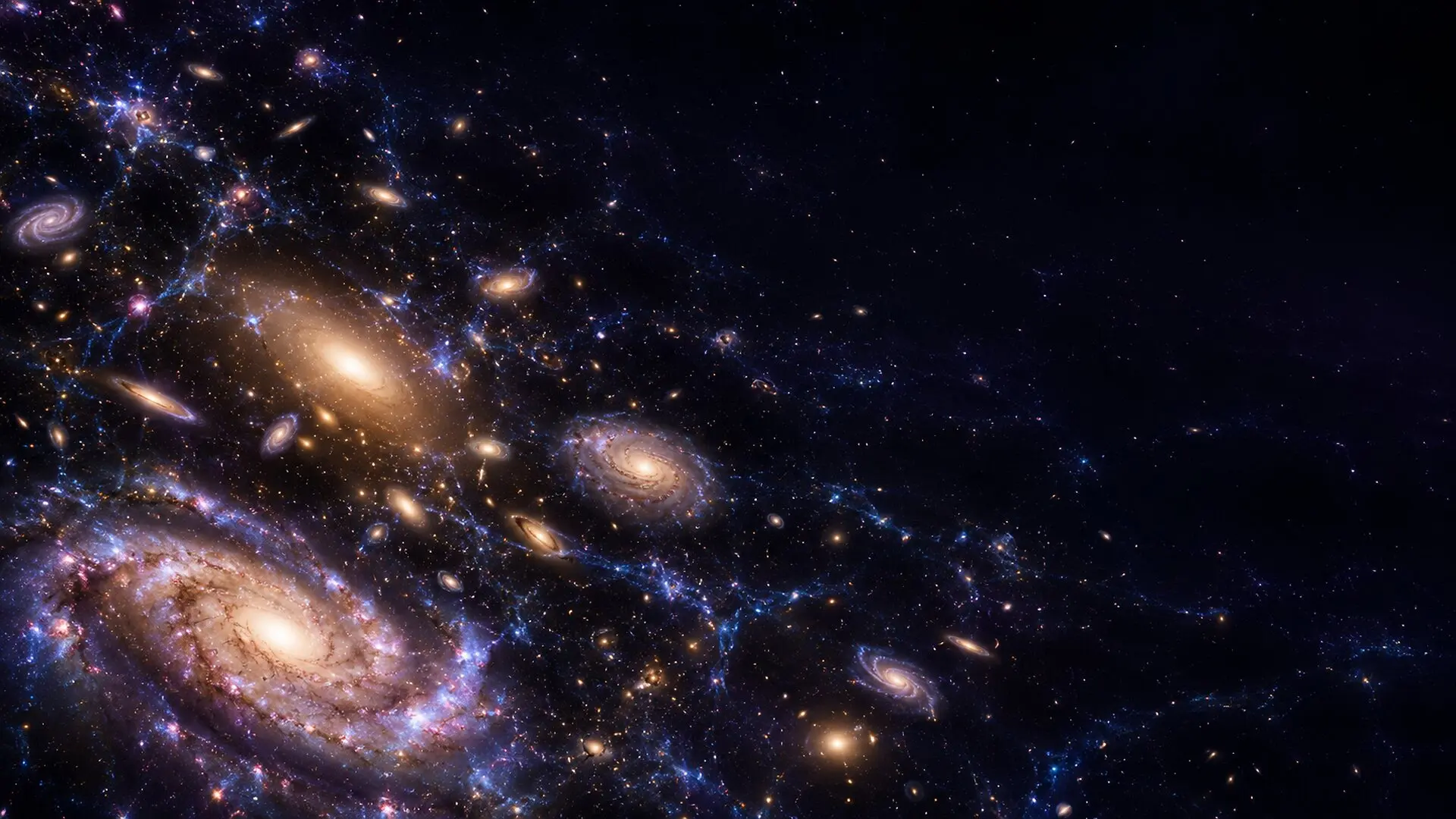
Physicists are investigating a provocative theoretical possibility: that white dwarfs, the dense husks of dead stars, may not be permanent fixtures of the cosmos. A new study suggests these stellar remnants could slowly dissolve through a process analogous to Hawking radiation, albeit over timescales so vast they defy human comprehension.
The research, conducted by a team at Radboud University and published in the Journal of Cosmology and Astroparticle Physics, posits that white dwarfs could have a characteristic evaporation lifespan of approximately 10^78 years.
Extending Hawking’s Legacy to Compact Stars
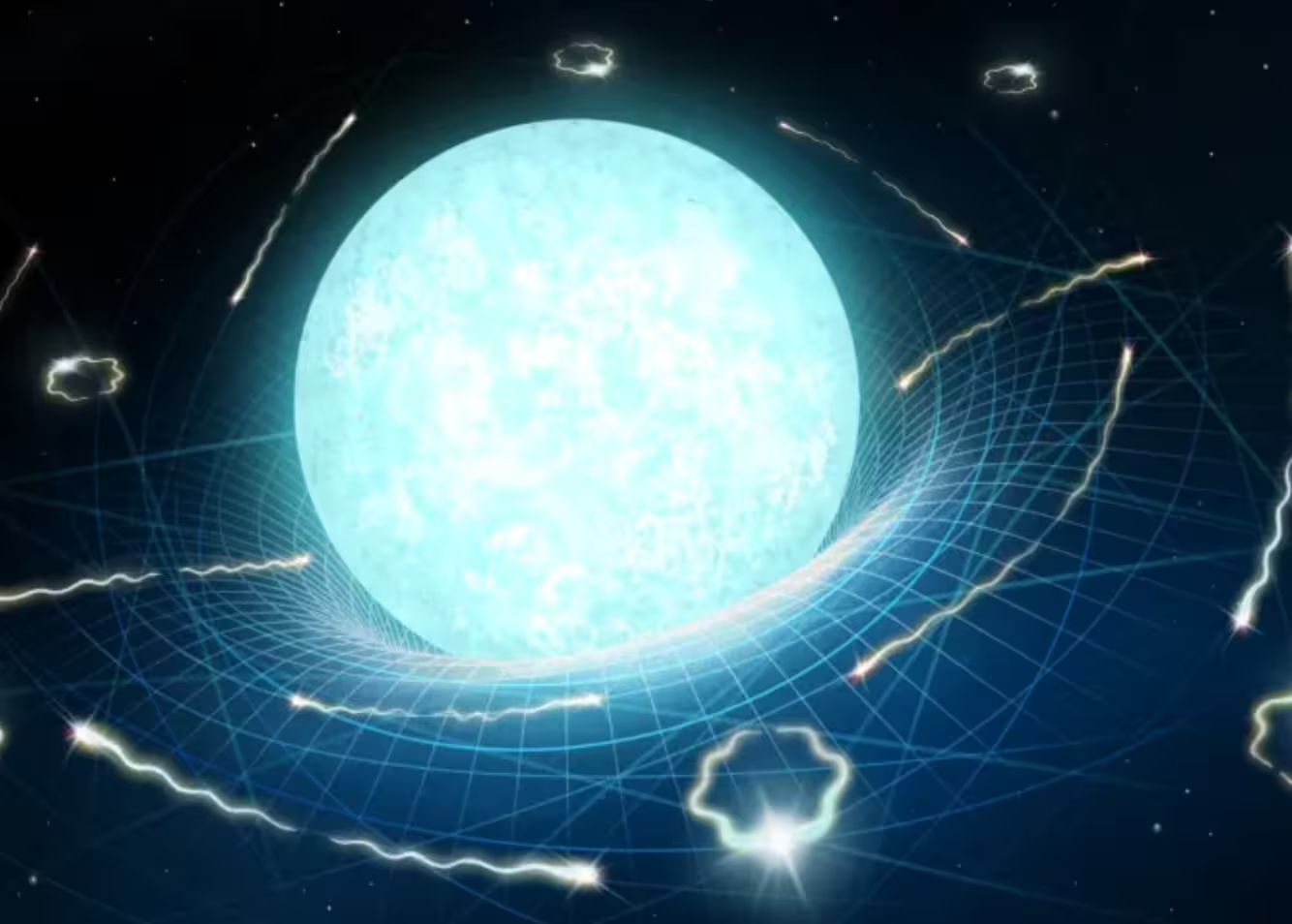
The concept hinges on an expansion of Stephen Hawking’s seminal work regarding black holes. In standard general relativity, an event horizon acts as a one-way boundary. Hawking famously demonstrated that, when quantum mechanics is factored into this curved spacetime, black holes should emit thermal radiation, gradually shedding mass until they eventually vanish.
The Radboud University researchers—Heino Falcke, Michael Wondrak, and Walter van Suijlekom—asked whether the intense curvature of spacetime surrounding non-black hole objects could trigger a similar phenomenon. While white dwarfs lack the event horizon of a black hole, they represent an extreme concentration of matter, providing a unique theoretical laboratory to test if gravity itself, rather than the horizon, is the primary driver of this particle production.
Modeling the Dissipation of Matter
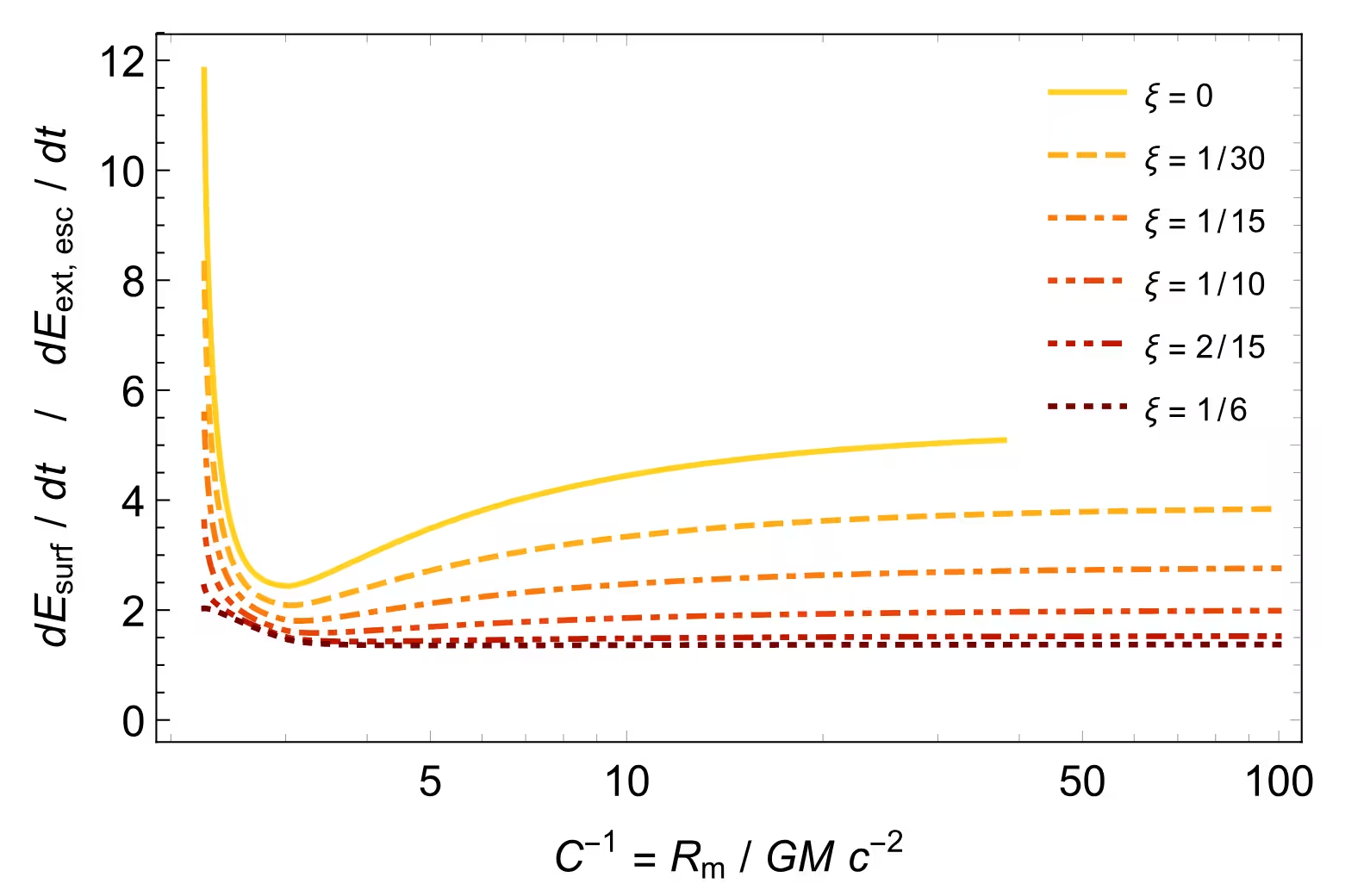
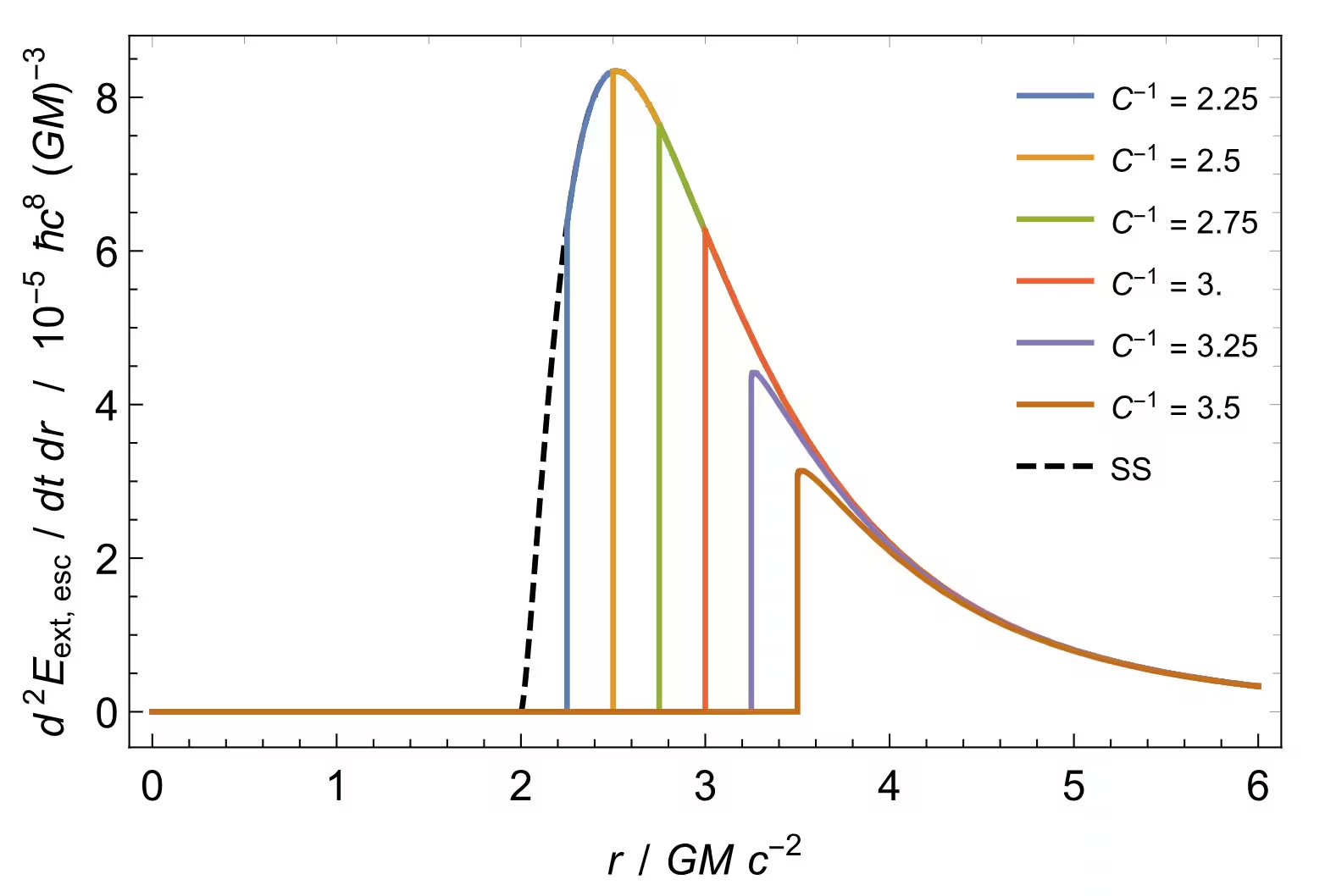
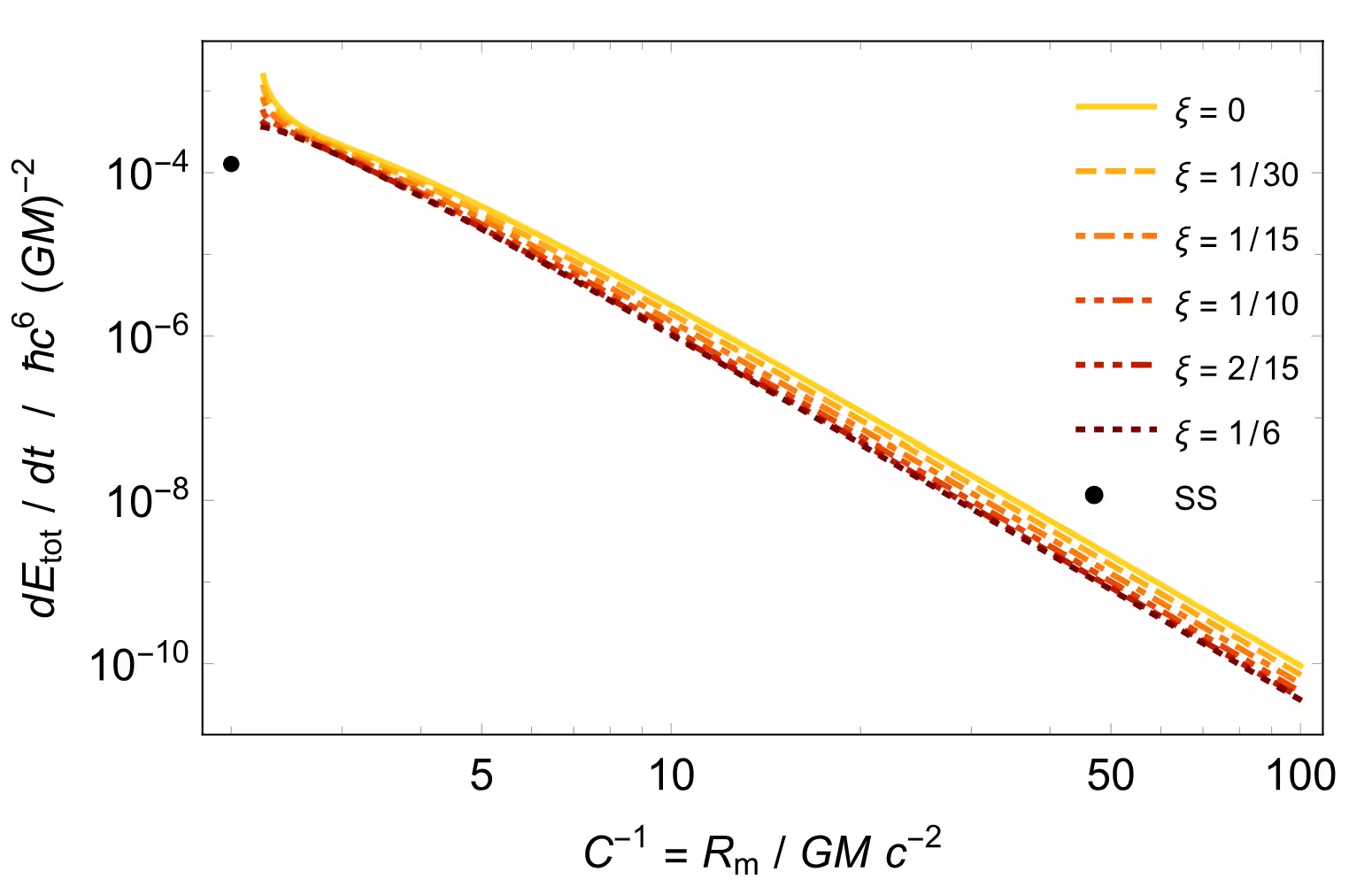
To quantify this effect, the team modeled a spherical, non-rotating object of uniform density within a flat, background spacetime. Their findings suggest that the lifetime of these remnants is inversely proportional to their density. Consequently, neutron stars, which are significantly denser than white dwarfs, would theoretically evaporate much faster, with an estimated timescale of roughly 10^67 years.
This model stands in contrast to other theories regarding the ultimate fate of cold stellar remnants. Some previous studies have proposed that white dwarfs, having cooled into dark black dwarfs, might eventually undergo explosive instability due to ultra-slow nuclear reactions, with timescales reaching up to 10^1100 years. The Radboud model suggests that if curvature-driven particle production is a reality, it would initiate a mass-loss process long before those other extreme scenarios could occur.
An Unconfirmed Mechanism
It is important to emphasize that this effect remains entirely theoretical. The physics community has already begun to debate the interpretation of the team’s calculations, as evidenced by a recent exchange in Physical Review Letters regarding the mechanism behind gravitational pair production. Establishing whether such quantum fields can truly extract energy from a remnant without an event horizon is a significant point of contention.
Furthermore, the researchers stress that their model is an idealized abstraction. Real-world remnants often exist in complex environments, participating in binary systems or merging with other objects, which would drastically alter their evolution compared to an isolated remnant. When applied to less dense objects, such as the Moon or human beings, the model predicts an evaporation timescale of roughly 10^90 years, highlighting the negligible nature of the effect for anything other than extremely compact stellar bodies.
Future Directions in Quantum Gravity
While the prospect of observing a white dwarf evaporate is currently impossible, the utility of the model lies in its ability to push the boundaries of quantum field theory in curved spacetime. By providing a clear, testable hypothesis, the researchers hope to better understand the interplay between gravity and quantum mechanics.
For now, the study serves as a conceptual framework, challenging our understanding of the longevity of matter in a cooling universe. Whether or not these remnants eventually succumb to this slow, quantum-driven decay, the work underscores the profound questions that remain about the long-term stability of the building blocks of our galaxy.
Additional Reading
- Comment on “Gravitational Pair Production and Black Hole Evaporation” (Physical Review Letters)
- Wondrak, van Suijlekom, and Falcke reply (Physical Review Letters)
- Gravitational Pair Production and Black Hole Evaporation (Physical Review Letters)
- Black Dwarf Supernova in the Far Future (arXiv)
- Particle creation by black holes (Communications in Mathematical Physics)
This article has been fact checked for accuracy, with information verified against reputable sources. Learn more about us and our editorial process.
Last reviewed on .
Article history
- Latest version
Reference(s)
- “Radboud University.”, November 13, 2026 <https://www.ru.nl/en>.
- Falcke, Heino., et al. “An upper limit to the lifetime of stellar remnants from gravitational pair production.” Journal of Cosmology and Astroparticle Physics, vol. 2025, no. 05, May 12, 2025, pp. 023 IOP Publishing, doi: 10.1088/1475-7516/2025/05/023. <https://doi.org/10.1088/1475-7516/2025/05/023>.
- Ferreiro, Antonio., et al. “Comment on “Gravitational Pair Production and Black Hole Evaporation”.” Physical Review Letters, vol. 133, no. 22, November 26, 2024 American Physical Society (APS), doi: 10.1103/PhysRevLett.133.229001. <https://doi.org/10.1103/PhysRevLett.133.229001>.
- Wondrak, Michael F.., et al. “Wondrak, van Suijlekom, and Falcke reply.” Physical Review Letters, vol. 133, no. 22, November 26, 2024 American Physical Society (APS), doi: 10.1103/PhysRevLett.133.229002. <https://doi.org/10.1103/PhysRevLett.133.229002>.
- Wondrak, Michael F.., et al. “Gravitational Pair Production and Black Hole Evaporation.” Physical Review Letters, vol. 130, no. 22, June 2, 2023 American Physical Society (APS), doi: 10.1103/PhysRevLett.130.221502. <https://doi.org/10.1103/PhysRevLett.130.221502>.
- Caplan, M.. “Black Dwarf Supernova in the Far Future.” arXiv.org, doi: 10.1093/mnras/staa2262. <https://arxiv.org/abs/2008.02296>.
- Hawking, S.. “Particle creation by black holes.” CaltechAUTHORS, doi: 10.1007/bf02345020. <https://authors.library.caltech.edu/records/2wsvj-qrt68>.
Cite this page:
- Posted by Karan Das