Engineered Cells Boost Protein Quality When Fed Iron and Manganese
Combining specific trace metals and nanoparticle delivery remodels cellular metabolism and improves therapeutic antibody galactosylation in laboratory cultures.
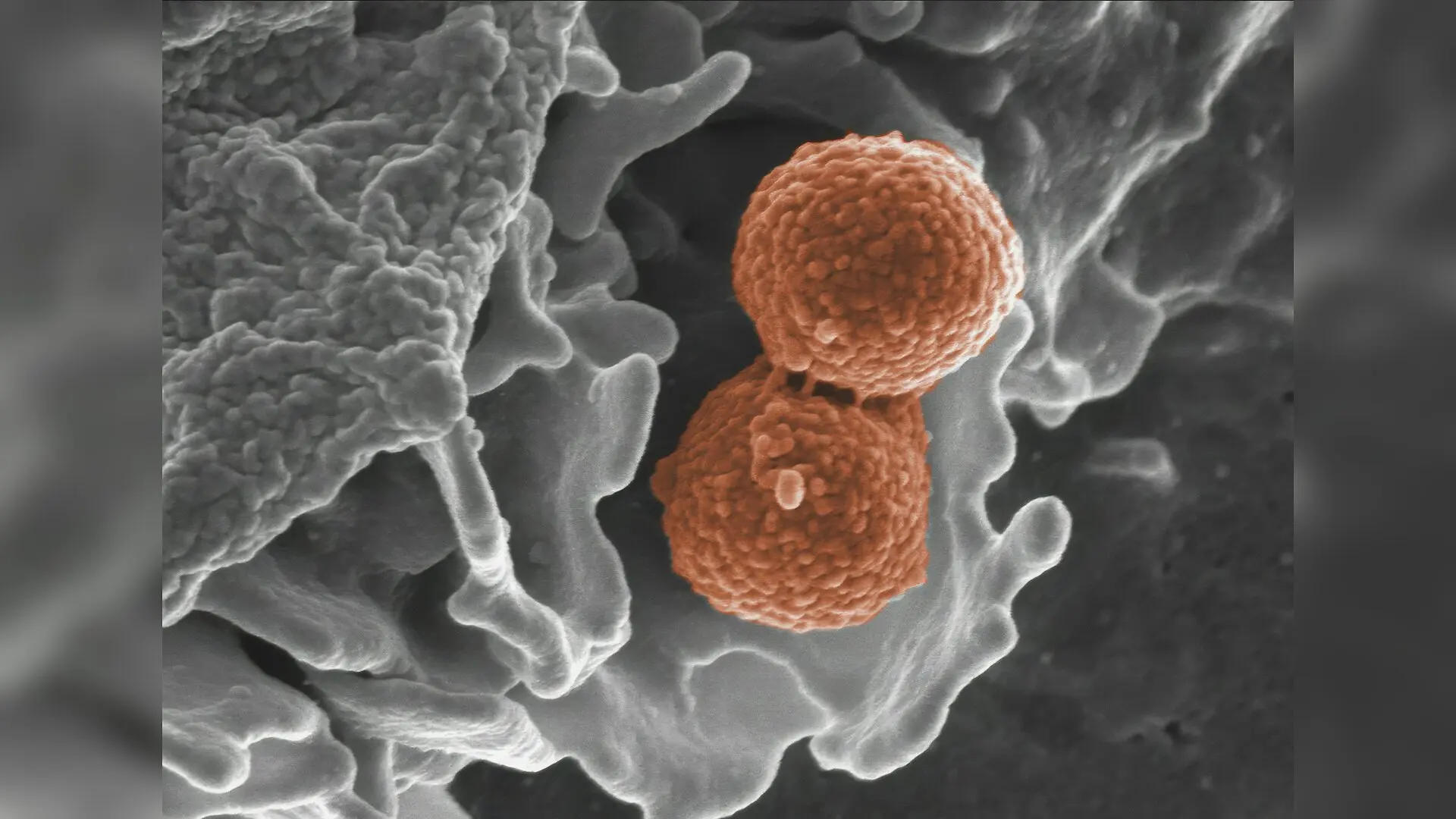
Engineered Chinese hamster ovary cells struggle to maintain consistent therapeutic protein quality when essential trace metals fluctuate in culture media. Researchers tested six transition metal ions and their nanoparticle counterparts to solve this biomanufacturing bottleneck, revealing how dual iron and manganese supplementation can boost both cell growth and protein galactosylation.
How Metal Elements Influence Cell Growth and Metabolism
To understand how trace elements affect protein production, scientists treated batch cultures with serially diluted concentrations of iron, copper, zinc, manganese, cobalt, and nickel, alongside their respective metal oxide nanoparticles. Untreated cells served as a reference group to track daily changes in viable cell density, cell viability, and metabolic consumption rates over a period of six to eight days. Low-to-moderate doses of iron and manganese slightly stimulated cell proliferation during the mid-logarithmic growth phase, whereas high-dose treatments triggered severe growth suppression and a sharp drop in cell viability.
Measurements of primary carbon metabolites showed that residual glucose declined rapidly during active cell division, while high-dose metal exposure slowed glucose catabolism and prolonged glucose retention in the medium. Lactic acid accumulated progressively in low-concentration cultures but exhibited suppressed production and faster clearance under toxic high-dose metal conditions. These single-metal screening trials, published in Frontiers in Bioengineering and Biotechnology, confirmed that transition metals exert dose-dependent dual effects on cell metabolism, prompting the team to investigate combined iron and manganese treatments.
Why Metal Oxide Nanoparticles Show Lower Toxicity Than Ions
Metal oxide nanoparticles consistently exhibited lower cytotoxicity at equivalent molar concentrations compared to their soluble ionic counterparts across all six tested systems. The authors propose that this attenuation stems from slower dissolution kinetics, which deliver metal ions more gradually into the culture medium rather than releasing an immediate, toxic surge. Previous studies have shown that nanoparticles enter cells through endocytosis into acidic endolysosomal compartments, where gradual dissolution occurs via ligand-assisted ion release.
While this gradual release mechanism helps prevent acute cytotoxicity, the researchers note that time-dependent dissolution measurements were not performed under the exact culture conditions used here. Consequently, the slower-release hypothesis remains unproven for these specific materials. Furthermore, characterization of the synthesized iron-zinc layered double hydroxide nanosheets confirmed a hydrotalcite-like crystalline structure with an aqueous hydrodynamic size of approximately 100 nanometers, but zeta potential and surface composition analyses were not conducted.
What Happens When Iron and Manganese Are Combined
Building on single-metal screening results, the authors applied four gradient concentrations of combined manganese ions and iron ions, as well as manganese-iron layered double hydroxide nanoparticle composites, to extended 14-day batch cultures. Moderate combined metal treatments sustained higher peak viable cell density and prolonged culture duration compared to untreated controls, while the highest gradient concentration caused late-stage viability collapse. Total secreted protein concentrations quantified on days 12, 13, and 14 showed significant increases across optimal treatment gradients.
N-glycan profiling performed on day 13 demonstrated that optimized combined metal treatments successfully remodeled glycan subtype distribution. Specifically, intermediate concentration gradients increased the proportion of complex-type, fully galactosylated glycans while reducing unwanted high-mannose fractions. Transcriptomic analysis revealed a dose-dependent increase in differentially expressed genes, with mitochondrial respiratory chain assembly, oxidative phosphorylation, and metal ion transport emerging as the most significantly enriched biological processes.
Study Limitations and Next Steps for Biomanufacturing
Although these findings point to a promising strategy for improving recombinant glycoprotein quality, several limitations must be addressed before industrial adoption. Glycans were analyzed from culture supernatant at a single time point and at the released N-glycan level, meaning site-specific glycopeptide analysis on purified product proteins will be required. Moreover, all experiments took place in small-scale shake flasks, and future work must validate whether these benefits translate to large-scale fed-batch or perfusion bioreactor systems.
The research was published in Frontiers in bioengineering and biotechnology on November 12, 2026.
This article has been fact checked for accuracy, with information verified against reputable sources. Learn more about us and our editorial process.
Last reviewed on .
Article history
- Latest version
Cite this page:
- Posted by Robert Brown