Gut Microbes Are Secretly Rewiring Colorectal Cancer Treatment Resistance
A comprehensive analysis reveals how intestinal bacteria shield tumors from modern therapies, opening the door to revolutionary microbial interventions.
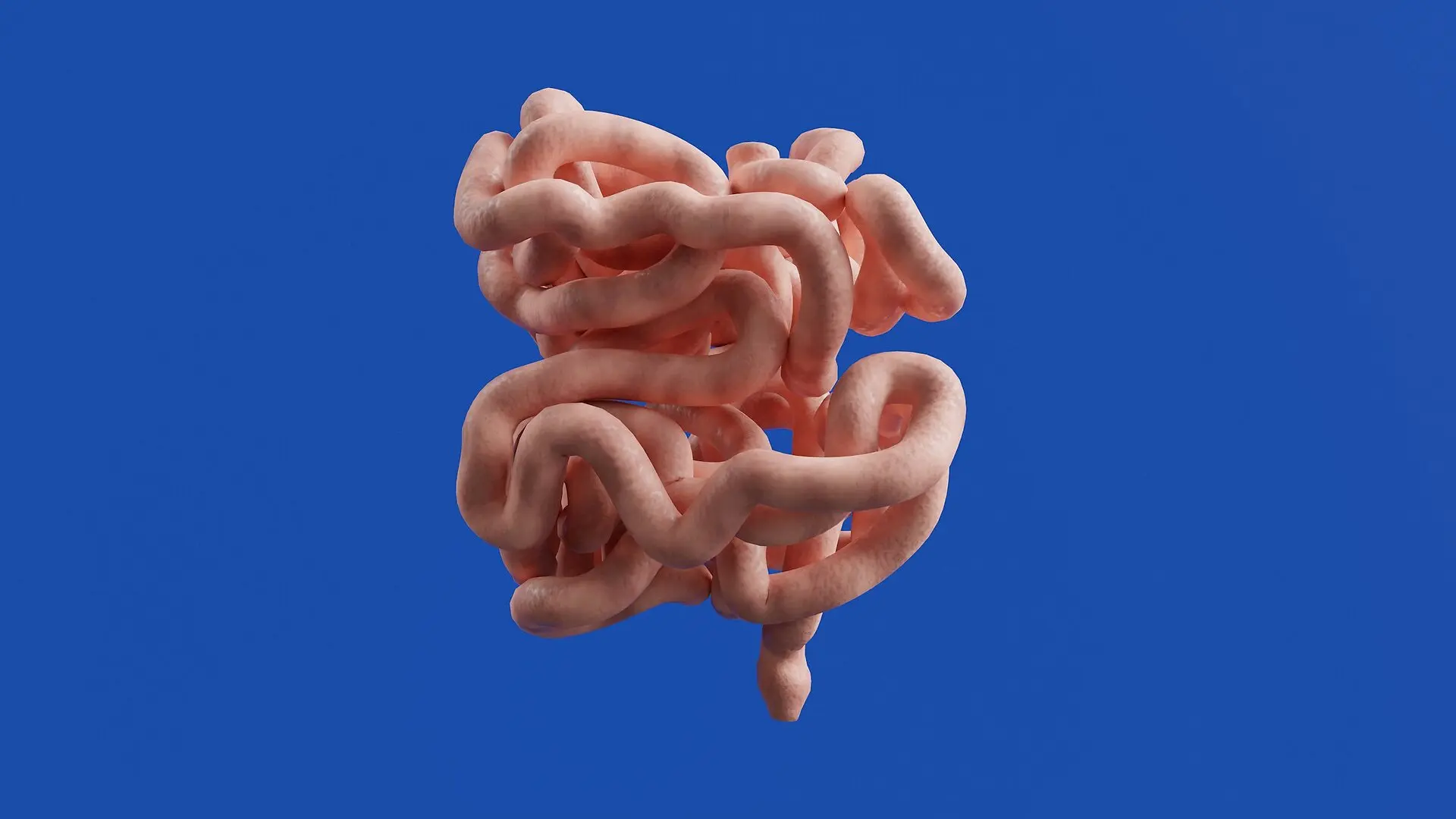
Tiny communities of bacteria living inside human intestines may secretly hold the power to stop standard colorectal cancer treatments from working, according to a sweeping new scientific analysis. The comprehensive review highlights how specific gut microbes and their chemical outputs can shield tumors from chemotherapy and immunotherapy, while also revealing entirely new ways scientists might be able to outsmart drug resistance by rewiring the gut ecosystem.
How Gut Microbes Help Tumors Evade Standard Medications
Colorectal cancer remains a massive global health burden, causing roughly 935,000 deaths worldwide each year. While doctors rely heavily on surgery, chemotherapy, and immunotherapy to fight the disease, many patients eventually see their tumors stop responding to treatment. The new study, published in Frontiers in Oncology, points out that the blame often extends beyond the cancer’s own genetic mutations to include the patient’s resident gut bacteria.
When the delicate balance of the intestinal microbiome breaks down, a state known as dysbiosis, harmful bacteria begin to multiply. Organisms such as Fusobacterium nucleatum and enterotoxigenic Bacteroides fragilis can trigger chronic inflammation and activate survival signals inside cancer cells. These bacterial interactions help tumor cells dodge the programmed cell death that potent drugs like 5-fluorouracil and oxaliplatin are designed to trigger.
Beyond simply shielding tumors from chemotherapy, certain pathobionts actively dismantle medication effectiveness. Certain bacteria express enzymes that can degrade chemotherapeutic agents directly, creating safe havens for cancer cells where drugs lose their potency. Other microbes churn out metabolites that suppress immune system cells, making “cold” tumors invisible to modern immunotherapies.
Targeting Bacterial Metabolism to Restore Drug Sensitivity
The realization that bacteria influence drug response has launched a quest for targeted therapies that can disarm these microbial mechanisms. One classic example involves the cancer drug irinotecan, which is frequently limited by severe, dose-limiting diarrhea. The liver processes this drug into an inactive form, but gut bacteria express an enzyme called beta-glucuronidase that reactivates the compound right inside the intestinal lumen, causing severe tissue damage.
To solve this, researchers are developing interspecies-selective inhibitors designed to block bacterial beta-glucuronidase without harming beneficial microbes or the human host. By silencing this specific bacterial activity, patients might be able to maintain optimal drug dosing without suffering debilitating side effects.
In addition to blocking harmful enzymes, scientists are exploring the therapeutic potential of beneficial microbial metabolites. Short-chain fatty acids, particularly butyrate produced when fiber-fermenting bacteria digest food, can influence gene expression and strengthen the intestinal barrier. While butyrate has complex, context-dependent effects on cancer cells, laboratory studies suggest it can synergize with chemotherapy agents like oxaliplatin to enhance tumor cell destruction.
The Promise and Limits of FMT and Living Medicines
As researchers map out these complex interactions, they are moving beyond simple observations toward active interventions. Fecal microbiota transplantation, which involves transferring stool samples from healthy, immunotherapy-responsive donors into patients whose tumors have stopped responding, has shown remarkable early success in reversing resistance in melanoma clinical trials. However, researchers caution that these dramatic results have not yet been proven in colorectal cancer patients, where clinical trial evidence remains scarce.
For a safer and more standardized approach, biotechnology teams are designing defined bacterial consortia and engineered living medicines. Synthetic biology strains of bacteria can be programmed to patrol the hypoxic core of a tumor, where they can manufacture and release immune-boosting molecules directly at the cancer site. For instance, modified probiotic bacteria have been engineered to convert local metabolic waste products into vital amino acids that supercharge patient T-cells.
Despite the immense promise of these high-tech biological tools, experts emphasize that most microbiome-directed interventions are still in early experimental stages. Differences in patient diets, medications, and baseline microbial profiles mean that a treatment working in a mouse model or a different cancer type cannot be immediately guaranteed to work for everyone. Before microbiome profiling becomes a standard part of cancer care, large-scale prospective clinical trials must prove that these strategies can safely and reliably improve patient survival.
The research was published in Frontiers in oncology on November 12, 2026.
This article has been fact checked for accuracy, with information verified against reputable sources. Learn more about us and our editorial process.
Last reviewed on .
Article history
- Latest version
Cite this page:
- Posted by Rohan Kumar