Why Cities Grow More Creative As They Scale While Companies Stagnate
Urban areas boost innovation per person as they expand, prompting experts to argue that corporate leaders should govern more like mayors.
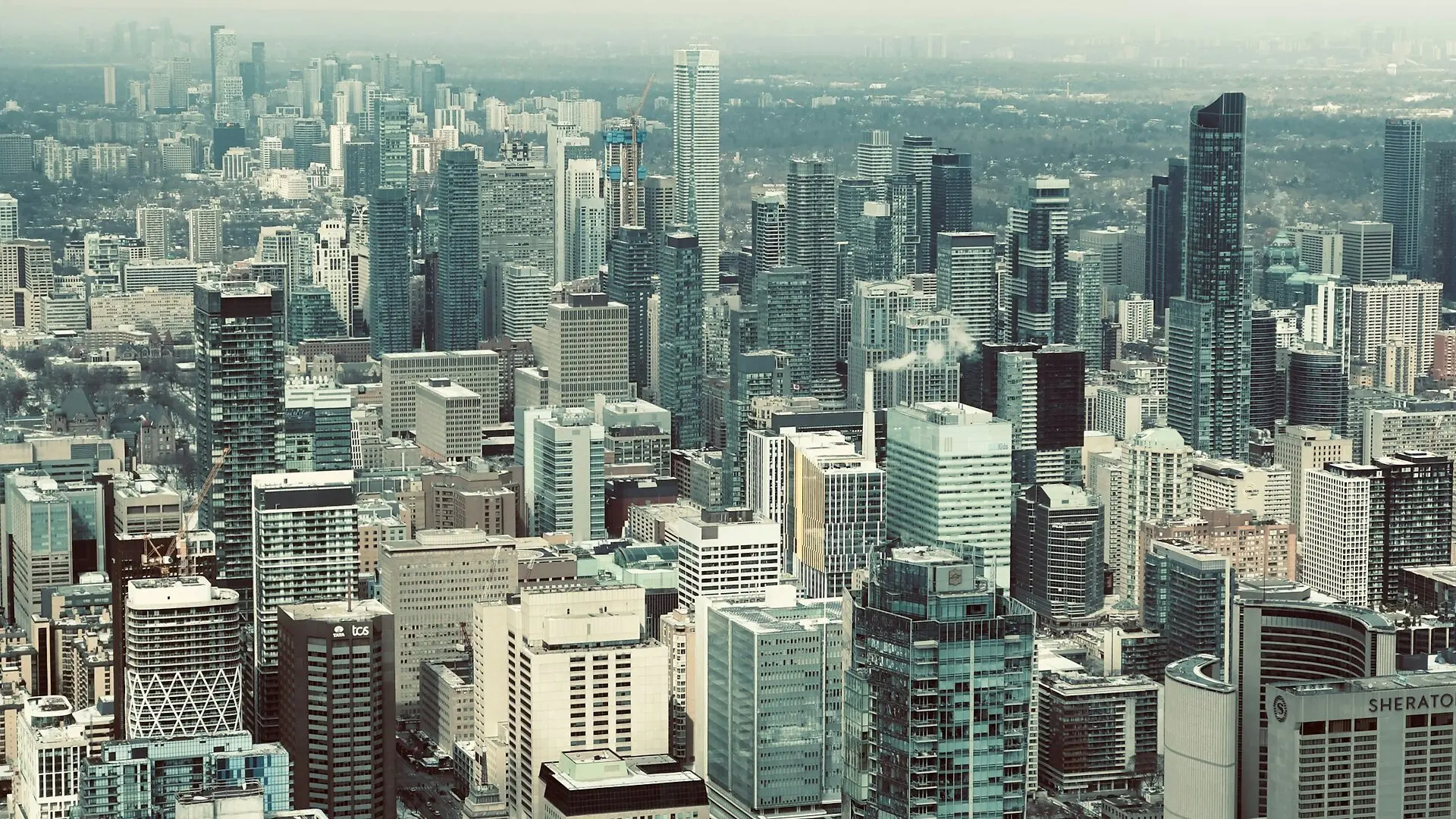
When cities double in physical and residential size, their creative output surges by up to thirty percent per person, while companies often experience a decline in inventive output as they scale.
This striking divergence reveals that human creativity relies far less on individual genius and far more on the open social structures that urban environments naturally cultivate. Writing in The Innovation Age, author Jamie Heywood explores why urban centers thrive on spontaneous interactions while modern corporate hierarchies tend to stifle them.
Why Growing Metros Outpace Massive Corporations
Urban economists have long observed that patent generation scales superlinearly with population density. Unlike petrol stations or roads, which scale sublinearly because larger populations require fewer facilities per capita, creative ideas multiply because dense neighborhoods foster unexpected collisions between diverse minds. Cities function as decentralized ecosystems where power is distributed among citizens, local businesses, and municipal groups, preventing any single entity from exerting total control over daily life.
By contrast, business organizations typically favor rigid, top-down structures aimed at maximizing short-term efficiency and operational predictability. As enterprises expand, they layer on administrative rules and bureaucratic protocols that inadvertently choke out playful exploration and unconventional thinking. Historical comparisons, such as the contrasting innovation trajectories of Boston and San Francisco during the 1970s, illustrate how open networks and legal environments that permit employee mobility accelerate the spread of breakthrough concepts far more effectively than secretive, vertically integrated firms.
The Hidden Dangers of Centralized Scientific Planning
A similar crisis of stagnation has quietly gripped the United States research and development ecosystem over the past several decades. Studies analyzing millions of academic papers and patents indicate a dramatic decline in the disruptiveness of scientific output since the mid-twentieth century. Rather than running out of low-hanging fruit, modern researchers are increasingly trapped within specialized academic silos and choked by complex patent thickets.
Legislative shifts in the 1980s, such as the Bayh-Dole Act, allowed universities and corporations to aggressively patent foundational discoveries. While intended to stimulate commercial investment, this privatization transformed open scientific collaboration into a minefield of legal negotiations and licensing fees. Multidisciplinary teams, which generate the most disruptive breakthroughs, bear the heaviest burden under this system.
Adopting Bottom-Up Philosophies for Future Enterprises
To overcome this stagnation, corporate leaders must rethink how they organize work, drawing inspiration from urban planning philosophy rather than assembly-line manufacturing. Mid-century architects like Le Corbusier envisioned cities as rigidly zoned machines governed by centralized authorities, a blueprint that consistently failed to foster vibrant communities when executed in places like Brasília and Chandigarh. Conversely, urban theorist Jane Jacobs championed organic, mixed-use neighborhoods where vitality emerges from the bottom up through spontaneous sidewalk interactions and strong local trust.
Reforming modern enterprises requires shifting away from the mindset of treating a company purely as an instrument of control. By distributing authority, fostering psychological safety, and aligning participants around a shared purpose, organizations can begin to emulate the dynamic energy of the world’s most successful cities.
The research was published in The Innovation Age on January 1, 2027.
This article has been fact checked for accuracy, with information verified against reputable sources. Learn more about us and our editorial process.
Last reviewed on .
Article history
- Latest version
Reference(s)
- Heywood, Jamie. “Cities as Crucibles of Creativity.” The Innovation Age, October 27, 2026, pp. 95-118. Springer Nature Switzerland, doi: 10.1007/978-3-032-36361-9_5. <https://doi.org/10.1007/978-3-032-36361-9_5>.
Cite this page:
- Posted by Robert Brown