Soil Erosion Is Secretly Draining Vital Micronutrients From Farmland
A new study in Kenya reveals that degrading soils alter selenium availability, but crops struggle to absorb it.
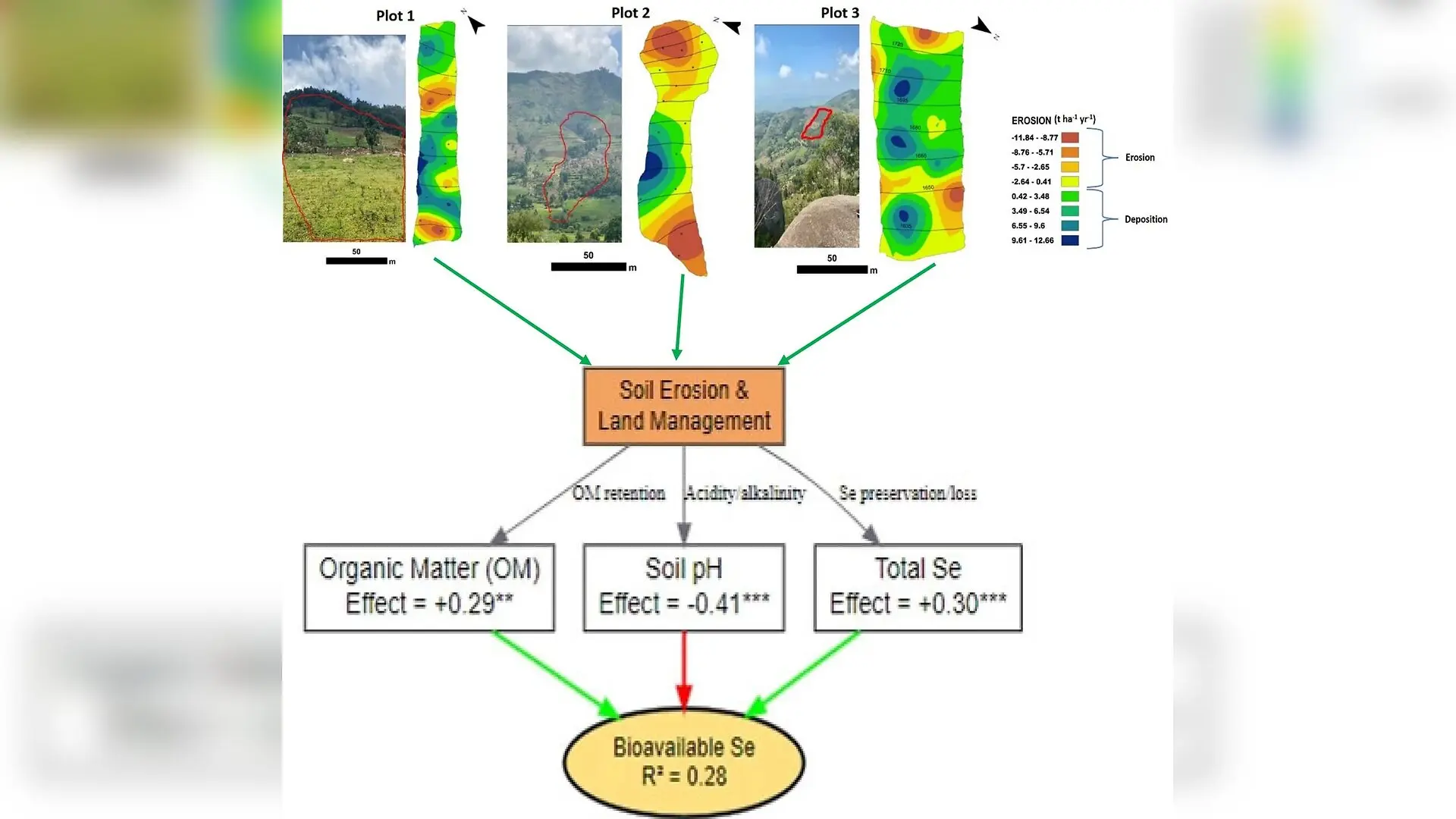
Erosion in highland farming regions is secretly stripping away vital micronutrients, leaving essential food crops with a surprising lack of nutritional power.
Agricultural lands in Kenya are facing a silent threat as soil degradation reshapes the availability of trace elements needed for human health. A team of researchers set out to understand how land management and erosion affect selenium, an essential micronutrient that plays a critical role in human antioxidant defense systems and immune regulation. While selenium deficiency already affects more than 25 percent of Africa’s population, the new work reveals that simply having selenium in the soil does not guarantee it will make its way into food crops.
How Soil Erosion Alters Micronutrient Distribution
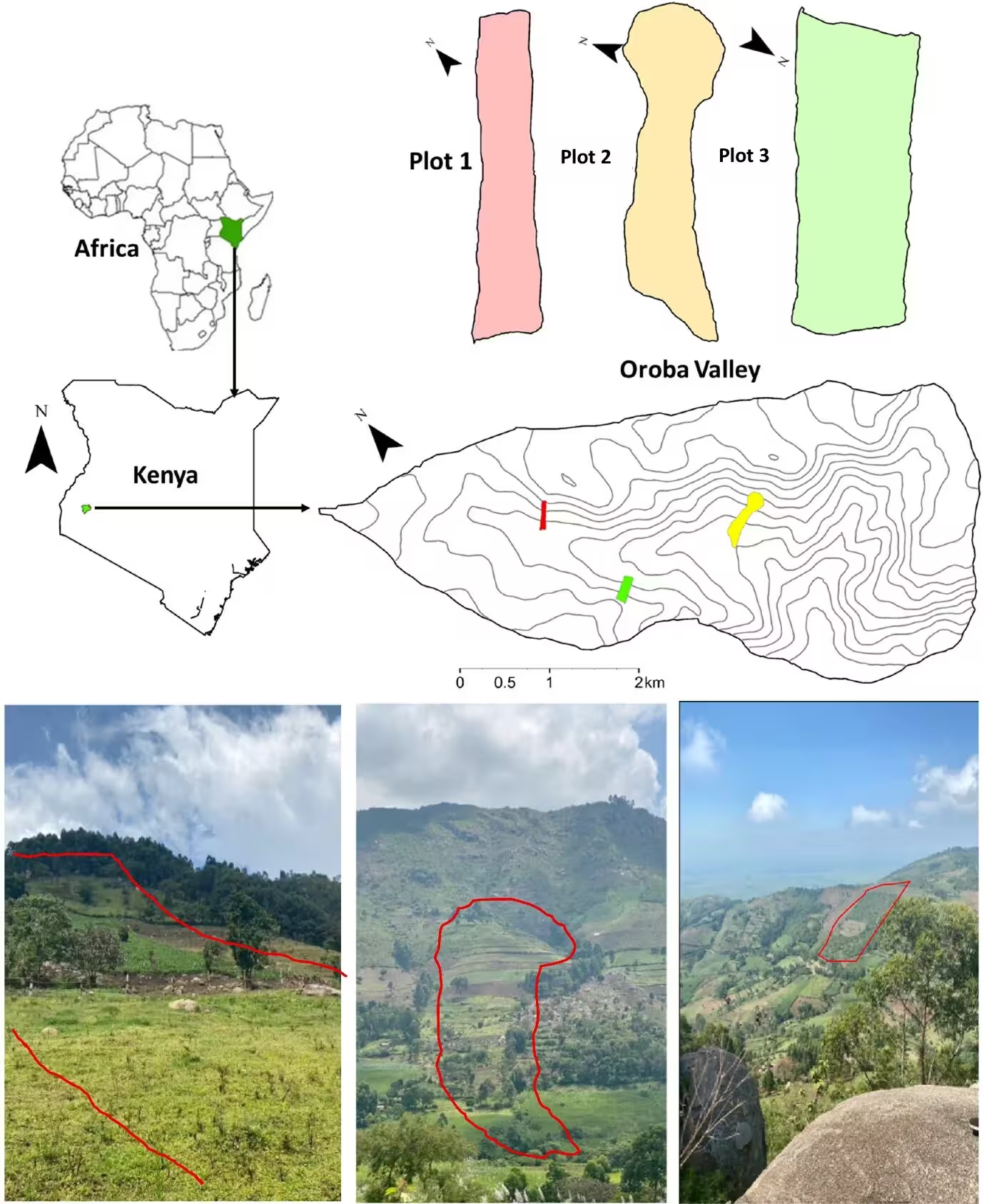
The study, published in Environmental Geochemistry and Health published in Environmental Geochemistry and Health, investigated agricultural plots along the slopes of the Oroba Valley in Nandi County, Kenya. Researchers tracked soil dynamics and crop composition across three experimental plots with distinct cultivation histories and erosion rates between 2021 and 2023. By utilizing radioactive fallout tracers known as fallout plutonium radionuclides to measure long-term soil movement, the team quantified how water runoff strips away fine, nutrient-rich topsoil particles.
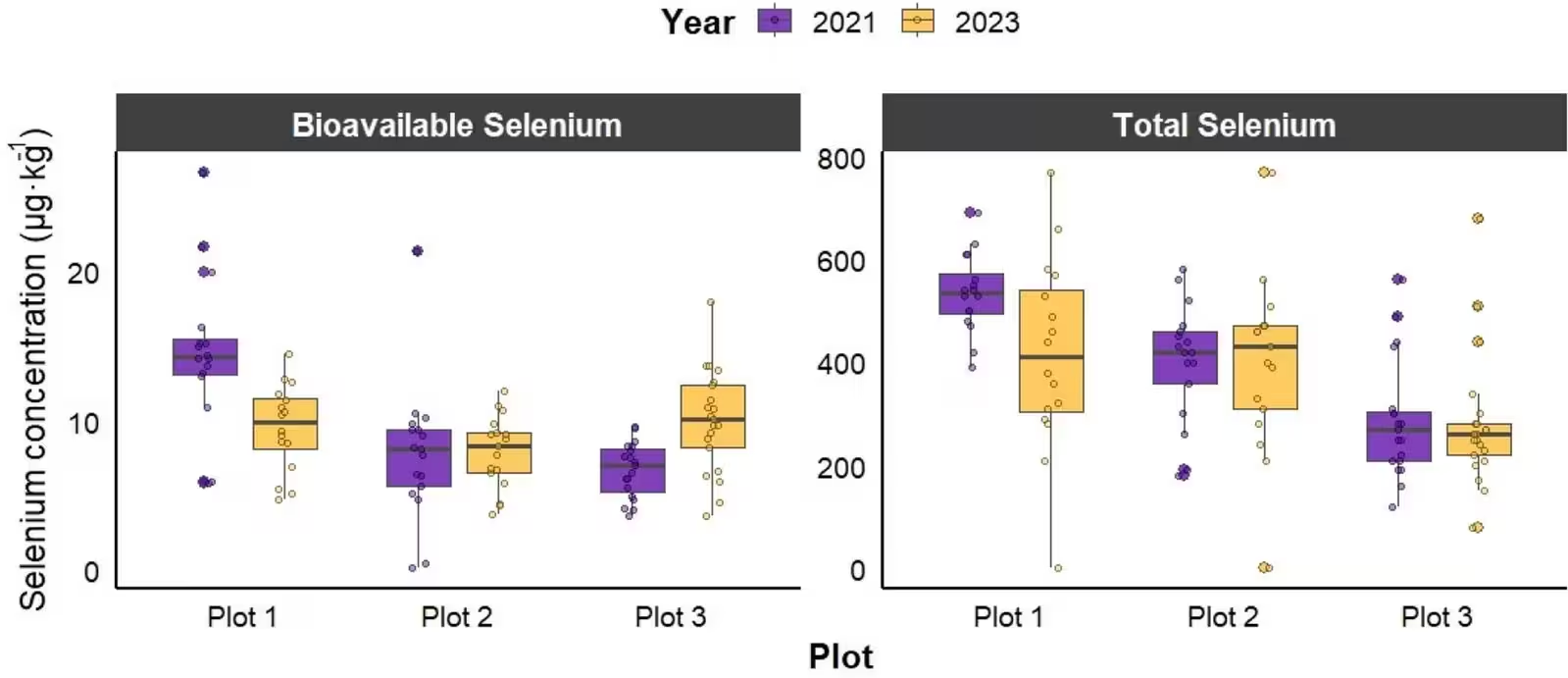
Total selenium concentrations in the soil varied widely across the landscape, but the fraction that plants can actually absorb, known as bioavailable selenium, remained consistently low. Statistical analyses demonstrated that soil properties significantly influenced this available fraction. Soil acidity had a strong negative effect, while organic matter content and total selenium levels helped drive availability. Together, these environmental factors explained 28 percent of the variation in bioavailable selenium across the landscape.
The Surprising Disconnect Between Soil and Crops
When the researchers measured the actual accumulation of selenium in harvested crops including maize, beans, and pumpkin, they uncovered an unexpected bottleneck. Despite measurable levels of bioavailable selenium in the earth, plant uptake showed extremely weak or negligible correlations with soil concentrations. Bioavailable selenium explained only 2 percent of the variation in maize tissue accumulation and none of the variation for beans and pumpkin.
This weak relationship suggests that plant uptake is governed by complex physiological and species-specific traits rather than soil availability alone. Among the tested crops, maize reached the highest concentration, recording up to 0.187 milligrams per kilogram in one plot, whereas beans and pumpkin displayed much less consistent accumulation patterns.
What This Means for Regional Food Security
The findings point to a delicate balance in highland farming systems, where intensive land use and soil loss can deplete labile nutrient pools over time. Although soil conservation and reduced erosion help preserve baseline fertility, increasing available selenium in the earth does not automatically result in proportional nutritional enrichment in edible plant parts.
The authors note that addressing potential nutritional gaps in erosion-affected regions will require more than basic soil management. Targeted agronomic approaches, such as selective crop biofortification, foliar applications, and the cultivation of plant varieties with higher uptake efficiency, may be necessary to ensure that staple crops deliver adequate micronutrients to local populations.
The research was published in Environmental geochemistry and health on October 24, 2026.
This article has been fact checked for accuracy, with information verified against reputable sources. Learn more about us and our editorial process.
Last reviewed on .
Article history
- Latest version
Reference(s)
- Isaboke, Job., et al. “Soil erosion and land-use management influence bioavailable selenium in a highland agricultural landscape in Kenya.” Environmental Geochemistry and Health, vol. 48, no. 16, October 24, 2026 Springer Science and Business Media LLC, doi: 10.1007/s10653-026-03557-2. <https://doi.org/10.1007/s10653-026-03557-2>.
Cite this page:
- Posted by Robert Brown