New Data From Asteroid Bennu Suggest It Formed Much Closer To The Sun Than Expected
Analysis of asteroid samples from Bennu and Ryugu suggests they formed closer to the Sun, revealing new insights into the solar system’s early history.
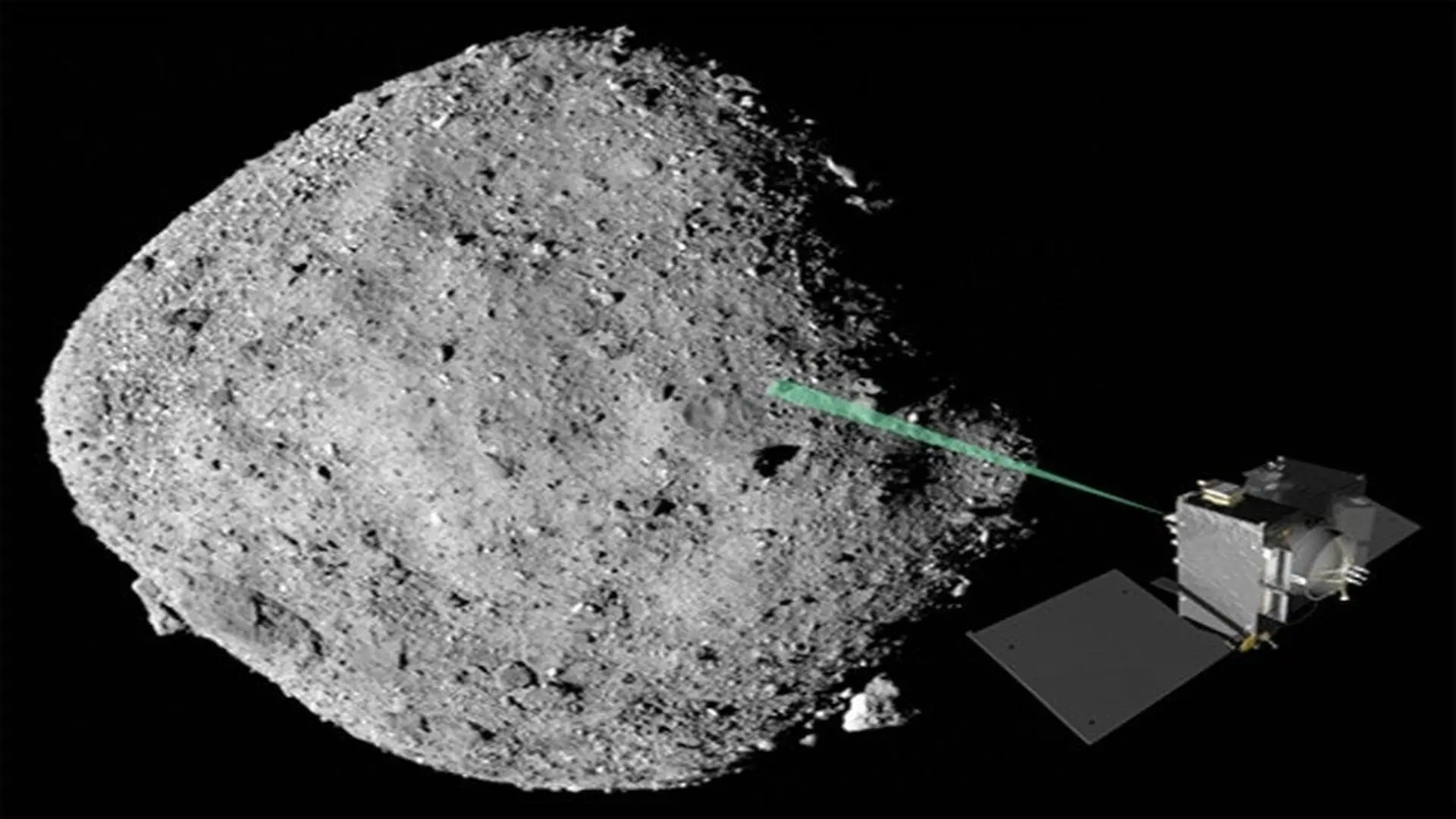
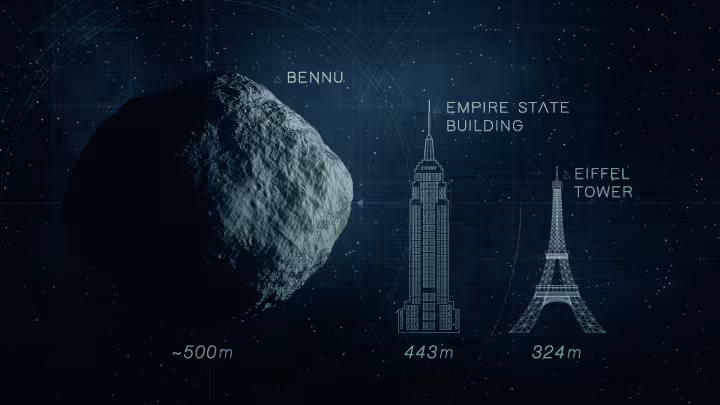
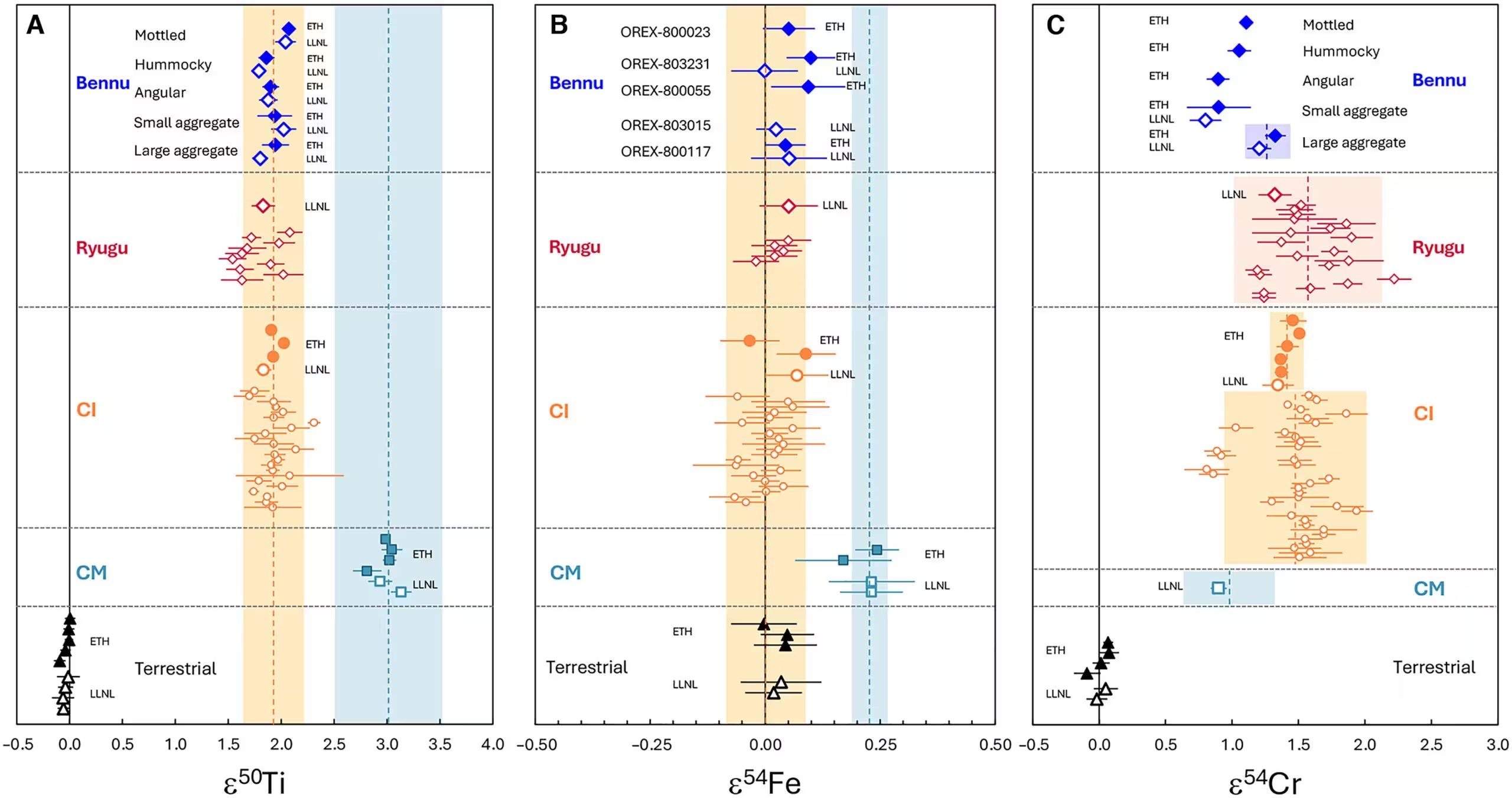
Dust samples retrieved from the asteroid Bennu are challenging long-held assumptions about where the building blocks of our Solar System originated. By analyzing titanium, chromium, and iron isotopes in material returned by NASA’s OSIRIS-REx mission, researchers at ETH Zurich have discovered that Bennu shares a distinct chemical signature with asteroid Ryugu and rare CI carbonaceous chondrites. This discovery suggests that these bodies likely emerged from the same primitive reservoir of dust, significantly closer to the Sun than previous theories suggested.
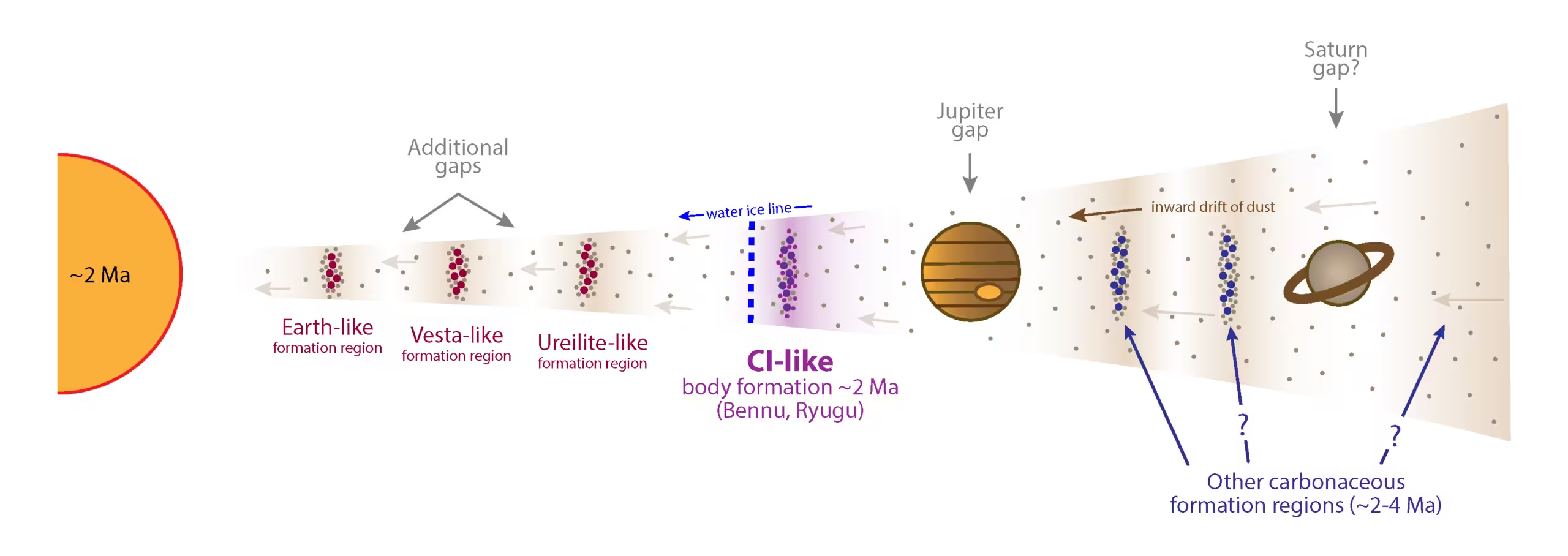
The findings, published in Science Advances, propose that the parent bodies of these asteroids formed near the ancient water-ice line—a critical temperature boundary in the early protoplanetary disk. This location served as a mixing zone where fine dust from both the inner and outer regions of the system could coalesce, rather than in the distant, comet-forming reaches of the outer Solar System.
Isotopic Clues Reveal a Hybrid Heritage
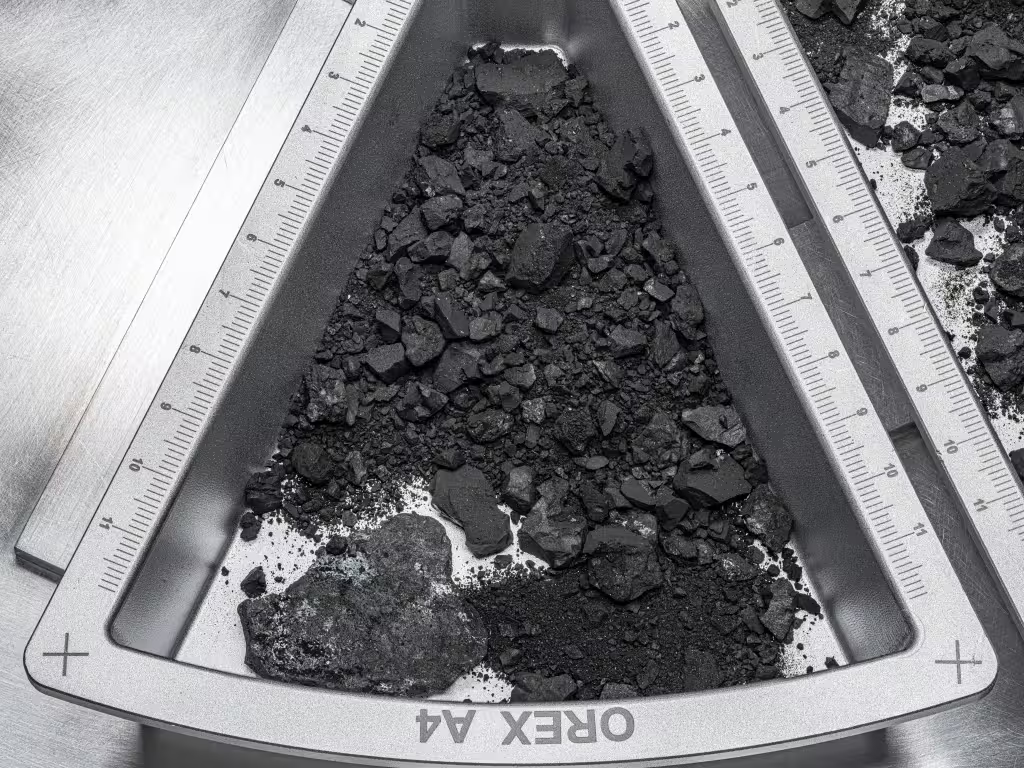
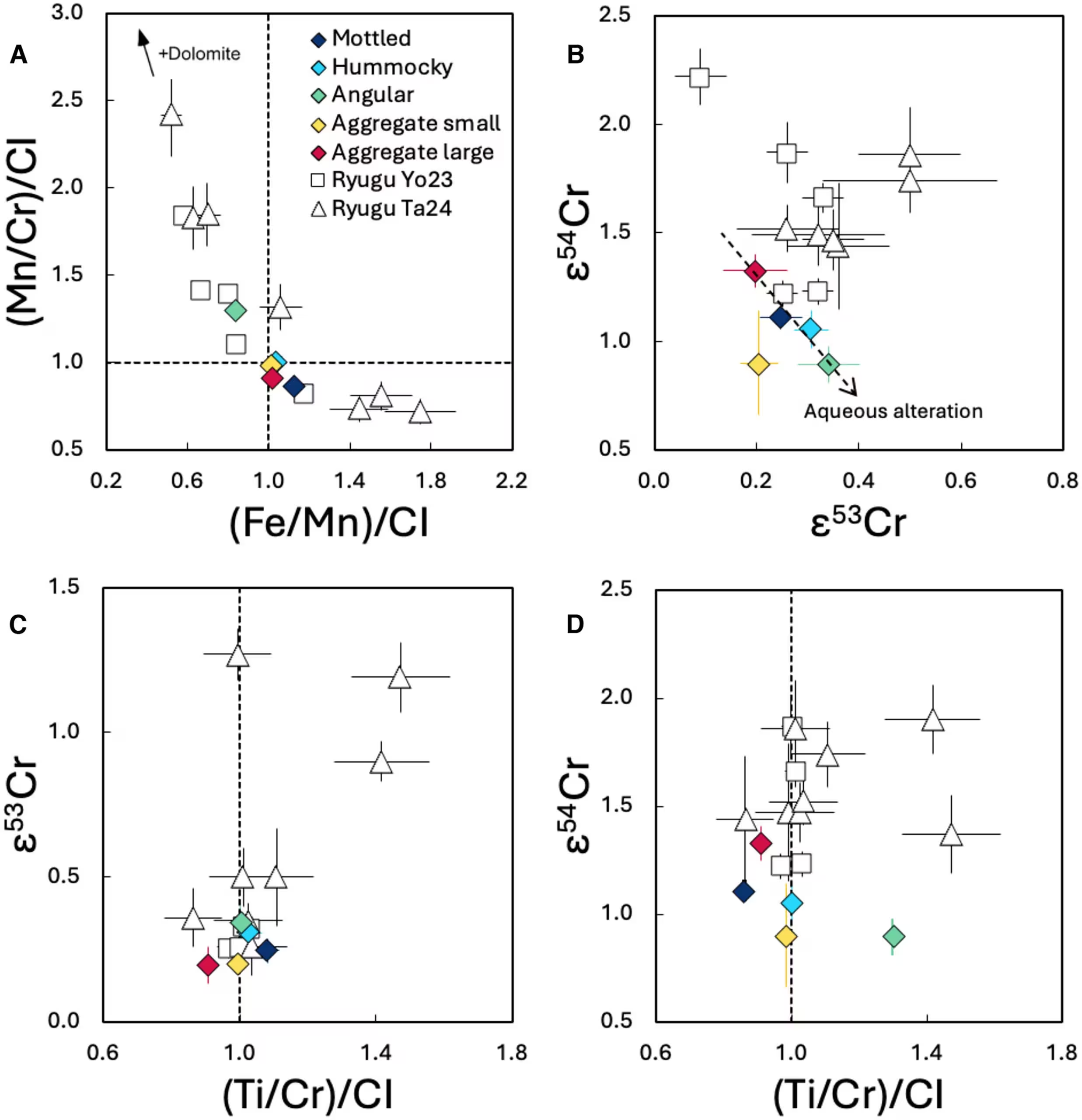
To decode Bennu’s history, the team examined the isotopic composition of five distinct particle samples. Isotopes, which act as unique fingerprints based on the mixture of ancient stellar material present during their formation, revealed a consistent pattern across all samples. While chromium levels showed minor variations—likely due to later aqueous alteration within the parent body—the titanium and iron signatures were remarkably uniform and aligned closely with Ryugu and CI meteorites.
This “hybrid” signature is the key to the puzzle. While Bennu is classified as a carbonaceous asteroid, its iron isotope composition leans closer to material found in the inner Solar System. "Bennu is a hybrid: the material does not clearly match either the inner or the outer Solar System," explained Maria Schönbächler, an isotope geochemist at ETH Zurich. This suggests a formation environment where material from vastly different origins collided and integrated, pointing toward the transition zone created by the water-ice line.
Jupiter’s Role as a Cosmic Sieve
The study also highlights the influence of Jupiter in shaping this chemical landscape. As the gas giant grew, it likely carved a gap in the protoplanetary disk, acting as a size-selective filter. While larger objects were trapped near pressure points around the giant planet, fine dust remained coupled to the gas, allowing it to migrate across the orbit and mix into the material that eventually formed Bennu. This mechanism explains why Bennu contains a well-mixed distribution of fine-grained material but lacks the larger, intact chondrules and calcium-aluminum-rich inclusions common in other meteorites.
This process of filtering and mixing occurred remarkably early, likely within 2 million years of the formation of the first solar solids. Such a timeline supports the theory that these asteroids formed in a region where water ice could stabilize, facilitating the rapid growth of planetesimals before the disk structure shifted.
A Time Capsule for Planet Formation
Because CI-like materials possess an elemental composition that mirrors the Sun itself, the samples from Bennu provide a rare opportunity to study the raw materials that built the terrestrial planets, including Earth. Despite the history of liquid water and secondary geological processing on its parent body, the core isotopic signatures have remained remarkably intact.
While the exact birthplace of the parent body remains a subject for further modeling, the evidence strongly suggests that Bennu serves as a proxy for the circulating dust that existed during the infancy of the planets. Future investigations into additional primitive asteroids and further laboratory analysis of returned samples will be essential to refine these models, but for now, Bennu has proven to be a vital link in understanding the dynamic, early environment of our cosmic neighborhood.
Further Reading
- Asteroid (101955) Bennu in the laboratory: Properties of the sample collected by OSIRIS-REx (Meteoritics & Planetary Science, 2024)
- The variety and origin of materials accreted by Bennu’s parent asteroid (Nature Astronomy, 2025)
- Mineralogical evidence for hydrothermal alteration of Bennu samples (Nature Geoscience, 2025)
- Samples returned from the asteroid Ryugu are similar to Ivuna-type carbonaceous meteorites (Science, 2022)
- Ryugu’s nucleosynthetic heritage from the outskirts of the Solar System (Science Advances, 2022)
This article has been fact checked for accuracy, with information verified against reputable sources. Learn more about us and our editorial process.
Last reviewed on .
Article history
- Latest version
Reference(s)
- “ETH Zurich - Homepage.”, September 18, 2026 ETH Zurich <https://ethz.ch/en.html>.
- Schönbächler, Maria., et al. “Nucleosynthetic constraints on the origin of Bennu and CI-like asteroids.” Science Advances, vol. 12, no. 39, September 25, 2026 American Association for the Advancement of Science (AAAS), doi: 10.1126/sciadv.aei9107. <https://www.science.org/doi/10.1126/sciadv.aei9107>.
- Lauretta, Dante S.., et al. “Asteroid (101955) Bennu in the laboratory: Properties of the sample collected by
OSIRIS ‐REx .” Meteoritics & Planetary Science, vol. 59, no. 9, June 26, 2024, pp. 2453-2486. Wiley, doi: 10.1111/maps.14227. <https://doi.org/10.1111/maps.14227>. - Barnes, J. J.., et al. “The variety and origin of materials accreted by Bennu’s parent asteroid.” Nature Astronomy, vol. 9, no. 12, August 22, 2025, pp. 1785-1802. Springer Science and Business Media LLC, doi: 10.1038/s41550-025-02631-6. <https://doi.org/10.1038/s41550-025-02631-6>.
- Zega, T. J.., et al. “Mineralogical evidence for hydrothermal alteration of Bennu samples.” Nature Geoscience, vol. 18, no. 9, August 22, 2025, pp. 832-839. Springer Science and Business Media LLC, doi: 10.1038/s41561-025-01741-0. <https://doi.org/10.1038/s41561-025-01741-0>.
- Yokoyama, Tetsuya., et al. “Samples returned from the asteroid Ryugu are similar to Ivuna-type carbonaceous meteorites.” Science, vol. 379, no. 6634, February 24, 2023 American Association for the Advancement of Science (AAAS), doi: 10.1126/science.abn7850. <https://doi.org/10.1126/science.abn7850>.
- Hopp, Timo., et al. “Ryugu’s nucleosynthetic heritage from the outskirts of the Solar System.” Science Advances, vol. 8, no. 46, November 16, 2022 American Association for the Advancement of Science (AAAS), doi: 10.1126/sciadv.add8141. <https://doi.org/10.1126/sciadv.add8141>.
Cite this page:
- Posted by Aisha Ahmed