Earth Orbit Is Becoming Dangerously Crowded As Experts Call For Urgent Global Action
Astronomers are urging for global cooperation as the rapid surge in satellite numbers creates dangerous orbital congestion and threatens space research.
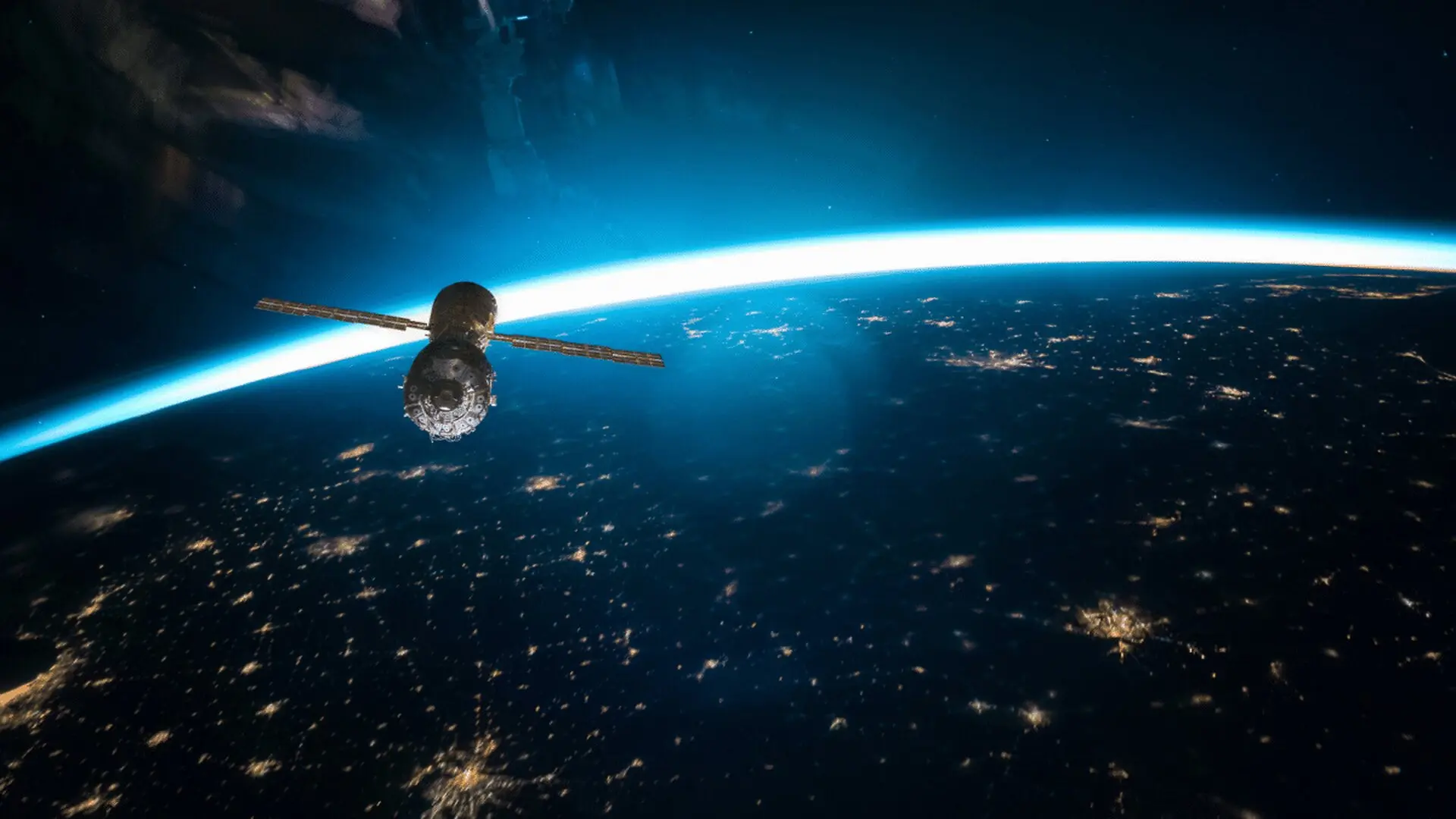
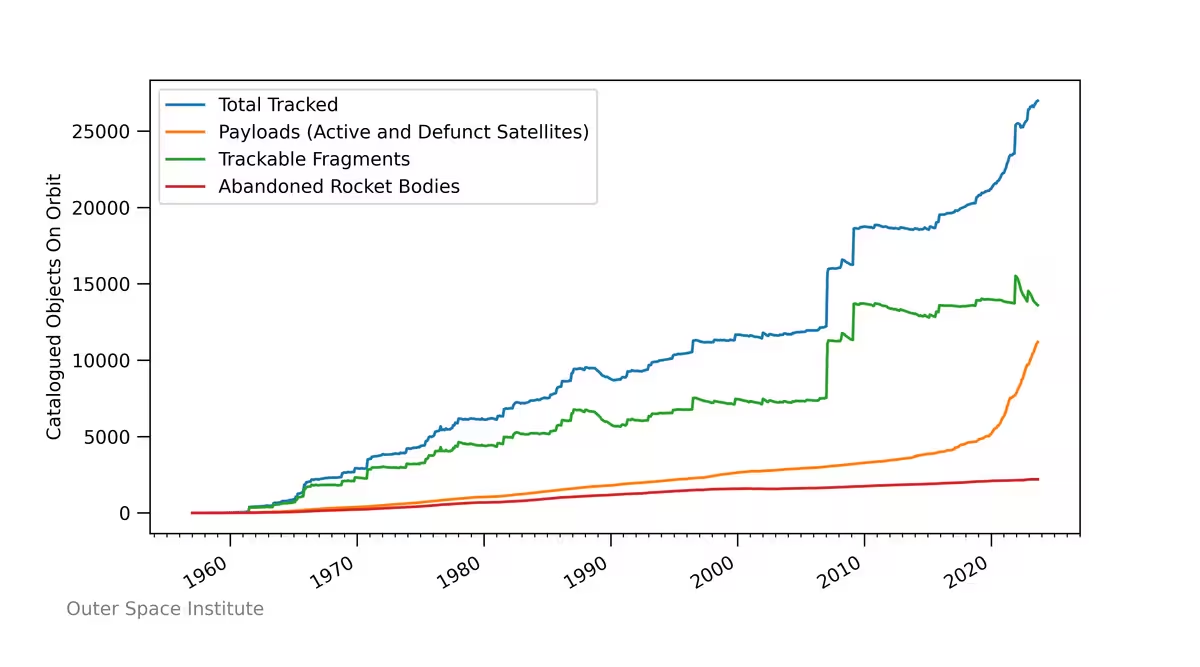
The rapid proliferation of satellites in Earth’s orbit is forcing a global reckoning among policymakers, scientists, and space agencies. As thousands of existing spacecraft are joined by planned mega-constellations, the increasingly congested environment is raising urgent questions about orbital safety, debris mitigation, and the future of astronomical research.
Managing an Increasingly Crowded Frontier
The modern era of space exploration has been redefined by the rise of satellite constellations. These vast networks, designed to provide seamless global internet and enhanced communications, represent a major shift in how orbital infrastructure is utilized. However, as noted by Space.com, the sheer volume of these objects is creating significant friction with the scientific community.
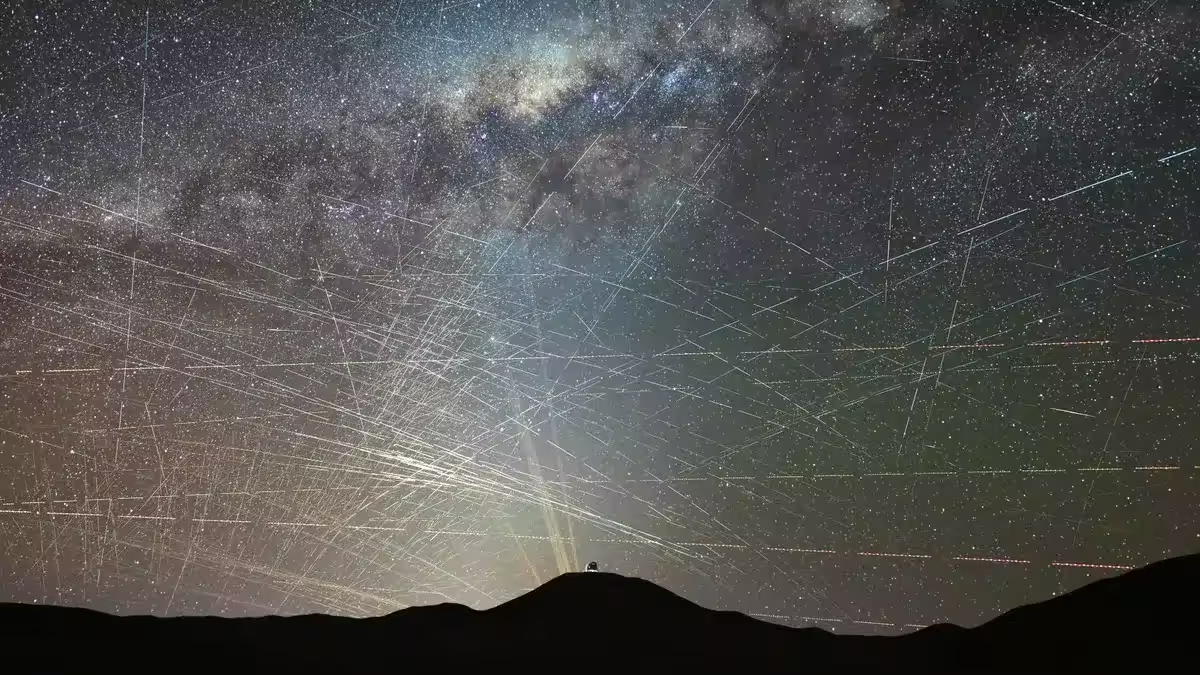
For astronomers tasked with observing distant galaxies and mapping the cosmos, the light pollution caused by reflective satellites is a mounting crisis. The streaks left across telescope sensors force researchers to implement costly and complex workarounds. Beyond these observational hurdles, there is the existential threat of orbital collisions. Every new launch increases the risk of creating long-lived debris fields, which could render specific orbital shells hazardous for decades to come.
Diplomatic Stalemates in Orbital Governance
Central to these discussions is the United Nations Committee on the Peaceful Uses of Outer Space (COPUOS). While it serves as the primary venue for developing international norms, its reliance on consensus-based decision-making often hampers progress. Space policy expert Aaron Boley observes that the requirement for unanimous agreement frequently leads to legislative gridlock.
“Getting stuff through COPUOS can be very, very difficult because COPUOS works through consensus,” Boley said. “Consensus is very hard to achieve, and so you get a lot of stalled initiatives.”
Boley suggests that alternative structures, such as voting-based systems where a simple majority could advance policy, might prevent individual nations from stalling critical safety initiatives. Yet, reconciling these procedural changes with the disparate priorities of commercial interests and sovereign states remains a profound geopolitical challenge.
The Role of International Legal Frameworks
As traditional diplomatic channels struggle, some experts are looking toward legal institutions, including the International Court of Justice (ICJ), as a potential path forward. Although the court lacks direct enforcement authority over orbital traffic, legal scholars argue that its advisory opinions could establish a foundation for international best practices.
Former NASA legal counsel Robin J. Frank suggests that while legal rulings may not be binding, they hold substantial weight in the arena of global diplomacy. By clarifying expectations for space behavior, these tools can provide moral authority and a roadmap for nations that prioritize sustainable development in orbit.
“The ICJ has no enforcement mechanism, so the opinions are more of a diplomatic tool,” Robin J. Frank told Space.com. “But it can still be very valuable. It helps to raise awareness of the issue, gives like-minded countries an opportunity to cooperate and carries a certain moral authority. In the end, a state’s self-interest is usually best served by its abiding by international standards.”
Preserving Access for Future Generations
The dual demand for rapid technological expansion and the preservation of our orbital environment presents a high-stakes balancing act. The decisions reached today by international bodies, private entities, and space agencies will likely define the long-term utility of Earth’s orbit.
As the sector evolves, the focus is shifting from simple exploration to responsible stewardship. Ensuring that space remains a functional domain for both commercial growth and fundamental scientific inquiry will require a departure from the fragmented approaches of the past, favoring a unified standard that protects the orbital environment for future generations.
This article has been fact checked for accuracy, with information verified against reputable sources. Learn more about us and our editorial process.
Last reviewed on .
Article history
- Latest version
Reference(s)
- Pultarova, Tereza. “Millions of satellites orbiting Earth? Astronomers hope the UN can slow the coming data center doom.”, September 28, 2026 Space <https://www.space.com/space-exploration/satellites/millions-of-satellites-orbiting-earth-astronomers-hope-the-un-can-slow-the-coming-data-center-doom>.
- “Astro-ICJ – Outer Space Institute.” <https://outerspaceinstitute.ca/transdisciplinarity/astro-icj/>.
Cite this page:
- Posted by Aisha Ahmed