Saturn Will Reach Its Annual Peak In October 2026 Here Is How To Catch The Golden Planet
Saturn reaches opposition on October 4, 2026, providing skywatchers with the year’s clearest and brightest views of the ringed planet.
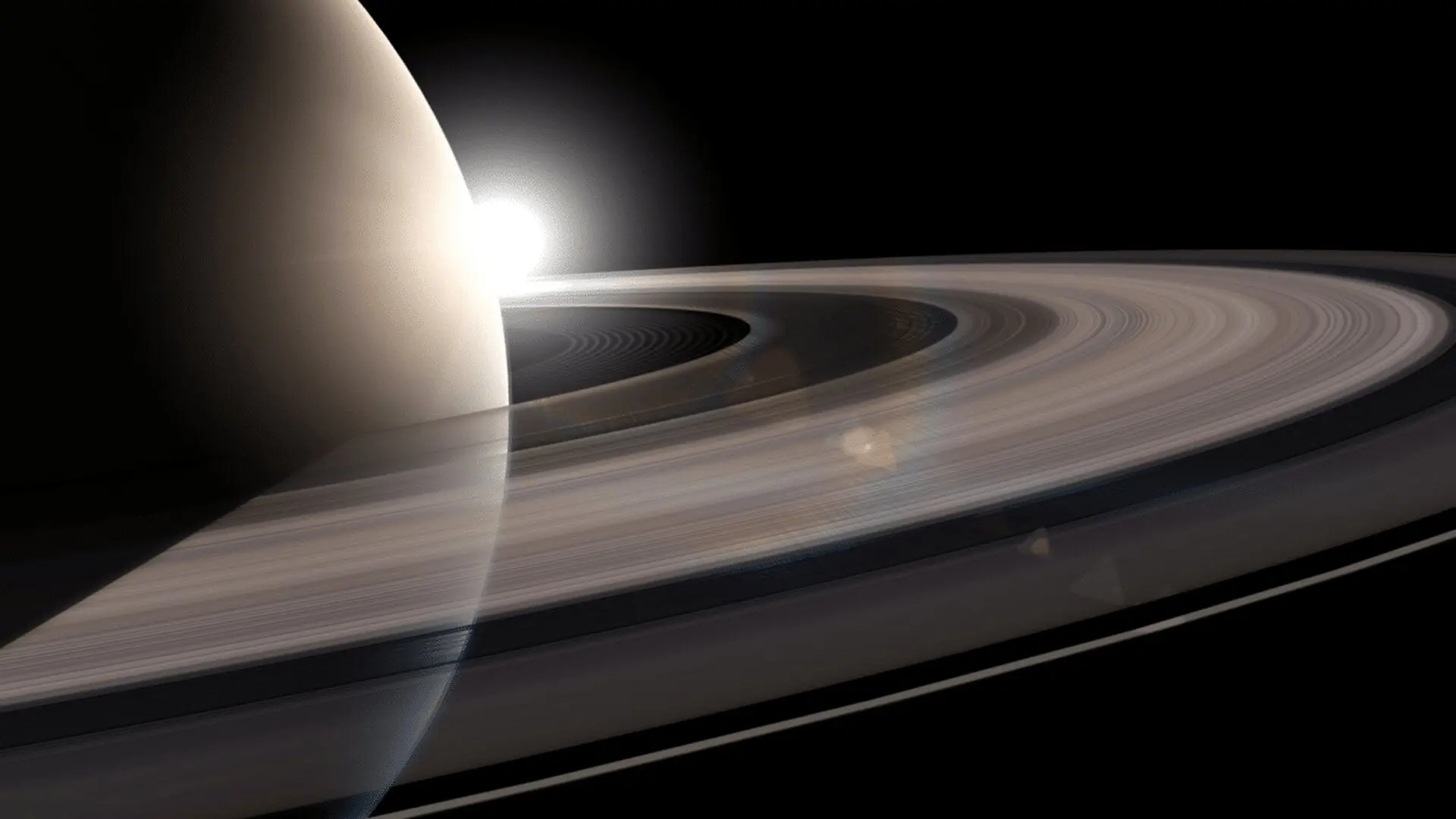
On October 4, 2026, Saturn will reach its most brilliant point in the night sky, a phenomenon known to astronomers as opposition. During this alignment, Earth travels directly between the Sun and the ringed giant, creating a rare window where the planet is visible from sunset until sunrise. This position not only places Saturn in its most prominent spot in the evening sky but also marks the moment of its closest approach to Earth for the year, offering the best conditions for telescopic study.
At an estimated magnitude of 0.3, Saturn will shine brightly enough to be seen with the naked eye, appearing as a steady, golden point of light nestled within the constellation Cetus. While the planet is a stunning sight for casual observers, even modest backyard telescopes can resolve its iconic ring system, which remains one of the most recognizable features in our solar system.
Optimal Viewing Opportunities in 2026
According to EarthSky, the precise moment of opposition occurs at 12 UTC on October 4, 2026. Because Earth completes its orbit much faster than the outer planets, this annual synchronization occurs when the distance between the two worlds is at its annual minimum. On this date, Saturn will reside approximately 784 million miles (1.26 billion kilometers) from Earth, a distance light takes roughly 70 minutes to traverse.
The planet will remain a fixture in the night sky for several months following the event, though its visibility will eventually diminish as it slips into the Sun’s glare by March 2027. For those hoping to capture the best views, experts recommend finding a location away from urban light pollution and allowing at least several minutes for eyes to adjust to the darkness.
The Evolving Perspective of Saturn’s Rings
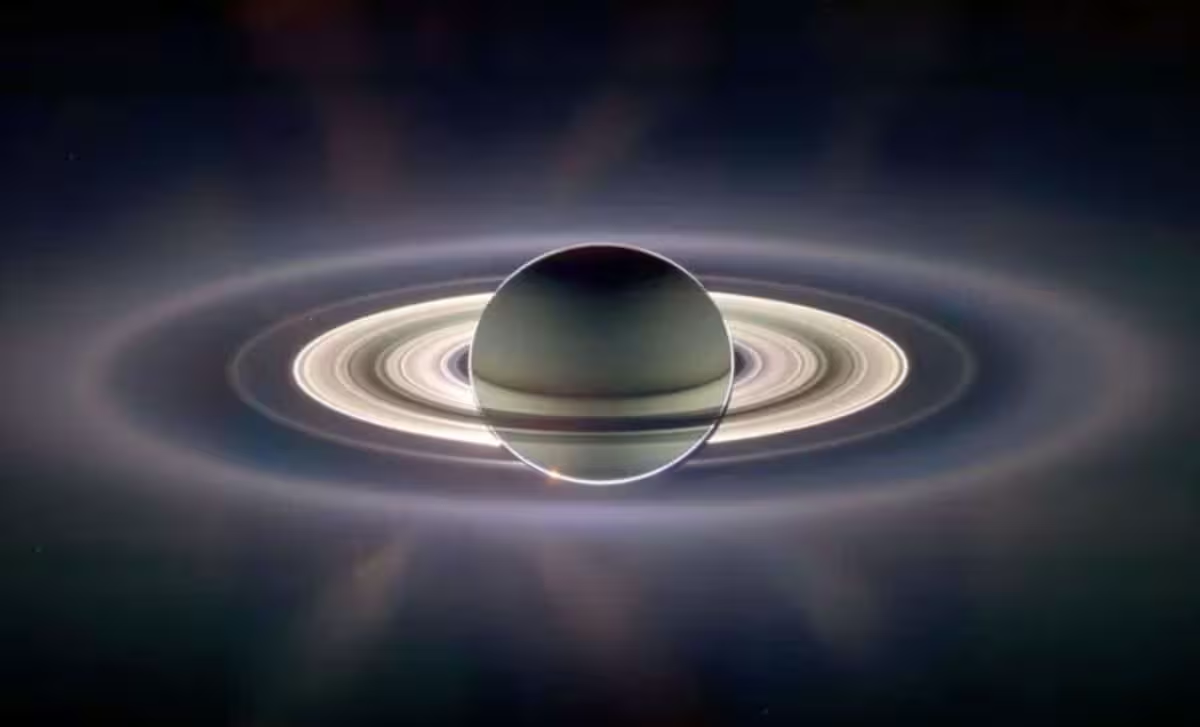
The appearance of Saturn is currently undergoing a slow, cyclical transformation. Following a rare “ring plane crossing” in March 2025—a period when Earth aligned with the razor-thin profile of the rings, making them nearly invisible—the ring system has begun to tilt back into view. By October 2026, the rings will be angled at approximately -7.5 degrees, providing a clearer look at their complex, icy structure than observers have seen in recent months.
This shifting geometry is a reminder that the Saturnian system is in constant, dynamic motion. These changes in viewing angle occur over a 13- to 15-year cycle, ensuring that every few years, skywatchers gain a different perspective on the orientation of the rings and the planet’s vast family of moons.
A World Shaped by Discovery
Beyond the rings, Saturn serves as a complex laboratory for planetary science. Decades of observation, most notably from the Cassini spacecraft, have revealed a system teeming with activity. Scientists have identified at least 293 moons orbiting the planet, ranging from small, rocky fragments to the massive, haze-shrouded Titan, which is known for its thick atmosphere and liquid methane surface features.
Predicting Future Oppositions
Because Saturn requires roughly 29.4 years to complete a single trip around the Sun, while Earth takes just one, the alignment for opposition happens approximately every 378 days. This causes the event to drift roughly two weeks later in the calendar each year. Following the 2026 event, the next oppositions are slated for October 18, 2027, and beyond, with each offering unique atmospheric conditions and ring-tilt angles for researchers and hobbyists alike.
To prepare for the October 4, 2026, event, observers are encouraged to use digital resources like Stellarium-Web to track the planet’s rise time and precise coordinates based on their specific geographic location.
This article has been fact checked for accuracy, with information verified against reputable sources. Learn more about us and our editorial process.
Last reviewed on .
Article history
- Latest version
Reference(s)
- EarthSky, Editors. “Saturn at opposition – brightest for 2026 – on October 4.”, January 1, 2026 EarthSky <https://earthsky.org/astronomy-essentials/saturn-at-opposition-closest-brightest-best/>.
Cite this page:
- Posted by Aisha Ahmed