Webb Telescope Reveals How The Early Universe Started Seeding The Ingredients For Life
JWST has discovered that infant galaxies were already recycling metal-rich gas, proving that the ingredients for life existed remarkably early in the cosmos.
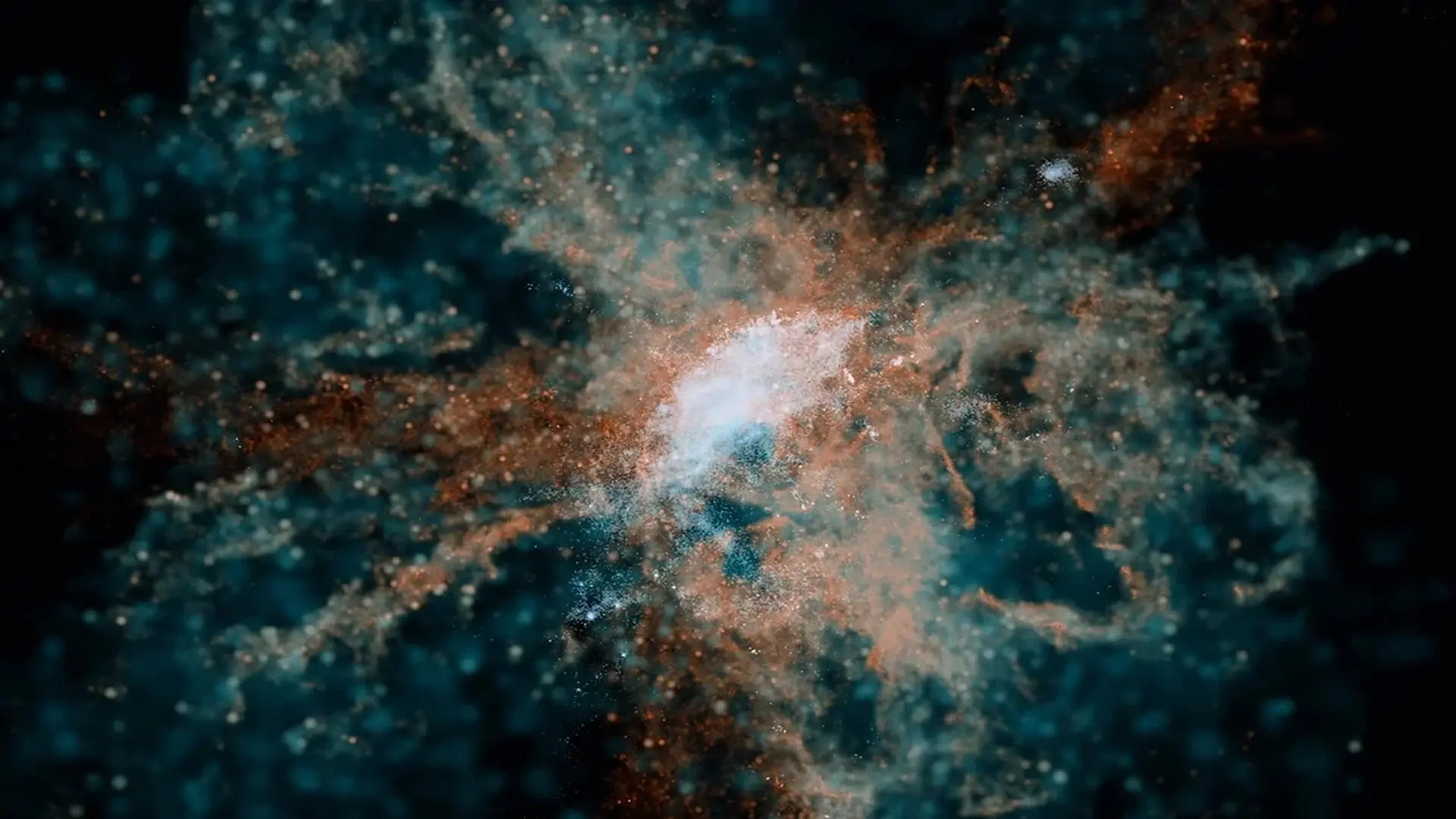
New observations from the James Webb Space Telescope (JWST) have revealed that the infant universe was far more chemically active than previously assumed. Researchers have detected signatures of carbon, oxygen, and silicon in gas associated with three galaxies dating back to within several hundred million years of the Big Bang, indicating that the cosmic process of spreading heavy elements began almost immediately after the first stars ignited.
The findings, detailed in Nature Astronomy, suggest that the fundamental mechanisms governing how galaxies grow and evolve were already firmly established during the Epoch of Reionization. The study, led by researchers at the University of Arizona, identifies a clear case of “baryon cycling,” where stars not only forge heavy elements but also eject them into the surrounding space.
Detecting the building blocks of life
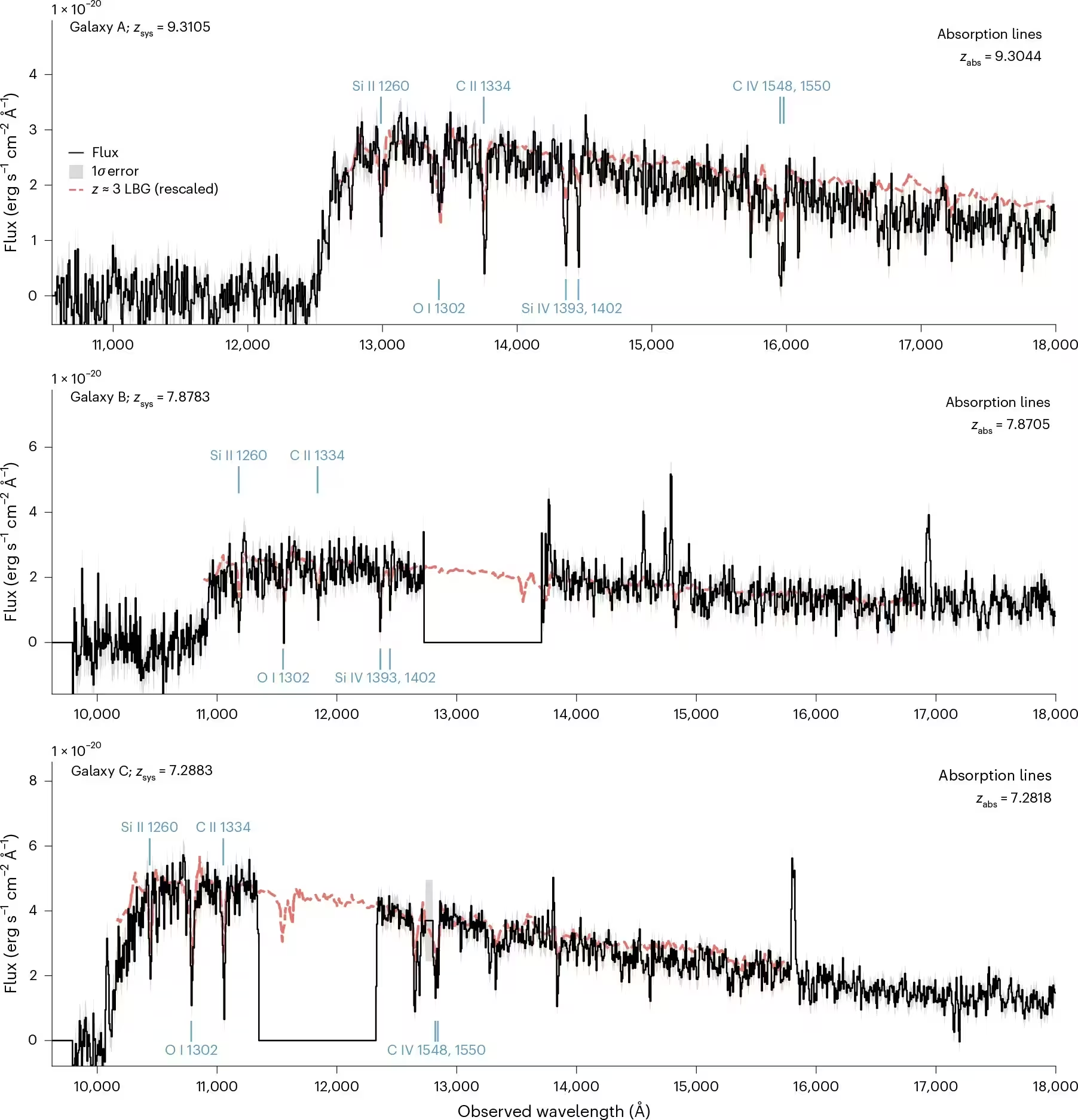
Following the Big Bang, the universe was composed primarily of hydrogen and helium. Heavier elements—which scientists refer to as “metals”—did not exist in any meaningful capacity until they were synthesized through nuclear fusion inside the cores of the first stars. By capturing these elements in the gas surrounding distant galaxies, astronomers have gained a clearer look at how this chemical transition occurred.
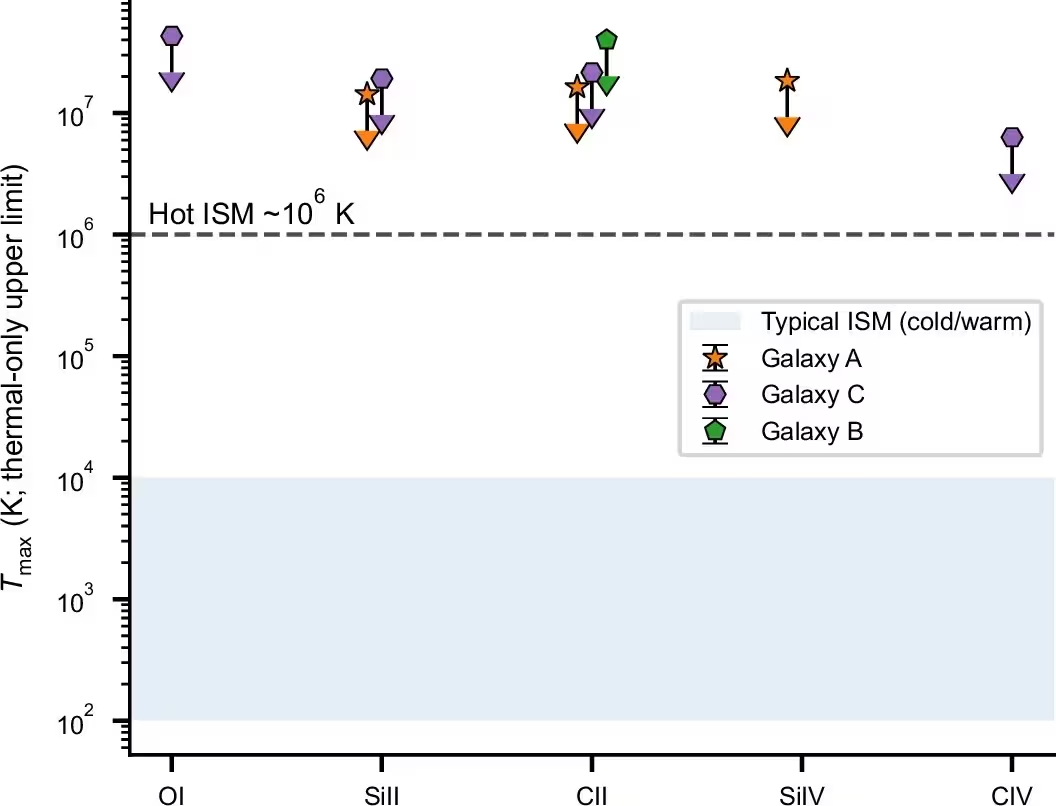
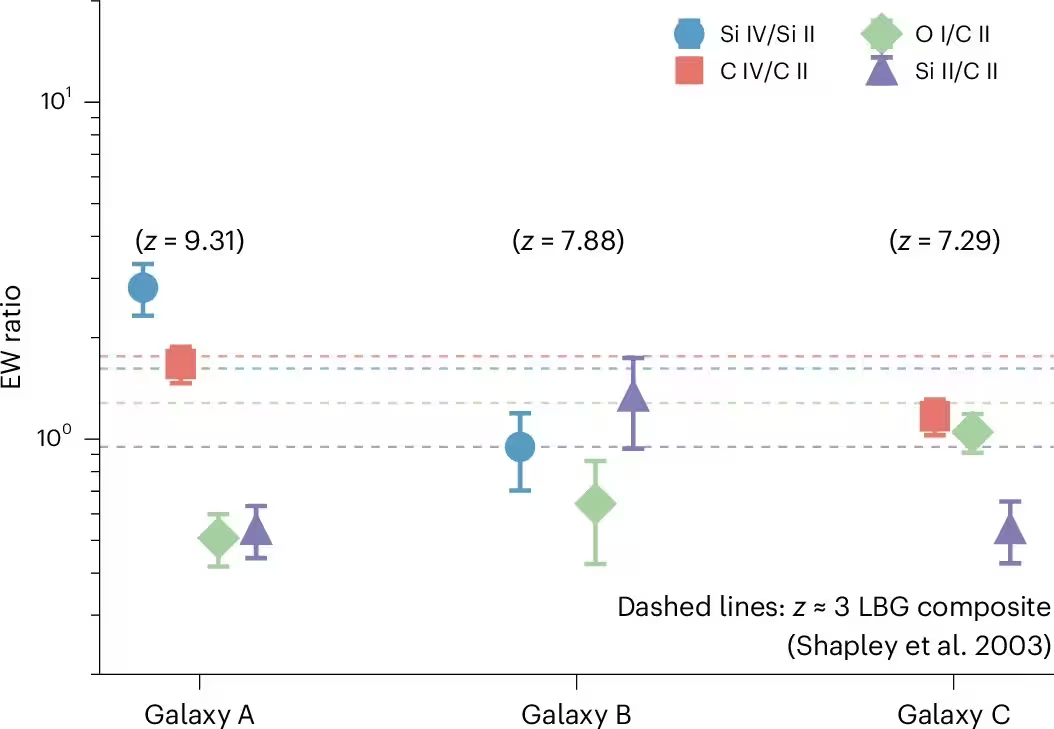
The research team analyzed data from the SPectroscopic Ultra-deep Reionization-era Survey (SPURS), which utilized the high sensitivity of JWST’s NIRSpec instrument. By focusing on three exceptionally bright galaxies at redshifts between 7.3 and 9.3, the team used the galaxies’ own intense starlight as a backdrop to detect the chemical signatures of gas clouds. As light passed through these clouds, specific atoms absorbed energy, leaving distinct “fingerprints” that confirmed the presence of carbon, oxygen, and silicon.
Signs of active galactic outflow
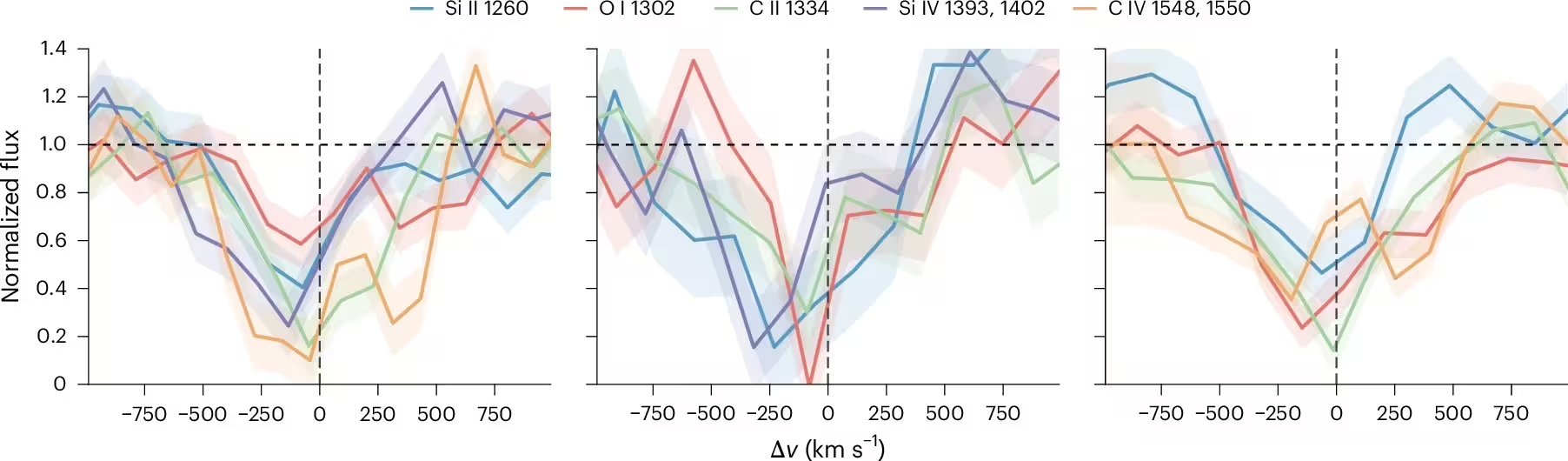
Beyond identifying the presence of these elements, the team measured their motion relative to the host galaxies. The absorption lines were consistently blueshifted by 50 to 250 kilometers per second, suggesting that the gas is actively moving outward from the galaxies toward the observer. This behavior is characteristic of galactic outflows, which are driven by energetic processes like supernova explosions and powerful stellar winds.
“We observed that heavy elements escaped from galaxies very, very early in cosmic time,” said lead author Yongda Zhu. He noted that this dispersion likely played a critical role in seeding the surrounding intergalactic medium with the ingredients necessary for future stellar and planetary systems.
Reframing early cosmic evolution
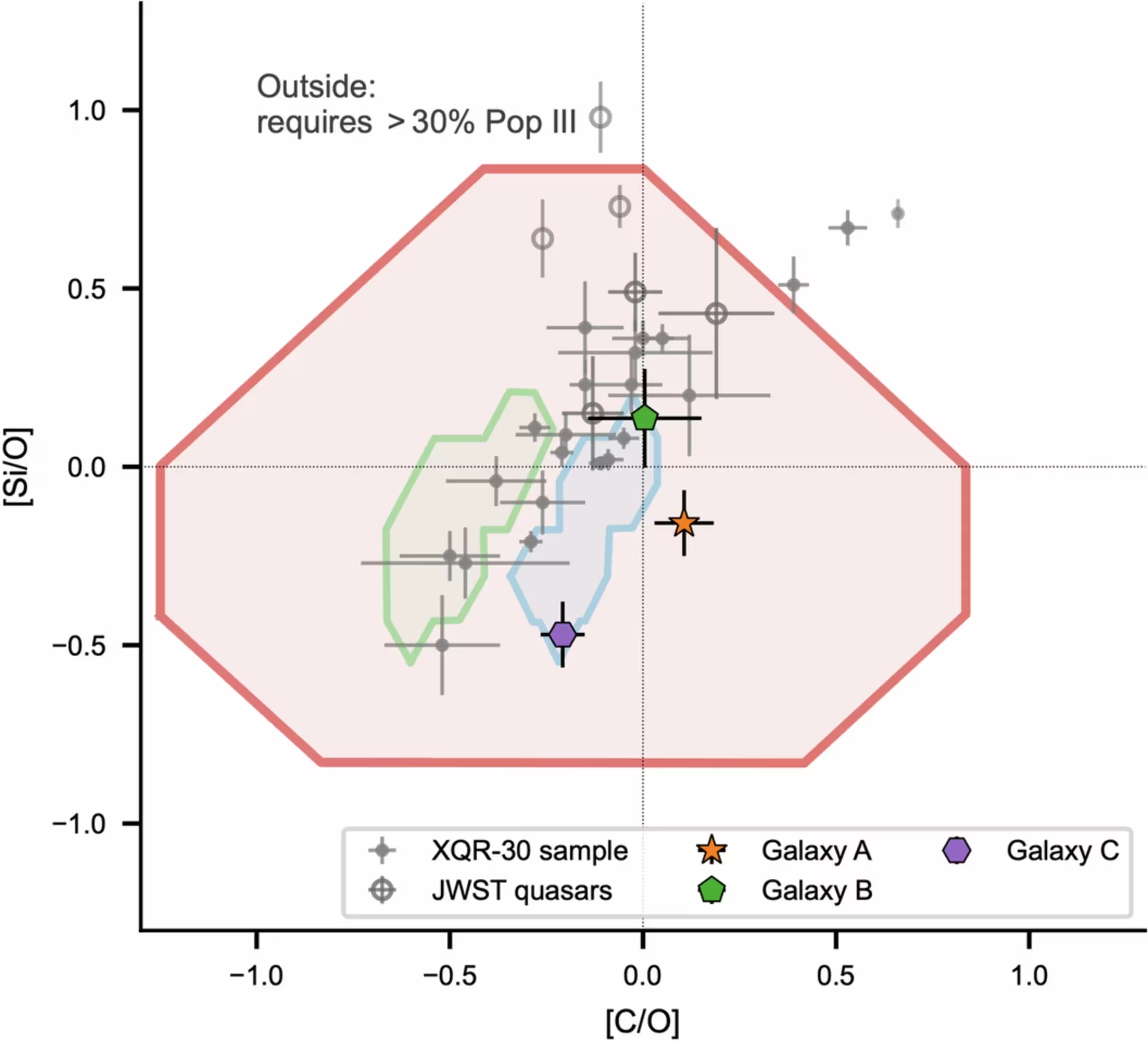
This discovery complicates the search for “Population III” stars—the hypothetical first generation of stars born from pure hydrogen and helium. If galaxies were polluting their environments with metals as early as 500 million years after the Big Bang, the window for finding pristine, metal-free environments shrinks significantly. However, the researchers emphasize that this enrichment was likely uneven; while these specific luminous galaxies were highly active, other regions of the early universe may have remained chemically primitive for longer.
Because the current study is limited to three exceptionally bright galaxies, further observations will be required to determine how widespread these outflows were across the broader population of smaller, more common early galaxies. Nevertheless, the data provides a crucial snapshot of the universe’s transition from a simple, elemental gas into a complex chemical environment.
The findings reinforce the idea that galaxies are not isolated entities but rather dynamic engines of change that continually recycle matter. By scattering stellar material across the cosmic void, the very first generations of galaxies laid the groundwork for the chemistry that would eventually support the formation of rocky worlds and, ultimately, life.
Further Reading
This article has been fact checked for accuracy, with information verified against reputable sources. Learn more about us and our editorial process.
Last reviewed on .
Article history
- Latest version
Reference(s)
- “University of Arizona in Tucson, AZ.”, September 25, 2026 The University of Arizona <https://www.arizona.edu/>.
Cite this page:
- Posted by Aisha Ahmed