Scientists Just Confirmed the UK’s Oldest Rock Art Hidden Deep Inside a Welsh Cave for 17,000 Years
Unravel the ancient mystery behind cave markings stumping archaeologists for generations with cutting-edge science
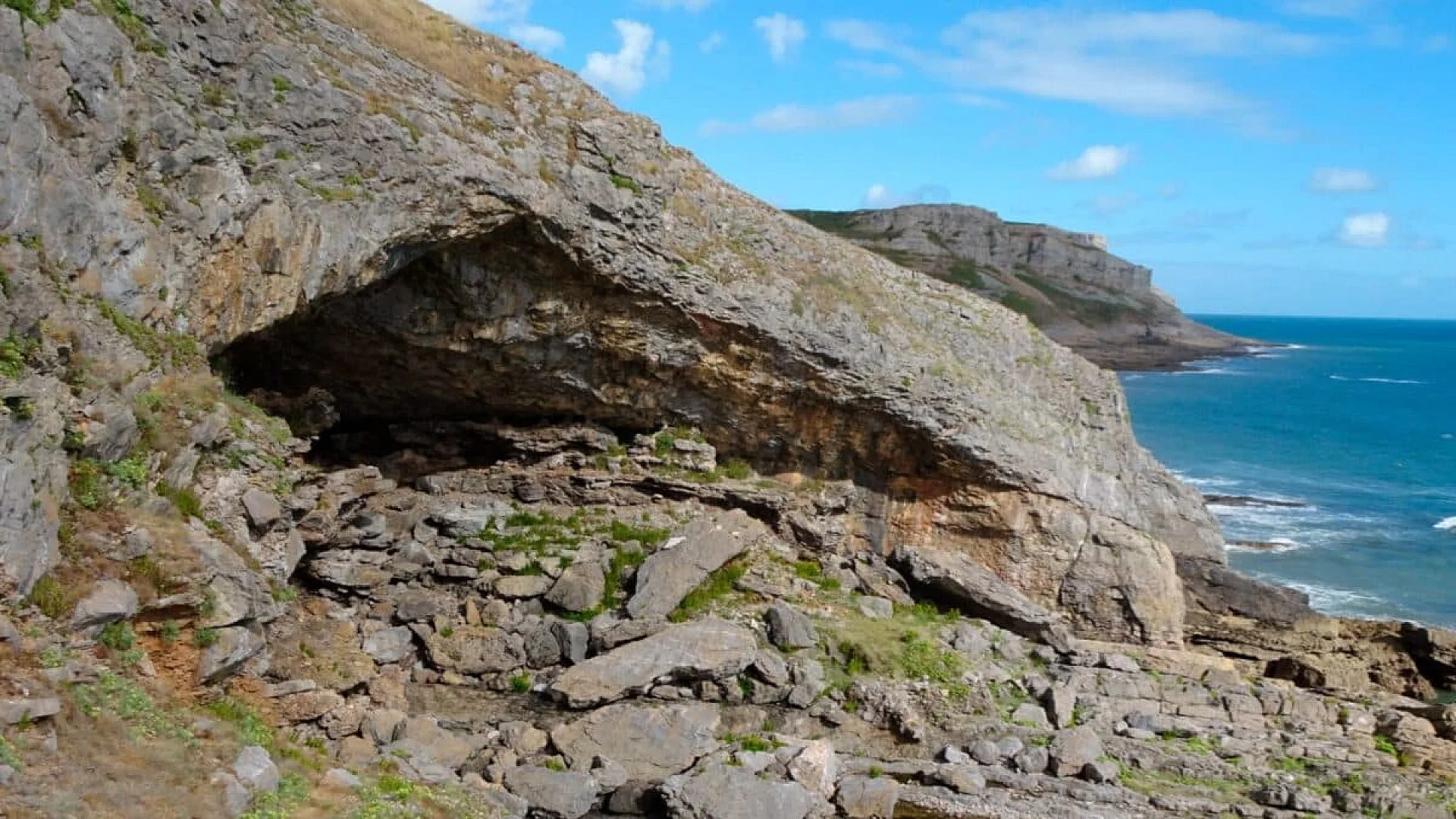
Deep inside a Welsh cave, a series of crimson strokes has been verified as the earliest example of rock art across the British Isles. Advanced dating now places the markings between 18,300 and 15,700 years old, finally resolving a debate that has lingered for more than a century.
The panel lies in Bacon Hole, a sea‑overlooking cavity on the Gower Peninsula in southwest Wales. Discovered in 1912, the feature consists of eleven horizontal red lines that early investigators attributed to Upper Palaeolithic hand‑painting.
Skepticism surfaced soon after the find. Within a few years, some scholars argued the patterns could be a natural cave formation. The exact spot of the panel was eventually lost, and the controversy faded until a 2022 expedition relocated the artwork and subjected it to modern analytical methods.
Rediscovering a Century‑Old Mystery
When the red‑lined surface was first reported in 1912, it attracted significant interest as a potential first instance of Upper Palaeolithic cave art in Britain. By 1928, however, several researchers suggested that geological processes, rather than human hands, might explain the markings. The lack of a precise location for the panel meant the debate could not be resolved, and the site was largely forgotten.
In 2022 an international team succeeded in pinpointing the exact area of the panel and launched a fresh investigation, offering archaeologists a rare chance to revisit a puzzle that had remained unsolved for more than a hundred years.
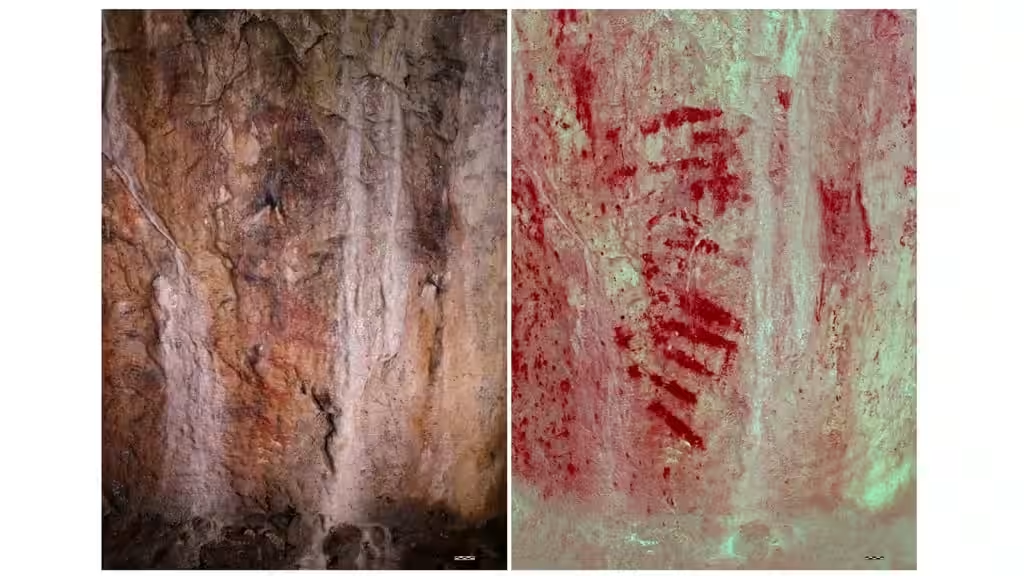
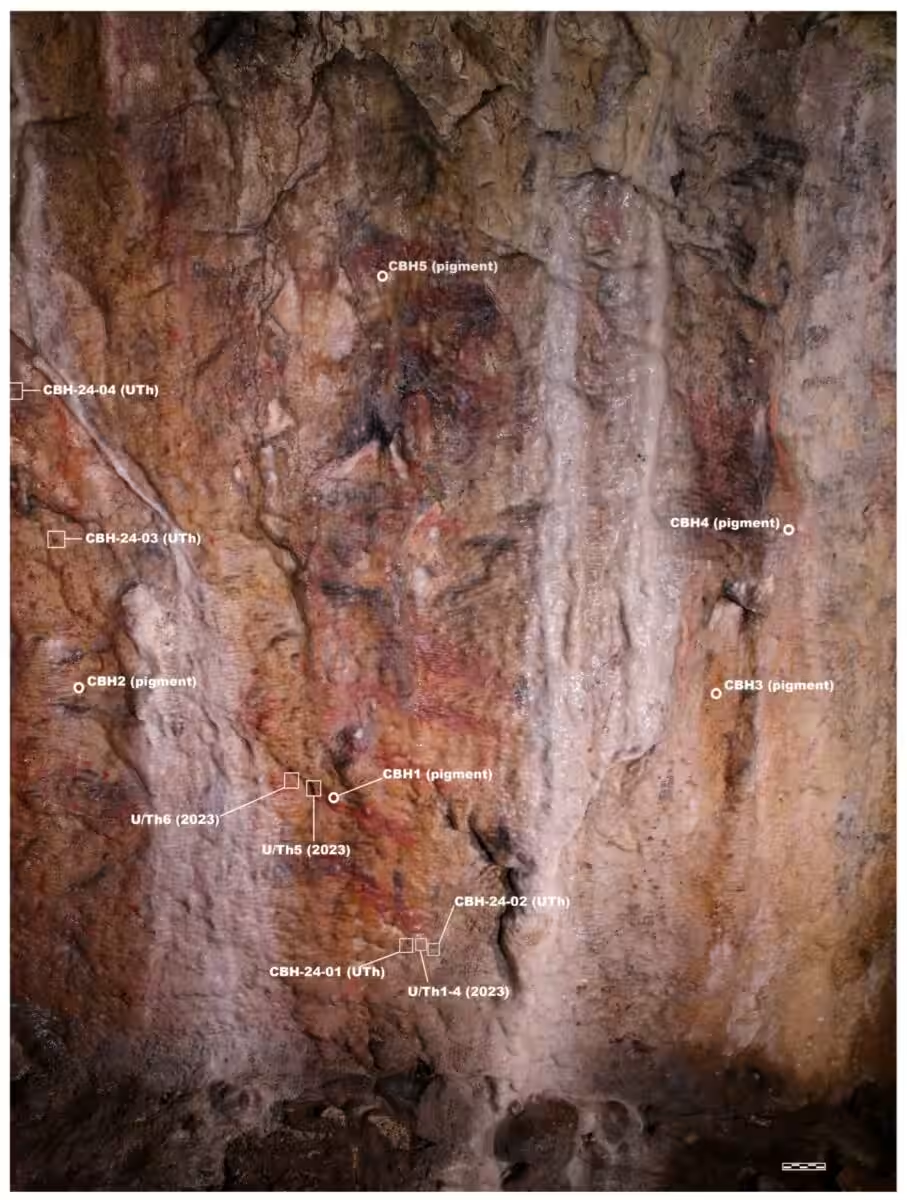
The study, published in Quaternary, details how the team applied uranium‑thorium dating to a thin calcite crust overlaying the red pigment. The analysis indicates the artwork was created at least between 18,300 and 15,700 years ago, making the Bacon Hole markings the oldest known rock art in the British Isles.
Ice‑Age Hands Behind the Red Strokes
Scientists identified hematite—a naturally occurring iron oxide—as the source of the vivid pigment. The eleven lines display a remarkably regular spacing, a pattern the researchers argue is unlikely to result from purely natural processes.
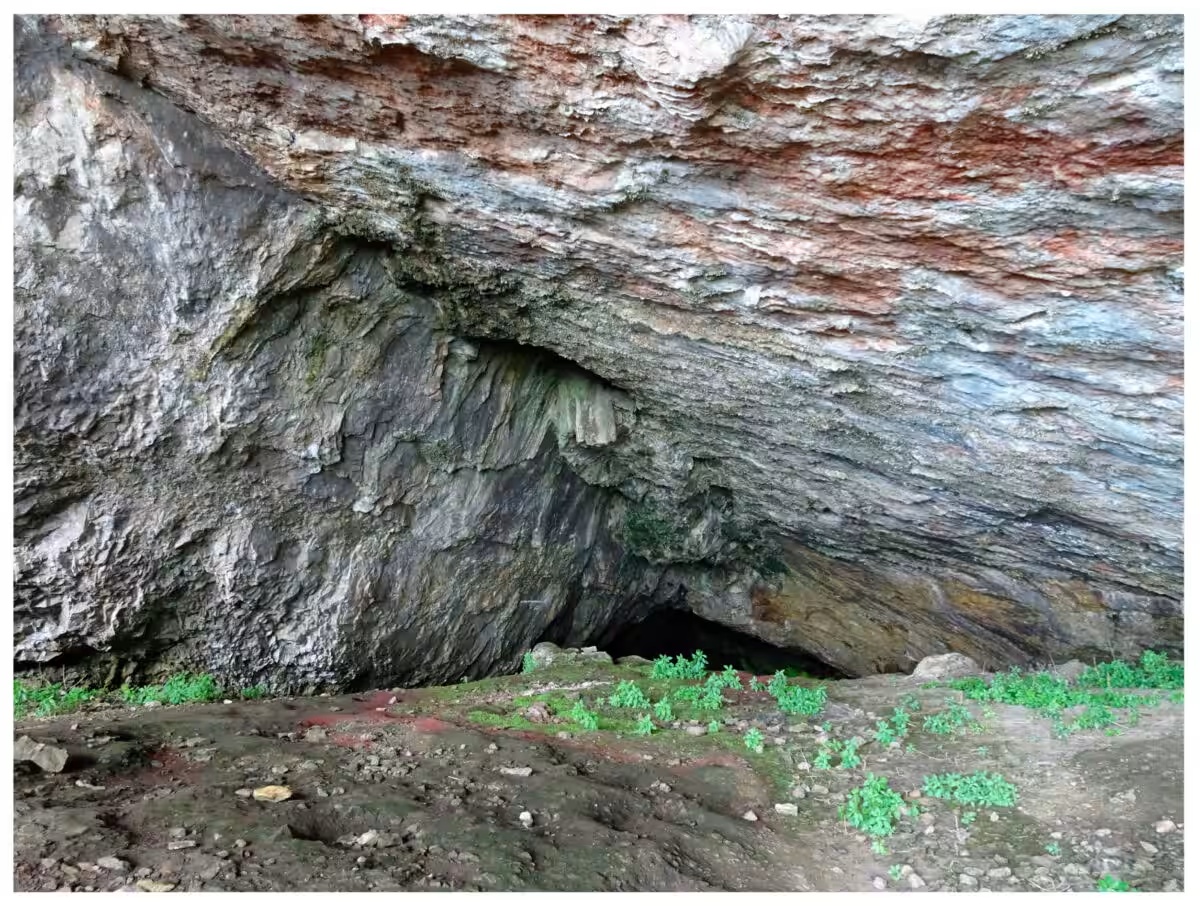
Additional evidence includes tiny finger impressions and scattered hematite splashes found elsewhere in the cavern, suggesting deliberate application of the pigment by human participants.
The authors caution that the age estimate rests on a single uranium‑thorium measurement, and further analysis of the cave walls will be needed to confirm the results.
Possible Reasons for the Red Marks
While the new data strengthens the case for human authorship, the purpose of the lines remains speculative. Lead author George Nash of the University of Liverpool notes that the panel’s deep, dimly lit setting may have played a symbolic role.
“The darkness itself may have been an essential part of the ritual experience,” Nash said. “Deep cave chambers are acoustically unusual, visually disorienting, and separated from the everyday world. Entering such spaces could have created a sense of transition to a different realm.”
Bacon Hole continued to attract human activity long after the Ice Age. Excavations have uncovered pre‑Roman pottery, a Roman bone pin, a seventh‑century Irish brooch, Saxon beads and a medieval cooking pot, indicating that the site remained culturally significant for millennia.
“Practical considerations alone may not explain why people continued to visit the cave across such long periods of time,” Nash added. “Once a place becomes embedded in cultural memory, it can acquire meanings that endure long after its original purpose has been forgotten.”
This article has been fact checked for accuracy, with information verified against reputable sources. Learn more about us and our editorial process.
Last reviewed on .
Article history
- Latest version
Reference(s)
- <https://www.mdpi.com/2571-550X/9/3/43>.
- “Research | Dr George Harold Nash | Our people | University of Liverpool.” <https://www.liverpool.ac.uk/people/george-harold-nash/research>.
Cite this page:
- Posted by Zara Tariq