Virgin Galactic Unveils Apeiron as It Prepares to Revolutionize Space Tourism
Virgin Galactic is nearing a critical milestone as it prepares its next-generation Delta-class spacecraft to transform the future of commercial spaceflight.
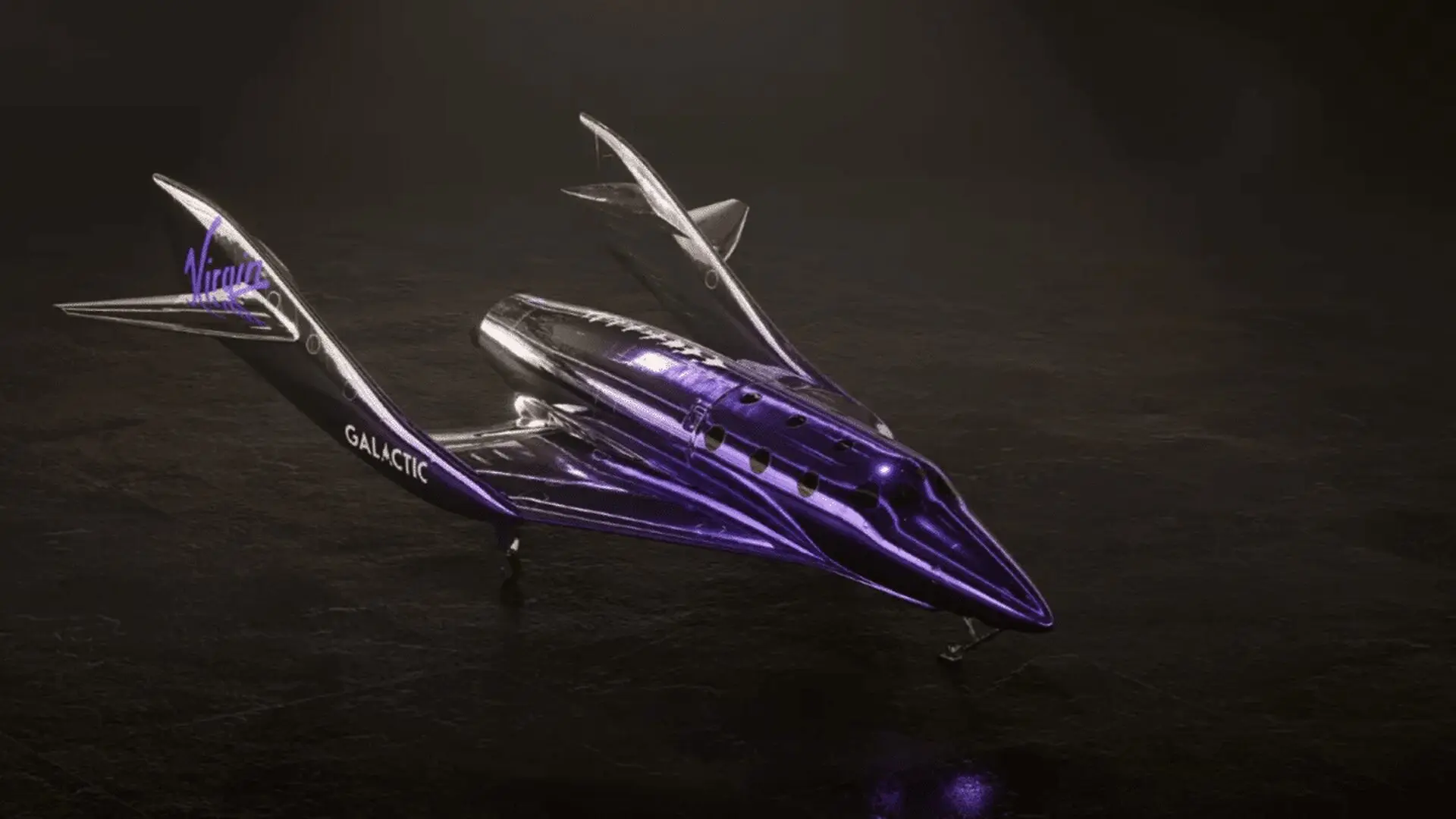
Virgin Galactic has reached a pivotal juncture in its bid to transform space tourism from a rare spectacle into a routine commercial enterprise. The company has officially debuted its first Delta-class spacecraft, a vessel designed to dramatically increase flight frequency and stabilize the company’s path toward regular, high-cadence suborbital operations.
A New Era for Virgin Galactic: Meet Apeiron
The spacecraft, christened Apeiron—a Greek term signifying the boundless—was revealed on October 28, 2026. The name was selected following a global public campaign that drew input from participants across more than 80 nations. This debut signals a definitive transition for the aerospace firm, moving away from prolonged development cycles toward the rigorous demands of flight testing.
Following the unveiling, the company initiated plans to transport Apeiron from its manufacturing hub in Mesa, Arizona, to Spaceport America in New Mexico. The transfer utilizes the VMS Eve carrier aircraft, employing a “captive-carry” flight procedure where the spaceplane remains tethered to the carrier vehicle throughout the journey.
CEO Michael Colglazier framed the arrival as a defining moment for the company’s long-term strategy. “The arrival of our lead Spaceship at Spaceport America will be an enormous milestone in a years-long journey to build the world’s first human spaceship platform designed for regular commercial spaceflight,” Colglazier said in a formal company statement. The objective is to shift from the sporadic, single-mission model of the past toward a robust fleet capable of maintaining a predictable, recurring flight schedule.
Meet Spaceship Apeiron. From the Greek for boundless. Named by you → https://t.co/azPP7EyTGQ #NameASpaceship https://t.co/BCAmnhZGID
— Virgin Galactic (@virgingalactic) October 28, 2026
Engineering Scalability into Suborbital Travel
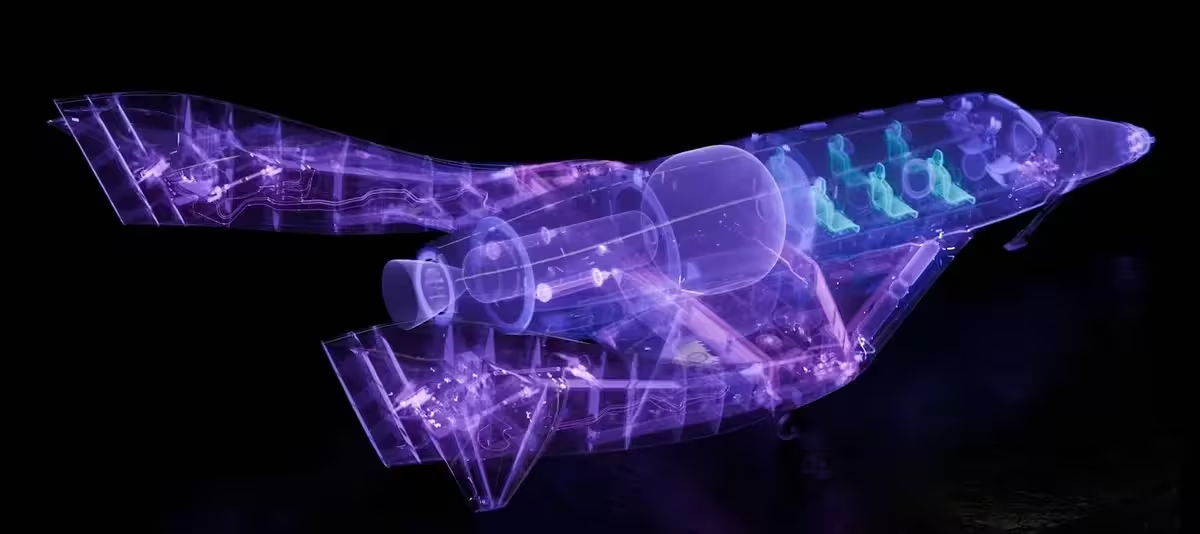
The Delta-class design marks a departure from the VSS Unity, the vehicle that facilitated seven commercial flights between June 2023 and its retirement in June 2024. The operational hiatus that followed Unity’s final flight allowed the company to pivot its entire focus toward the Delta architecture. Unlike its predecessor, which accommodated four passengers, the new Delta-class vessels are engineered to host up to six.
The primary advantage of this new fleet, however, is throughput. Virgin Galactic anticipates that each Delta-class ship will eventually be capable of conducting eight missions per month, a ten-fold increase over the operational tempo established by the VSS Unity. By leveraging a fleet of two such vehicles, the company aims to significantly improve the economic viability of its suborbital service by distributing high fixed operating costs across a much larger volume of flights.
Despite the architectural upgrades, the fundamental flight profile remains consistent with Virgin Galactic’s heritage: a carrier aircraft transports the spaceplane to a designated altitude before mid-air release, triggering a rocket-powered ascent to space. Passengers will continue to experience several minutes of microgravity and panoramic views of Earth’s curvature before the craft returns for a conventional runway landing.
Timeline Adjustments and the Path to Certification
While the unveiling is a milestone, the road to commercial operation remains complex. The original development timeline, announced in 2022, projected passenger operations by 2026. Engineering challenges and the necessity for deep system integration have pushed those targets back. The company now expects the lead Delta-class vehicle to enter commercial service in the second quarter of 2027, with a second unit following shortly thereafter in late Q2 or early Q3 of 2027.
Much of this adjusted schedule stems from the intricate process of validating the craft’s avionics software—a critical component for managing flight systems. Validation will be a central focus at Spaceport America as the company moves into its final flight-testing phase. Meanwhile, production continues at the Mesa facility, where structural testing on the second ship’s components, including the “feather” system used for atmospheric reentry, has already yielded successful results.
Managing a Growing Astronaut Community
The pressure to meet these targets is compounded by a long list of eager customers. Virgin Galactic’s backlog includes travelers who secured reservations as early as 2004, when tickets were priced at $200,000. By 2014, the company had amassed nearly 700 reservations. Currently, more than 100 individuals are undergoing the first stages of flight readiness and preparation.
As the company prepares for its upcoming earnings call in November, investors and stakeholders will be looking for clarity on the flight-test trajectory. Having already proven that the suborbital experience is technically feasible with earlier vessels, Virgin Galactic’s immediate mandate is to demonstrate that it can scale this experience into a reliable, consistent, and sustainable commercial operation.
This article has been fact checked for accuracy, with information verified against reputable sources. Learn more about us and our editorial process.
Last reviewed on .
Article history
- Latest version
Reference(s)
- “Virgin Galactic Sets October 28 for Lead Delta Class Spaceship’s Arrival at Spaceport America, Marking Start of Flight Test Preparations.” <https://www.virgingalactic.com/news/virgin-galactic-sets-october-28-for-lead-delta-class-spaceships-arrival-at-spaceport-america>.
Cite this page:
- Posted by Zara Tariq