Decades Old Fossils Finally Reveal What The Mysterious Denisovans Actually Looked Like
Forgotten fossils unearthed in China fifty years ago have been re-examined, revealing a mysterious new human ancestor with an unexpected facial structure.
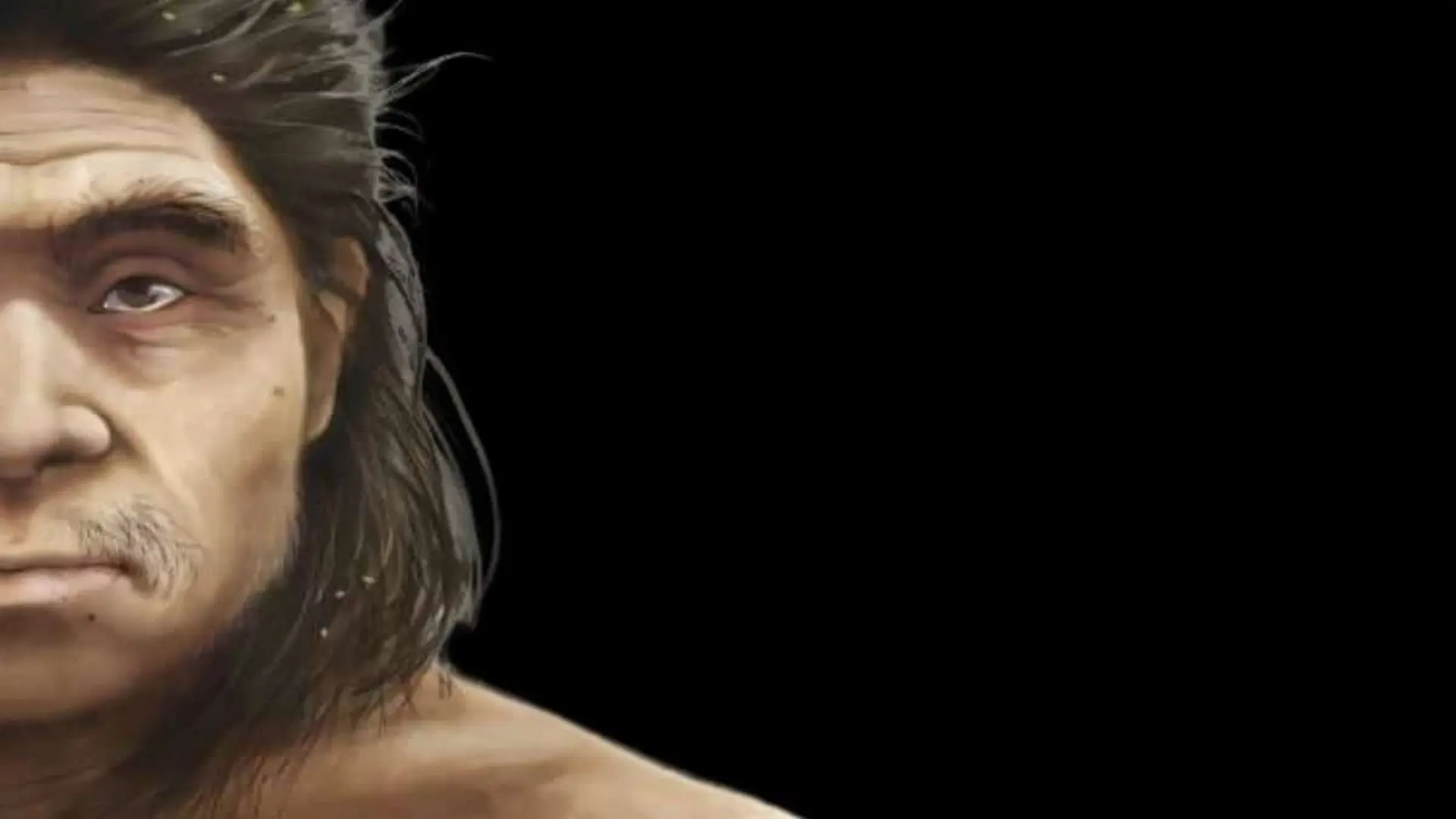
Decades after they were first unearthed in northern China, a collection of enigmatic fossils has finally been identified as belonging to the Denisovans. By analyzing ancient protein remnants within the bones, researchers have unlocked a long-held secret regarding these mysterious relatives of modern humans, providing the first clear glimpse into their physical appearance and broader geographical reach.
The study, published in the journal Nature, marks a significant leap in our understanding of a group that existed between approximately 300,000 and 45,000 years ago. Despite their close evolutionary ties to Neanderthals, Denisovans have remained largely elusive due to an extremely sparse fossil record, which has historically limited our knowledge of their morphology and range.
Deciphering Ancient Molecular Signatures
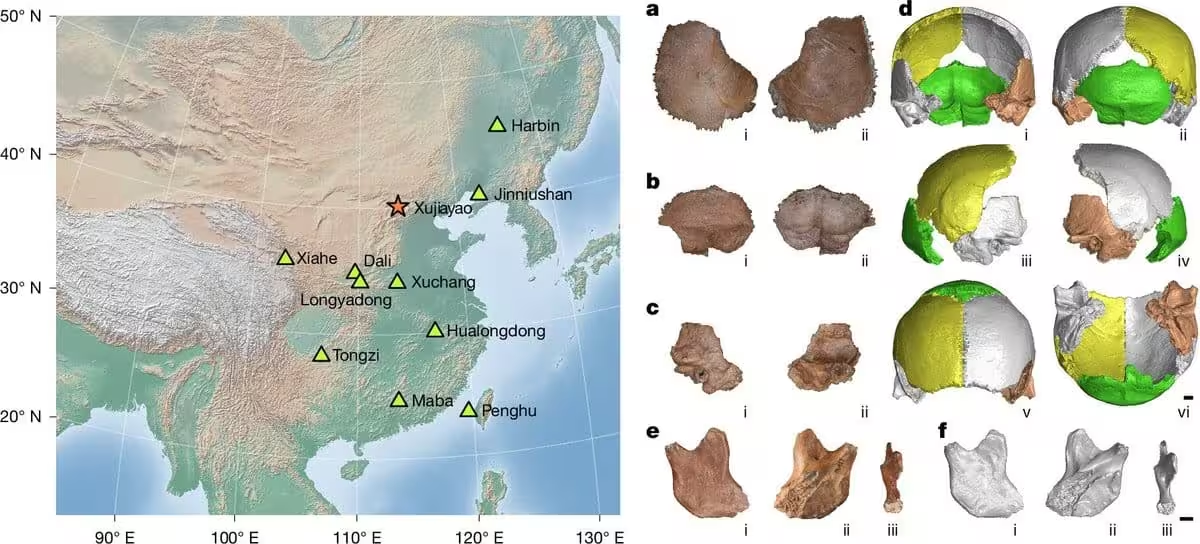
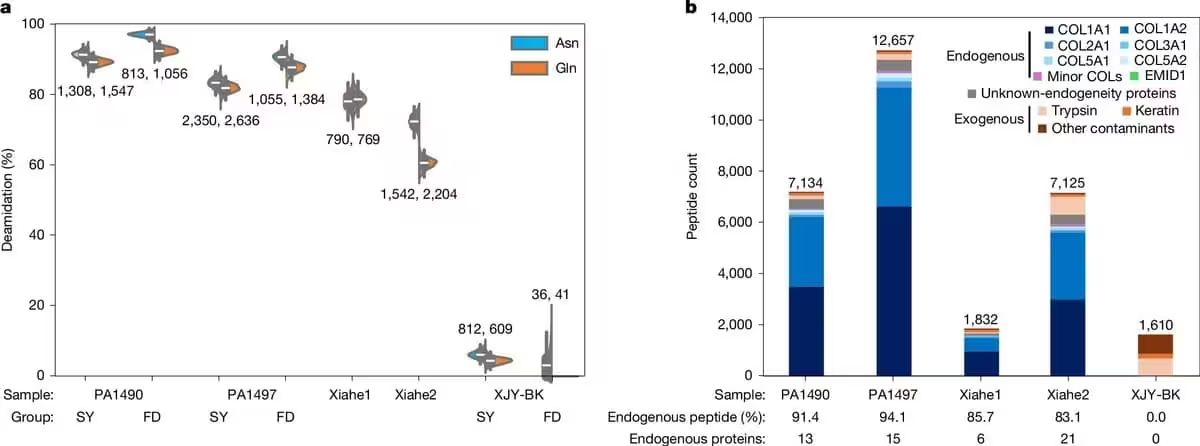
The breakthrough came from examining a skull and jaw fragment recovered from the Xujiayao archaeological site between 1976 and 1979. A research team led by Qiaomei Fu of the Chinese Academy of Sciences utilized advanced paleoproteomics to isolate 18 distinct ancient proteins from the specimens. By comparing these protein sequences against those of known hominins, the team identified a specific collagen variant, COL1A2-996K, which serves as a unique diagnostic marker for Denisovans, absent in both Neanderthals and modern humans.
“Molecular phylogeny and shared morphological traits classify Xujiayao, initially assigned to different lineages, as Denisovan,” the researchers concluded.
Reconstructing the Denisovan Visage
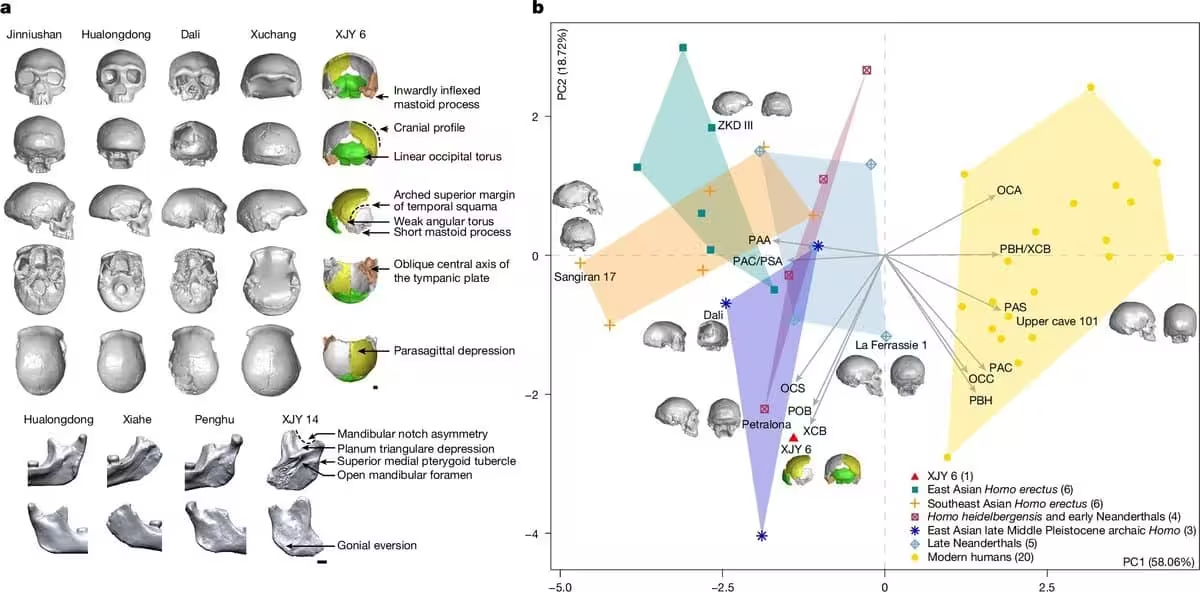
With the genetic identity confirmed, the team constructed 3D digital models of the skull and jaw fragments. These reconstructions revealed a distinct profile: the Denisovans possessed thick, robust cranial bones, a low and relatively flat skull, and pronounced brow ridges. Their facial structure appears to represent an evolutionary mosaic, combining ancestral hominin features with traits later seen in Neanderthals and other archaic human groups.
Expanding the Known Range of Ancient Humans
This identification carries significant implications for human history, as it confirms that Denisovans were not limited to high-altitude Tibetan regions or remote Siberian caves. Instead, the findings suggest a much wider, more diverse population that flourished across East Asia. The study proposes that numerous other fossils previously found in the region may also belong to the Denisovan lineage, fundamentally changing our map of hominin dispersal.
“The inclusion of additional members of East Asian late Middle Pleistocene archaic Homo, alongside Xujiayao, expands the morphological variability of East Asian Denisovans,” the authors noted.
This article has been fact checked for accuracy, with information verified against reputable sources. Learn more about us and our editorial process.
Last reviewed on .
Article history
- Latest version
Reference(s)
- Xing, Song., et al. “The proteome of Middle Pleistocene Xujiayao and common Denisovan morphology.” Nature, October 21, 2026 Springer Science and Business Media LLC, doi: 10.1038/s41586-026-11132-z. <https://dx.doi.org/10.1038/s41586-026-11132-z>.
- “Qiaomei Fu--TAN KAH KEE SCIENCE AWARD FOUNDATION.” <https://tsaf.cas.cn/en/hj/qnkxj/year/2022/202305/t20230529_4955106.html>.
Cite this page:
- Posted by Zara Tariq