Plant Peptide Shows Promise Against Adenomyosis Target in Silico
A computational investigation suggests a plant-derived peptide could inhibit the enzyme driving local estrogen excess in uterine adenomyosis.
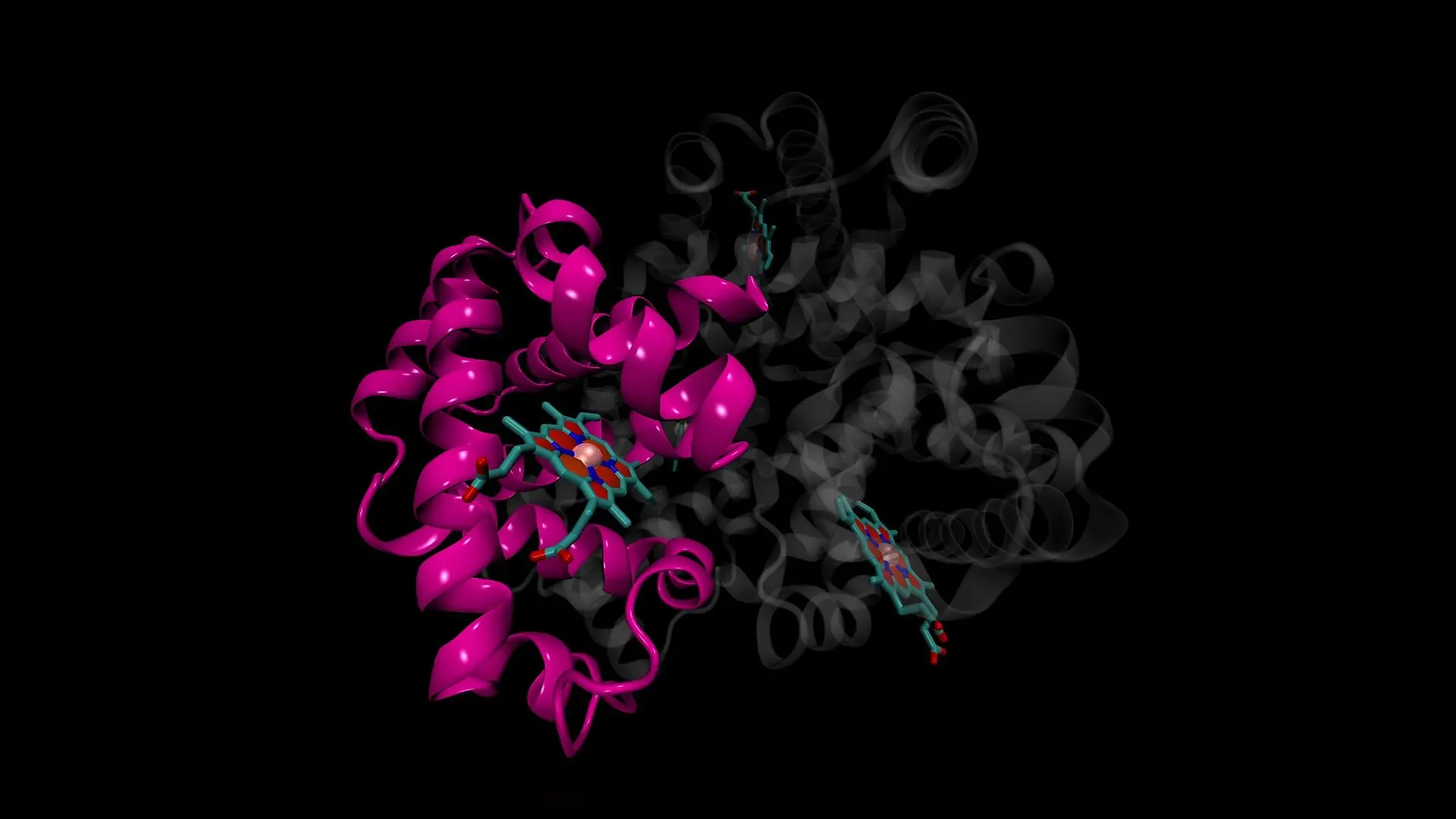
A plant-derived peptide known as cycloviolacin O4 shows potential for binding to human placental aromatase cytochrome P450, a key enzyme involved in the local estrogen production that drives the painful uterine disorder adenomyosis. Adenomyosis is a chronic gynecological condition affecting an estimated 12% to 58% of reproductive-age women, causing severe pelvic pain, heavy bleeding, and infertility while lacking approved, disease-specific medical therapies that preserve fertility. Researchers turned to computational drug discovery to investigate whether cyclic plant peptides, or cyclotides, might offer an alternative inhibitory strategy against the aromatase enzyme.
Computational screening identifies a stable peptide binder
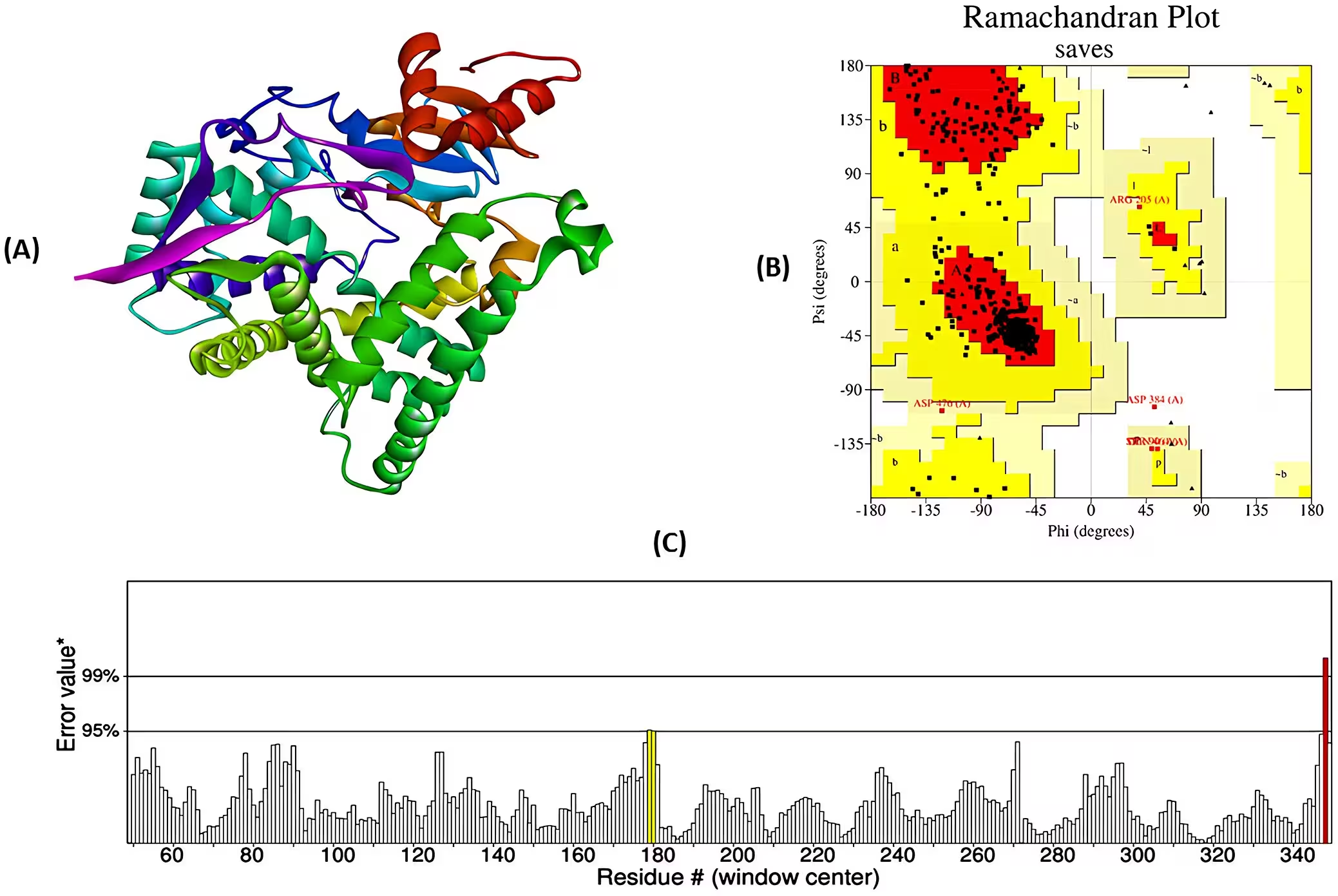
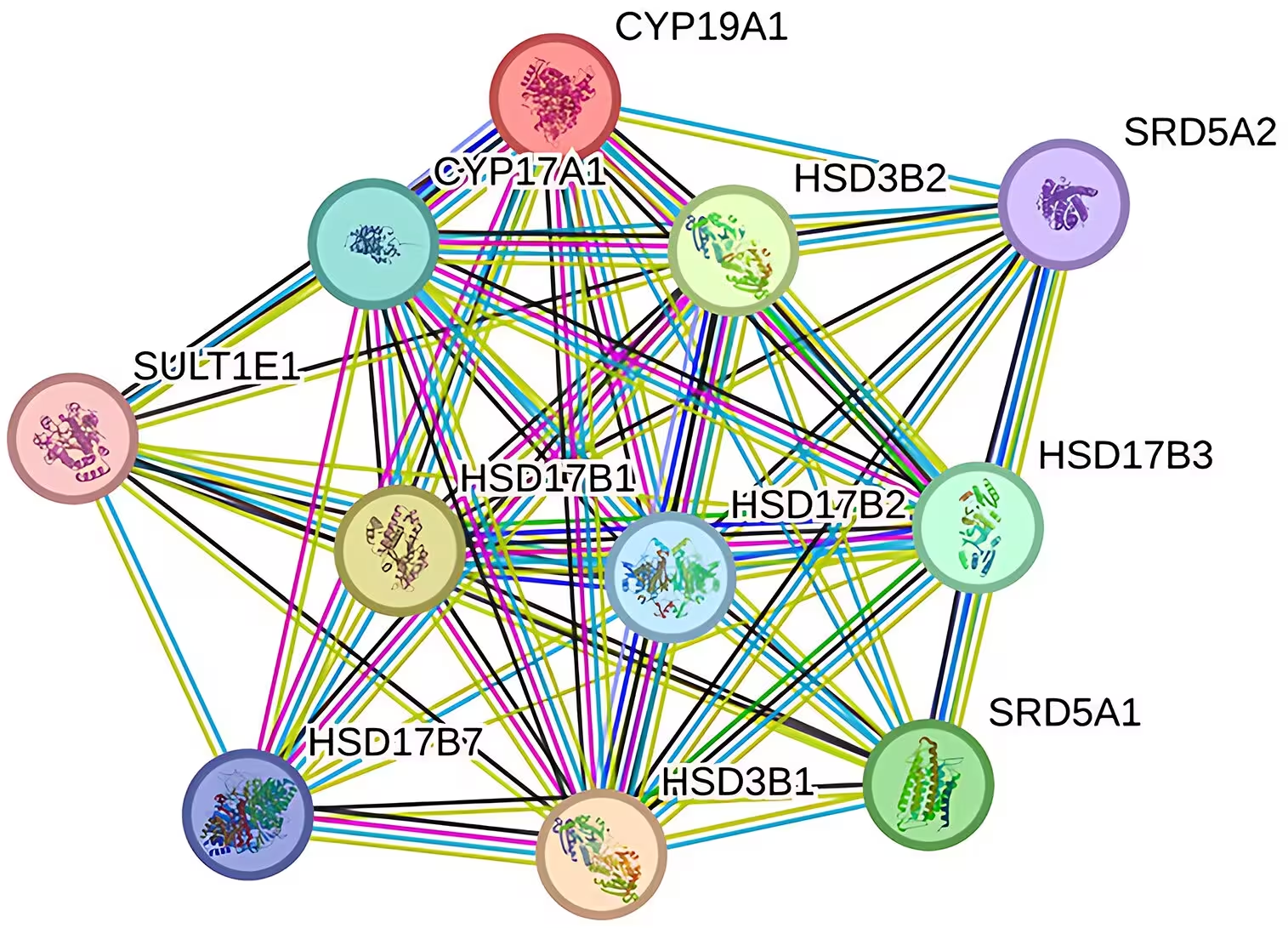
The research team began by retrieving the three-dimensional structure of human placental aromatase cytochrome P450 from the Protein Data Bank and validating its stereochemical quality. Protein-protein interaction network analysis confirmed that the enzyme operates within a heavily connected steroidogenic network alongside related hydroxysteroid dehydrogenases and steroid-converting enzymes. The investigators then modeled twenty different cyclotides from the CyBase database using artificial intelligence structure prediction tools to generate reliable three-dimensional peptide conformations. Active site prediction analysis identified the primary binding pocket on the enzyme, which successfully encompassed the catalytically important residues Asp309, Thr310, and Arg435.
Molecular docking evaluations performed using HADDOCK and ClusPro revealed favorable interaction energies and stable clustering behavior for several cyclotide candidates. Among them, cycloviolacin O4 demonstrated a strong HADDOCK score of minus 82.8 and a low root mean square deviation of 0.2 angstroms, alongside a supportive ClusPro energy score of minus 872.1. The results were further benchmarked against the approved aromatase inhibitor exemestane and a reference control peptide. Based on its balanced docking orientation and interaction characteristics, cycloviolacin O4 was prioritized for lengthy molecular dynamics simulations.
Dynamic stability during 500-nanosecond simulations
To evaluate how the prioritized complex behaves under physiological conditions, the researchers conducted extended 500-nanosecond molecular dynamics simulations on the receptor-peptide complex, the unbound receptor, and the isolated peptide. The findings were published in PLOS One, detailing the atomistic behavior of the molecules in explicit solvent boxes. The complex maintained stable backbone deviations, controlled local fluctuations around the active site, and sustained intermolecular hydrogen bonding throughout the trajectory, whereas the unbound receptor exhibited noticeably greater conformational flexibility and structural shifts.
Endpoint binding free-energy calculations using molecular mechanics combined with generalized Born and Poisson-Boltzmann surface area approaches provided quantitative support for the association. The generalized Born method predicted a favorable binding free energy of minus 66.58 kilocalories per mole, driven primarily by van der Waals and electrostatic interactions. Normal mode analysis further indicated that the complex possesses a favorable internal dynamics profile, featuring low-energy collective motions and robust elastic network connectivity that support structural integrity.
Favorable safety profiles and next steps for research
Before any future therapeutic applications can be considered, the team evaluated the biophysical safety characteristics and simulated immunological behavior of cycloviolacin O4 using bioinformatics servers. Computational screening classified the peptide as a probable non-antigen with a score of 0.4384, as well as non-allergenic and non-toxic. Immune simulation analyses demonstrated controlled antigen clearance and balanced adaptive immune responses without excessive immunoglobulin spikes or abnormal cell proliferation.
The authors emphasize that these findings represent computational predictions rather than proven biological efficacy or clinical cures. Future studies will need to validate the predicted inhibitory activity through biochemical enzyme assays and test the peptide in cellular and animal models of adenomyosis to determine whether the computational promise translates into real therapeutic results.
The research was published in PLOS One on November 17, 2026.
This article has been fact checked for accuracy, with information verified against reputable sources. Learn more about us and our editorial process.
Last reviewed on .
Article history
- Latest version
Reference(s)
- Üstünel, Sibel., et al. “Structure-based computational screening of cyclotides as putative CYP19A1-binding scaffolds for modulation of estrogen biosynthesis in adenomyosis.” PLOS One, vol. 21, no. 11, November 17, 2026, pp. e0352405 Public Library of Science (PLoS), doi: 10.1371/journal.pone.0352405. <https://doi.org/10.1371/journal.pone.0352405>.
Cite this page:
- Posted by Priya Sharma