Hidden Birth Injuries Leave Thousands of Mothers Suffering in Rural Uganda
An analysis reveals that nearly 40 percent of reviewed birth injuries occurred during a woman’s first pregnancy, with some patients waiting decades for treatment.
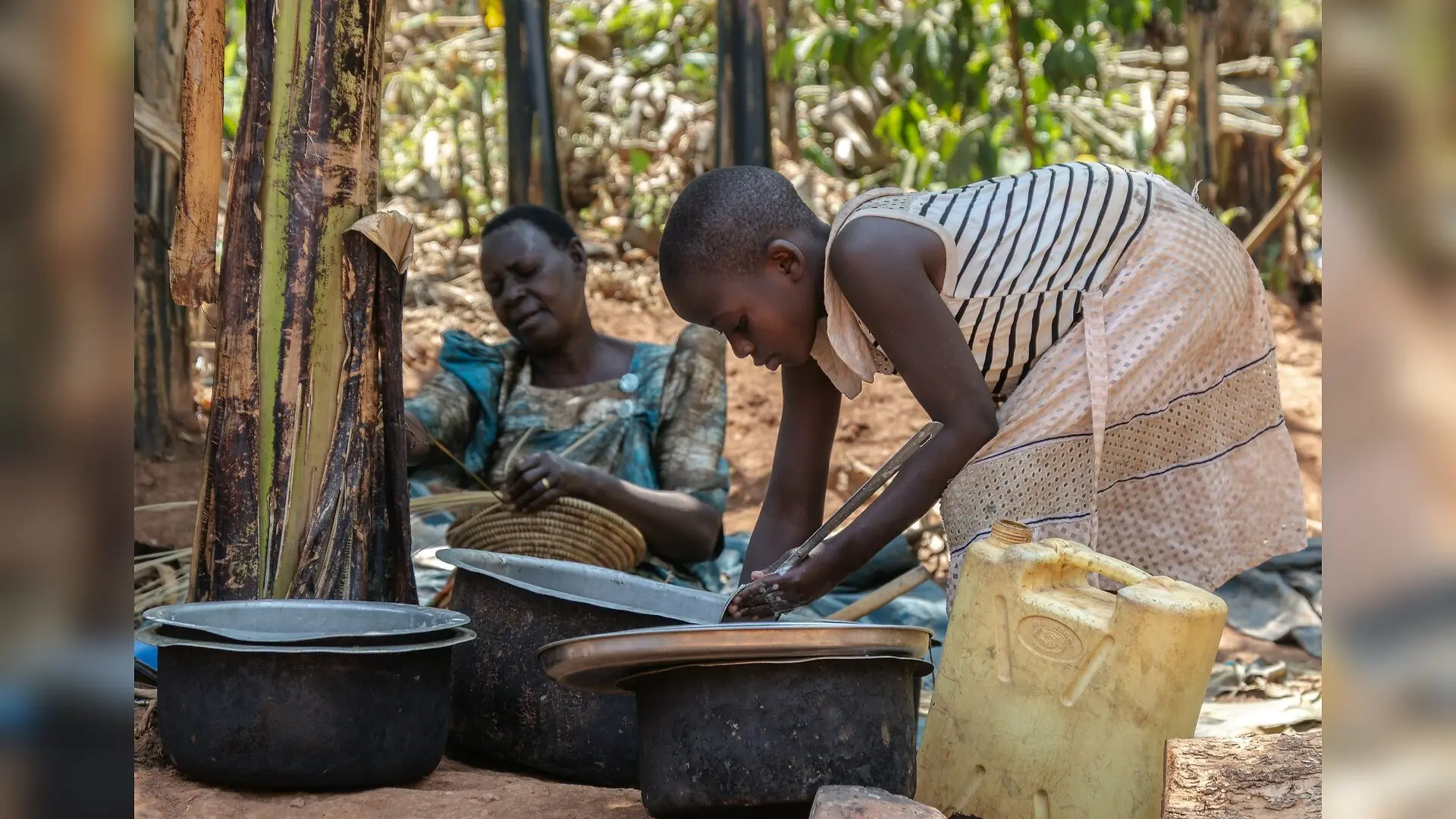
Thousands of rural mothers in Uganda are left to cope with lifelong physical and psychological disabilities after childbirth due to severe health system gaps. A new evaluation published in Annals of Global Health highlights how maternal morbidity remains critically overlooked in favour of mortality tracking alone.
Global health discussions in sub-Saharan Africa have traditionally centered on preventing maternal deaths, yet survival alone often masks profound suffering. According to the analysis by Innocent Ayesiga and colleagues, approximately 475,000 women globally face devastating and lifelong birth-related injuries every year. In Uganda, an estimated 19.2 per 1,000 women of reproductive age are affected, resulting in more than 2,000 newly reported cases annually. These conditions stem from a complex web of biomedical failures and structural inequities that trap vulnerable families in chronic poverty.
What Are the Hidden Physical and Psychological Tolls of Traumatic Childbirth?
Women surviving complicated deliveries frequently face severe medical issues, including obstetric fistula, which involves an abnormal opening between the birth canal and bladder or rectum. This causes continuous leakage of urine or faeces, chronic infections, and infertility. Beyond these physical wounds, psychological trauma runs deep. Affected individuals often report high rates of depression, anxiety, post-traumatic stress symptoms, and intense social isolation.

Stigma within local communities frequently leads to marital breakdown and economic abandonment. Families lose crucial income when mothers are chronically ill or psychologically traumatised, while children may experience neglect. The authors note that more than one-third of women in low- and middle-income countries report experiencing mistreatment during childbirth, such as verbal abuse, neglect, and a lack of consent, which actively erodes trust in medical institutions.
Why Do Preventable Delivery Complications Persist Across Rural Regions?
The persistence of these injuries is deeply tied to extreme poverty, long travel distances to medical centers, and poorly equipped rural health clinics. Pregnant women often encounter what researchers describe as multiple layers of delay in receiving timely interventions. These delays begin at home when recognizing complications, continue through transport challenges, and persist within under-resourced hospitals.
Data from a survey spanning 24 healthcare facilities in Uganda between 2022 and 2023 identified 1,129 women treated for obstetric fistula and other birth injuries. Notably, nearly four in ten of these patients sustained their injuries during their very first pregnancy. Furthermore, administrative hurdles and system neglect meant that only 26% of those women received treatment within the same year their injury occurred, with some individuals waiting up to 21 years for corrective surgery.

How Can Health Systems Better Protect Vulnerable Mothers?
Addressing this hidden public health crisis requires shifting medical priorities away from narrow mortality-centred metrics toward comprehensive maternal morbidity surveillance. The editorial argues that health ministries must capture non-fatal injuries within national data systems to enable targeted prevention. Strengthening emergency obstetric care, establishing reliable surgical theatres, ensuring blood supplies, and training specialist personnel are vital steps.
Equally important is the implementation of respectful maternity care and community-level education regarding early labor recognition. The authors emphasize that lasting solutions require broader social investments, including girls’ education, delayed marriage, poverty reduction, and women’s empowerment, to dismantle the structural inequalities that predate labor itself.
The research was published in Annals of global health on January 1, 2026.
This article has been fact checked for accuracy, with information verified against reputable sources. Learn more about us and our editorial process.
Last reviewed on .
Article history
- Latest version
Reference(s)
- Ayesiga, Innocent., et al. “Birth-Related Injuries Among Women: A Persistent Dilemma in Rural Uganda.” Annals of Global Health, vol. 92, no. 1, November 12, 2026, pp. 112 Ubiquity Press, Ltd., doi: 10.5334/aogh.5502. <https://doi.org/10.5334/aogh.5502>.
- Posted by Sana Malik