Why Your Child’s Sugar Rush Is Actually Just Halloween Excitement
Think your child is on a sugar high after Halloween? Experts suggest the real culprit behind that frantic energy may be pure excitement, not candy.
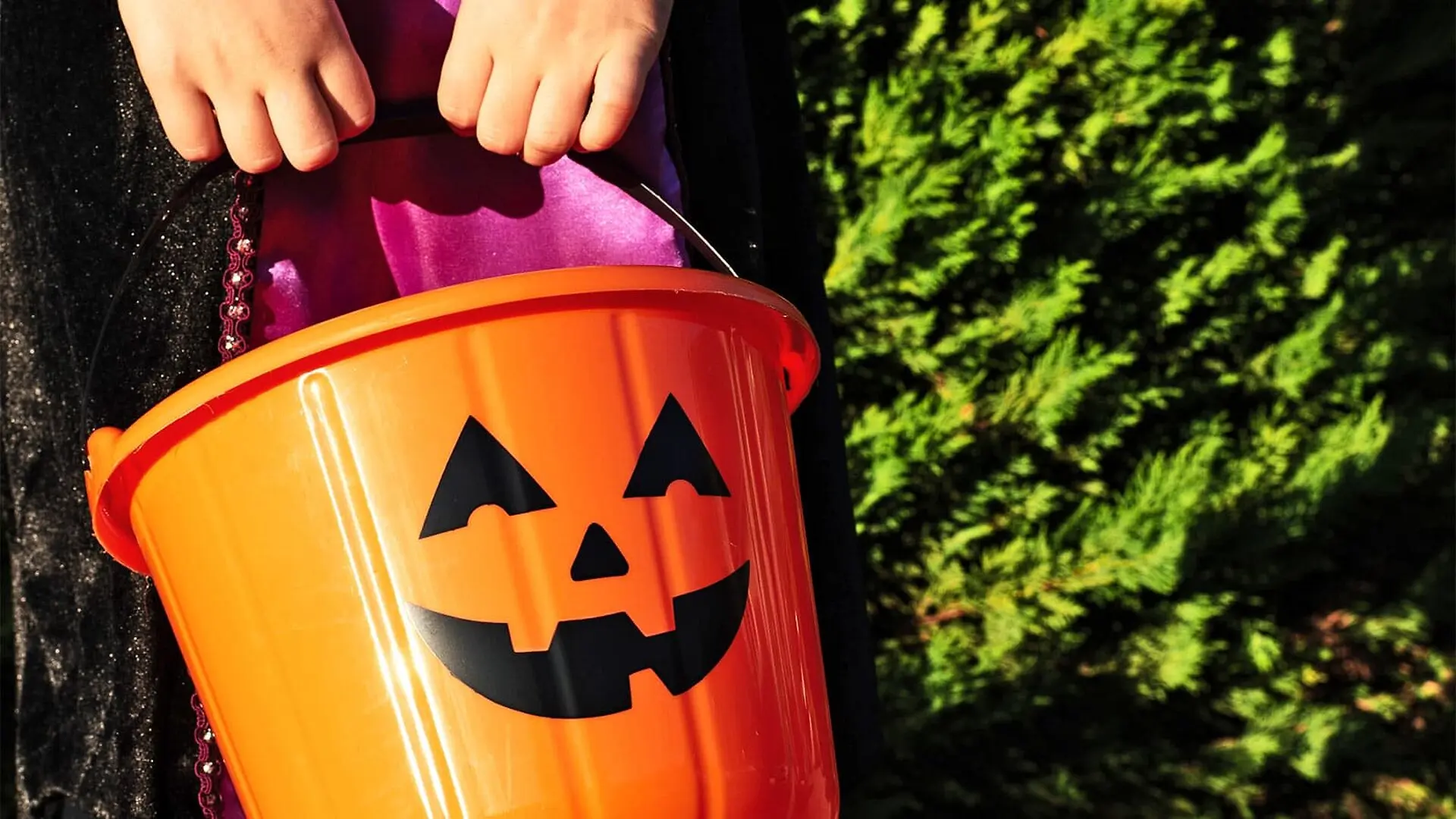
Every year, as Halloween night unfolds, parents frequently witness a sudden, frenetic burst of energy in their children, often attributing the behavior to a massive intake of candy. However, pediatric experts suggest that the culprit behind this so-called “sugar rush” is likely the environment rather than the glucose itself.
The festive atmosphere of the holiday—characterized by elaborate costumes, the thrill of neighborhood exploration, and the social excitement of gathering with friends—creates a highly stimulating experience for children. According to Dr. Stephen Cook, a pediatrician at University of Rochester Medicine Golisano Children’s, the emotional intensity of the occasion can easily manifest as hyperactivity. Because these children are navigating a high-energy, novel environment, their behavior is often a reflection of their surroundings rather than their blood sugar levels.
Furthermore, scientific literature has yet to provide definitive evidence linking sugar consumption directly to hyperactive behavior in children. Experts point out that parental expectations play a significant role in this perception; if caregivers anticipate that a child will become energetic after eating sweets, they are psychologically primed to interpret normal, excited play as a direct consequence of the candy.
Health Considerations Beyond the Rush
While the immediate “sugar high” may be a misconception, pediatricians do caution against the long-term impact of high-sugar diets. The primary concern is not a singular event like Halloween, but rather how processed treats displace nutrient-dense foods in a child’s regular diet. Consistent overconsumption of added sugars and highly processed foods can contribute to several health challenges over time:
- The development of dental caries and tooth decay, especially with frequent snacking.
- Increased risk of excess weight gain and obesity due to high-calorie, low-nutrient intake.
- Nutritional deficiencies, as sugary foods crowd out essential vitamins, minerals, and protein.
- Metabolic health issues, including elevated risks for insulin resistance and type 2 diabetes.
Dr. Cook emphasizes that viewing food through a rigid “good” versus “bad” lens is less effective than focusing on overall dietary patterns. A balanced approach allows for the inclusion of occasional treats without undermining the necessity of regular, nutritious meals.
Navigating Additives and Sugar Alternatives
Parents often wonder if turning to sugar-free alternatives or worrying about synthetic dyes, such as Red 40, is the solution. Experts note that sugar-free options are frequently highly processed and may substitute one sweetener for another without providing a distinct health advantage. Similarly, while public concern regarding artificial food dyes persists, research has not substantiated claims that these additives cause hyperactivity. While rare instances of individual sensitivity can occur, pediatricians suggest that parents monitor their own child’s reactions and discuss persistent behavioral changes with a healthcare provider.
Practical Strategies for the Holiday Haul
Managing the post-Halloween candy stash does not require strict prohibition, which can often backfire. Instead, experts suggest a more moderate approach to maintain healthy habits:
- Preparation: Providing a balanced meal or snack before the evening begins can ensure children aren’t overly hungry, which helps regulate their energy and appetite.
- Moderation: Allowing children to enjoy a portion of their haul on Halloween night prevents the treats from becoming a forbidden, and therefore more desirable, commodity.
- Post-holiday management: Portioning out treats rather than allowing open access to the bag prevents grazing. Families can also incorporate remaining sweets into baking or trade some of the collection for non-food rewards.
Ultimately, the goal is to foster a healthy relationship with food where sweets are recognized as a “sometimes” food, rather than a primary source of sustenance. By focusing on consistent nutrition and recognizing the impact of environmental excitement, parents can navigate the Halloween season without unnecessary concern.
This article has been fact checked for accuracy, with information verified against reputable sources. Learn more about us and our editorial process.
Last reviewed on .
Article history
- Latest version
Reference(s)
- “Stephen R. Cook, M.D., M.P.H. | URochester Medicine.” University of Rochester Medicine <https://www.urmc.rochester.edu/people/112359104-stephen-r-cook>.
Cite this page:
- Posted by David Anderson