Archaeologists Uncover 2,000 Year Old Warship Built With Sophisticated Fireproofing Tech
Archaeologists have discovered an ancient warship buried in the Black Sea, revealing innovative defense strategies used to combat persistent enemy threats.
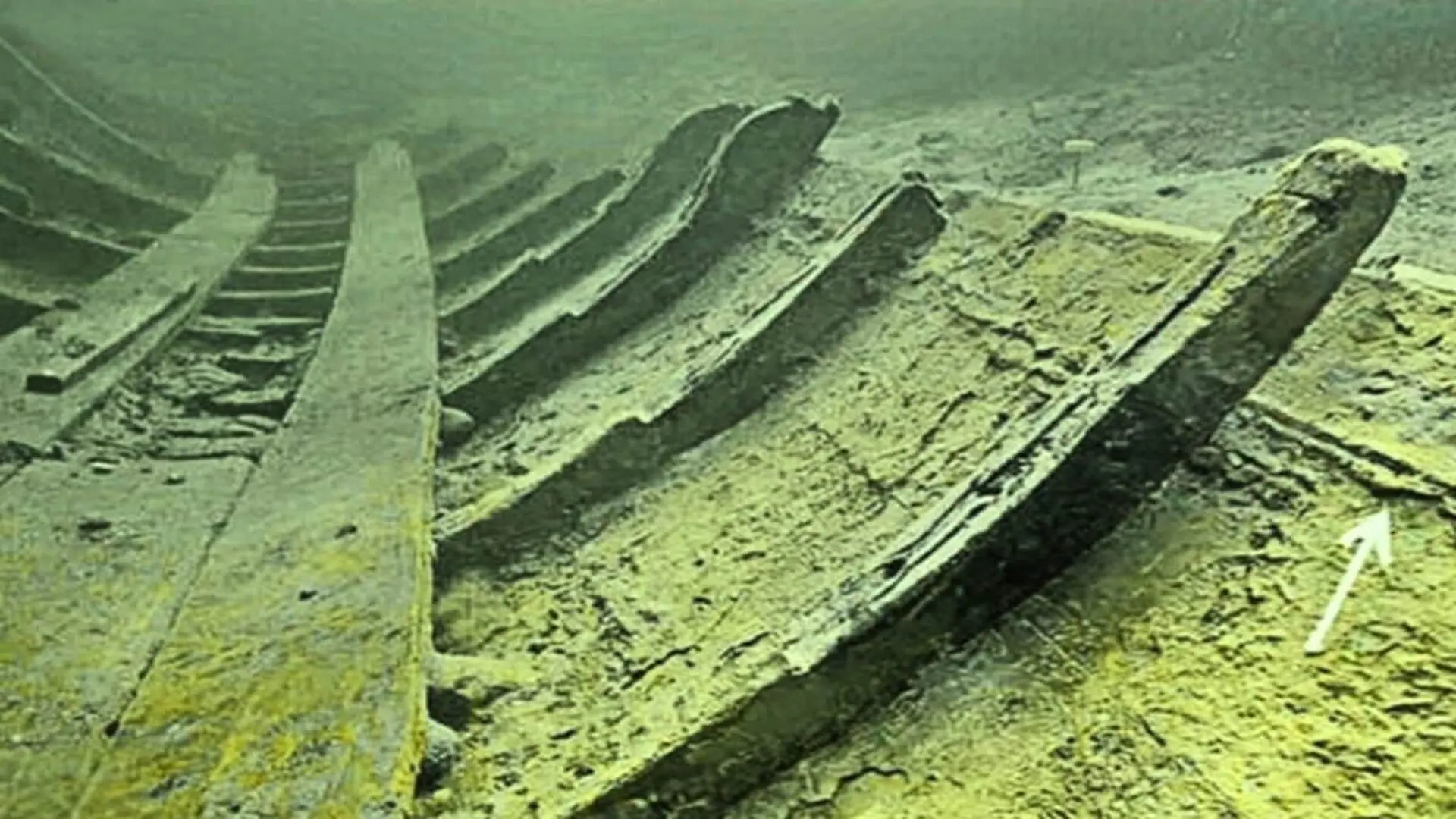
Deep beneath the sands of the Black Sea coast, archaeologists have uncovered the wreckage of an ancient warship that offers a rare glimpse into the naval dominance of the Pontic Kingdom. Located in the silt-heavy waters of Taman Bay near the site of Phanagoria, the 16-meter vessel dates back to the middle of the 1st century BC and stands as the oldest warship ever discovered in Russian waters.
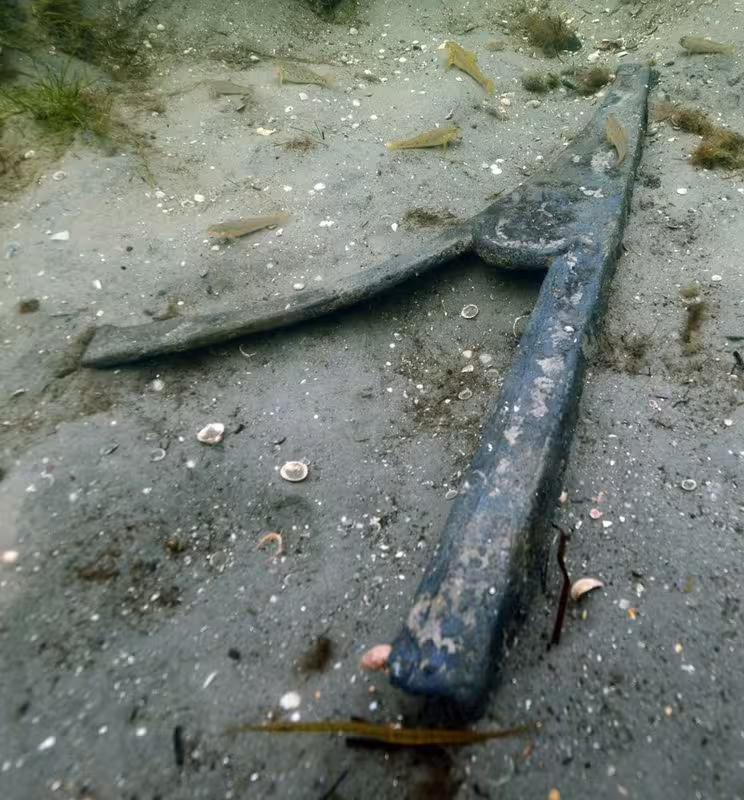
The ship was initially identified by a striking artifact found just meters from its bow: a one-meter-long bronze ram emblazoned with the royal insignia of Mithridates VI Eupator, a legendary king of Pontus and a long-standing adversary of the Roman Republic. Historians believe the vessel met its end during a violent 63 BC uprising against the king, as the city of Phanagoria turned against its ruler and clashed with a naval fleet sent to restore order.
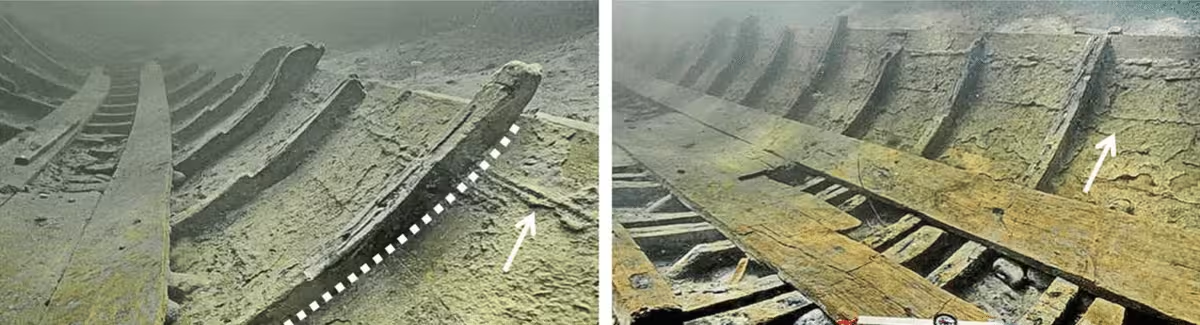
Recent analytical studies of the wreckage reveal a vessel engineered for durability and survival. Researchers from the Kurchatov Institute discovered that the hull’s interior was meticulously insulated with a fire-resistant layer of clay, reaching up to five centimeters in thickness near the keel. This mixture, which included animal hair, pork fat, and even a crane feather, was designed to protect the wooden frame from both accidental fires and incendiary weapons used in naval combat.
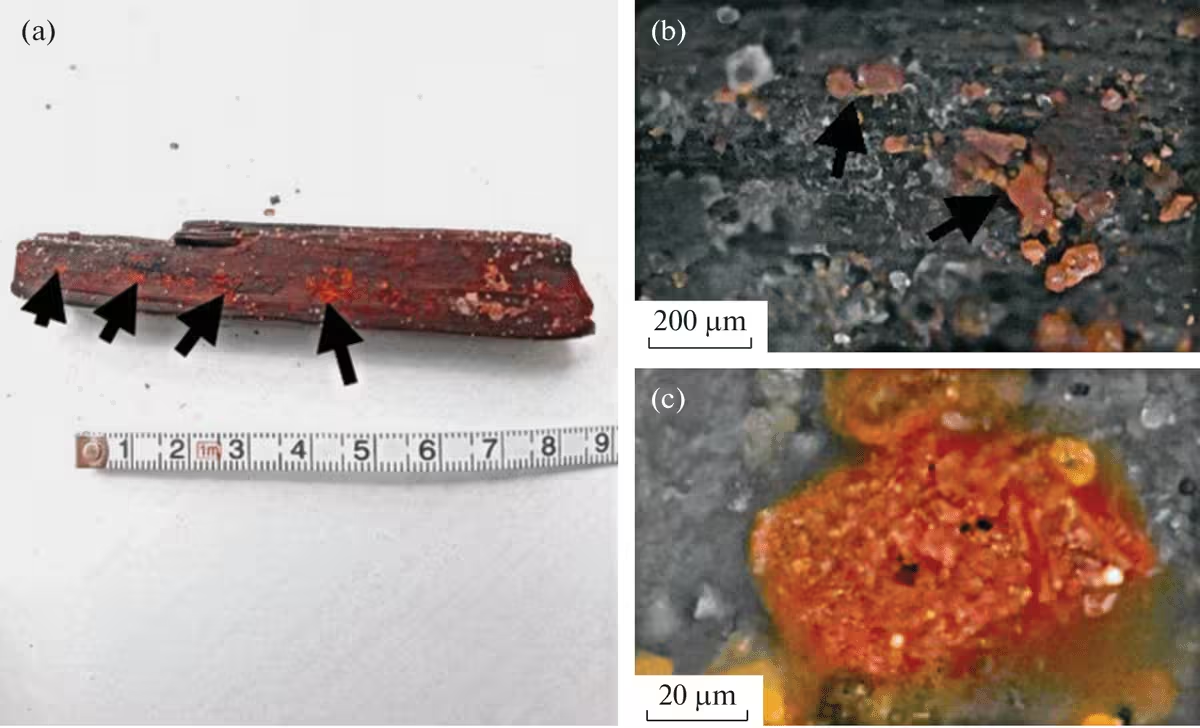
The external hull featured its own sophisticated defense. Analysis identified a protective coating composed of realgar—a toxic arsenic sulfide mineral—mixed with beeswax and pine resin. This chemical barrier likely served as an early form of anti-fouling treatment, preventing the growth of marine mollusks and deterring wood-boring shipworms that frequently threatened ancient fleets.
Advanced Metallurgy and Naval Engineering
Detailed examination of the ship’s components, published in Rossiiskie Nanotekhnologii, utilized electron microscopy and neutron activation analysis to confirm the high quality of the materials used in its construction. Unlike many contemporary vessels that relied heavily on iron, this warship utilized copper and copper-alloy nails, which offered far superior resistance to saltwater corrosion.
The structural evidence suggests the Pontic navy maintained a sophisticated repair program. The hull exhibits extensive patching using a variety of timber species, including some sourced from the Mediterranean, indicating a well-organized logistical network capable of sustaining a fleet over decades of service.
The discovery at Phanagoria adds to a growing archaeological narrative surrounding the kingdom of Mithridates VI. Previously, researchers identified a tombstone belonging to Hypsikratia, the king’s queen, who was famously noted by Plutarch for her battlefield prowess and refusal to abandon her husband during his conflicts with Rome. The wreckage of this unireme—a swift vessel powered by a single bank of oars—further illustrates the military sophistication that once challenged the hegemony of the Roman Republic in the Black Sea region.
This article has been fact checked for accuracy, with information verified against reputable sources. Learn more about us and our editorial process.
Last reviewed on .
Article history
- Latest version
Reference(s)
- Greshnikov, E. A.., et al. “Studies of Composite Protective Coatings of an Ancient Ship from Phanagoria (1st Century BC).” Nanobiotechnology Reports, vol. 19, no. 4, February 25, 2025, pp. 497-508. Pleiades Publishing Ltd, doi: 10.1134/S2635167624601748. <https://doi.org/10.1134/S2635167624601748>.
- “Российские нанотехнологии. T. 21, Номер 1, 2026.”, August 6, 2025 <https://sciencejournals.ru/view-article/?j=nano&y=2026&v=21&n=1&a=Nano2560075Greshnikov>.
Cite this page:
- Posted by Vikram Desai