Rare Ghost Dolphin Found Dead in Brazil Reveals First Ever Evidence of a Great White Attack
Researchers have uncovered an unexpected mystery beneath Brazil’s coastal waters, providing a rare and fascinating glimpse into hidden marine interactions.
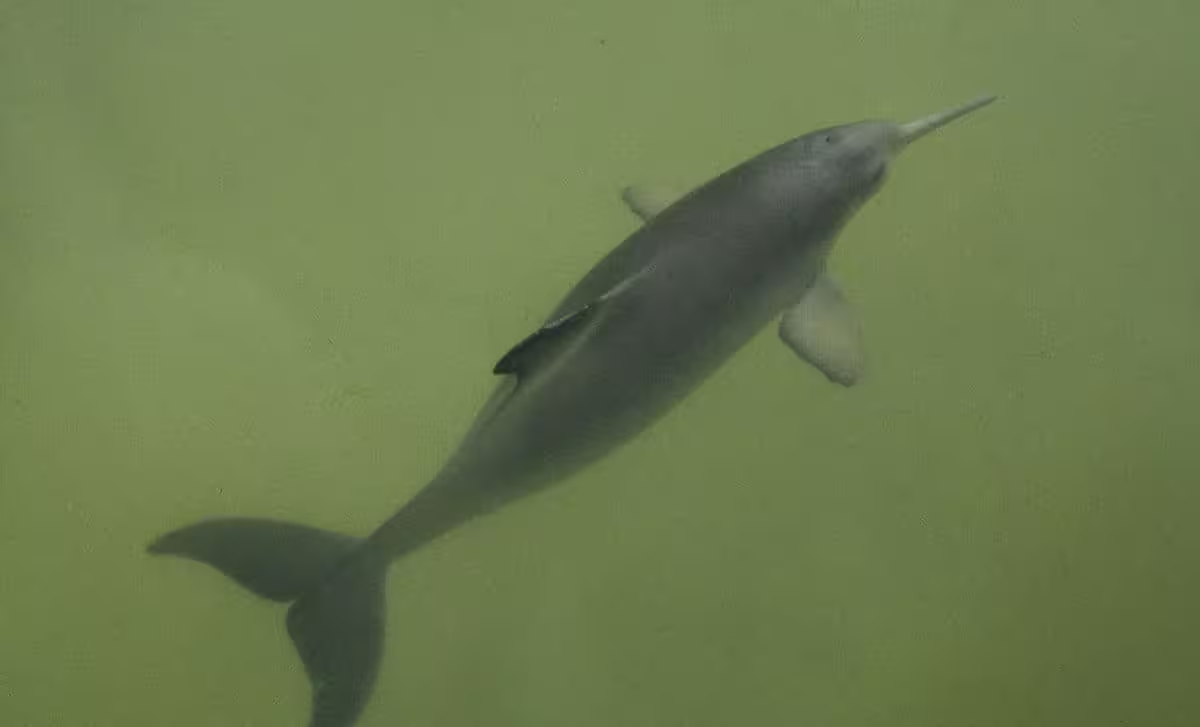
The franciscana dolphin (Pontoporia blainvillei), a species often referred to as the La Plata dolphin, stands as one of the most enigmatic marine mammals on the planet. Native to the coastal waters stretching from southeastern Brazil down to Uruguay and Argentina, this small cetacean is classified as the most vulnerable dolphin species inhabiting the southwestern Atlantic. Often dubbed a ghost dolphin due to its elusive nature and rare sightings, the franciscana is biologically distinct as the only member of the river dolphin family that has adapted exclusively to a saltwater environment.
Analysis of Fatal Wounds Offers Rare Insight into Predation
When a deceased adult specimen washed ashore on the Brazilian coast, researchers seized the opportunity to conduct a post-mortem examination, which ultimately uncovered evidence of a previously undocumented predator-prey interaction. Upon closer inspection, scientists discovered three distinct bite marks on the animal’s body, including a fatal injury that provided a roadmap of the creature’s final moments.
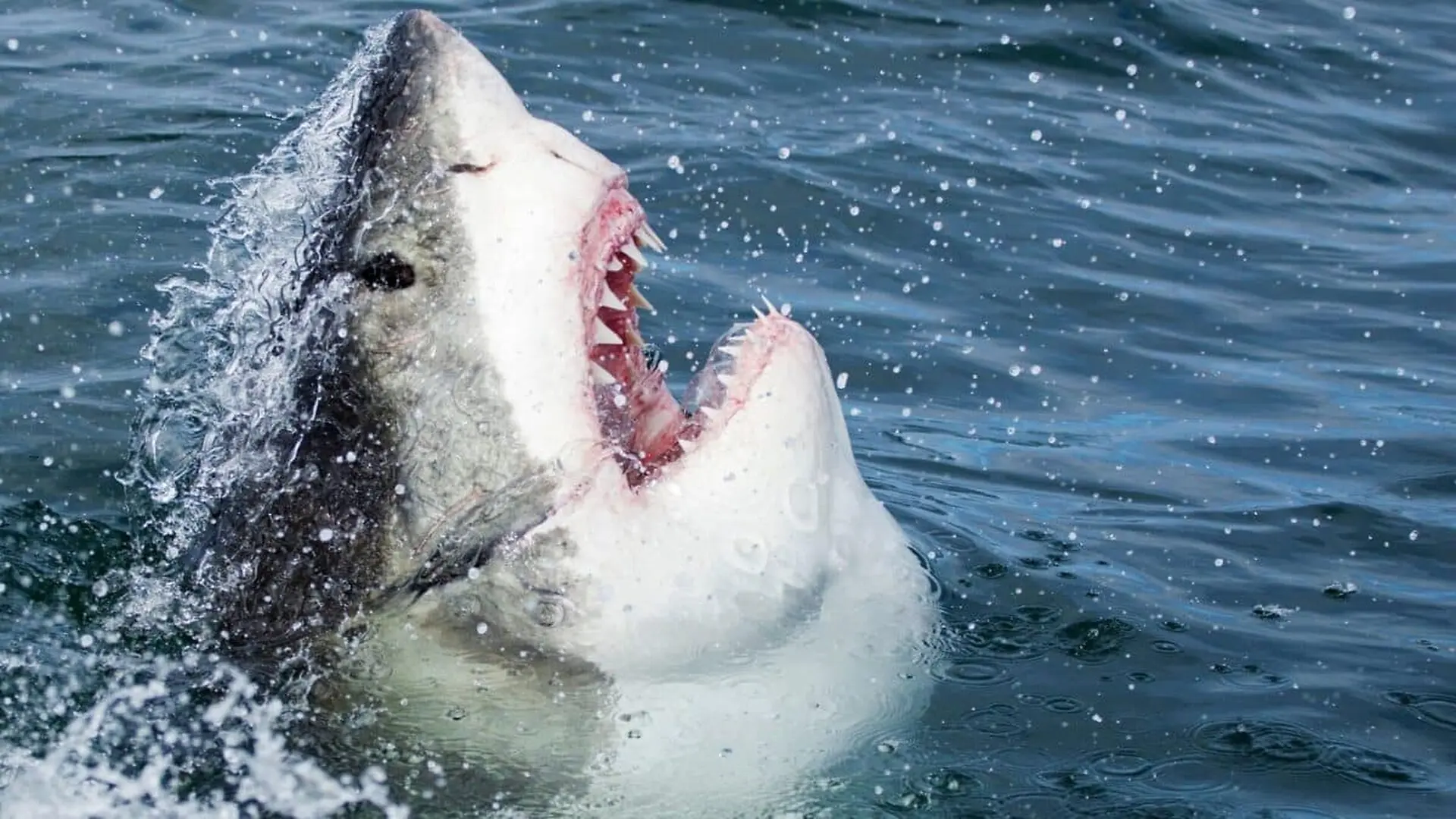
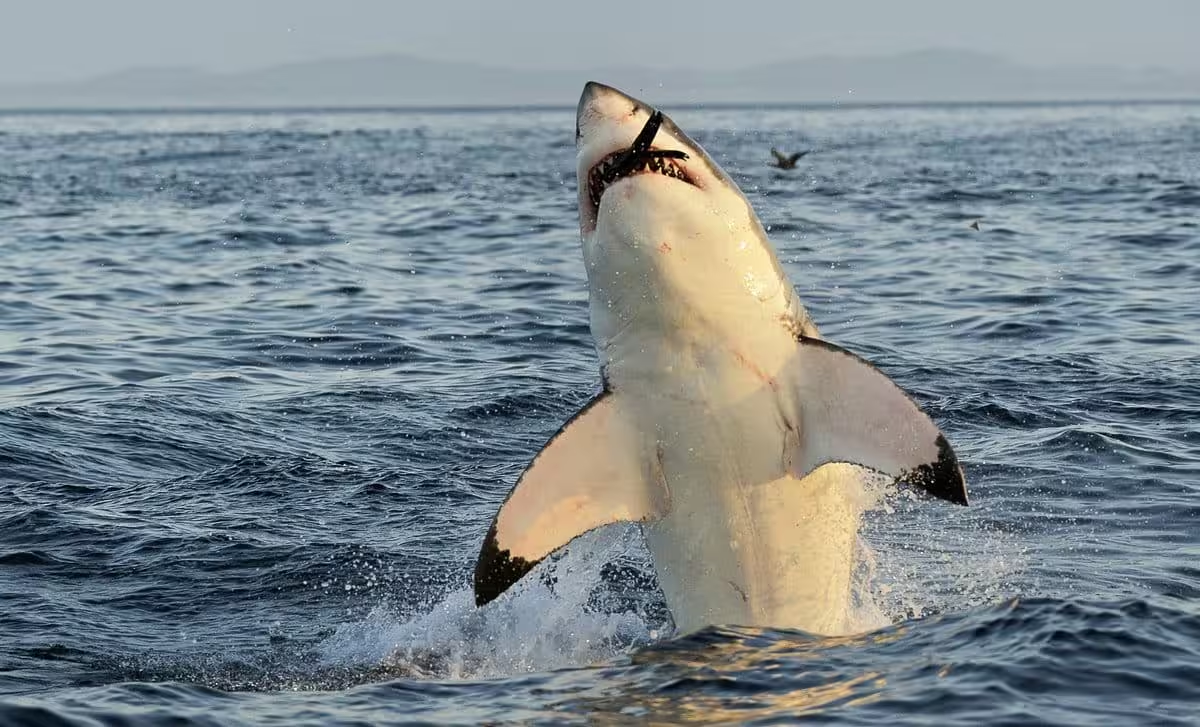
To identify the culprit, the research team utilized advanced diagnostic criteria, including a detailed evaluation of dental allometry, tooth orientation, and the specific geometry of the bite patterns. By employing TPSdig software to map the dimensions of the wounds, the investigators were able to model the size and characteristics of the attacker. A critical wound on the dolphin’s dorsal fin served as the primary evidence, with the spacing and shape of the marks aligning with those of a great white shark (Carcharodon carcharias). Researchers estimated the predator weighed between 400 and 490 kilograms, noting that the presence of hemorrhaging around the site confirmed the dolphin was alive when the shark struck, as documented in iFLScience.
Ecological Significance of a Specialized Dolphin
The franciscana is characterized by a strikingly long, slender beak that accounts for approximately 15 percent of its entire body length—a proportion unmatched by any other dolphin species. While its physical appearance shares commonalities with the Amazon river dolphin, its habitat preference for coastal marine zones rather than inland river systems makes it a unique subject for evolutionary studies. Because the population is geographically confined and critically threatened, every individual examined by scientists provides essential, albeit rare, data regarding the ecological pressures these animals endure.
Expanding Our Understanding of Apex Predators
This encounter also provides significant context regarding the presence of great white sharks in Brazilian waters, an area where they are not typically abundant. The findings published by the team demonstrate that these apex predators are not only traversing these regions but are actively interacting with some of the rarest members of the local marine community. As both the shark and the dolphin face their own unique set of conservation challenges, experts emphasize that ongoing research into these interactions is vital to managing and protecting biodiversity in the southwestern Atlantic.
This article has been fact checked for accuracy, with information verified against reputable sources. Learn more about us and our editorial process.
Last reviewed on .
Article history
- Latest version
Reference(s)
- <https://uk.whales.org/whales-dolphins/species-guide/franciscana/>.
- <https://www.iflscience.com/a-ghost-dolphin-washed-up-on-a-beach-in-brazil-its-wounds-revealed-the-first-ever-record-of-it-being-hunted-by-an-unlikely-predator-84750>.
- “WR26042.”, doi: 10.1071/WR26042.short. <https://bioone.org/journals/wildlife-research/volume-53/issue-8/WR26042/Applying-the-diagnostic-criteria-of-wound-morphology-and-dental-allometry/10.1071/WR26042.short>.
Cite this page:
- Posted by Linda Wilson