Inside Lechuguilla Cave 20 Foot Crystals Hang From A Breathing Underground Chamber
Explore the secret desert cave long barred to the public, where explorers report an astonishing underground landscape unlike anything seen before.
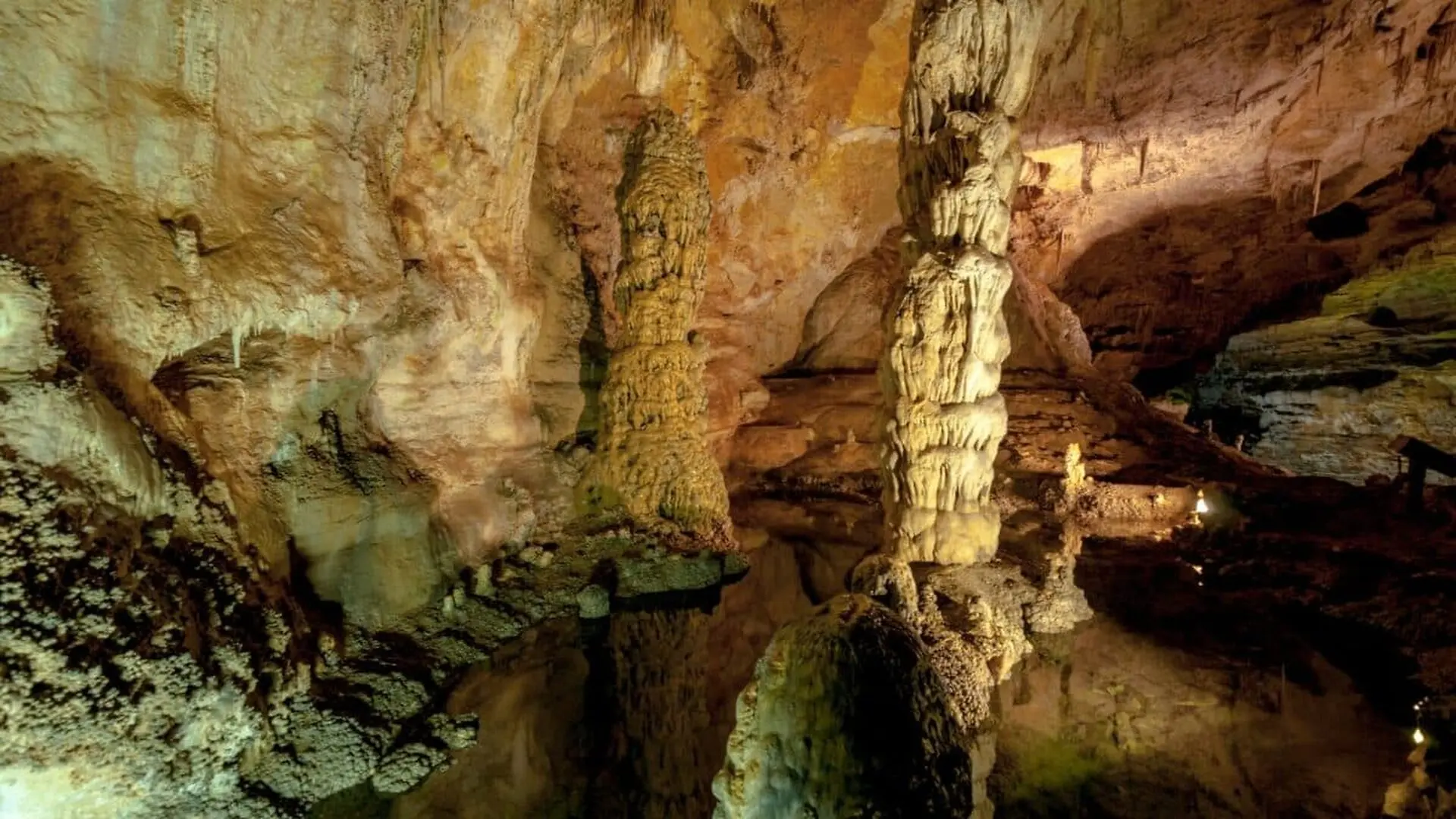
Deep beneath the Guadalupe Mountains of New Mexico, the Le Chuguilla system stands out as one of the planet’s most extraordinary subterranean networks. Its spectacular crystal displays, uncommon geology and the rare ability to “breathe” have kept it largely untouched for millions of years.
The cave’s far‑reaching corridors draw geologists, speleologists and documentary crews eager to probe a hidden realm unlike any other, yet large sections remain unmapped.
A Subterranean Passage That Moves Air
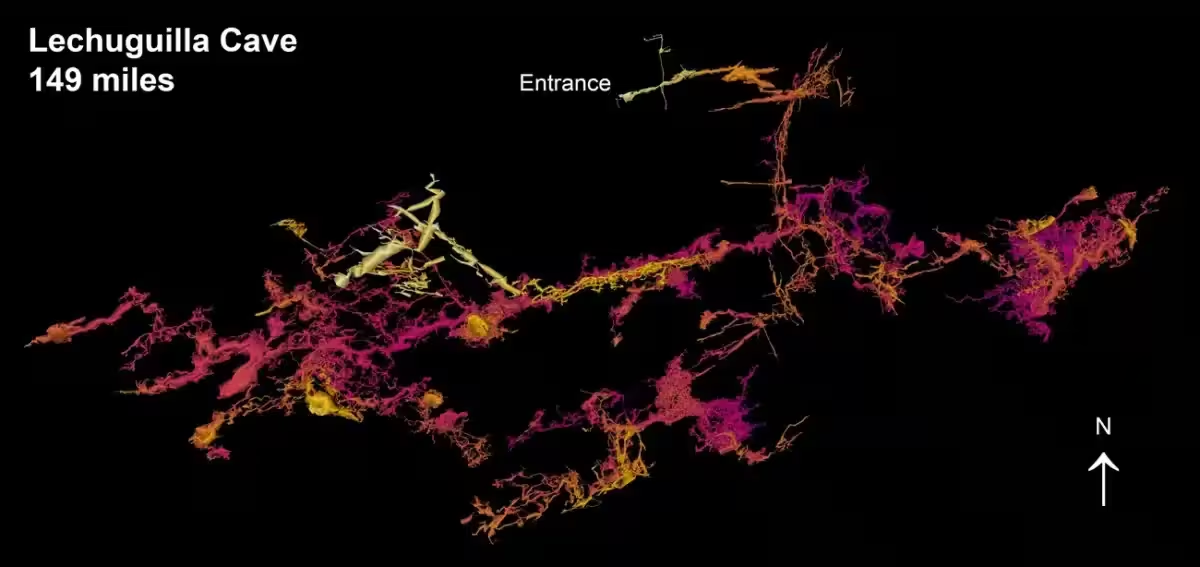
Nestled within Carlsbad Caverns National Park, Le Chuguilla Cave extends over 152.11 miles (244.80 kilometers), ranking it among the world’s ten longest explored caves. Researchers place its origin at roughly five million years ago, with its labyrinthine tunnels diving deep into the surrounding mountains. Uniquely, the cave’s passages experience a push‑pull of air as external pressure fluctuates, a phenomenon often confused with temperature‑driven airflow in typical caves.
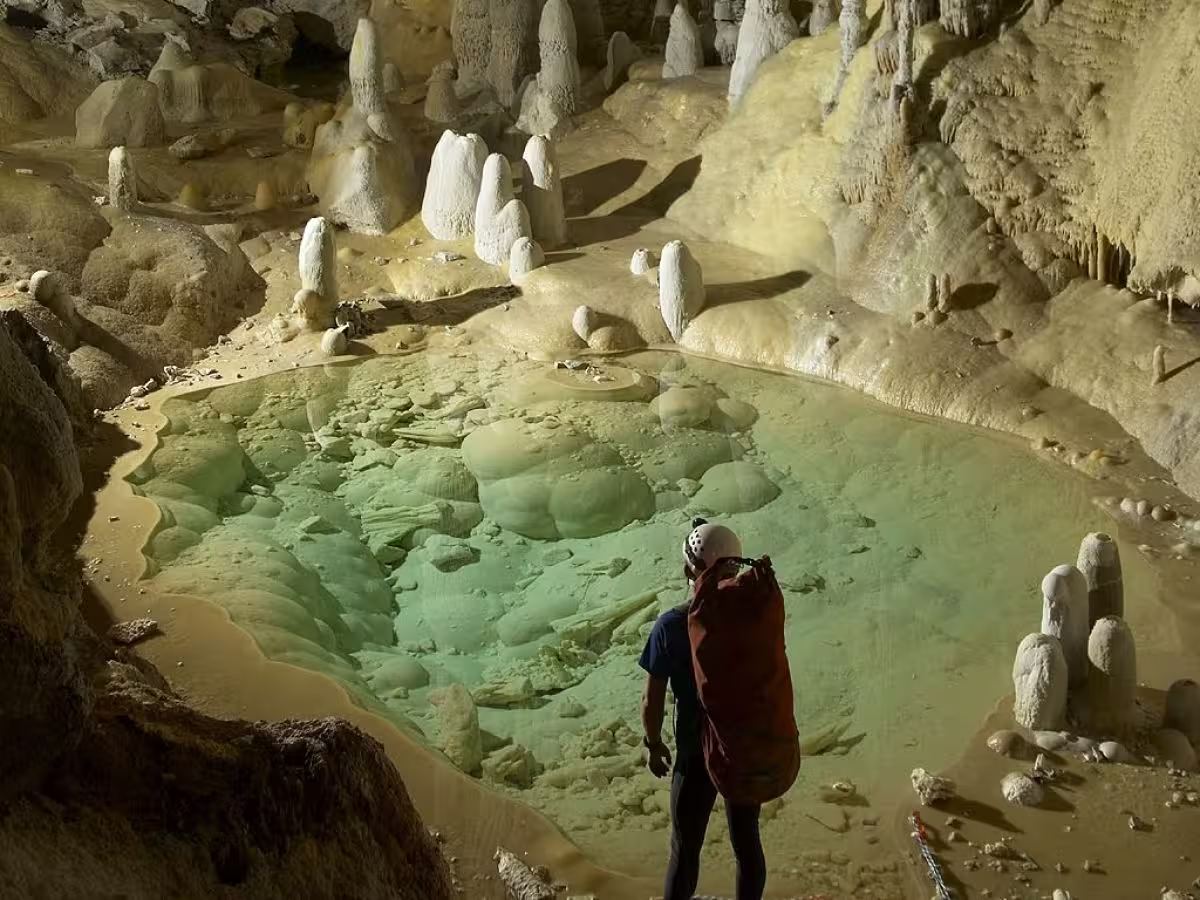
According to Discover Wildlife, the air exchange in “breathing” caves like this one is typically driven by shifts in atmospheric pressure rather than temperature gradients. Such caves are scarce worldwide, with most identified in the United States, a couple in Europe and a single example in Malaysia. Interestingly, four of the planet’s ten longest cave systems belong to this exclusive group, Le Chuguilla included.
Enormous Gypsum Formations and Uncommon Minerals
Unlike many deep‑cave systems carved chiefly by surface water, Le Chuguilla grew through a hypogenic process—water rising from depth, mingling with rain, and dissolving the host rock. This upward flow has yielded a suite of rare mineral deposits, notably lemon‑yellow sulfur crystals and towering gypsum structures that pepper the passages.
The most celebrated showcase of these formations resides in the Chandelier Ballroom, where massive gypsum stalactites dangle from the ceiling. Individual clusters can span up to twenty feet (approximately 6.1 meters), creating a scene that rivals any man‑made cathedral.
BBC’s Groundbreaking Journey Into the Depths
Le Chuguilla entered the public eye when the BBC’s Planet Earth crew filmed inside its hidden halls in the early 2000s. Negotiations for access stretched over two years, and once cleared, moving the filming gear through the maze required an additional eight‑hour trek.
Producer Huw Cordey recounted a 60‑metre descent down Boulder Falls in total darkness before emerging into a sequence of chambers bearing names such as Snow White’s Passage, Tinseltown, Land of Awes and Prickly Ice Cube Room.
The Chandelier Ballroom left the strongest impression. Cordey described seeing crystal clusters that stretched six metres from the ceiling, an experience he likened to stepping into an otherworldly freezer.
“The sight was utterly other‑worldly,” he said. “I felt as if I’d been miniaturised and stuck in a large empty freezer compartment.”
This article has been fact checked for accuracy, with information verified against reputable sources. Learn more about us and our editorial process.
Last reviewed on .
Article history
- Latest version
Reference(s)
- “Lechuguilla Cave - Carlsbad Caverns National Park (U.S. National Park Service).” <https://www.nps.gov/cave/learn/nature/lechuguilla_cave.htm>.
- Ellis, Sophie. “It was sealed off for 5 million years, breathes and has a Chandelier Ballroom filled with 6 metre long crystals.”, May 19, 2026 Discover Wildlife <https://www.discoverwildlife.com/environment/lechuguilla-cave>.
Cite this page:
- Posted by Linda Wilson